

Quentin Tarantino raises children in Israel, and there’s a restaurant named after him in Rishon Lezion. Wes Anderson’s symmetrical style is copied across millions of Instagram and TikTok accounts. Christopher Nolan is a blockbuster machine that challenges our minds. Greta Gerwig has become a hipster cinema icon and proved with Barbie that female directors belong front and center. Many remain loyal to childhood heroes, the twin pillars of Spielberg and Scorsese. But when hardcore cinephiles are asked who their favorite working director is — especially among Americans — there’s one name that nearly reaches consensus: Paul Thomas Anderson.
Though far less famous to the general public than the other geniuses above, PTA — as students of film call him, and perhaps your annoying cousin too — is first and foremost “the director’s director.” Scorsese requested extensive rewrites of Killers of the Flower Moon screenplay; the late Robert Altman insisted PTA be on standby as a “replacement director” in case he died before completing filming (PTA did finish it). Now, Spielberg is reportedly shouting across Hollywood that PTA’s latest, One Battle After Another, is a modern classic — “crazy, amazing and wonderful.”
'One Battle After Another' – Trailer
(Courtesy of Tulip Entertainment)


Superlatives have long followed every PTA release. Critics lavish praise with terms like “masterpiece” or “monumental creation,” while general audiences often respond with, “It was kind of weird,” or, “The music was good, but I got bored,” or, “Okay, it was long, but how is this different from the second Anderson?”
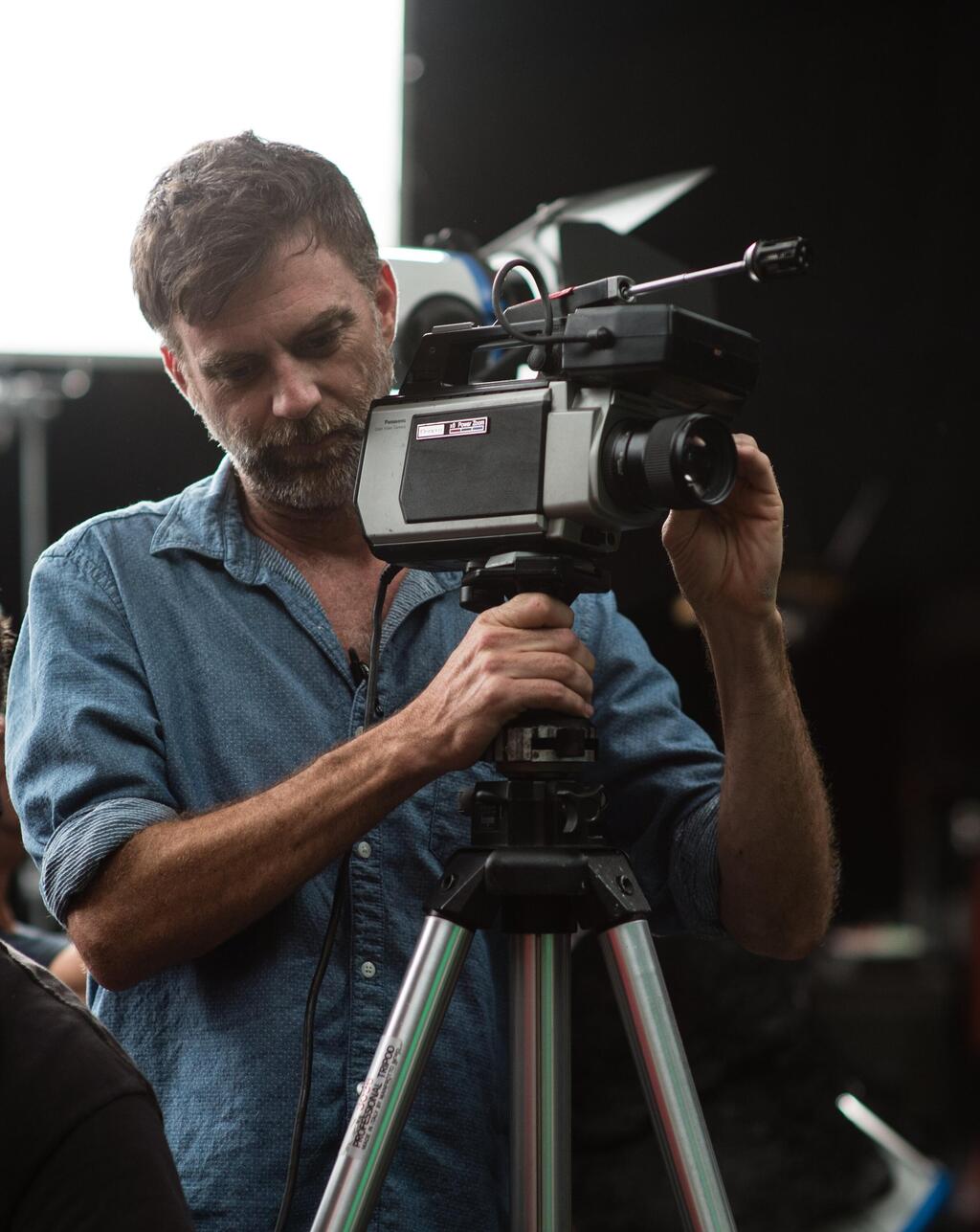
With the release of One Battle After Another, his first collaboration with Leonardo DiCaprio and his first big-budget action-adjacent film, Anderson may finally break into a wider niche and, perhaps, win the elusive Oscar he’s missed in 11 previous nominations. Each of his ten films has its devoted fans, but here’s a ranking of all PTA’s works.
10. Hard Eight (1996)
Anderson’s debut, often placed last in rankings. The film follows an older gambler taking a younger man under his wing (Philip Baker Hall, John C. Reilly). It’s a melancholy crime story that could fit into a Fargo-like indie corner of the ’90s, and while it doesn’t break new ground, it’s worth watching after seeing his later works.

From 'Hard Eight'
(Photo: Courtesy of yes)
9. The Master (2012)
Considered Anderson’s most divisive work. He calls it his favorite. Set in the 1950s, it tells of a broken WWII veteran (Joaquin Phoenix) who falls under the sway of a charismatic cult leader (Philip Seymour Hoffman). The film’s narrative defies traditional plot development, focusing instead on character dynamics, with multiple Oscar-worthy performances and a legendary “entrance interview” scene between Phoenix and Hoffman.

From 'The Master'
(Photo: Courtesy of yes)
8. Licorice Pizza (2021)
Anderson’s last film before Battle, a sweet, simple love story. Set in 1970s San Fernando Valley, it follows a teenage boy falling for a slightly older woman. The film is full of nostalgia, quirky humor and music, with a uniquely personal touch, including references to Israeli culture through the Haim family characters.

From 'Licorice Pizza'
(Photo: Courtesy of yes)
7. Inherent Vice (2014)
A crime comedy set in 1970s Los Angeles, based on Thomas Pynchon’s novel. A stoner private detective navigates absurd situations, blending noir and slapstick. While unconventional, it’s a delight for viewers who immerse themselves in Anderson’s eccentric, surreal style.

From 'Inherent Vice'
(Photo: Courtesy of yes)
6. One Battle After Another (2025)
Early reviews and industry buzz suggest the film might be underrated in ranking. It’s a high-energy, intelligent action film, blending PTA’s signature character study with narrative thrills. Leonardo DiCaprio stars as a troubled man navigating chaos, supported by Sean Penn and others.

From 'One Battle After Another'
(Photo: Courtesy of Tulip Entertainment)
5. Boogie Nights (1997)
A classic, focused on the rise and fall of a fictional adult film star in 1970s Los Angeles. The film exemplifies Anderson’s long takes, rich ensemble cast and detailed period setting. It’s accessible yet complex, a quintessential PTA experience.

From 'Boogie Nights'
(Photo: Courtesy of yes)
4. Phantom Thread (2017)
Set in 1950s London, the film explores a tense love/hate relationship between a couture designer (Daniel Day-Lewis) and his muse (Vicky Krieps). The meticulous style, music and photography create a film that’s elegant, intricate and unmistakably Anderson.
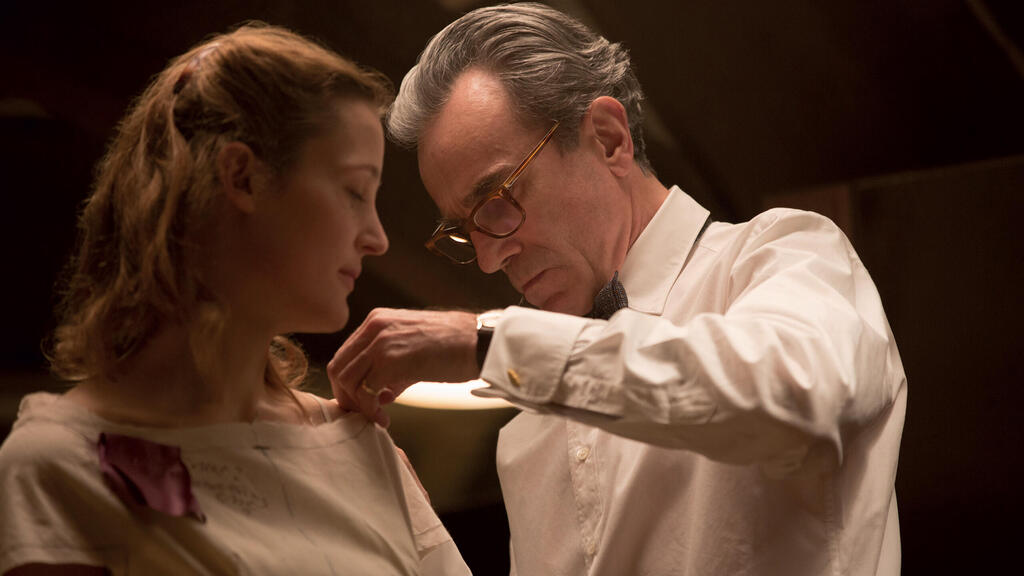
From 'Phantom Thread'
(Photo: Courtesy of yes)
3. Magnolia (1999)
Considered Anderson’s magnum opus. A three-hour ensemble film weaving multiple storylines across Los Angeles, featuring interconnected characters, coincidences and unforgettable moments like a rain of frogs. The film blends comedy, drama and existential questions in a uniquely Andersonian way.

From 'Magnolia'
(Photo: Courtesy of yes)
2. There Will Be Blood (2007)
Often cited as one of the greatest films of the 21st century. Daniel Day-Lewis delivers a career-defining performance as a ruthless oilman in the early 1900s. Every element — cinematography, music by Jonny Greenwood and set design — supports the epic, morally complex story.

From 'There Will Be Blood'
(Photo: Courtesy of yes)
1. Punch-Drunk Love (2002)
A more offbeat, romantic choice. Adam Sandler stars as a lonely, emotionally volatile man finding love. The film’s 90-minute runtime, quirky humor, vibrant music and visual style create a heartfelt, life-affirming experience. It stands out as uniquely PTA, offering hope and joy while maintaining his characteristic strangeness.
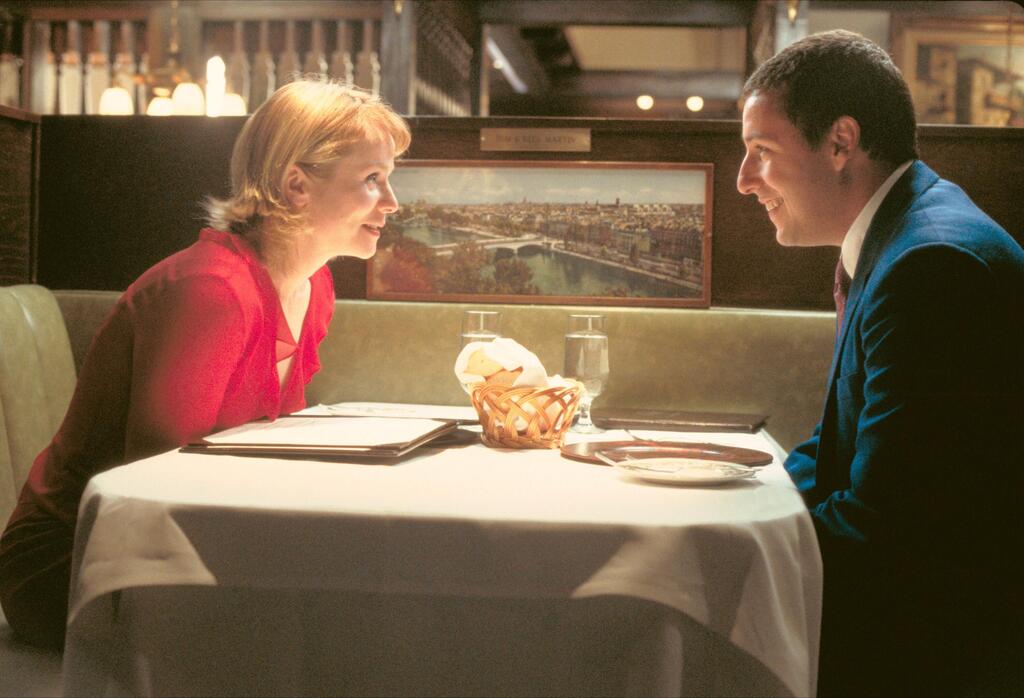
From 'Punch-Drunk Love'
(Photo: Courtesy of yes)