

Paul Thomas Anderson’s latest film, One Battle After Another, is a remarkable achievement, a rare original and ambitious production in an era when Hollywood studios shy away from such projects. The film carries a politically critical dimension, a risk for studios in today’s climate of authoritarian pressure, making its existence now all the more relevant. Yet it is not a preachy work; it succeeds first and foremost as a compelling, emotionally accessible story with well-executed action. Early indicators suggest it may be hailed as the best American film of 2025.
Anderson continues to enjoy exceptional esteem among cinephiles and critics, even if general audiences remain less enthusiastic. Four of his last nine films, including The Master, Inherent Vice and Licorice Pizza, failed to recoup their production budgets. His continued ability to secure financing despite these commercial setbacks speaks to the high regard in which he is held in the industry.
'One Battle After Another' – Trailer
(Courtesy of Tulip Entertainment)


In One Battle After Another, Anderson draws inspiration from Thomas Pynchon’s 1990 novel Vineland, though he adapts the story freely. Pynchon, a leading postmodern American author, crafts multi-layered narratives blending political and cultural satire with explorations of paranoia, conspiracies and technology. Adapting Pynchon to the screen is a daring feat. Anderson previously attempted it with Inherent Vice (2014), a noir-comedy adaptation that confounded audiences and struggled financially.
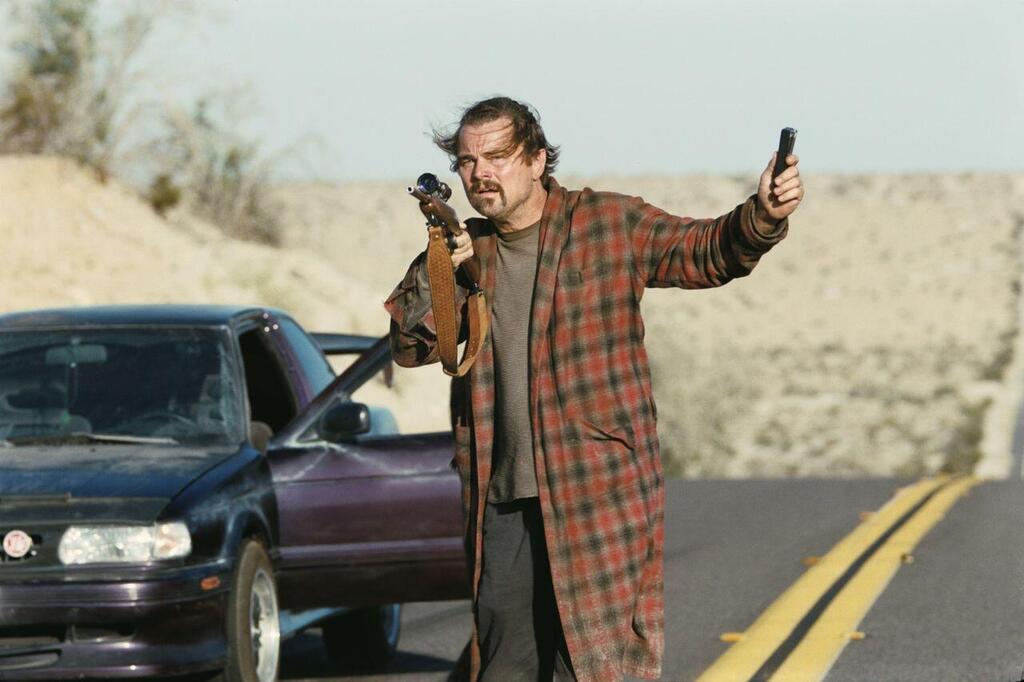
This time, Anderson simplifies the complex structure: he updates the setting to 2025, streamlines the plot chronologically, modernizes four central characters and removes the novel’s allegorical or supernatural elements. This approach allows the film to address contemporary issues such as immigrant detention and deportation, interracial relationships, secretive racist organizations and government manipulation of information. While Pynchon examines the posthumous decline of 1960s radicalism, Anderson situates his story in the present, combining darkness with humor and intergenerational emotional resonance.

From 'One Battle After Another'
(Photo: Courtesy of Tulip Entertainment)
The narrative follows Bob Ferguson (Leonardo DiCaprio, delivering one of his career’s finest performances), a former explosives expert for a revolutionary group called “French 75,” which funds its operations by robbing banks and freeing detainees. The group is led by Perfidia, an Afro-American revolutionary and charismatic figure, whose personal and political life drives much of the story. Their complex relationship raises questions of parenthood and power, while the broader conflict with a shadowy anti-immigrant network led by Colonel Col. Steven J. Lockjaw (Sean Penn, in a potentially Oscar-worthy role) propels a tense, multi-layered chase. The second act fast-forwards to the daughter, Willa (Chase Infinity), now 16, inheriting traits of her mother while navigating a turbulent world alongside her father.

From 'One Battle After Another'
(Photo: Courtesy of Tulip Entertainment)
Anderson’s signature style shines: Jonny Greenwood’s metallic score amplifies tension; editor Andy Jurgensen maintains clarity and pace; and cinematographer Michael Bauman crafts striking imagery of darkness and desert landscapes. The team previously collaborated on Licorice Pizza and various Anderson projects outside of cinema.
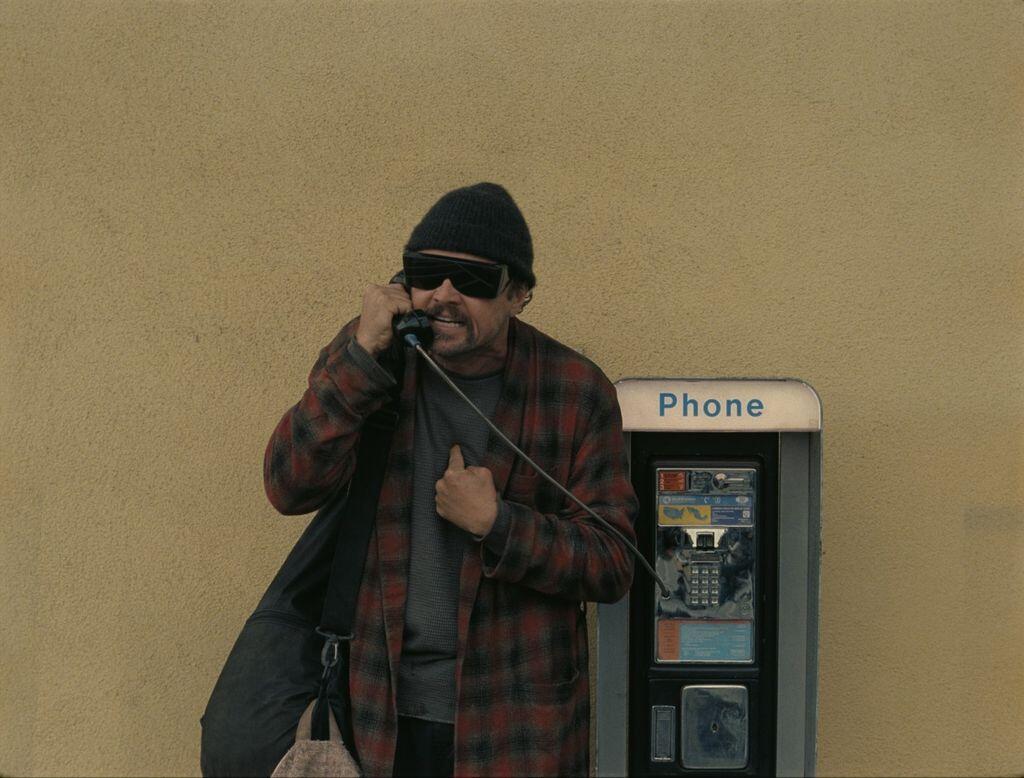
From 'One Battle After Another'
(Photo: Courtesy of Tulip Entertainment)
One Battle After Another excels not for political didacticism, but for its craftsmanship, emotional depth and storytelling. It is a deeply personal reflection of Anderson as a father in a multiracial family, conveying his anxieties about the world his children inherit. The film balances thrilling action with memorable, emotionally resonant moments, making it a work that commands attention and invites repeated viewing.