

More than 350 film industry figures, including actress Natalie Portman and French directors Justine Triet (“Anatomy of a Fall”) and Jacques Audiard (“Emilia Pérez”), have joined an open letter condemning the cultural boycott of Israeli director Nadav Lapid.
The letter comes after Lapid was set to take part in the Marseille International Film Festival, FID Marseille, in July as a jury member. He was forced to withdraw following pressure from pro-Palestinian filmmakers, who threatened to pull their films from the festival if he participated.
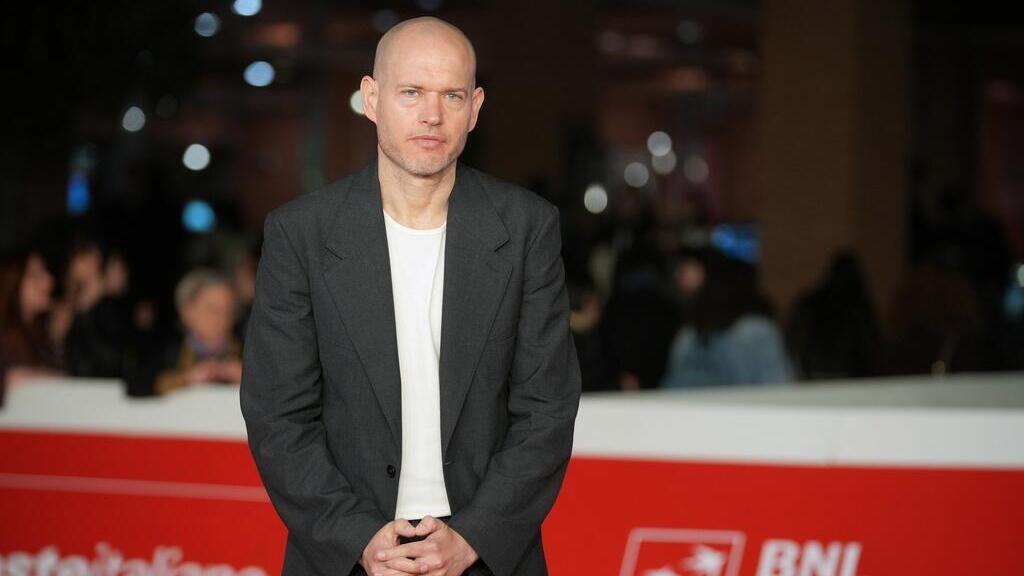
The letter, published Tuesday in the French newspaper Le Monde, was signed by leading figures in the French film industry who called the cultural boycott of Lapid “an intellectual failure.” Signatories include producers Saïd Ben Saïd (“Elle”) and Judith Lou Lévy (“Dahomey”), as well as directors Stéphane Demoustier (“The Great Arch”) and Mati Diop (“Atlantics,” “Dahomey”).
“We should be troubled that one of the most prominent critical voices in Israel, who works tirelessly against his government’s fascist and colonialist tendencies and against its moral failures, through films recognized around the world, was forced to withdraw from a French festival,” the letter said.
“It should also make us understand a simple truth: Whatever crimes a person’s country commits, he must not be reduced to the passport he carries. No one is only his passport.”

Natalie Portman signed the letter
(Photo: CJ Rivera/Invision/AP)
The signatories argued that Lapid, like Russian or Iranian filmmakers who oppose the regimes in their countries, should not be held responsible for “crimes committed by governments of which they are among the harshest critics.” They said continuing to invite such artists to festivals applies greater political pressure on authoritarian regimes than boycotting them.
As an example, they cited Russian director Andrey Zvyagintsev, who won the Grand Prix at the Cannes Film Festival last month for his film “Minotaur” and used the stage to call on Vladimir Putin “to put an end to the massacre” in Ukraine.
Lapid, 50, who has settled in France in recent years, found himself this week under attack from groups calling to boycott Israel. Their demand that he be removed stemmed from the fact that he is Israeli, leading festival organizers, fearing a scandal and the withdrawal of filmmakers from the competition, to ask him to step down. He agreed.
The affair sparked outrage in France’s film community, with journalists and cultural figures calling the move “surrender to antisemitic and racist bullying.”
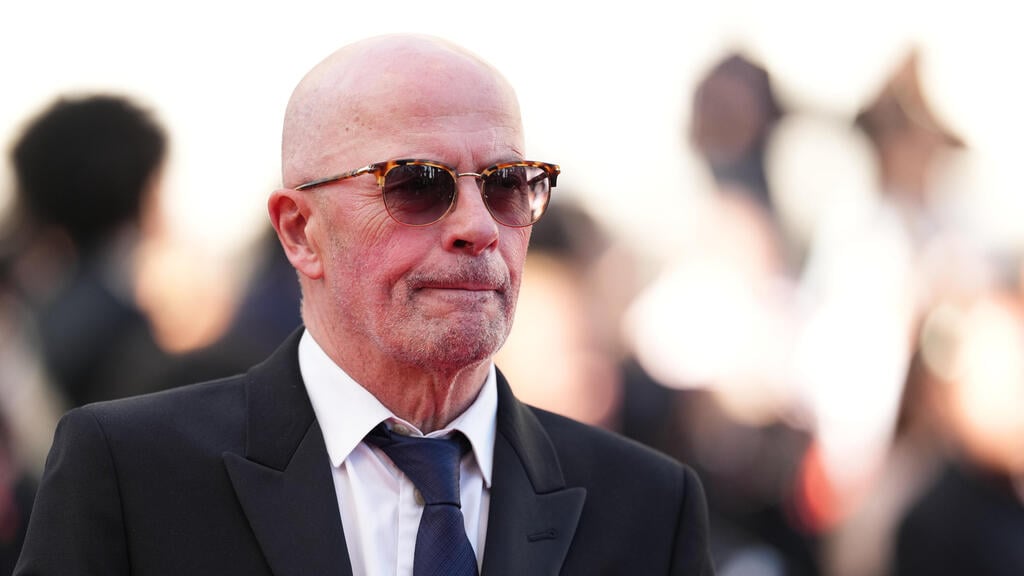
French director Jacques Audiard was one of 350 filmmakers to sign the letter
(Photo: Scott Garfitt/Invision/AP)
Culture Minister Miki Zohar quickly responded to reports of Lapid’s withdrawal. “Nadav Lapid does not understand that Israel-haters do not distinguish between us. No matter how much he tries to please them, they never saw him as one of their own, and to them he will always be a Jew from Israel,” Zohar wrote. “We must hold our heads high with Jewish pride ... No film festival, however prestigious, will break us.”
In a conversation with ynet earlier this week, Lapid rejected the minister’s remarks.
“People like Miki Zohar are trying to convince the public that this is one single bloc of Israel-haters,” he said. “I appreciate Miki Zohar’s solidarity, as he joyfully jumped on this case as if he had found great spoils. But as in any good film, as a viewer he would do well to wait for the ending.”
Lapid also revealed in the interview that the letter of support for him was expected to be published Tuesday in Le Monde.

Director Justine Triet also signed the letter
(Photo: Daniel Cole/AP)
“This expression of solidarity is touching and proves exactly the opposite of Zohar’s claim,” he added. “There are those who want to tell the story of the whole world against us, like Miki Zohar, who does not make a great effort to hide his happiness. It is true that there are people harassing me because I am Israeli, but the lesson for me is different — almost all of French cinema joined this petition, and that puts everything in proportion.”
Lapid, whose latest film “Yes” drew attention and divided criticism over the events of October 7, described the motives of the boycotters as a product of distance.
“In my view, this is the product of fanaticism, a certain ignorance and a purist radical left that is detached from reality,” he said. “Because there are no more Israeli films abroad and they don’t meet Israelis, they look for ways to cause harm when they finally come into contact with one.”