


Jewish characters across film and television continue to play a prominent role in global pop culture, reflecting identity, history and culture across the Diaspora. From sitcoms and prestige dramas to animation and superhero franchises, these portrayals range from deeply traditional to entirely secular — but all highlight different facets of Jewish life beyond Israel. Below is a look at some of the most notable Jewish characters in international productions.
Willow Rosenberg (Buffy the Vampire Slayer)
It is not easy to be a Jewish character in a series where the cross is one of the most effective weapons against vampires. Nor is it simple to sit on the sidelines while others celebrate Christmas. While Willow Rosenberg’s Jewish identity is not heavily emphasized throughout Buffy the Vampire Slayer, there is little doubt she remains one of the most beloved Jewish characters on television.

Portrayed by Alyson Hannigan, Willow undergoes one of the most compelling transformations in the series. She begins as an awkward, academically driven teenager, later comes out as a lesbian and ultimately becomes a powerful witch with dark abilities that, at times, threaten the world itself. Smart, talented and complex, she is both relatable and deeply memorable.
Magneto (X-Men)
In comic book history — and arguably in all of popular culture — few characters are as explicitly Jewish as Erik Lehnsherr, better known as Magneto. As a child, he was forced into labor at Auschwitz after his family was killed, an experience that shaped his worldview and ideology.

(Photo: yes)
His friendship with Charles Xavier — later the leader of the X-Men — evolves into a deep ideological divide. Xavier believes in coexistence between mutants and humans, while Magneto often frames their relationship as a racial conflict in which only one side can survive. In some comic storylines, the two meet at a rehabilitation center for Holocaust survivors in Haifa.
Magneto is also notable because, unlike many Jewish characters, he is not portrayed primarily as a victim. In X-Men: First Class, for example, he hunts down Nazis after World War II to avenge his family. His trauma drives him toward a singular goal: survival and revenge at any cost, even if innocent people are harmed.
Larry Gopnik (A Serious Man)
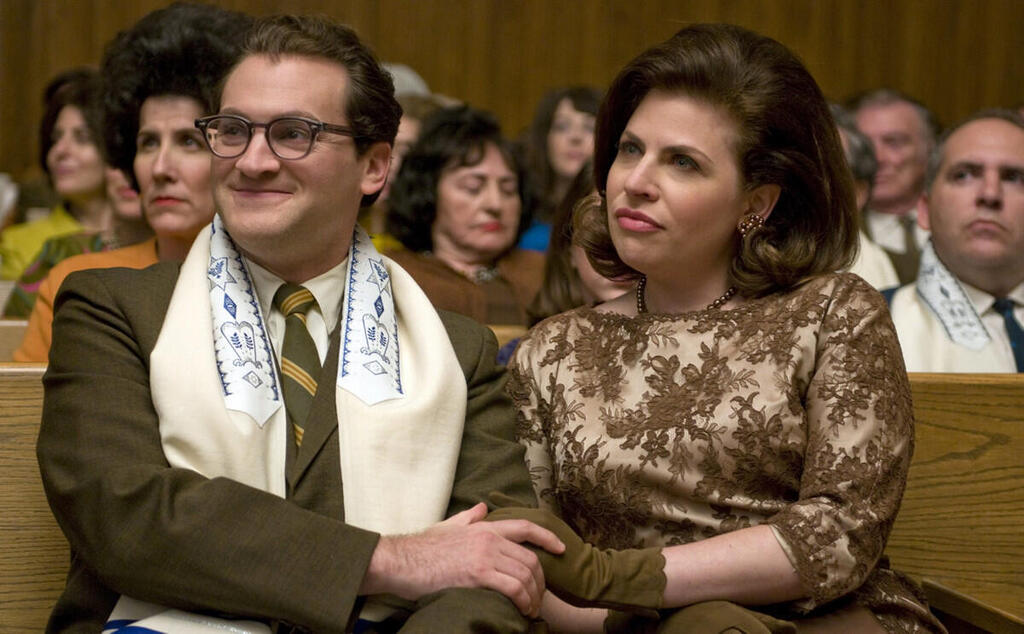
Larry Gopnik, played by Michael Stuhlbarg, is at the center of the Coen brothers’ A Serious Man. The Hebrew title of the film arguably captures his essence better: a “good Jew” — or at least someone striving to meet that ideal.
(Photo: yes)
He has everything expected of him: a job, a family, a community. Yet the film suggests that being a “good Jew” guarantees nothing. As his life begins to fall apart in a series of seemingly random misfortunes, no divine intervention arrives and no rabbi offers clear guidance.
The film explores themes of faith, suffering and uncertainty, raising questions about divine justice and whether meaning exists at all. The message echoes a well-known idea in Jewish thought: faith does not ensure protection from hardship.
Shoshanna Shapiro (Girls)
Shoshanna Shapiro, from HBO’s Girls, is one of the standout characters of the series. Despite her youth and initially naive personality, she resonates with audiences as someone who often makes more sense than those around her.

(Photo: Craig Blankenhorn)
Over six seasons, she undergoes a meaningful transformation. While other characters spiral, Shoshanna grows, eventually realizing she does not need the toxic relationships surrounding her. Her journey reflects independence and self-awareness, marking her as one of the few characters to truly evolve.
Francine Frensky (Arthur)
Francine Frensky, from the animated series Arthur, is one of the earliest Jewish representations many viewers encounter. While the exact animal she represents is unclear, her Jewish identity is unmistakable.

(Photo: PBS)
She celebrates Jewish holidays, attends a cousin’s bar mitzvah and even attempts to fast on Yom Kippur. Importantly, her Judaism is neither hidden nor exaggerated — it is simply part of who she is.
Francine is athletic, competitive and does not fit traditional stereotypes. Her identity is cultural as much as religious, reflecting a secular yet connected approach to Judaism familiar to many in the Diaspora.
Ben Gross (Never Have I Ever)
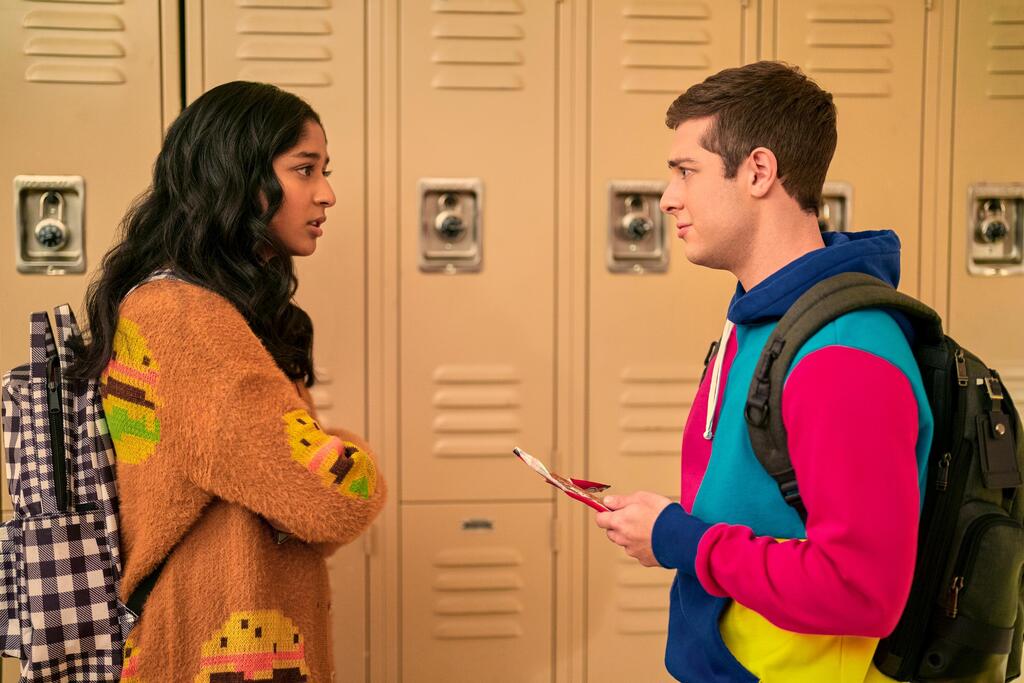
Ben Gross initially appears as a near-caricature of a Jewish-American overachiever: wealthy, arrogant and intensely competitive. His rivalry with the show’s protagonist reflects broader tensions experienced by high-achieving minority students.
(Photo: LARA SOLANKI/NETFLIX)
However, as the series progresses, his character deepens. Beneath the arrogance lies loneliness, vulnerability and a strong sense of empathy. His development is one of the most nuanced in the series, moving beyond stereotypes into something far more human.
Dr. Michael 'Robby' Robinavitch (The Pitt)
In The Pitt, Noah Wyle delivers a powerful performance as Dr. Robby Robinavitch. In a pivotal episode, his character breaks down during a mass-casualty event, clutching a Star of David necklace and reciting the Shema prayer.

(Photo: HBO MAX)
This moment becomes a turning point. He is able to regain composure and return to treating patients only after reconnecting with the idea of tikkun olam — repairing the world — a central concept in Jewish thought.
His Jewish identity is not simplistic; he is not particularly religious and has a complicated relationship with faith. Yet it remains a core part of who he is.
Rabbi Noah Roklov (Nobody Wants This)
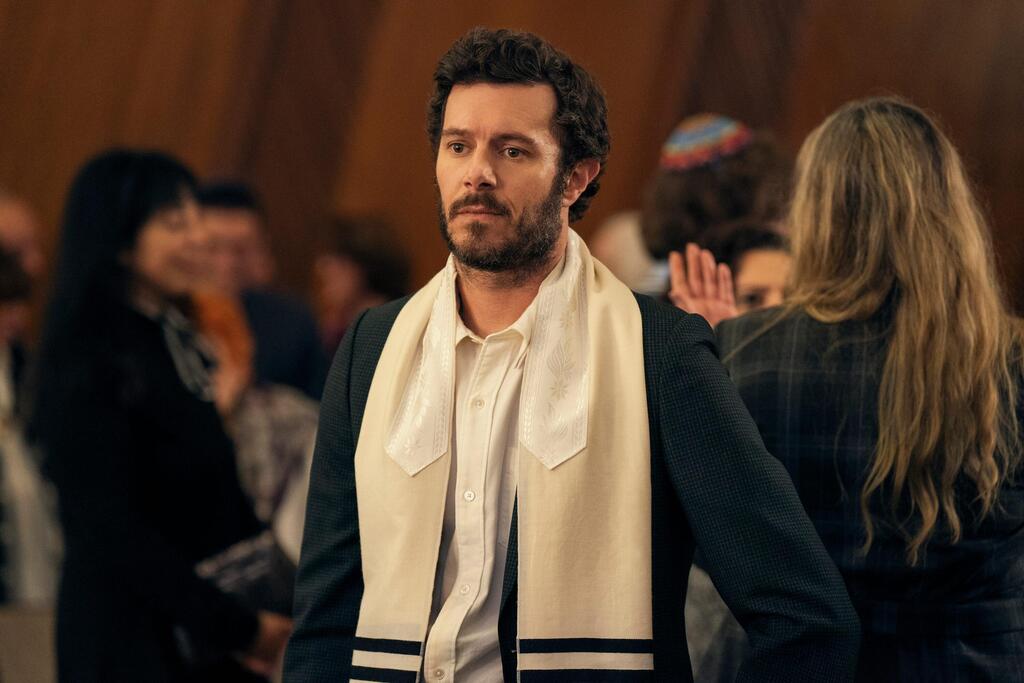
Rabbi Noah Roklov represents a version of Jewish leadership more familiar in liberal American communities than in Israel. He is modern, charismatic and deeply engaged with contemporary life.
(Photo: Netflix)
His central conflict revolves around a relationship with a non-Jewish woman, raising questions about identity, tradition and belonging. While the series has comedic elements, it touches on real dilemmas faced by many Jews in the Diaspora.
Rachel Berry (Glee)
Rachel Berry, played by Lea Michele, is defined by ambition, confidence and what some might call chutzpah. She openly identifies as Jewish and embraces her background.

(Photo: yes)
At one point, she considers changing her appearance to fit in but ultimately rejects that idea, inspired by Barbra Streisand. Her journey reflects self-acceptance and determination, even when she is perceived as difficult or overly driven.
Jerry Seinfeld (Seinfeld)
Jerry Seinfeld’s character reflects a distinctly Jewish comedic perspective. His humor — often centered on minor frustrations — aligns with a tradition of observational comedy rooted in everyday life.

(Photo: yes)
Seinfeld has described his approach as “complaint-based comedy,” suggesting that Jewish identity, for him, is less about religion and more about mindset.
Larry David (Curb Your Enthusiasm)
Larry David takes that sensibility further, using his persona to explore uncomfortable truths about society. Through Curb Your Enthusiasm, he addresses sensitive topics — including Jewish identity — with blunt and often provocative humor.
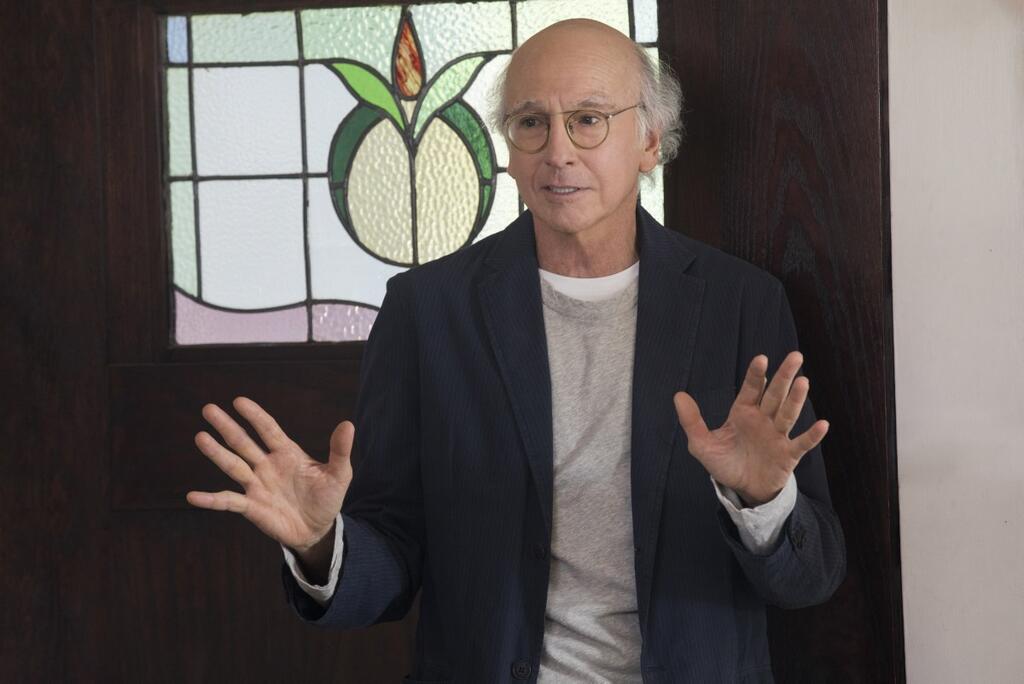
His willingness to cross boundaries has made him both controversial and influential, reflecting a uniquely Jewish comedic tradition of questioning norms.
Toby Ziegler (The West Wing)
Toby Ziegler, a senior adviser in The West Wing, embodies a particular archetype: the intellectual, principled and often stubborn Jewish political figure.
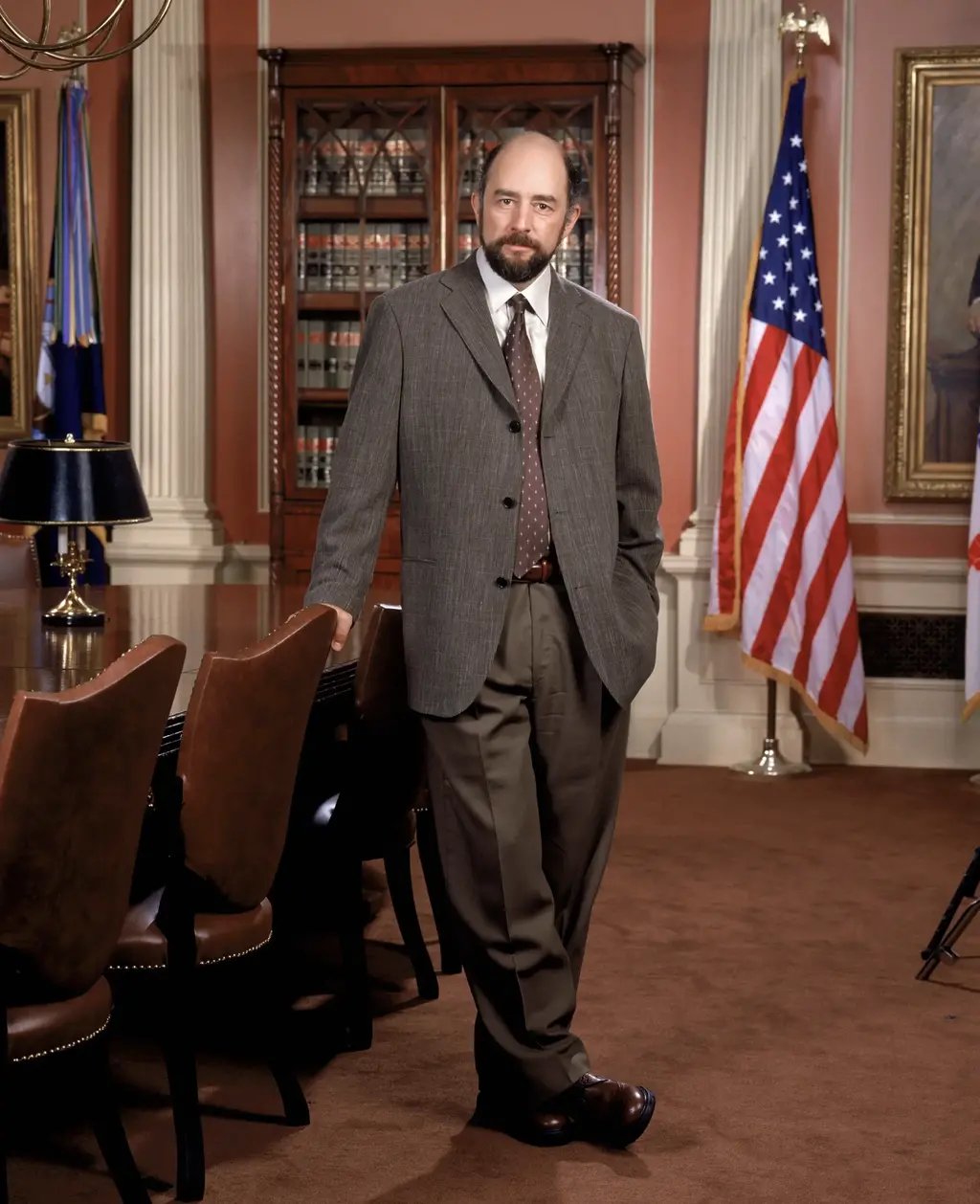
(Photo: NBC)
Behind his abrasive personality lies a complex background, including ties to organized crime through his father. His character reflects broader themes of morality, identity and the role of Jews in American public life.
Saul Berenson (Homeland)
Saul Berenson, played by Mandy Patinkin, is one of the most prominent Jewish characters in modern television. As a senior intelligence official, his decisions are shaped in part by his identity and background.
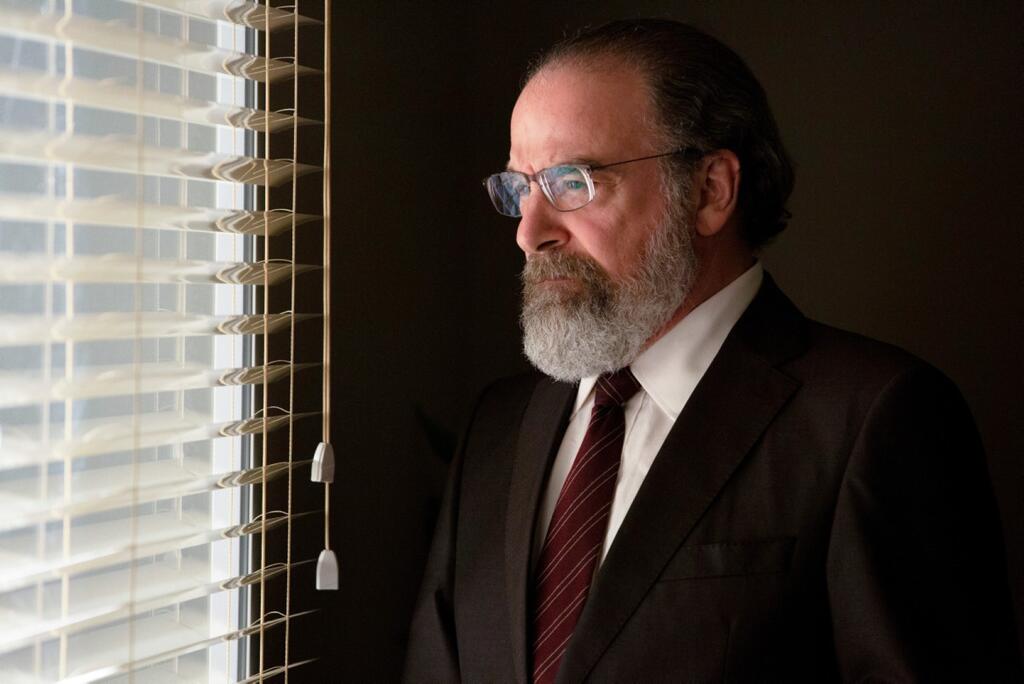
(Photo: Sifeddine Elamine/SHOWTIME)
The series explicitly portrays his Jewish life, including religious rituals and references to family history tied to the Holocaust. It also explores tensions surrounding Jewish identity in American politics, including questions of loyalty and perception.