

A long-term Harvard University study that has been running for more than 80 years found that children who regularly helped with household chores developed higher self-esteem, assertiveness, a strong work ethic and empathy. As adults, they tended to be more successful in their careers, relationships and personal lives. They did not receive prizes or pocket money for it. They were simply part of the system.
“Clean your room and you’ll get my phone.” “Help me fold the laundry and we’ll go for ice cream.” Sound familiar? These kinds of deals work well in the short term, but do they really serve what we want to achieve as parents? Think about it. In the adult world, no one pays us to take out the trash or tidy our own homes. So why teach our kids something different?

Parenting is not project management. It is a long-term process of passing on values, building mutual trust, teaching responsibility and turning the home into a shared space. When we reward kids for cleaning their rooms, we send the message that chores are not a natural part of daily life but a negotiation. That lowers their intrinsic motivation and creates dependence on external rewards.
Children are not born with a natural “housekeeping” instinct, and they are not expected to know how to contribute on their own. Even if we serve as perfect examples; folding laundry, cleaning floors or cooking meals, it is not enough. Watching us is important, but it does not necessarily teach them when or how to take responsibility themselves.
In homes marked by chaos or neglect, children may learn the importance of caring for their surroundings by seeing what happens when no one does. But that is not the price we want to pay to teach them that lesson.
It’s OK if they don’t want to
It is fine that they do not want to help sometimes. The truth is, we adults also do not always feel like it, but we still do it. We do it because we understand why it matters, what happens if we do not, and because it is our responsibility. The feeling of “I don’t feel like it” is natural, and recognizing it helps us guide children to practice doing something even when they are not in the mood.

'I don’t feel like it’s a reasonable thing to say'
(Photo: Shutterstock)
Like adults, children have rights and responsibilities. They are not just guests at home, they are part of it. Clearing the table or hanging a towel is not a favor, it is participation. They are not doing us a favor; they are contributing to what belongs to all of us.
We are not looking for workers who follow orders but for family members who have a place, a role and a voice. And just as everyone is expected to contribute, everyone also deserves recognition. It is important to pause sometimes and say thank you, not manipulatively, but sincerely. Because their effort matters.
That sense of being needed and valued not only strengthens their willingness to take part but also shapes their identity within the family.
How to make it work
One of the most effective ways to help children take responsibility is to offer choice instead of pressure. Instead of saying, “Go do this now,” ask, “Which task would you like to take on?” When children are given the chance to choose, even from a limited list within a clear timeframe, they feel a sense of control. They are not being ordered around; they are partners with meaningful roles.
We are not looking for workers who follow orders but for family members who have a place, a role and a voice. And just as everyone is expected to contribute, everyone also deserves recognition. It is important to pause sometimes and say thank you, not manipulatively, but sincerely. Because their effort matters.
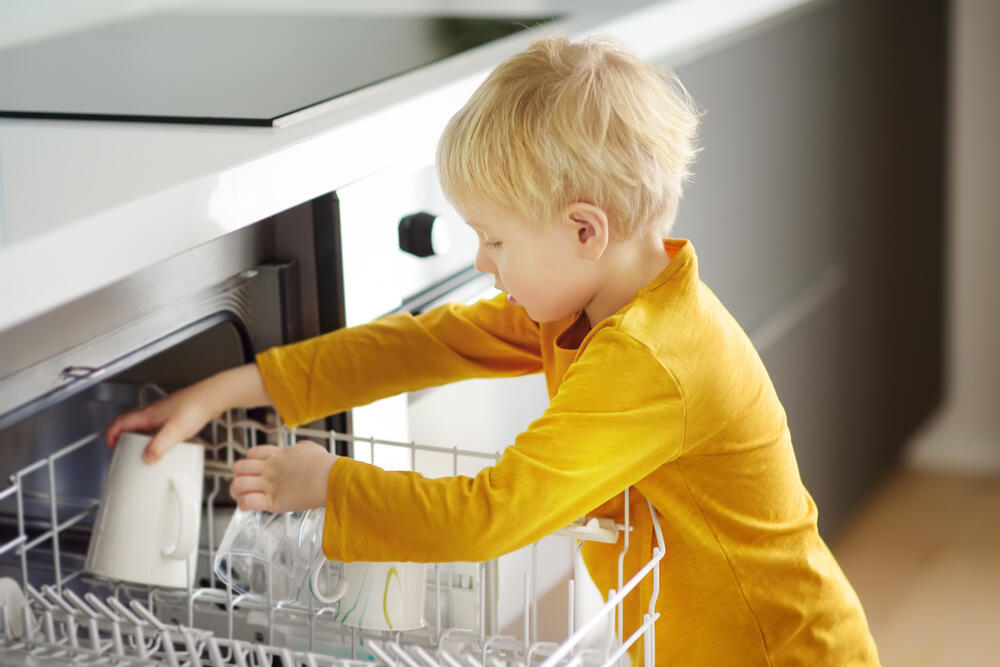
A partner with a meaningful role
(Photo: Shutterstock)
There is no need for stickers or prizes every time a room gets cleaned. What matters is understanding the value behind the task. For example: “When you tidy your room, you are taking care of your space, just like I take care of mine.” That is far more meaningful than a promise of ice cream.
Most importantly, do not turn every refusal into a battle. Do not get emotional about every “I don’t want to.” Stay calm, consistent and matter-of-fact.
'If I don’t pay her, she won’t do it'
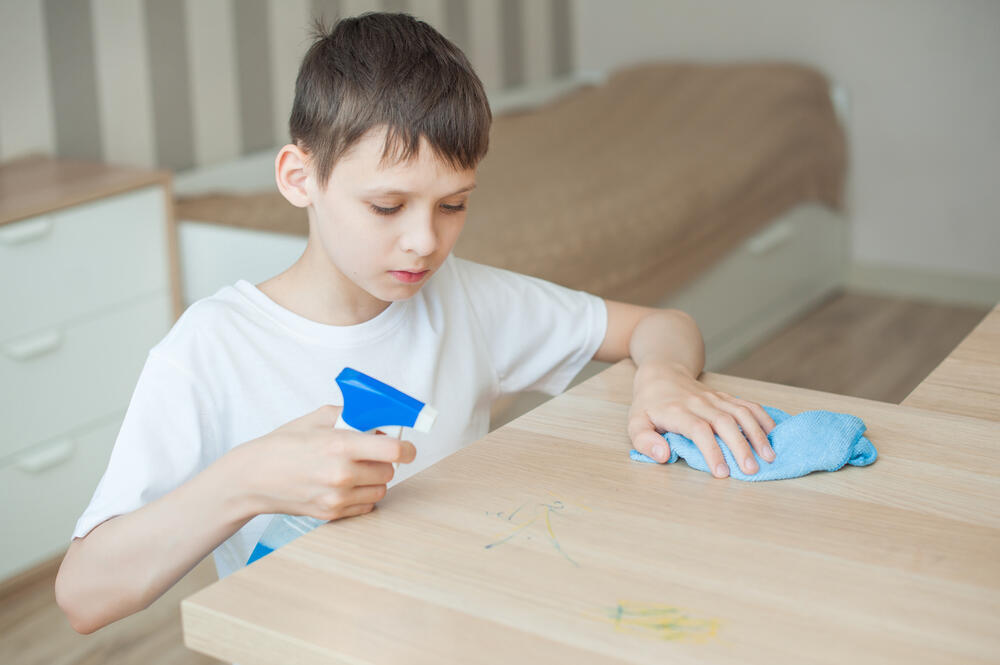
That is a sign that something got lost in translation. Household chores are not paid services; they are expressions of belonging and participation. They are not projects that earn wages but natural responsibilities of people who share a home.
When we reward children for things that are already expected of them, we blur the line between responsibility and compensation, between partnership and transaction.
If we truly want to teach children how to earn money, that lesson should not come from making their beds or unloading the dishwasher. It should come from recognizing needs, taking initiative and creating value beyond what is required. In the real world, people are not paid simply for showing up but for the value they contribute.
(Photo: Shutterstock)
That is the distinction we should nurture at home: expectations are not payments, and creating value is an opportunity to earn. Pocket money should not be a reward for chores but a tool for learning financial independence.
Why it matters
When we pay children for tasks they are already expected to do, we lose an important opportunity to teach commitment, cooperation and contribution without reward. Teaching responsibility and value creation is not just about raising children. It is about preparing people for life.
We do not want to raise clients. We want to raise family members who participate. And when that shift happens, when children understand they are working with us, not for us, the home changes. There are fewer struggles, more understanding, less reliance on rewards and a stronger sense of shared responsibility.
- Adi Alouf is a parenting coach and organizational consultant