

Eight years after delivering one of the defining speeches of the #MeToo era at the Cannes Film Festival, Italian actress and filmmaker Asia Argento says she never expected to return to the French Riviera.
The closing ceremony of the 71st Cannes Film Festival in 2018 will be remembered for a dramatic, chilling and emotional moment.
Asia Argento delivers an explosive speech at the closing ceremony of the 2018 Cannes Film Festival


Just before presenting the award for best actress, Argento took the stage and delivered an explosive speech.
"In 1997, I was raped by Harvey Weinstein here at Cannes. I was 21 years old," she said. " This festival was his hunting ground. I want to make a prediction: Harvey Weinstein will never be welcomed here ever again. He will live in disgrace, shunned by a film community that once embraced him and covered up for his crimes."
Argento continued: "And even tonight, sitting among you, there are those who still have to be held accountable for their conduct against women for behavior that does not belong... in this industry."
"You know who you are," she said. "But more importantly, we know who you are. And we're not going to allow you to get away with it any longer."
Argento ended her remarks with a raised fist and a triumphant expression that conveyed both courage and defiance.
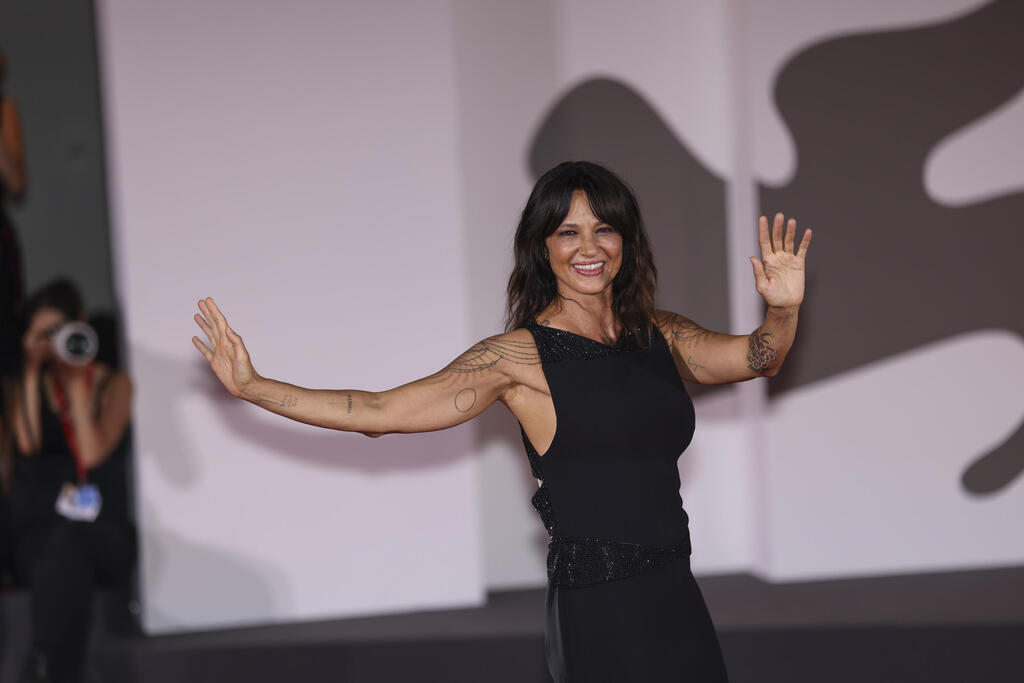
The audience inside the theater was stunned, while viewers watching the live broadcast around the world reacted strongly. Argento overshadowed the evening's winners, and her speech quickly made headlines globally, becoming one of the defining moments of the #MeToo movement.
In an interview with The New Yorker, Argento later described how Weinstein sexually assaulted her in his hotel room after she agreed to give him a massage, pulling her skirt up, forcing her legs apart and performing oral sex on her as she repeatedly told him to stop. "He terrified me, and he was so big," she said. "It wouldn't stop. It was a nightmare."
Eight years later, Argento's prediction has largely come true. Weinstein is disgraced, imprisoned and no longer welcome at Cannes, which had once served as his second home and, according to many accusers, his hunting ground.
Months after her speech, however, Argento became embroiled in controversy of her own. California authorities reviewed allegations that she sexually assaulted actor and musician Jimmy Bennett in a hotel room in 2013 when he was 17. The two had previously appeared together in a film.
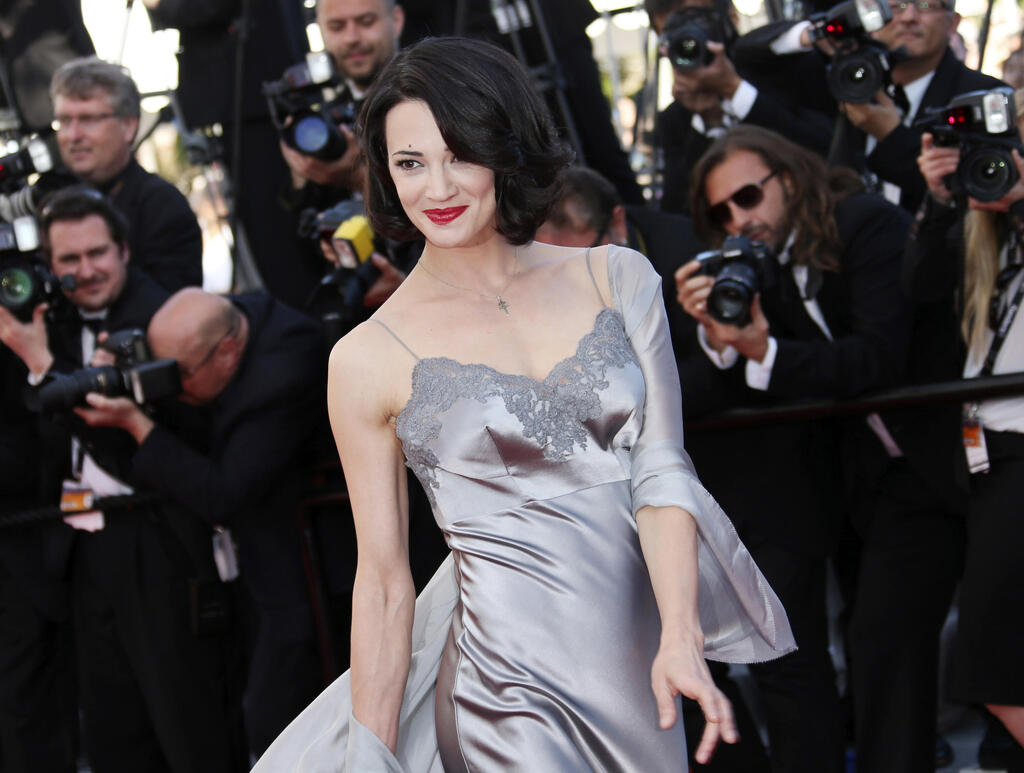
Asia Argento
(Photo: Joel Ryan/AP)
Bennett later claimed Argento paid him money in exchange for his silence. Argento denied the allegations and accused Bennett of attempting to extort her. In a letter published online in September 2018, Argento's attorney acknowledged that a sexual encounter had taken place but claimed Bennett had initiated it. Amid the controversy, Argento was removed from her role as a judge on the Italian version of "The X Factor."
In the years since, Argento — who has also worked as a musician, model and director — continued her career but did not return to Cannes.
That changed last month at the 79th Cannes Film Festival, where she arrived with a new film, Death Has No Master, a psychological horror thriller in which she stars. The film, about a woman returning to Venezuela to sell her late father's cocoa plantations, screened in the prestigious Directors' Fortnight sidebar section.
"I thought I would never be welcome here again," Argento told ynet in an interview at a fashionable beachfront restaurant in Cannes.
Why?
"Google it," she said with a laugh.
"I thought they would never invite me back after my speech. Since that speech, I hadn't been invited to return. Fortunately, that changed."
"It's very emotional for me to come back. It feels wonderful. I feel like I'm coming to Cannes for the first time. Just returning is already a huge achievement, and I'm grateful to be here with a great film that I believe in."
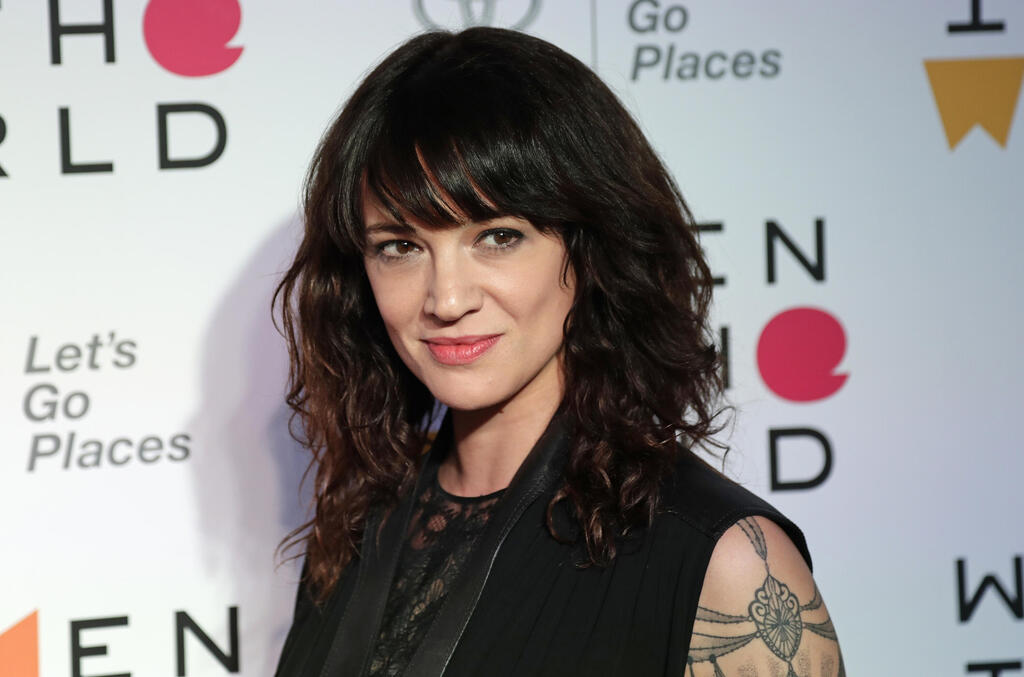
Asia Argento
(Photo: Frank Franklin II/AP)
Argento said she appreciated returning under less pressure than in previous years. "My return after years away is happening under much less stressful circumstances, in a sidebar section without a red carpet," she said. "The creative side was never difficult for me. What was always hard was everything unrelated to the work itself — looking good, questions like 'Who are you wearing?' Those things never interested me and required a lot of effort over the years."
'I made a kamikaze move'
Eight years have passed since your iconic speech. Do you think the #MeToo movement succeeded?
"I think I made a kamikaze move. But the first to die is always the kamikaze pilot. Did the movement succeed? I don't know. But many more films are being made by women now. There are more films telling interesting stories about women with much richer female characters. Those things barely existed before. The change has been enormous."
Argento turned 50 last September.
How did you celebrate?
"I went to hot springs in Italy with my children. That was my birthday party."
How did turning 50 feel?
"Exactly like the day before. But over the past year, I let go of many ideas about controlling my image — how a woman is supposed to look, how people are supposed to think about me and many notions I absorbed growing up about what it means to be a woman in this industry. I've freed myself from many of those expectations. I feel much more comfortable in my body, much calmer. In the past, I was very aggressive, but today I don't feel the need to protect myself so much. An aggressive person is someone living in fight-or-flight mode, someone who constantly fears being attacked. Personally, I've improved in that respect."
Argento said she has no intention of undergoing plastic surgery. "I don't want to become one of those faces you can't recognize," she said. "My appearance is natural."
Now that you're 50, has your approach to roles changed?
"I don't take the physical roles I used to take because I wouldn't feel comfortable with them today, but I'm glad I did them when I was young. I used to be fearless. Today I'm more restrained."
At the same time, Argento said she still prefers daring independent films over commercial productions. "But let's be clear," she added with a laugh. "I'm not running away from money. I love money. Give me the money. I've always felt more at home in independent cinema. That's my heritage."
'I was very shy, lonely and strange — and people hated me'
For years, Argento was one of the most outspoken and rebellious figures in independent American and European cinema.
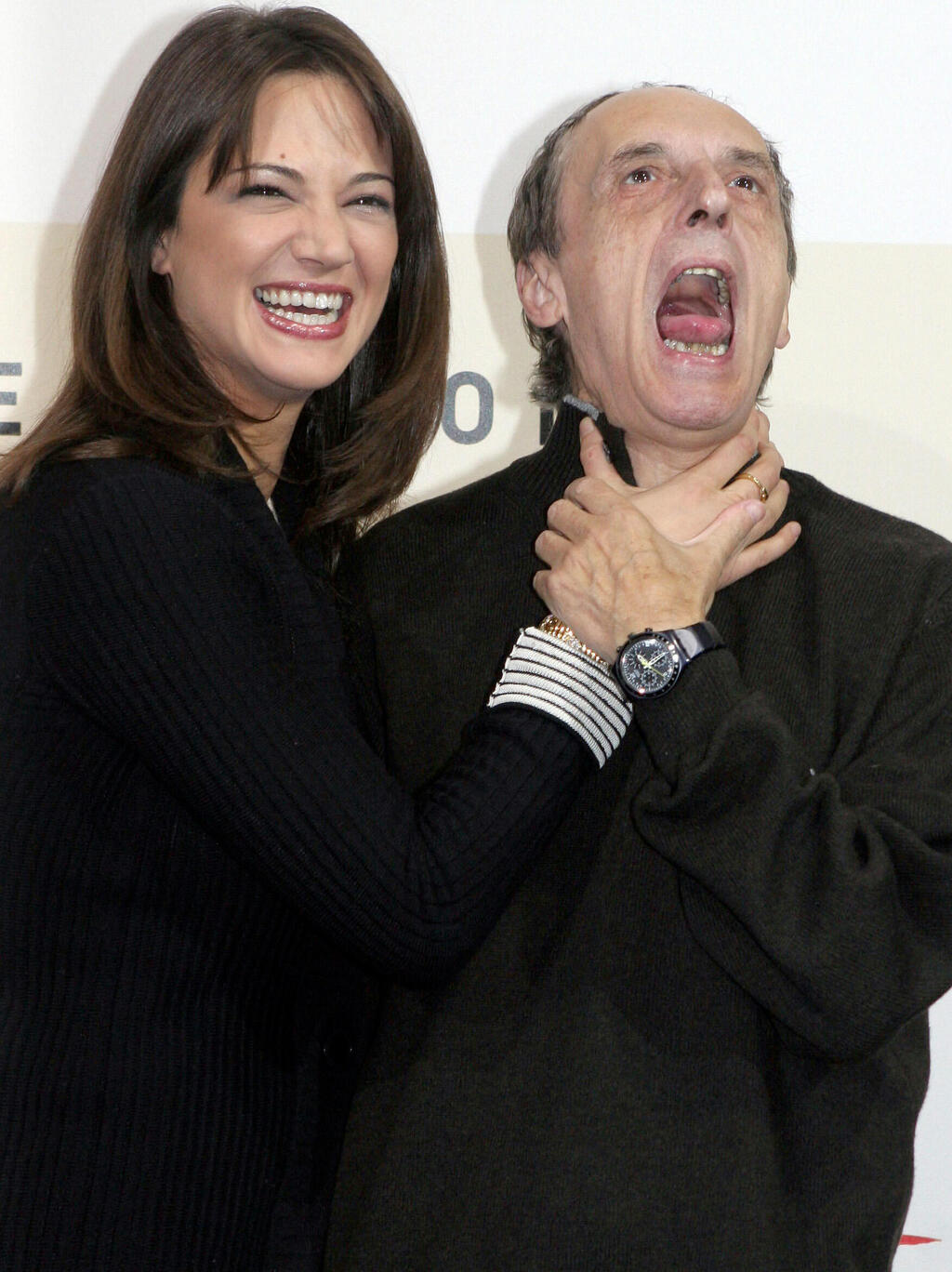
Asia Argento and her father Dario Argento
(Photo: Sandro Pace/AP)
She also comes from film royalty. Her father, Dario Argento, is the acclaimed cult director known for horror and thriller classics including The Bird with the Crystal Plumage, Suspiria, Deep Red, Phenomena, Trauma and Inferno. He is closely associated with the giallo genre that flourished in the 1970s. Her mother was actress Daria Nicolodi, who died in 2020.
"When I was a child, my father didn't take me to the set," Argento said. "Who wants a crying child on set? He started taking me when I was around 10."
Argento said she never had a normal childhood. "So I don't really know what I missed," she said.
As a teenager, she became rebellious and troubled and ran away from home at 14. "Movies saved my life, and that's why I'm grateful I started working at a young age," she said. "I was very shy, lonely and strange, and people hated me. If I hadn't found a place in the world of cinema, I don't know what would have become of me."
"My father says that without cinema I probably would have joined an underground group like the Red Brigades."
Argento first worked under her father's direction at age 18 in Trauma (1993). They later collaborated on films including The Stendhal Syndrome, which sparked controversy because of its graphic rape scenes, The Phantom of the Opera and Mother of Tears.
Even in his 80s, Dario Argento remains active. In 2022, he directed Dark Glasses, again casting his daughter.
"In our private lives, we don't talk about problems or dark sides," Argento said. "Movies allowed me and my parents to deal with those things and express emotions. For us, it's almost a psychodrama. My father expresses the dark side of his personality and his subconscious through his films."
'It's not a burden — it's your DNA'
Now 50 and with an established career of her own, Argento said she still feels the weight of her father's legacy.
"That feeling is still there, and I still feel enormous pressure to be worthy of this legacy and the name of this genius director," she said. "It's not a shadow and it's not a burden. It's simply your DNA."
Throughout her career, Argento often portrayed sensual, seductive and troubled women.
In a previous interview, she said she had little interest in "bourgeois cinema," preferring filmmakers with distinctive voices and roles that allowed her to express her personality, including her sexuality. That openness extended to explicit roles, including a masturbation scene in the 2007 film Boarding Gate.
"It wasn't difficult to masturbate," she said at the time. "I can do that easily, every day."
Argento also worked in Hollywood, appearing in xXx alongside Vin Diesel, George Romero's Land of the Dead and Sofia Coppola's Marie Antoinette. She later alleged that xXx director Rob Cohen sexually assaulted her.
'Maybe I was canceled'
How is your relationship with Hollywood today?
"I have no relationship with Hollywood."
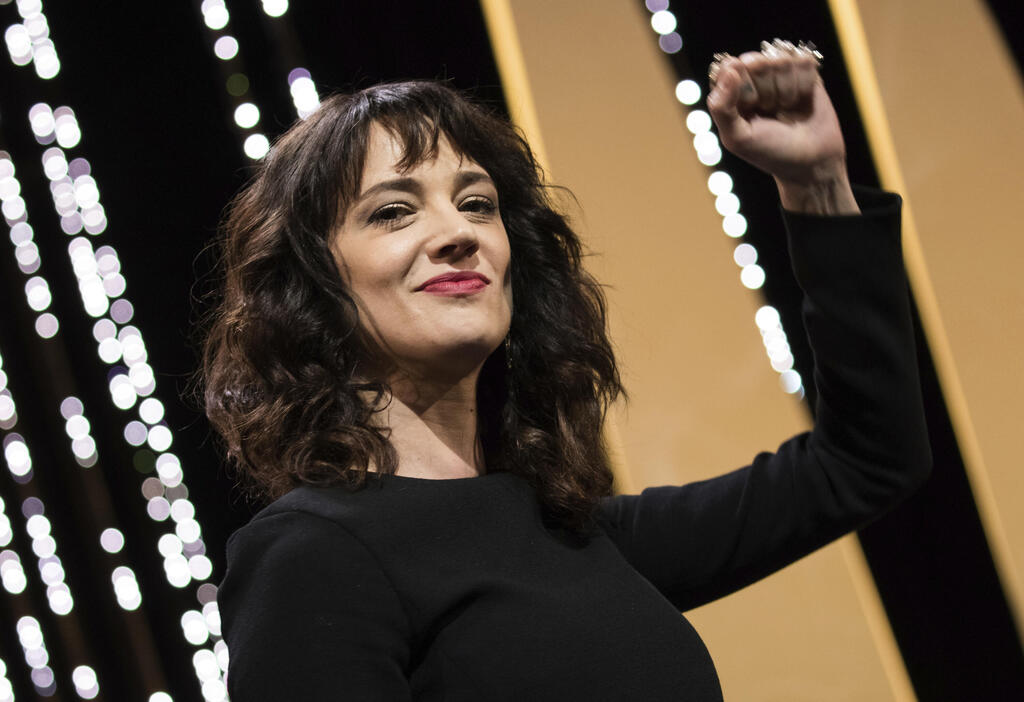
Asia Argento
(Photo: Vianney Le Caer/Invision/AP)
How did that happen?
"I don't know. They just don't call me anymore. Maybe because of cancel culture. Maybe I was canceled. Fortunately, I'm European, so it doesn't really matter. I live day by day. I'm simply not particularly suited for commercial films and comedies. That's not really my style."
But you did action movies.
"Yes, and I loved them. That doesn't mean commercial films are bad. But some of them are simply terrible and have ridiculous dialogue. When I receive a script, I ask whether it's right for me."
Argento said she has also felt underappreciated in Italy. "I understand that I'm difficult to cast because I never really connected with the Italian milieu," she said. "It's not snobbery. I'm terribly shy. When I was younger, I created a character to protect myself — a superhero figure who looked strong and sexy and helped me survive life. In Italy, I became a rather frightening figure. Italian directors didn't know what to do with me. But things are changing. Maybe I'm opening up and becoming less intimidating than I once was."
She said that openness led her to Death Has No Master, for which she learned Spanish and filmed in Venezuela. "I've always found unstable and crazy characters more interesting to play," she said.
'I've never felt safer than I did in Venezuela'
The film was shot shortly before U.S. forces entered Caracas and removed Venezuelan President Nicolás Maduro from power. "Before I traveled to Venezuela, everyone warned me," Argento said. "If you Google Venezuela, you see: 'The most violent place in the world! Beware of gangs and drugs!' And I've never felt safer than I did in Venezuela. I swear. I walked alone at night and nobody bothered me. No man tried anything. I saw no violence and no drugs."
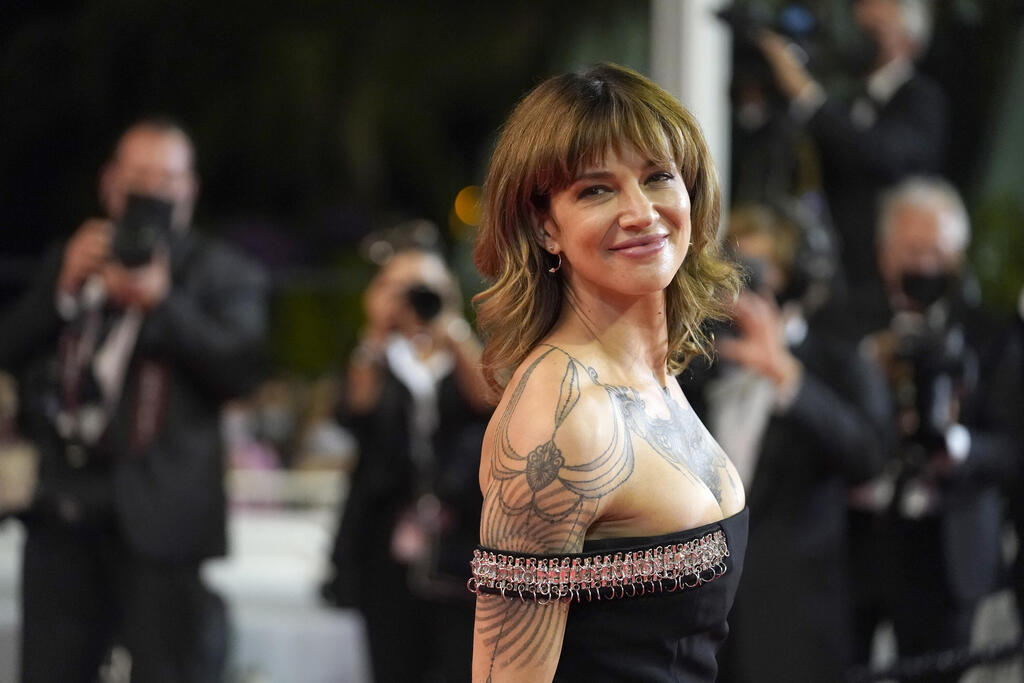
Asia Argento
(Photo: AP)
She acknowledged that such problems may exist but said they were not part of her personal experience. "Venezuela is unreal — so rich and so poor, chaotic, deeply spiritual," she said. "It has everything: happiness and sadness, incredible energy. The people and the nature are extraordinary."
During filming, she said there were fears of an American incursion by sea. "We were filming at the port, so there was real chaos hanging over us. A few months after we left, there was an attack."
What did you think about it?
"Politically, these things are complicated and delicate. It's not my place to judge. That's for the people who live there. I'm not a politician. I'm not stupid enough to become a politician," she said with a laugh. "I could never be a good politician because I don't know how to lie."
'Give me the money'
Argento's career has extended beyond acting. She has written short stories, directed films, worked as a DJ and directed music videos, including Marilyn Manson's controversial s(AINT), which was banned by MTV. "Marilyn never expected the video to air," she said. "He wanted it to become a cult object."
In recent years, she said, she has devoted most of her energy to acting. "I've been acting since I was nine, and that's what I've nurtured the most," she said. "When I'm on a set, my entire body calms down and I feel I'm where I belong."
Her personal life has been equally turbulent. She was engaged at various times to filmmaker Vincent Gallo and actor Michael Pitt and later dated actor Jonathan Rhys Meyers.
Argento has two children: daughter Anna Lou, named after her sister who died in a motorcycle accident in 1994, and an 18-year-old son from her marriage to director Michele Civetta.
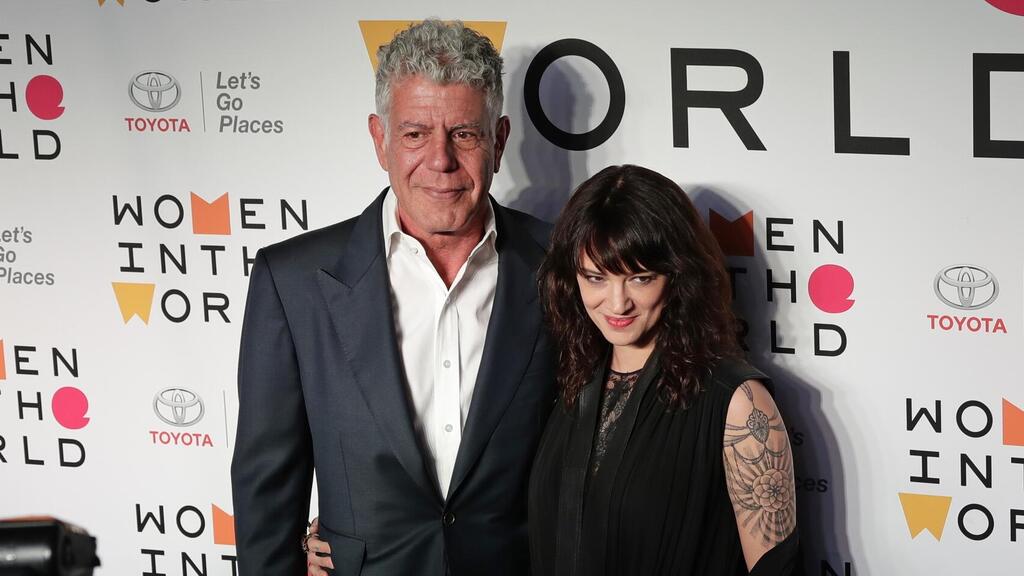
Anthony Bourdain and Argento
(Photo: Frank Franklin II/AP)
She also had a relationship with celebrity chef Anthony Bourdain, who strongly supported her after she publicly accused Weinstein. Bourdain died by suicide in 2018, shortly after the couple separated.
After years of travel, Argento now lives outside Rome. "I live in my apartment with my dog and my plants," she said. "That's where I feel at home. I rarely go out and almost never go into the city center."
'Human beings are just animals'
At 50, Argento said she has developed her own philosophy about human nature. "We human beings are just animals," she said. "You see it whenever someone dies and leaves money behind. The heirs behave like animals and are willing to kill each other over inheritance. Money corrupts everything. Money means power."
She compared humans to monkeys competing for dominance and cited Sigmund Freud's ideas about civilization restraining humanity's instincts. "Without social rules, without principles like 'love your neighbor,' we would become extinct," she said. "We pretend to be orderly, like trees planted in rows, but in reality we're completely wild. That's our true nature. Fortunately society has domesticated us. Otherwise we would kill each other for power and money."
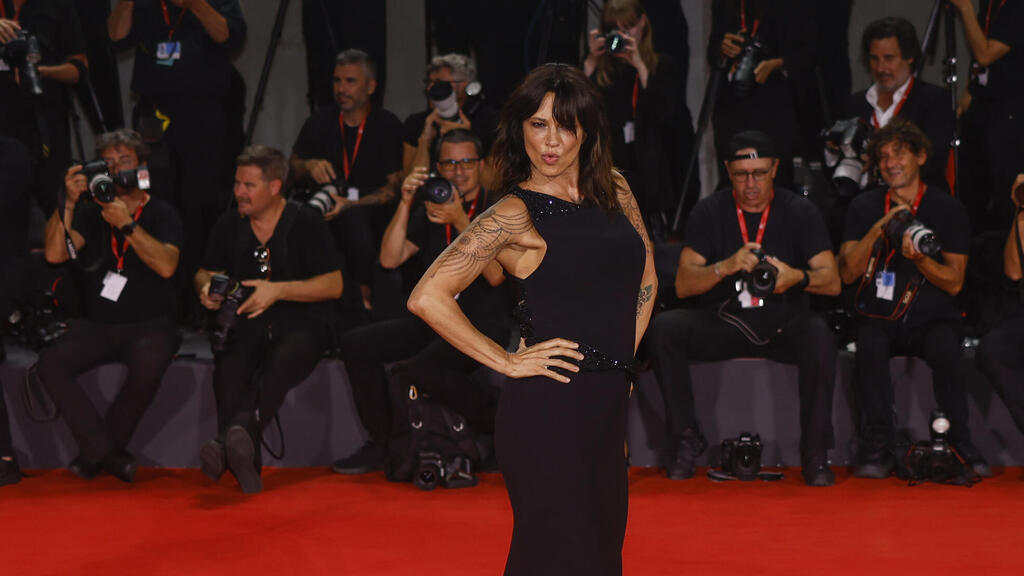
Asia Argento
(Photo: Vianney Le Caer/Invision/AP)
She said her role in Death Has No Master forced her to acknowledge her own instincts. "I had to accept that there is also a wild animal inside me," she said.
Nearly 20 years ago, in one of her first interviews with this reporter, Argento said: "I'm afraid of nothing except ants."
Back then, she seemed untamed.
Are you still like that?
"No, but I still have a heart. Today, it's domesticated."
First published: 15:41, 06.11.26