

If we had to explain to someone who had been absent from planet Earth what happened to Western culture in the first decade of the millennium, Netflix’s new documentary about America’s Next Top Model would be an excellent place to start.
Douglas Adams once wrote that the history of every galactic civilization passes through three stages: survival, inquiry and sophistication, or as he put it, “How can we eat?”, “Why do we eat?” and “Where shall we have lunch?” Tyra Banks, with America’s Next Top Model, managed to add a fourth stage: “How do we starve young girls while screaming at them that they’re disappointing us?”
Netflix’s documentary, Reality Check: Inside America's Next Top Model, is essentially an autopsy of an entire genre. The unsettling realization it delivers is that in the early 2000s, we were all complicit in a crime against humanity — an ugly offense packaged in Tyra Banks’ ego, or in her own words: “It was horrible, and you demanded it.”
This was a reality show that purported to expose the inner workings of the fashion industry, but in practice tried to sell us “female empowerment” in what now looks unmistakably like raw material for a trial in The Hague.
The Israeli creators, Mor Loushy and Daniel Sivan (American Manhunt: Osama bin Laden, The Oslo Diaries), seat Banks before the camera along with her production partner, Ken Mok, and her three panelists — J. Alexander (aka Miss J), photographer Nigel Barker and Jay Manuel. They also weave in recent testimony from numerous former contestants alongside archival footage.
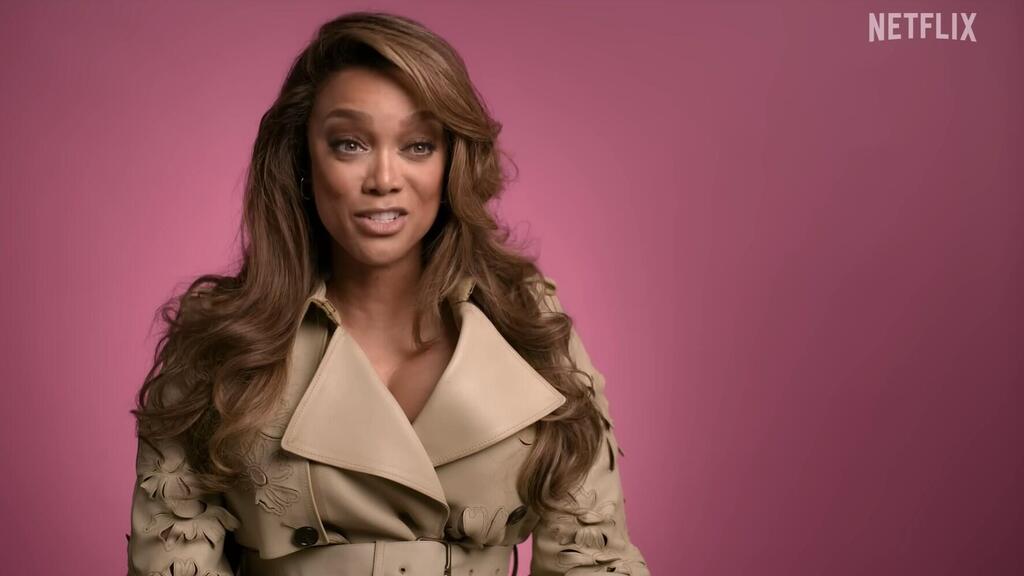
Over the course of three lengthy episodes — which could have been trimmed to a 90-minute film and no one would have complained — the nostalgic viewer gradually sinks into their seat, absorbing just how far humanity has come since the days when “diversity” was another word for blackface and “committing to the process” meant agreeing to risk hypothermia in a swimming pool.
The queasy feeling intensifies in the face of Banks’ brazenness. She boasts about the show as a tool meant to take revenge on a fashion industry that narrowed its standards of beauty to white, blond and extremely thin. Banks readily pats herself on the back for forcing that same industry to recognize other standards of beauty.
Yet whenever the interviewer confronts her with one of the dozens of instances of abuse and humiliation endured by contestants, she begins to stammer or claims that network executives forced her hand — to fire her three panelists — that modeling agents told her a contestant would not work unless she fixed her teeth, and only just stops short of suggesting no one tugged at the lapel of her Armani coat.
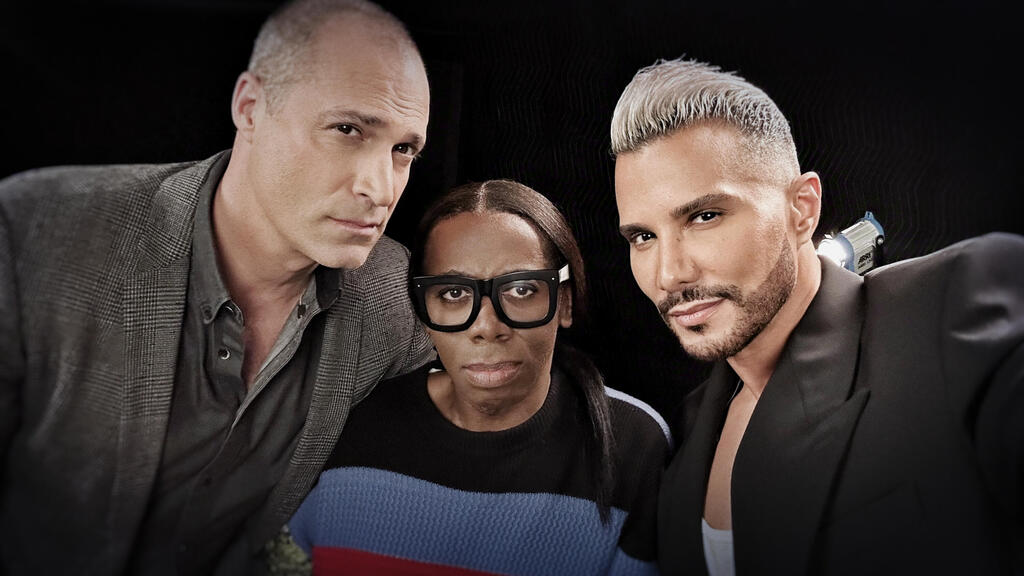
Nigel Barker, Miss J and Jay Manuel
(Photo: Netflix)
Banks emerges as a master at shirking responsibility. She shifts it to her partner, Mok, to the editors or falls back on the most despicable excuse of all: those were different times. Not that this helps the young woman who was filmed in a sexual act while unconscious from alcohol, and later recorded recounting it to her horrified boyfriend at home.
We are not an innocent audience. We know that the suffering of reality contestants sold a dream is the bread and butter of the format. The monster must be fed. Documentaries of this kind tend to range between “Oh no, the production didn’t help me after it was all over” and blunt, traumatic exploitation.
Still, there is something about Banks’ smugness — her self-victimization and her falsehoods — as the show’s cruelty escalated from season to season, that provokes nausea, and not the slimming kind. Over 24 cycles, America’s Next Top Model followed the familiar arc of a television hit. It began as the dream of a Black model yearning to carve out a place in a white world. It was rejected by every network until UPN picked it up. It became a ratings phenomenon for several seasons and eventually faded into Banks’ increasingly desperate attempts to reinvent herself and shock viewers with each new round.
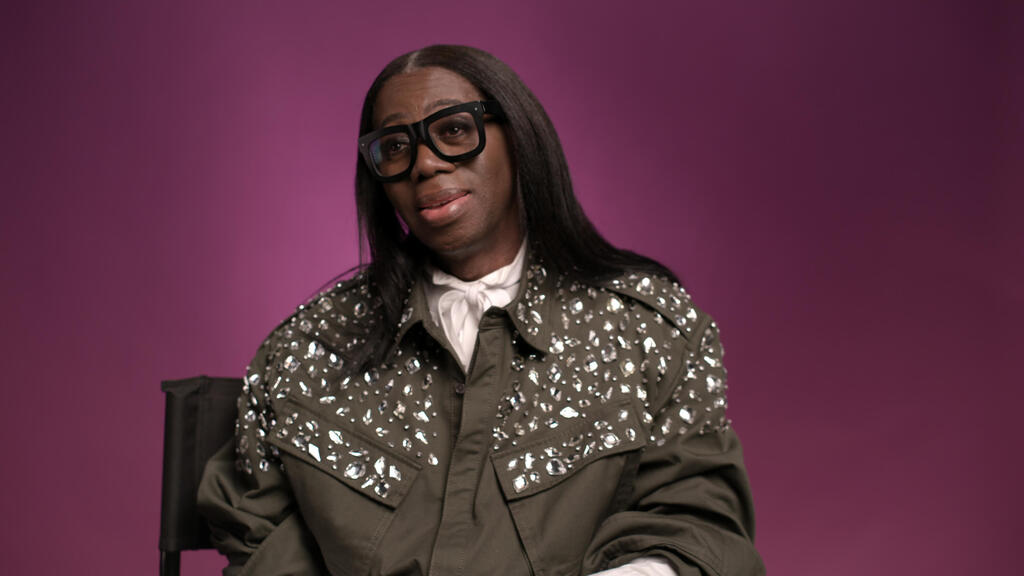
Miss J
(Photo: Netflix)
After firing her three panelists — the two Jays and Nigel the photographer — Banks herself was fired by UPN, and not long afterward the show was canceled.
Before Banks announces plans to revive the format for a 25th cycle, the documentary offers a measure of emotional solace: the three panelists reunite several years after Miss J suffered a stroke and display genuine affection for one another. In the Top Model universe, ruled by what the filmmakers clearly portray as Banks’ gaslighting, a few human hearts survived that even narcissism could not digest.