

The exhibition “Catwalk: The Art of Fashion Shows”, which opened last month at the Victoria and Albert Museum in Dundee, Scotland, is dedicated to the fashion show itself – a field that has undergone a dramatic transformation over the past century.
From intimate salon presentations in Paris to large-scale spectacles broadcast simultaneously to millions worldwide, the runway has evolved from a sales tool into a cultural stage combining choreography, performance and media.
Gallery
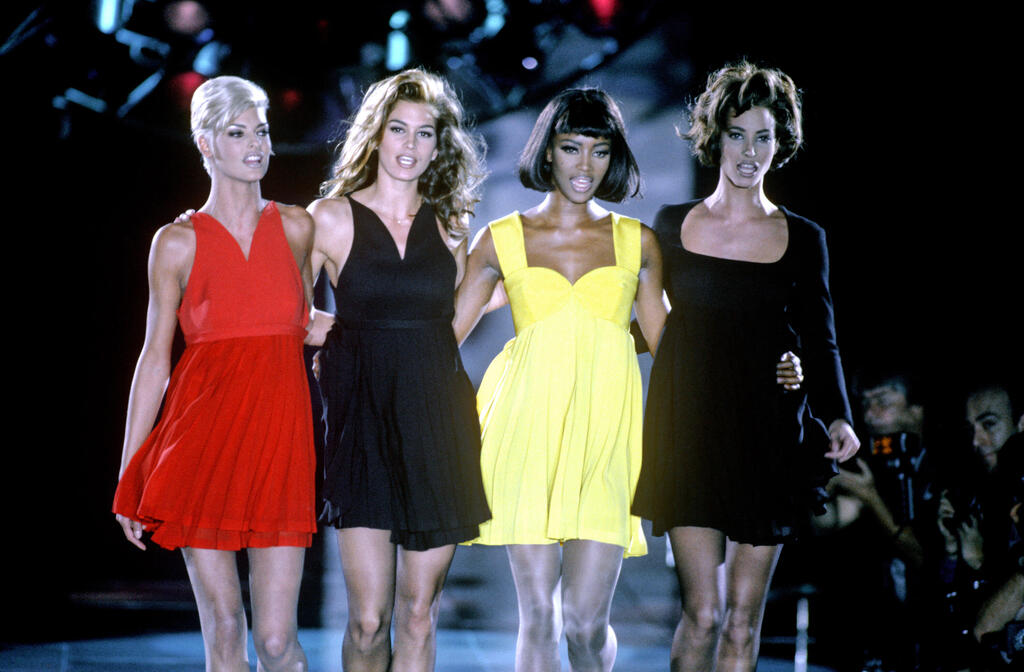
Linda Evangelista, Cindy Crawford, Naomi Campbell, and Christy Turlington at the Versace Fall-Winter 1991-92 show
(Photo: Shutterstock, Photo: Paul Massey©, from the exhibition 'Runway: The Art of Fashion Shows')
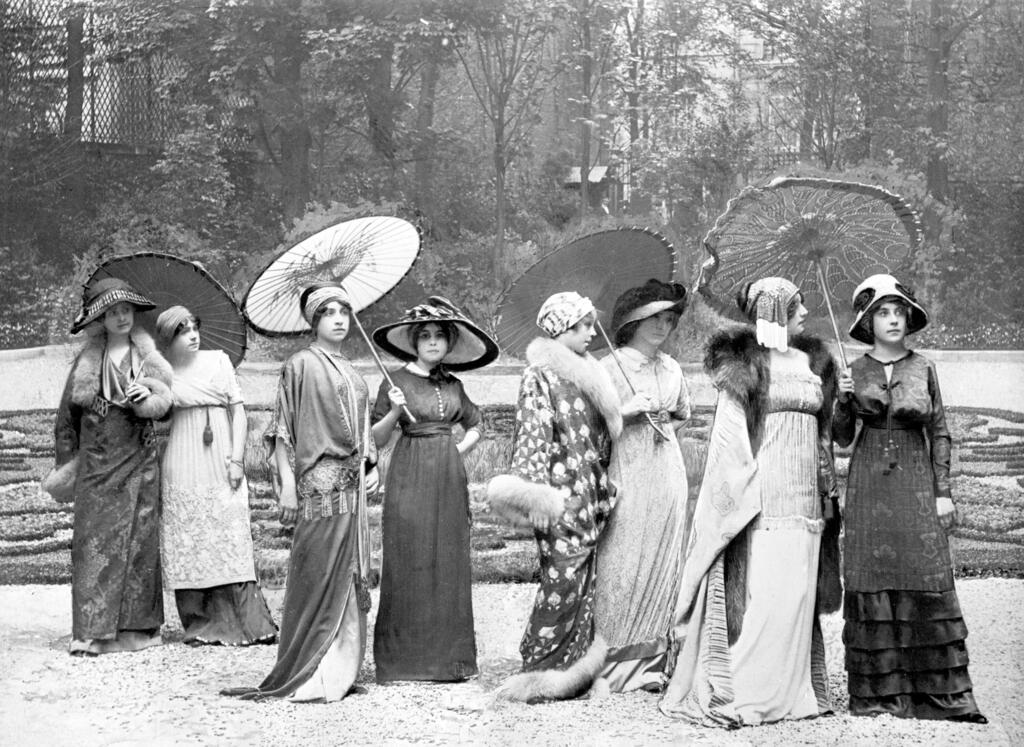
Paul Poiret exhibition in Paris, 1910
(Photo: Jean Sebastien Baschet, L’Illustration, from the exhibition 'Catwalk: The Art of Fashion Shows')
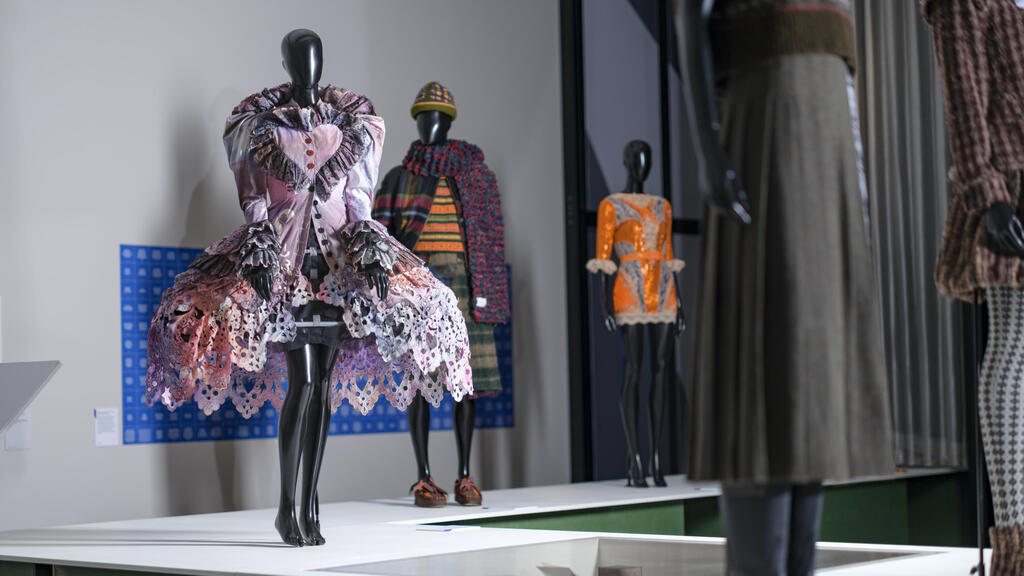
From the exhibition 'Catwalk: The Art of Fashion Shows'
(Photo: Grant Anderson for V&A Dundee)
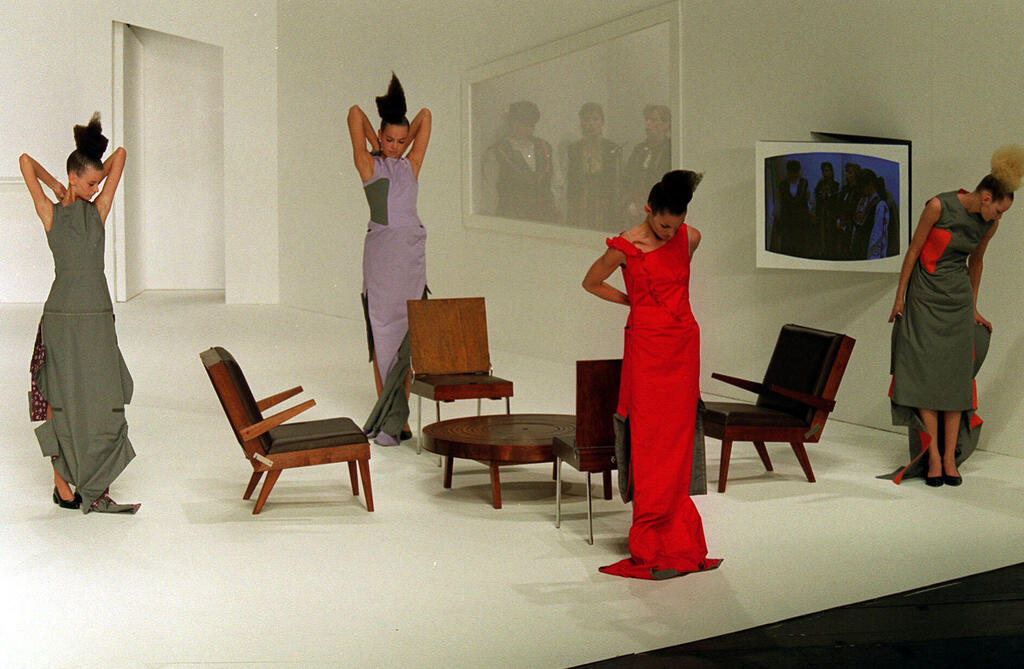
Hussein Chalayan Fall-Winter 2000–01 show
(Photo: Alamy, from the exhibition)
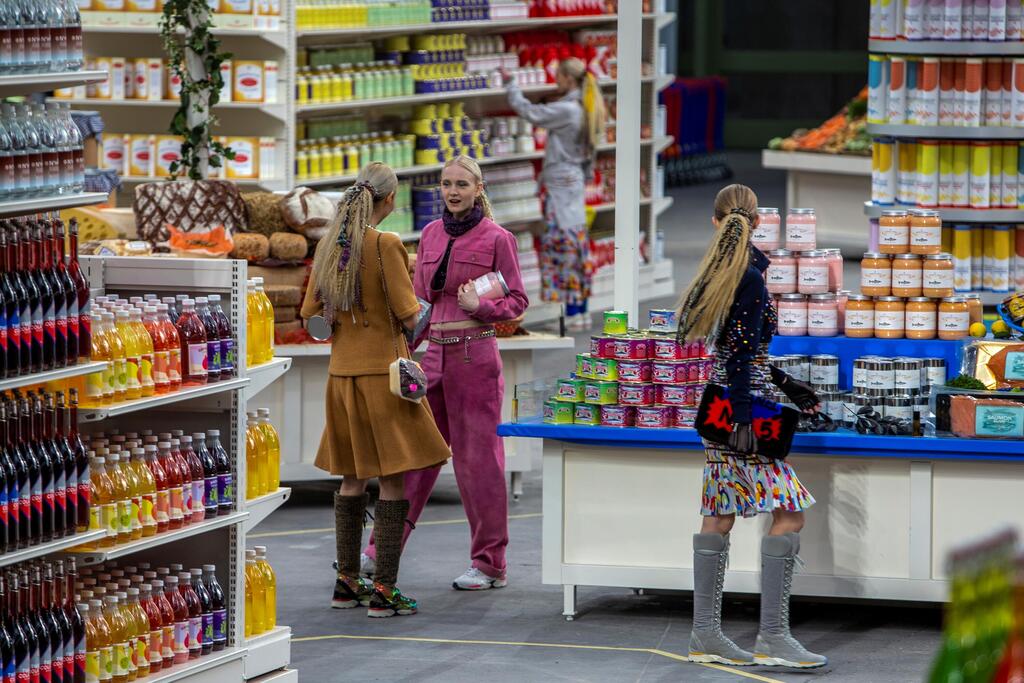
Chanel Fall-Winter 2014–15 show
(Photo: Helmut Fricke/DACS/VG Bild-Kunst Bonn, from the exhibition)
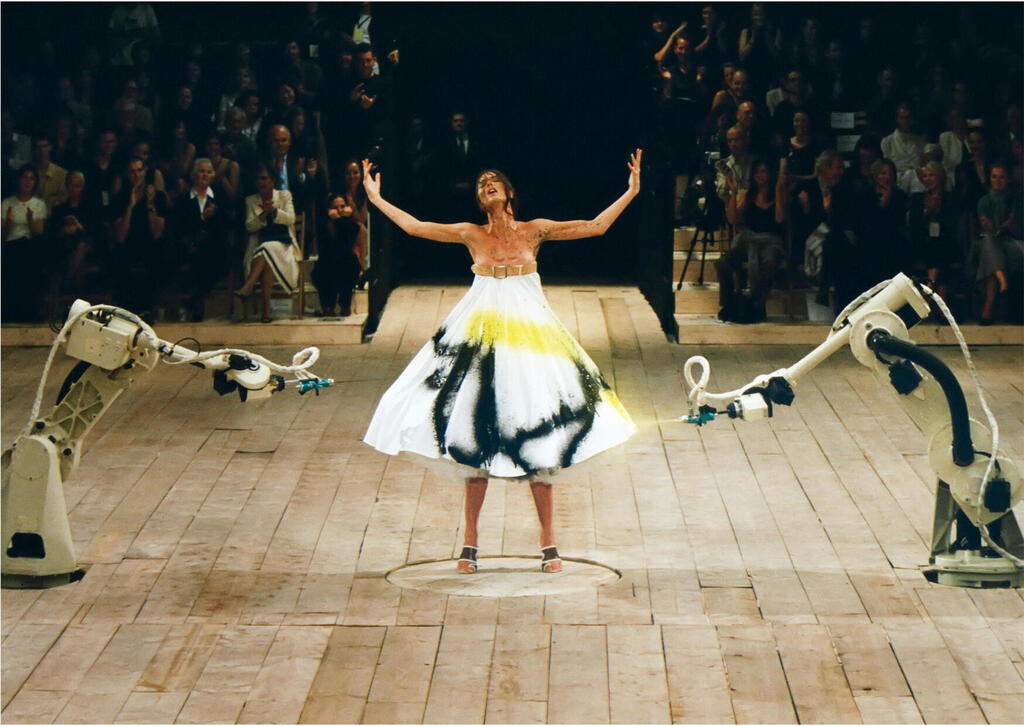
Shalom Harlow in Alexander McQueen’s Spring-Summer 1999 show
(Photo: Robert Fairer Archive, from the exhibition)
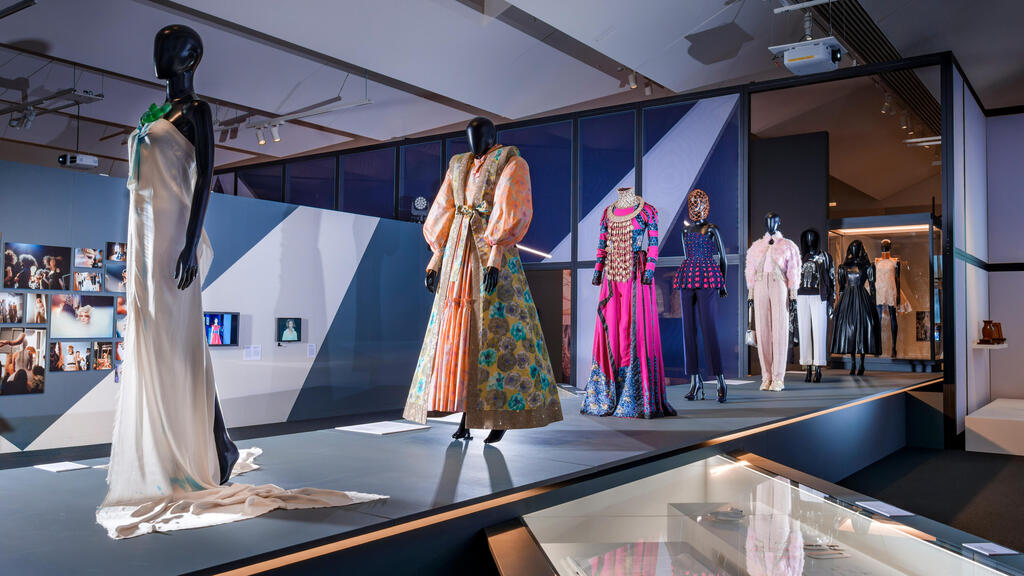
From the exhibition
(Photo: Grant Anderson for V&A Dundee)
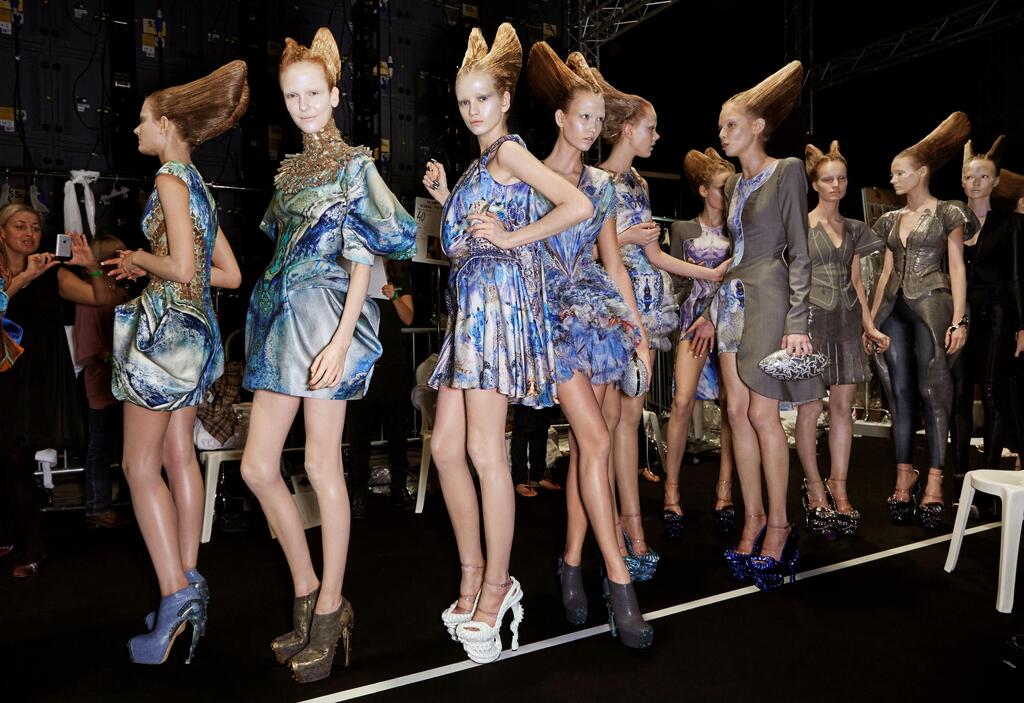
Behind the scenes at Alexander McQueen Spring-Summer 2010
(Photo: Robert Fairer Archive, from the exhibition)
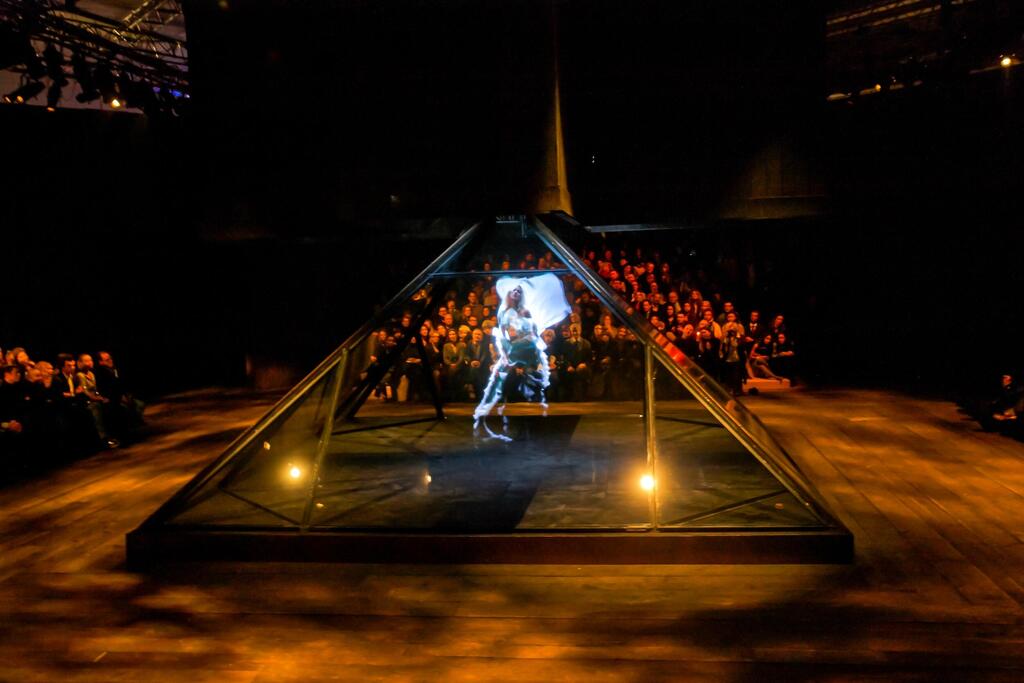
A hologram of Kate Moss in Alexander McQueen’s Fall-Winter 2006–07 show
(Photo: from the exhibition)
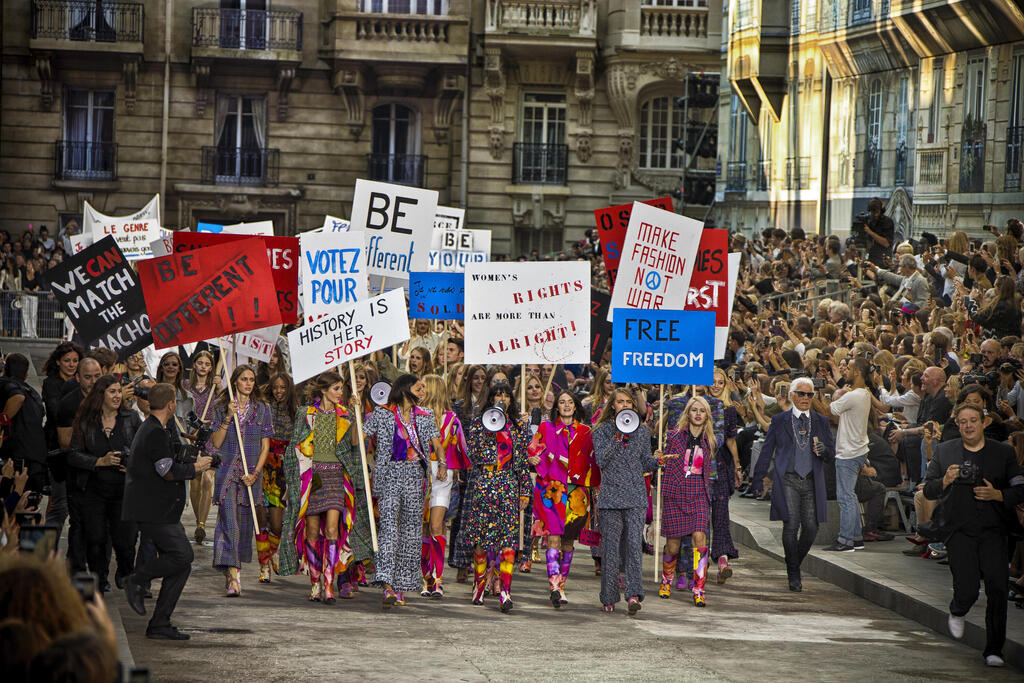
Chanel Spring-Summer 2015 show
(Photo: Helmut Fricke/DACS/VG Bild-Kunst Bonn, from the exhibition)
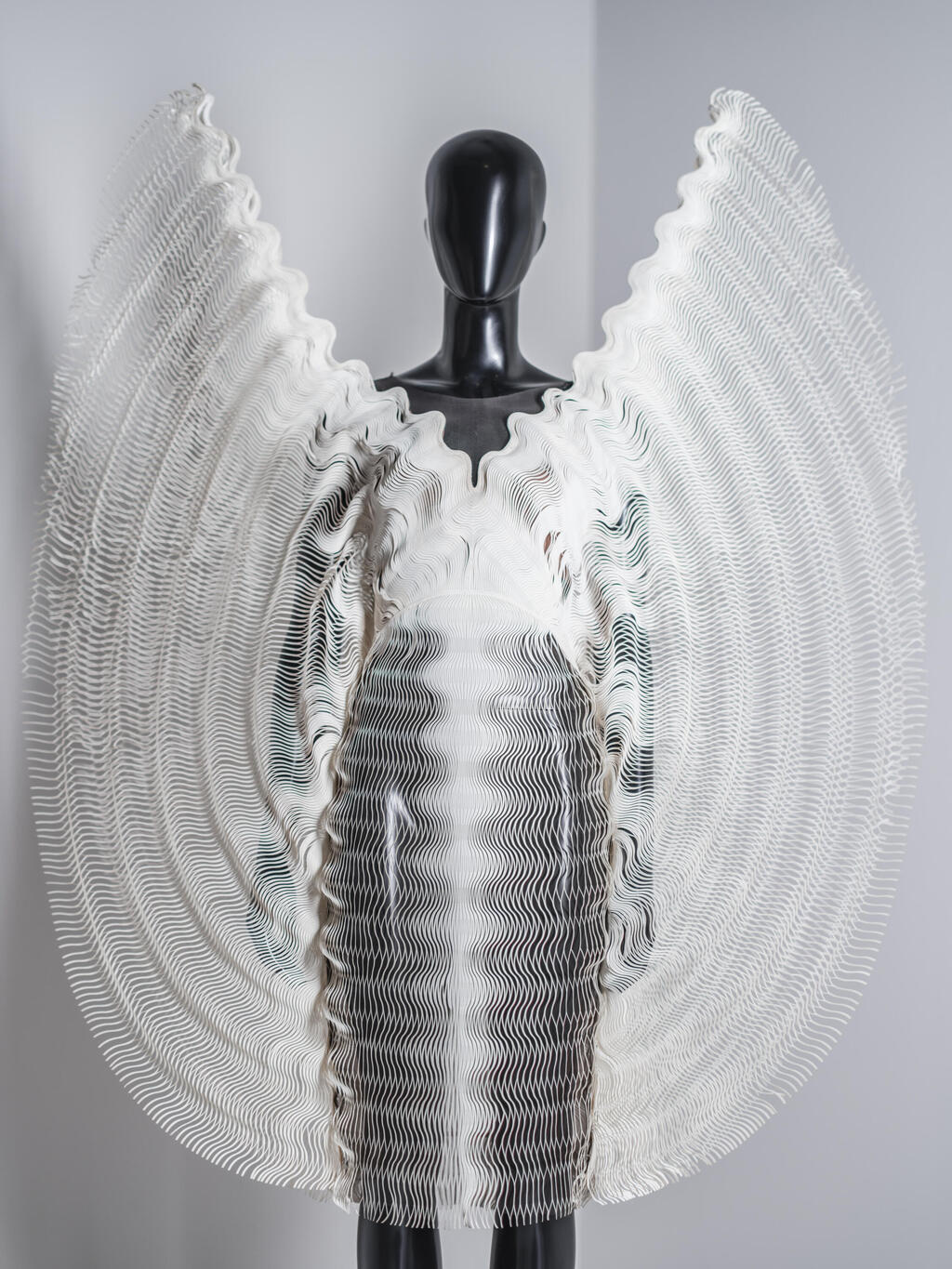
From the exhibition
(Photo: Grant Anderson for V&A Dundee)
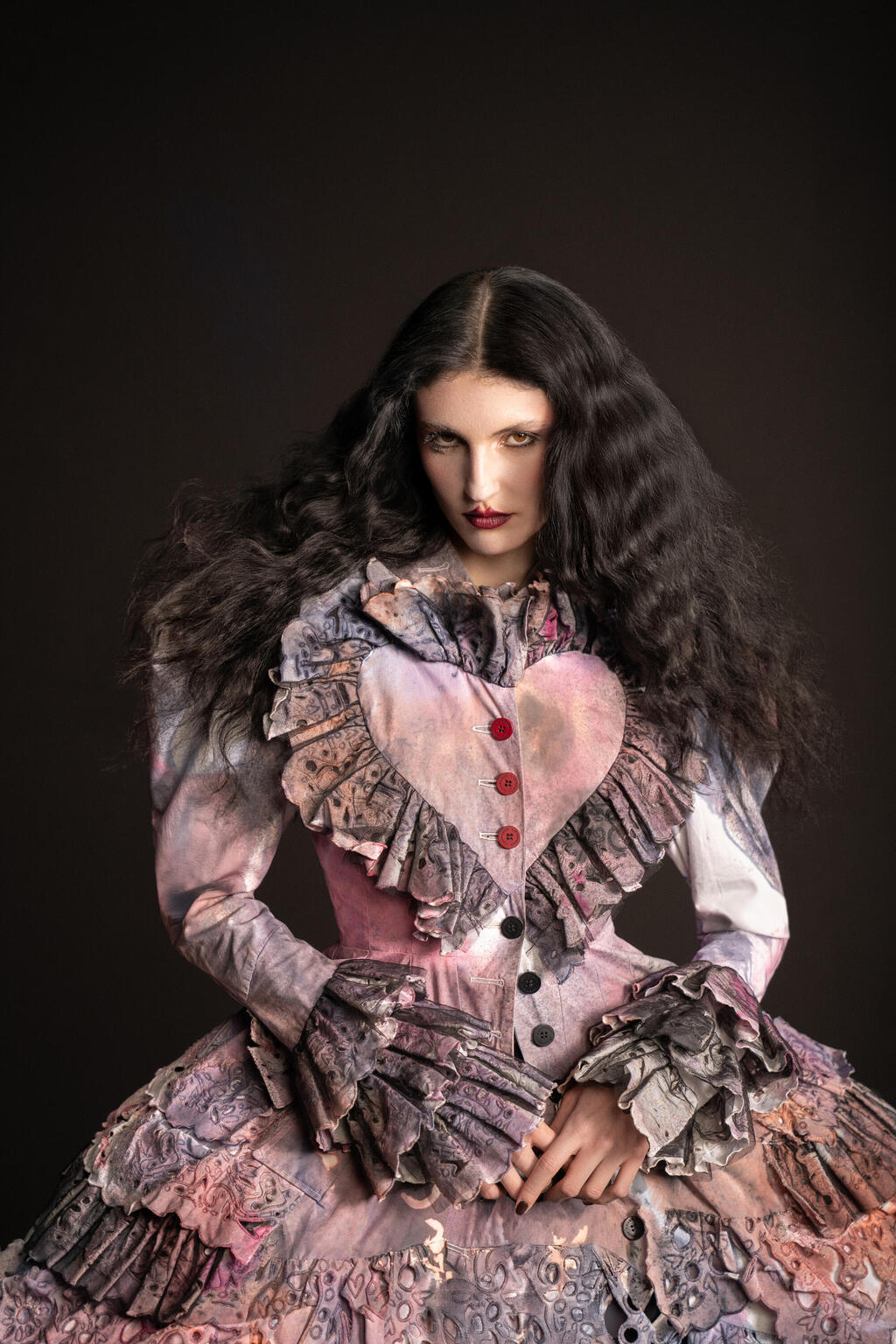
Model Lucia Fairfall wears a design by Charles Jeffrey, from the exhibition
(Photo: Barrington Reeves)
The exhibition, previously shown at the Vitra Design Museum in Germany before its UK debut, brings together landmark works from major fashion houses including Prada, Balenciaga, Dior and others. It examines the runway as a cultural arena for presenting clothing and shaping identity.
Visitors encounter defining moments in fashion history, including Alexander McQueen’s iconic Spring-Summer 1999 show, where two robotic arms splattered paint onto Shalom Harlow’s white dress in what appeared to be an erotic encounter between human and machine.
Other unforgettable presentations include Fendi’s show on the Great Wall of China and Chanel’s simulated rocket launch.
From mannequins to models
Fashion shows trace their origins to the second half of the 19th century with British-French designer Charles Frederick Worth, considered the father of haute couture. Worth was the first to present seasonal collections on live models rather than mannequins, transforming how clothes were designed and sold.
By the mid-20th century, especially after World War II, runway shows became central to the fashion industry – a key tool for setting trends, defining brand identity, and attracting buyers and press.
Over time, presentations moved from intimate Paris ateliers to global Fashion Weeks, and from salon-like gatherings to high-production spectacles generating viral images and strong brand narratives.
The modern Fashion Week system began in New York in 1943 with “Press Week,” organized by publicist Eleanor Lambert during World War II when journalists could not travel to Paris. The format later expanded globally: Paris as the couture capital, Milan emerging in the 1950s–60s, and London launching its official Fashion Week in 1984.
Israel held its first Fashion Week in 1965, and since 2011 it has operated independently on an annual basis.
Fashion as culture, memory and architecture
The exhibition revisits iconic shows through film, photography, original garments, props and archival material, aiming to recreate the runway experience from its earliest days to today.
According to curator Kirsty Hassard, fashion shows are "moments of revelation – they bring together a multitude of disciplines, including hair and makeup, set design, graphics, lighting, photography, music and many more.”
She added: “The exhibition explores the dreams and motivations behind these shows, and shows how designers shaped not only what we wear, but how we see ourselves.”
Another key work is Hussein Chalayan’s “After words” (2000), widely regarded as one of the most important fashion shows ever staged. In it, furniture was transformed into garments, blurring the line between objects and clothing, while also addressing themes of displacement and identity.
Chalayan’s work reflected his own background, being Turkish decent while born in Cyprus, and explored ideas of home, exile and geopolitical trauma – presenting fashion not only as clothing, but as a medium for storytelling and collective memory.