

In 1952, a few years after retiring at the height of his career, British tennis champion and Wimbledon winner Fred Perry founded the brand that bears his name. What began as a modest line of sweatbands quickly evolved into one of the world’s most recognizable polo shirts, marking a broader shift: the rise of sports aesthetics in streetwear and popular culture.
In 1970s Britain, a period marked by sharp social divisions and vibrant subcultures, Perry’s polo became associated with the skinhead movement. Early skinheads — largely from the urban working class — adopted a clean, functional look: close-cropped hair, work boots and clothing such as Ben Sherman button-downs and Fred Perry polos.
Gallery
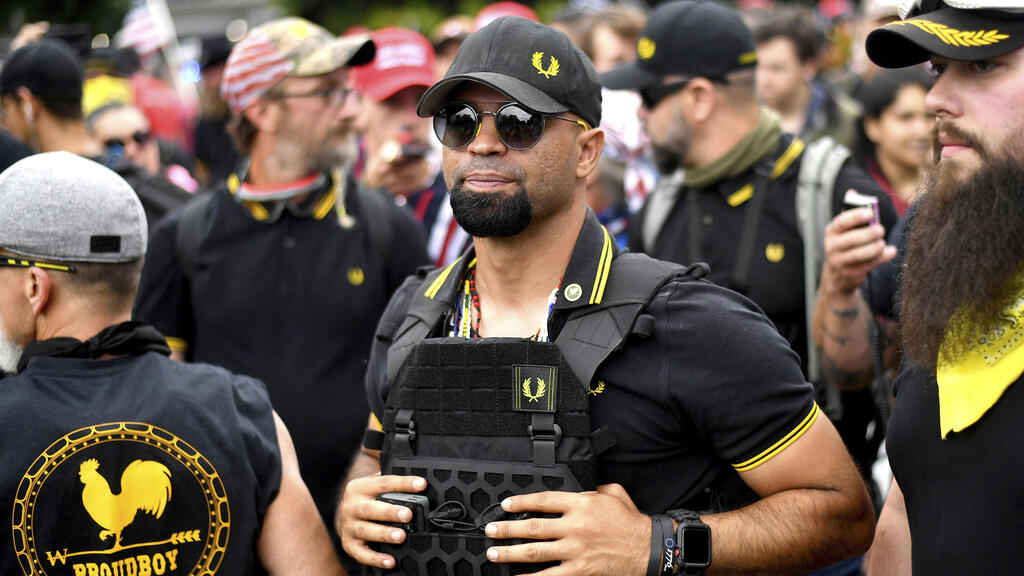
The far-right organization the Proud Boys adopted the black Fred Perry polo shirt with a yellow logo
(Photo: AP Photo/Noah Berger)
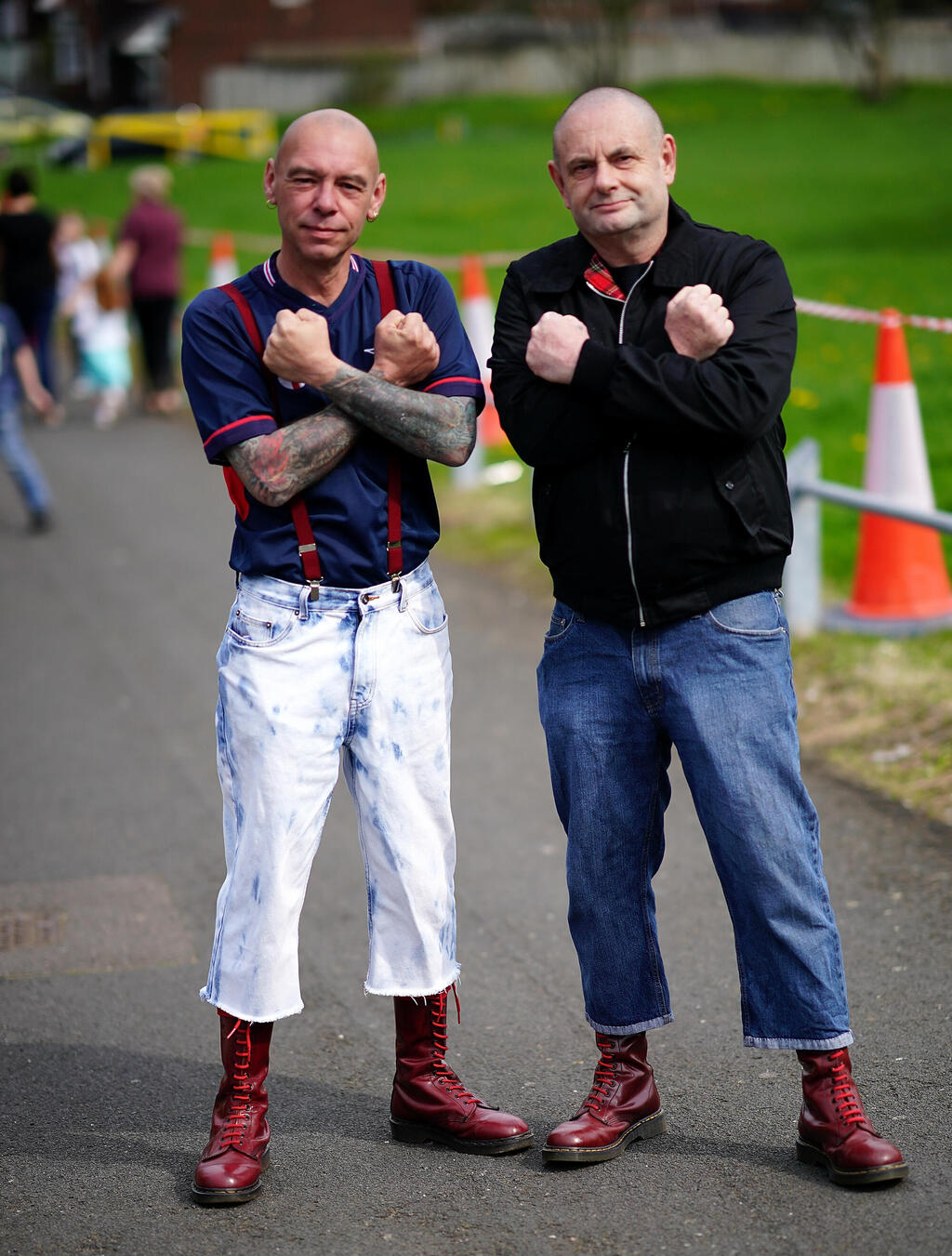
The branded Fred Perry shirt. Skinheads in England, 2018
(Photo: Christopher Furlong/Getty Images)
The subculture drew from British mod style and Caribbean influences, particularly ska and reggae music. At its outset, it was not linked to racism; rather, it reflected interaction between white youths and Caribbean immigrants, a dynamic depicted in films such as Shane Meadows’ 2006 drama “This Is England,” which traces the movement’s evolution.
During the 1970s and 1980s, far-right groups in Britain infiltrated the scene, recruiting disaffected youths and injecting nationalist and racist ideology. Anti-immigrant sentiment and white supremacist ideas took hold, recasting existing symbols — including the Fred Perry polo — with new meanings. A brand rooted in sport and fashion thus became, in some eyes, tied to extremist circles. The tension between the garment’s apolitical origins and its ideological appropriation has persisted.
That dynamic resurfaced with the Proud Boys, a far-right group founded in the United States in 2016, which adopted a black-and-yellow Fred Perry polo as an informal uniform. The shirt became a marker of group identity, echoing earlier patterns of cultural appropriation that lend wearers a sense of tradition, elegance and “old-school” masculinity, repurposed within a radically different ideology.
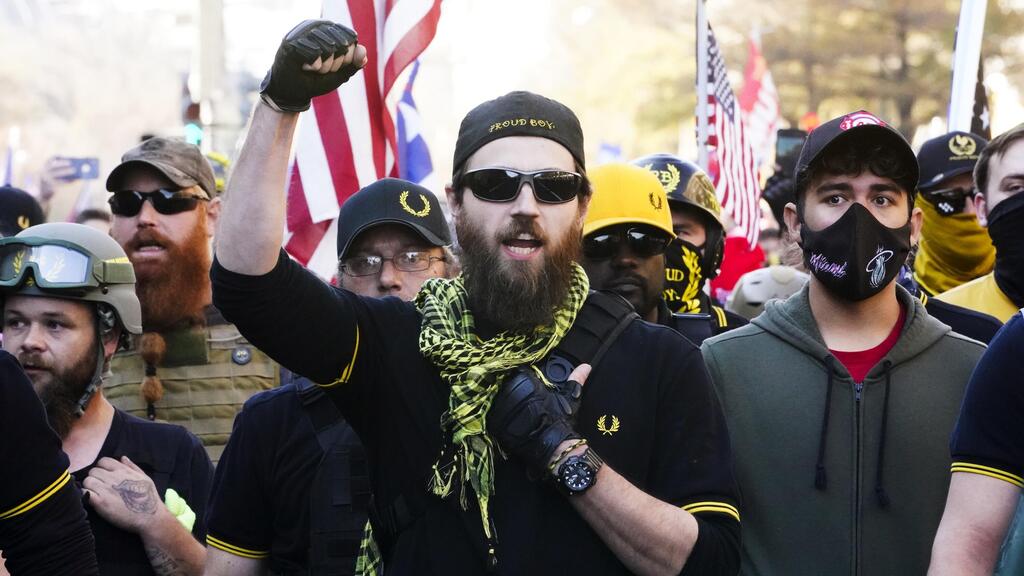
The Proud boys
(Photo: AP Photo/Jacquelyn Martin)
Fred Perry responded decisively. In 2020, the company halted sales of the black-and-yellow model in North America, stating it rejects any association with the group and stands in opposition to its values. It also launched a multicultural campaign featuring Asian and Black models.
The Proud Boys later turned to an alternative: a version produced by the activist brand Will2Rise, dubbed the “3.0 Perry Polo,” which Rolling Stone described as “the Lululemon of fascists.” The laurel wreath logo was replaced with a larger emblem featuring the group’s initials.
The Fred Perry case highlights how limited a fashion brand’s control can be over the meaning of its products. Other labels have faced similar appropriation. Clothing often functions less as an outward identifier than as an internal code, helping members of far-right groups — typically male-dominated — recognize one another and project cohesion. Matching aesthetics can create the impression of a unified force, reinforcing group identity.
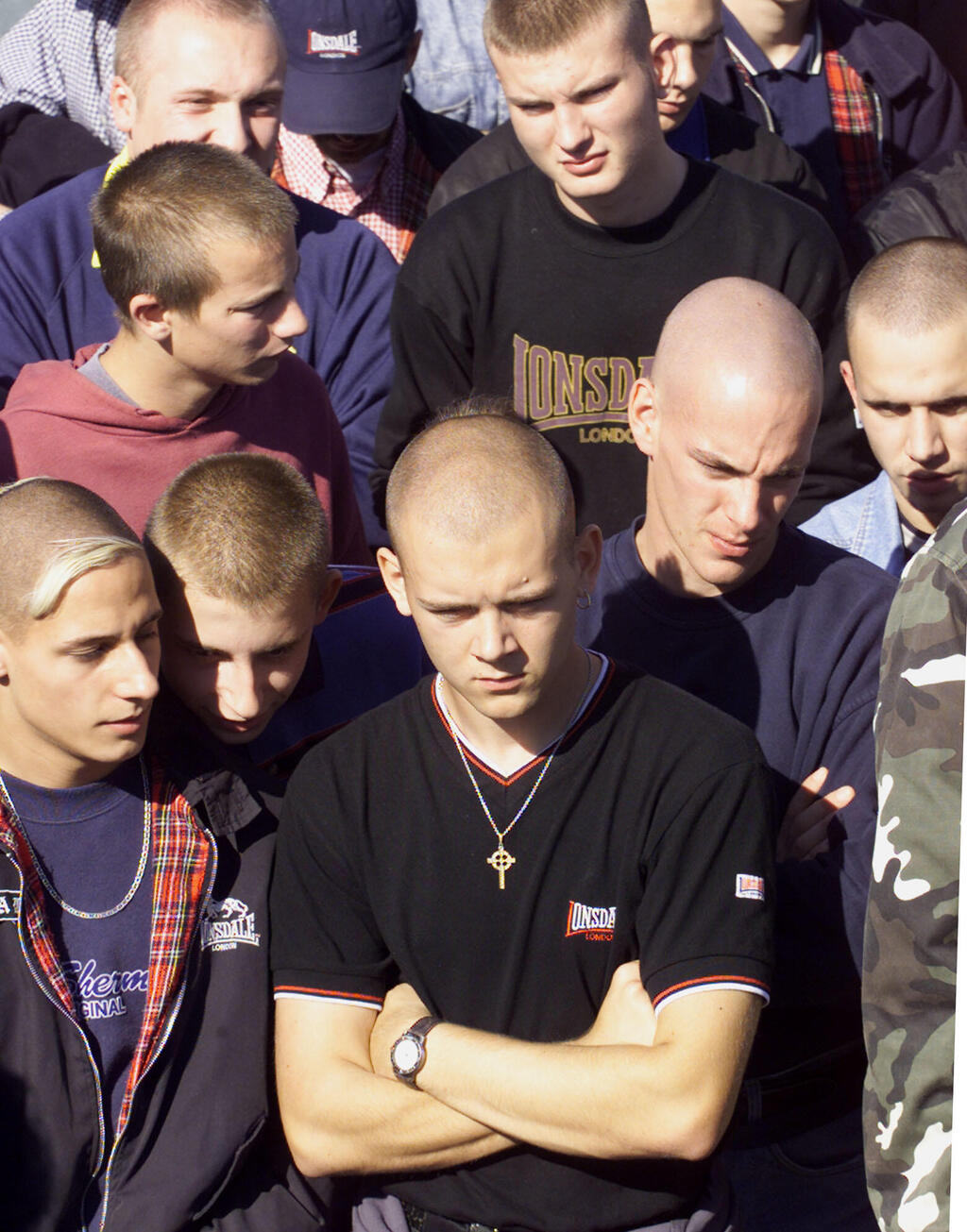
Skinheads in the Czech Republic wearing Lonsdale and Ben Sherman clothing, 2020
(Photo: AP Photo/Jerome Delay)
Beyond style, some groups adopt brands for coded symbols that avoid banned neo-Nazi imagery. Numbers such as 88 (a reference to “HH,” or “Heil Hitler”) and 14 (from a white supremacist slogan) appear on clothing as subtle markers.
In Britain, the boxing brand Lonsdale, founded in 1960, has been associated with extremist circles because letters within its logo resemble the acronym of the Nazi Party in German. The idea is simple: a partially unzipped jacket reveals the suggestive letters, which can be concealed if needed.
Another brand, Stone Island — known for functional streetwear and linked to its parent company CP Company — has become popular among European far-right groups, partly due to its tough, utilitarian aesthetic and roots in soccer hooligan culture. Among its prominent wearers is British far-right activist Tommy Robinson, founder of the English Defence League, an anti-Islam group.
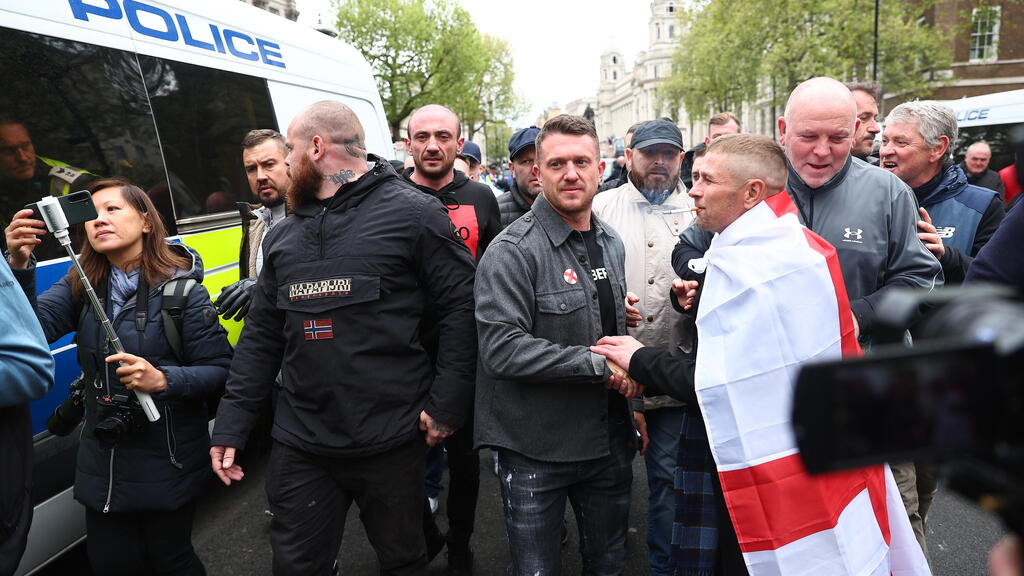
Stone Island enthusiasts. Tommy Robinson at a protest in London, 2024
(Photo: Peter Nicholls/Getty Images)
In Australia, the neo-Nazi group National Socialist Network has adopted clothing by Norwegian skiwear brand Helly Hansen. The connection lies in the initials “HH,” interpreted by adherents as a coded Nazi salute, despite the brand having no such affiliation.
Cynthia Miller-Idriss, founding director of the Polarization and Extremism Research and Innovation Lab at American University and author of “Man Up,” told CNN that clothing plays a central role in identity formation. “Brands and logos help young men feel connected to others they recognize through the same clothing, almost like a ticket of entry to meetings or underground events,” she said.
The global rise of far-right movements — particularly since Oct. 7 — has also fueled antisemitic rhetoric. These are no longer fringe elements but include organized groups such as the Proud Boys and Oath Keepers, alongside supporters of President Donald Trump, some of whom adopt symbolic dress, from branded polos to nationalist face coverings or theatrical outfits like that worn by Jacob Chansley, known as the “QAnon Shaman.”
At the same time, brands have little control over who wears their products. When individuals appear in public — whether at protests, in court or on social media — in widely available sportswear, companies cannot prevent the association. Public exposure can even amplify it.
Similar controversies have emerged elsewhere. In 2022, Russian President Vladimir Putin wore a $14,000 Loro Piana coat at a televised rally celebrating Russia’s invasion of Ukraine. In 2016, a neo-Nazi-linked website declared New Balance sneakers the “official shoes of white people,” urging supporters to use them for mutual identification, citing the “N” logo as a supposed code. The company swiftly rejected the claim, stating it does not tolerate racism or hate.
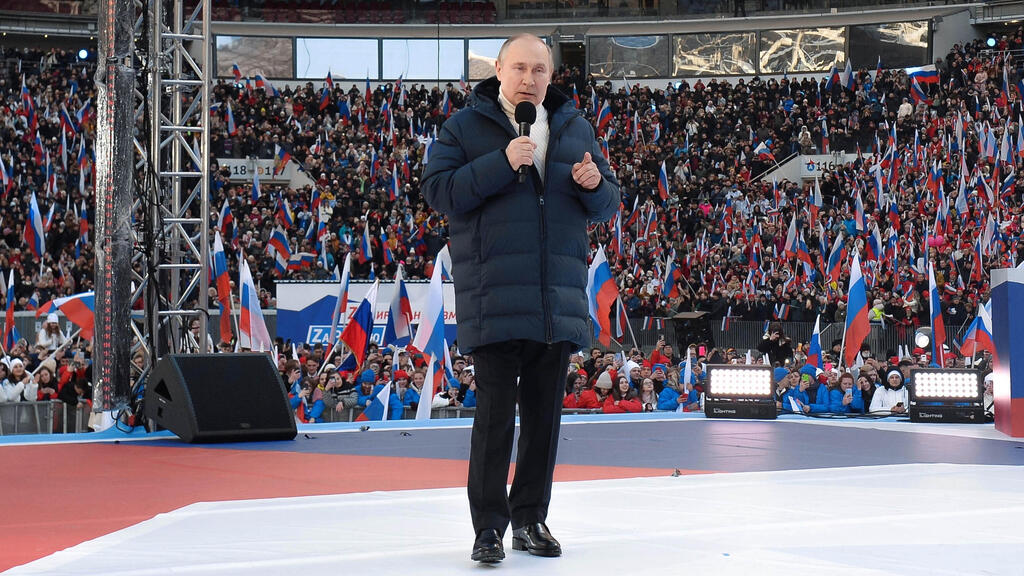
Russian President Vladimir Putin celebrates the invasion of Ukraine wearing a Loro Piana coat, 2022
(Photo: AP)
Together, these cases illustrate how neo-Nazi and fascist groups increasingly rely on fashion rather than explicit symbols like swastikas or Confederate flags, embedding meaning in everyday brands. The phenomenon has even acquired a name: “fascion,” a blend of fashion and fascism.
The method is consistent: instead of overt insignia, groups develop a subtle visual language that can evade notice. Fashion becomes a dual tool — allowing wearers to blend into their surroundings while normalizing, and at times aestheticizing, radical or violent ideologies.
“It is much harder to recognize hateful ideas,” Miller-Idriss said, “when they come packaged in an aesthetic that does not match people’s expectations of what white supremacists look like.”