

In any list of cinema’s most iconic lines, the famous quote from "The Wizard of Oz" — “There’s no place like home” — would rank near the top. It’s the mantra Glinda the Good Witch gives Dorothy at the climax of the film: all she has to do to return to Kansas and finally leave Oz is repeat it three times and click her ruby slippers. Simple.
In "Wicked: For Good," the final chapter of the cinematic prequel released this past weekend, things are more complicated. This time, Dorothy is pushed aside, and the famous line appears much earlier in the story. Stephen Schwartz, the American-Jewish lyricist behind both the Broadway originals and the new film, turned the familiar line into a brand-new song, arriving two decades after the musical first premiered. Fittingly, it comes with a contemporary twist.
Wicked: For Good - Trailer
(Video: Courtesy of Universal Studios)


Viewers unfamiliar with the original stage production may not notice the addition: "No Place Like Home" blends seamlessly with the themes of the original story. But whereas in the 1939 film the phrase is a spell that returns Dorothy home from Oz, here the song takes on a chillingly current meaning against the backdrop of a turbulent global political climate. Mild spoilers ahead.
The anthem that will pull us out of despair
In the second part of "Wicked," audiences get plenty of closure, painful battles and heartbreak — but the new addition appears near the start. Elphaba, already branded by the people of Oz as the Wicked Witch of the West, discovers that many animals fear for their lives and are being forced to flee the country. New laws are restricting their movement and ordering them caged, on the grounds that captivity strips them of the ability to speak. Even though the animals don’t know what awaits them beyond Oz’s borders, they choose uncertainty and freedom over fear and legal oppression.
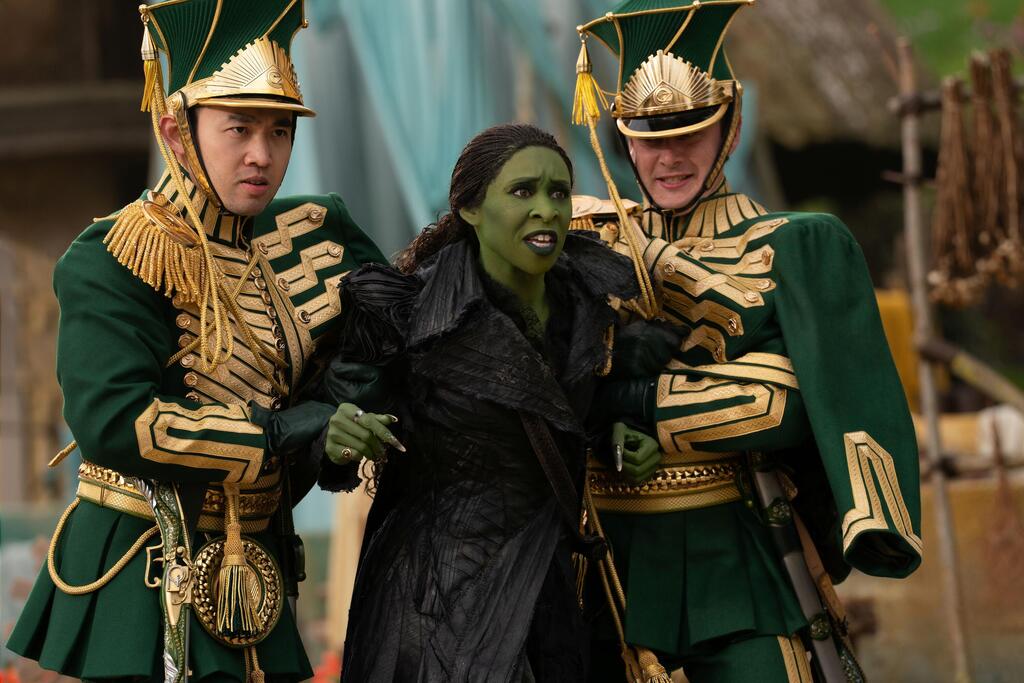
Elphaba summons all her strength to persuade the animals to stay and join her in exposing the Wizard’s lies — and she even has evidence against him. How does she try to rally them? By breaking into song, of course (these are the rules of the genre). The result is a powerful, emotional ballad, another soaring vocal performance by Cynthia Erivo, until a major mythic character interrupts her — a narrative offense for another time.
In "No Place Like Home," Elphaba expresses her identification with the animals’ fear; she, too, feels that the place she once called home has changed completely. “Why do I love this place that's never loved me?” she sings. “A place that seems to be devolving and even wanting to? But Oz is more than just a place. It's a promise, an idea. And I want to help make it come true.”
In the second verse, she wonders why, of all times, hardship deepens our attachment to the land. “It's only land, made of dirt and rock and loam. It's just a place that's familiar, and 'home' is just what we call it. But there's no place like home.” Later she adds: “When you feel you can't fight anymore, just tell yourself — there's no place likе home.”
In an interview with Elle, Schwartz explained the song’s role in the film: “We all felt it was really important to understand viscerally, to feel how much she loves Oz, how important Oz is as her home, how much she wants it to be a good place, and how ferocious she is about fighting for it. When she’s not able to accomplish her goals in the way that she had hoped to and has to make a great sacrifice in order to do so, you understand what it cost her to do it.”
At a soundtrack listening event in New York a few weeks ago, Schwartz also highlighted the song’s real-world echoes.
“We’re all living in a country that is not the America we lived in 10 years ago,” he told the audience. “Whether you like it better or you don’t like it as well, there’s no denying that our country is changing around us, and we are not the only nation on Earth that that’s happening to. And so the question is, if it’s not the direction you want your country to go in, what do you do? Do you actually try and resist, which is dangerous and has very little chance of success? Or do you just give up and be like, ‘Okay, well, I’m out of here.’ So I felt that in addition to Elphaba and the story, it has a lot of resonance for us in the world we live in, especially living in America right now.”
Cynthia Erivo also spoke about the emotions the song stirs in her and the cast. In an interview on Variety’s podcast, she said the entire crew cried while filming it. “I hope audiences are ready — it’s a song that speaks to the heart of who Elphaba is.”
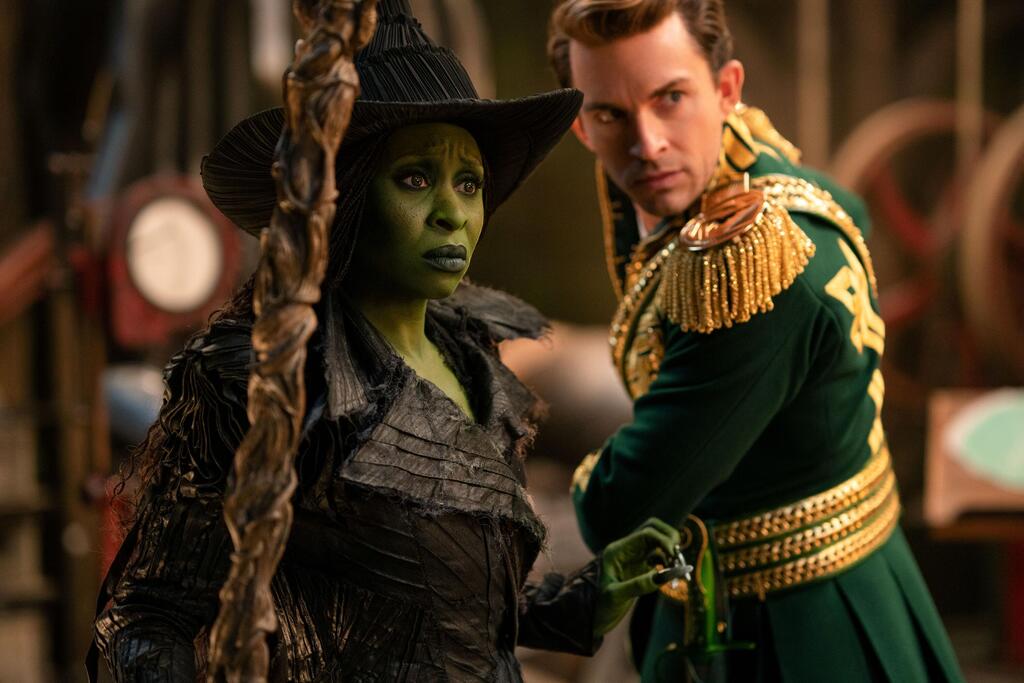
From 'Wicked: For Good'
(Photo: Courtesy of Tulip Entertainment)
Indeed, many viewers leaving opening-weekend screenings said they were moved to tears, pointing to the chilling connection between the song and today’s reality. “Maybe we’ve found the anthem that will pull us out of despair?” one YouTube commenter wrote. “It made me cry instantly. No song has ever captured so beautifully the experience of being Black in America. It reminded me of the elders in my family who lived with daily fear and still fought for the vision they believed in — the vision of home. They loved a country that didn’t love them back, and still they held so much hope.”
But not only in America — viewers elsewhere also felt the song captured the political reality in various countries. “This song takes on a different meaning when you think of people in parts of the world who had their land taken from them before they ever had a chance to live in peace,” another commenter wrote.
Not only in America — in Israel too
When the first part of the film premiered last November, it was impossible to miss the motifs echoing dark regimes from history, especially what the Nazis inflicted on Europe in the 1930s. In "Wicked," animals are excluded from the academy and the public sphere, stripped of their rights and quickly turned into targets of persecution and blame for various crises. The carefully chosen imagery — some subtle, some unmistakably direct — recalled the early stages of the persecution of Jews during the Holocaust.
If the first film winked at that painful history, this time the connection seemed to resonate with a more current moment — including here in Israel. After two brutal years, many Israelis describe their country as one that has changed beyond recognition, in rights, in personal security and in trust in state institutions. If in the song Elphaba tries to remind us why it is so important to fight for home, in a local context, the song sounds like a protest anthem straight from the streets.
What makes "No Place Like Home" so powerful is that the song is not only about longing for home, but about the very real fear of losing it. Almost inevitably, the image resonates here as well, as citizens question the true motives of those in power and whether a country that has endured moral erosion and so many losses can still be a home for its disillusioned people.
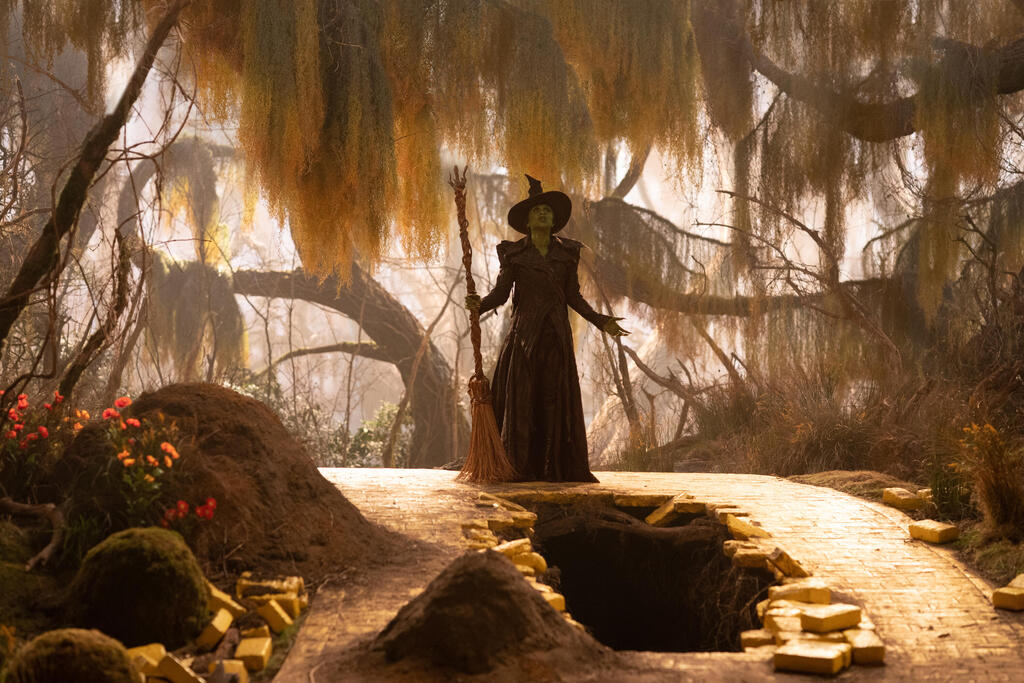
From 'Wicked: For Good'
(Photo: Courtesy of Tulip Entertainment)
Like the animals fleeing Oz, since the protests against the judicial overhaul and the war, some Israelis have chosen to leave and immigrate elsewhere. Some leave because they’ve lost faith, some out of a sense of persecution or disappearing hope and others simply out of fear of what the future may hold.
Politics has always been intertwined with "Wicked" — and with "The Wizard of Oz," which premiered as Nazi Germany was at its peak — but the new song places at the center a pointed, timely message about civic responsibility and sacrifice. It manages to turn yet another cinematic blockbuster into something genuinely thought-provoking.
And while social media is already filled with deep-dive analyses comparing the first and second films, dissecting the disappointment over the sequel’s not-so-sweet ending after two hours and 17 minutes, it is worth lingering on the message that casts so much light and hope onto an exhausting, painful reality. Anyone who has ever fought for change will find themselves moved by it.