

Some movies do well at the box office. Some movies do very well at the box office. And then there are movies that make industry insiders wonder whether their kid messed with the Excel spreadsheet while they were in the bathroom. “Spider-Man: Brand New Day,” at least for now, belongs firmly in the third category.
The latest MCU movie, which hit theaters July 31 — just 10 days ago as of this writing — opened in North America with $360 million. That was the biggest domestic opening weekend ever, surpassing the seven-year record held by “Avengers: Endgame,” which debuted with $357 million. Worldwide, it grossed $932 million in its first weekend, the second-biggest global opening in movie history, and crossed the $1 billion mark just six days after its premiere. After only a week, its global box office haul had already topped $1.2 billion. And, of course, it is still far from finished.
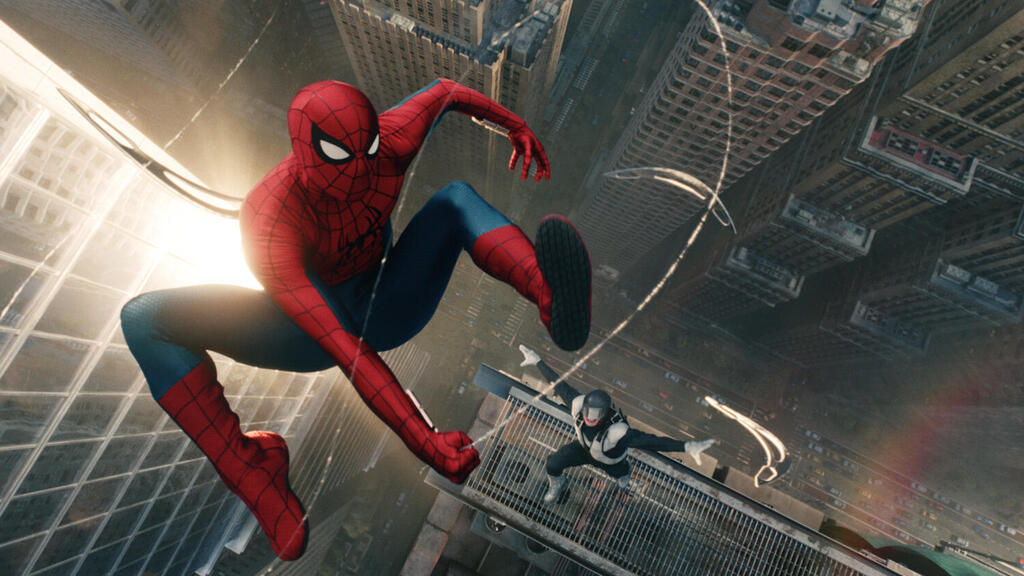
On the cultural zeitgeist level, this enormous and unexpected success comes at a time when the term “superhero fatigue” has become firmly entrenched in the lexicon. The general feeling is that audiences have had their fill of the genre after more than a decade and a half of near-total dominance over pop culture. A look at the MCU’s three most recent releases — “Captain America: Brave New World,” “Thunderbolts*” and “The Fantastic Four: First Steps” — shows lackluster box office results despite hundreds of millions of dollars spent promoting them.
Audiences, broadly speaking, turned their backs on them, and the future of Marvel’s massive enterprise looked shakier than ever. Then came “Spider-Man: Brand New Day.” Even though Disney, Marvel’s parent company, shares the profits with Sony, which officially owns the film rights to the character, that is still an extremely encouraging pile of cash. Very, very encouraging.
There is also a charming Hollywood tradition: Whenever one movie breaks another movie’s record, the director of the former record-holder issues some kind of congratulatory message. It began when “Star Wars” surpassed “Jaws” and Steven Spielberg congratulated George Lucas. Then “E.T.” overtook “Star Wars,” and Lucas returned the favor. And so on.
So when “Spider-Man: Brand New Day” broke the opening weekend record held by “Avengers: Endgame,” the Russo brothers, who directed “Endgame,” posted an image of Spider-Man holding Thanos’ Infinity Stones in a clear salute to the new champion.
But why Spider-Man, and why now? How did this movie become — and continue to become — the year’s biggest box office knockout so far, and one of the biggest ever?
Come on, it is a fun, perfectly respectable movie, especially by the standards of an increasingly worn-out genre. But even its biggest fans, those who left the theater euphoric, have to admit that is essentially what it is. It is not some unmissable masterpiece. It is a well-made piece of entertainment that justifies the ticket price and the two and a half hours it demands of your time.
So how did we end up with a phenomenon rather than merely a successful movie? Let’s try to understand.
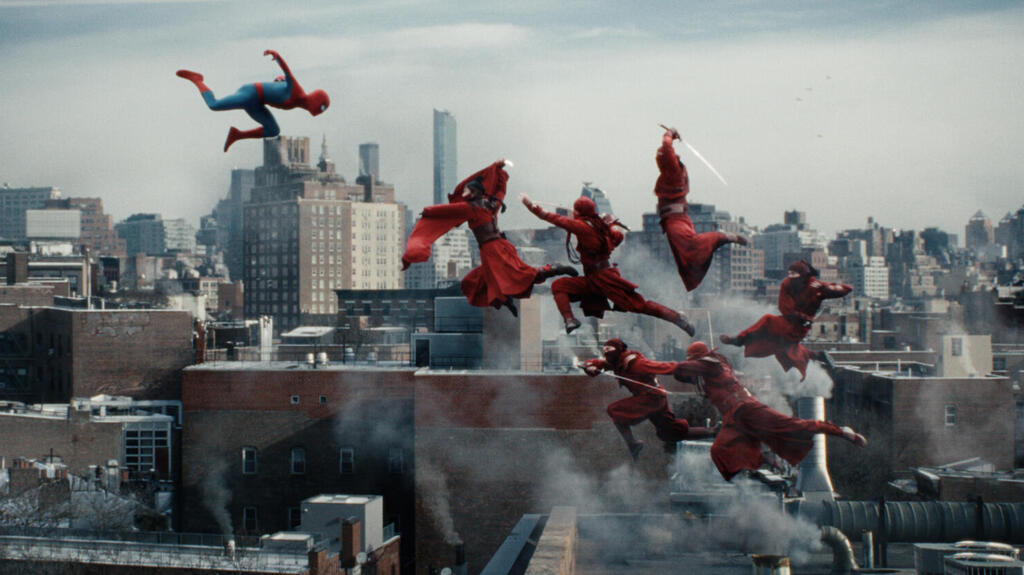
From 'Spider-Man: Brand New Day'
(Photo: Courtesy of Forum Film)
1. I’m only human
Let’s start here: Spider-Man is not just another superhero. He is Spider-Man.
He may well be one of the most beloved superheroes across the widest possible segment of the population. In fact, in many online surveys and rankings asking people to name their favorite superhero, Spider-Man is exactly the answer.
Why? Because Spider-Man is your friendly neighborhood hero. He is not some demigod fighting giant monsters on distant planets, a multibillionaire with access to cutting-edge technology or an alien from Krypton with unimaginable powers.
He is basically an awkward, broke teenager trying to get by as best he can and frequently failing at it. He is witty without being full of himself — hello, Tony Stark — immensely strong without being nearly omnipotent — hi, Superman — and uninterested in constantly inflating his own mythology like some of his more pompous colleagues. Looking at you, Thor.
Give him a pizza and some friends to hang out with and he is perfectly happy.
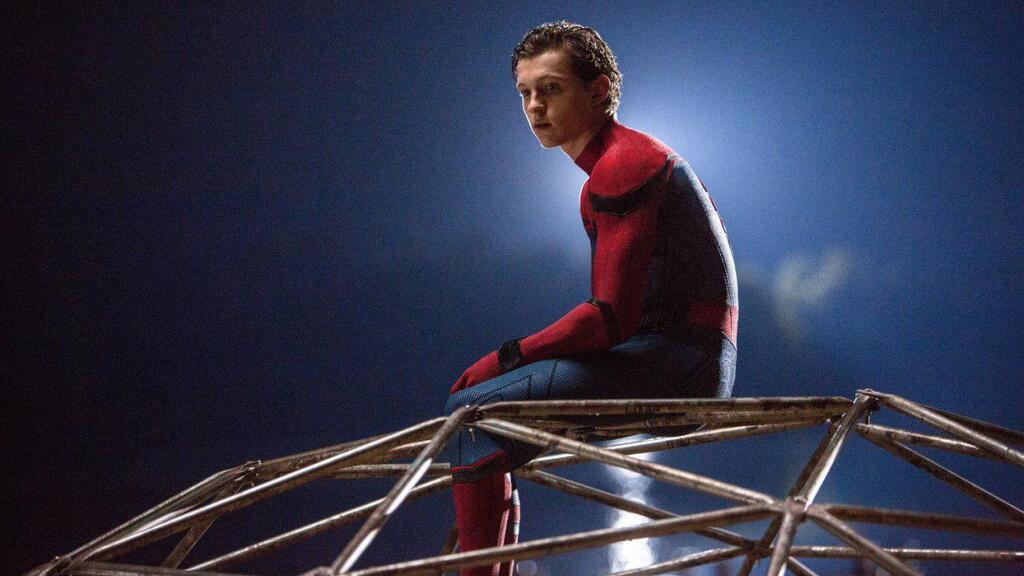
Just a kid. From 'Spider-Man: Homecoming'
(Photo: PR)
In other words, Spider-Man, or Peter Parker, is first and foremost a human being. Like you. And that is the secret of his appeal.
It is much easier for audiences to identify with a slightly confused teenager who makes mistakes and then does everything he can to fix them than with the godlike figures populating Marvel and DC.
“Spider-Man: No Way Home,” for example, was essentially built around exactly that: Peter makes an enormous mistake while simply trying to help his friends. In one way or another, nearly every Spider-Man movie has included the same element — including “Brand New Day,” though we will spare you the spoilers.
Peter screws up, accepts responsibility and fights tooth and nail to put things right, not always successfully. What could be more relatable than that?
2. Multiverse fever
Perhaps the smartest thing “Brand New Day” does is also the least grandiose: It returns to the person beneath the mask instead of wandering through the multiverse.
You know the drill by now. The concept of multiple universes was first introduced in “Loki” and then became something of a raison d’être for the MCU in movies such as “Spider-Man: No Way Home,” “Doctor Strange in the Multiverse of Madness,” “Ant-Man and the Wasp: Quantumania” and plenty more.
For many viewers, the multiverse has become the MCU’s central affliction in its current incarnation, at least from a storytelling perspective. It is an endless excuse to complicate characters’ lives by confronting them with alternate versions of themselves, villains from another universe or pretty much anything else, provided it comes from another universe.
It is exhausting. And it weakens the stakes because the very premise of the multiverse promises limitless possibilities. When it is overused — and Marvel has overused it — viewers can begin to feel that no possibility really matters because, theoretically, anything can happen.
One of your favorite heroes dies? It was dramatic and emotional? Great. In the multiverse, you can simply replace him with another version from another universe and carry on. See: “Deadpool & Wolverine.”
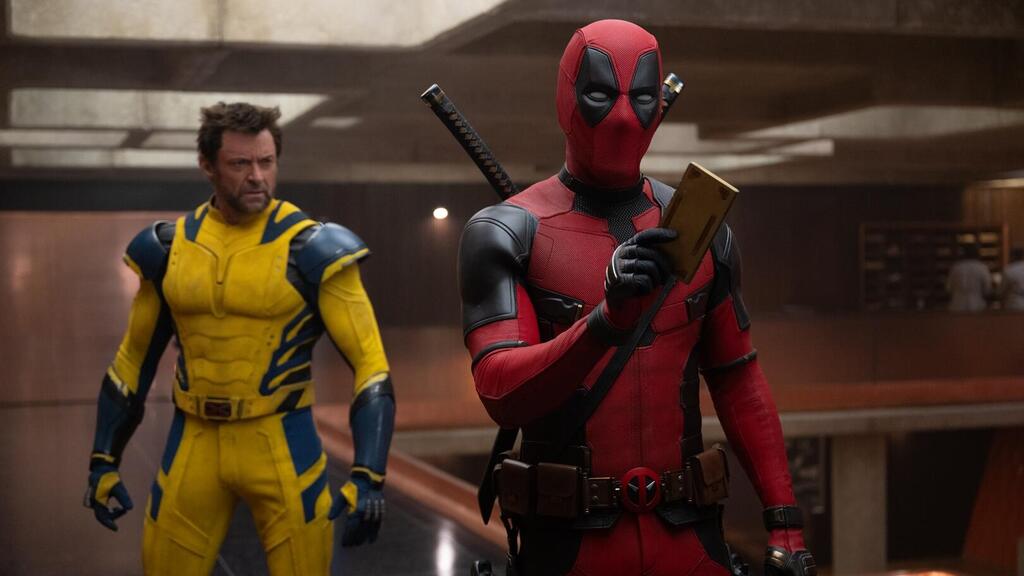
Uh... so which Wolverine are you? Universe 669 or something? From 'Deadpool & Wolverine'
(Photo: Courtesy of Forum Film)
Beyond that, the twists and turns of the multiverse require a lot of homework. Ask some less devoted viewers how they felt when they arrived at “Doctor Strange in the Multiverse of Madness” only to discover they really should have watched “WandaVision” first to understand the motivation of its antagonist, Wanda Maximoff, aka Scarlet Witch, played by Elizabeth Olsen.
Nice movie and all, but seriously, couldn’t someone have warned us that we needed to get through nine episodes of television first?
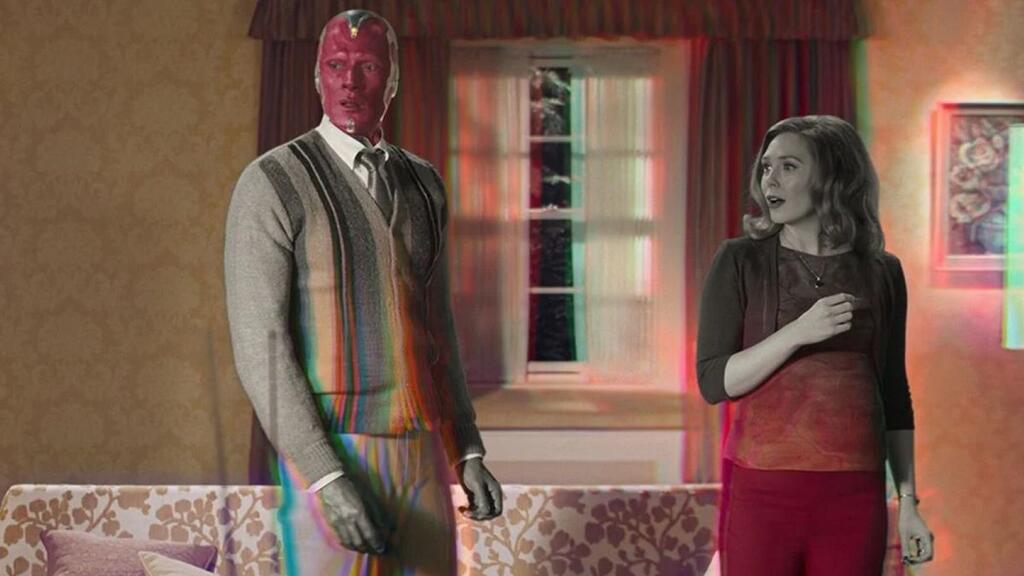
Did you do your homework? From 'WandaVision'
(Photo: Disney+)
And then along comes “Brand New Day,” which chronologically follows “No Way Home” in Spider-Man’s story — perhaps the most excessive example yet of Marvel’s multiverse obsession, one that also squeezed every possible drop of nostalgia from the concept by bringing together previous Spider-Men and villains from earlier film series. It worked spectacularly at the time, but audiences have had the multiverse coming out of their ears ever since.
So what does the new movie do? It shrinks everything back down to normal, human proportions. At the end of “No Way Home,” Peter sacrificed his personal life to save the world. Everyone forgot him, including the people closest to him. He is alone, and that detail matters because after years in which Marvel movies kept getting bigger and bigger, “Brand New Day” discovers that audiences can still be moved by a much smaller story: a young man trying to figure out who he is and what he has left.
Contrary to what the MCU’s decision-makers seemed to believe, audiences never asked for another universe. They wanted more of their favorite superhero. And that is what the new movie gives them.
3. Remember when Spider-Man movies were fun?
It may sound obvious, but amid all the discussion about the MCU, the multiverse, superhero fatigue and the future of the genre, it is easy to forget the simplest fact of all: Spider-Man is fun.
You do not always need a thesis about the cinematic universe. Not every movie needs to wrestle with questions about fate and the nature of reality, and not every hero has to save the cosmos before dinner. Sometimes all you need is a guy in a mask leaping from a rooftop, shooting webs, landing on a car and charging into a fight in which he takes plenty of hits before eventually winning.
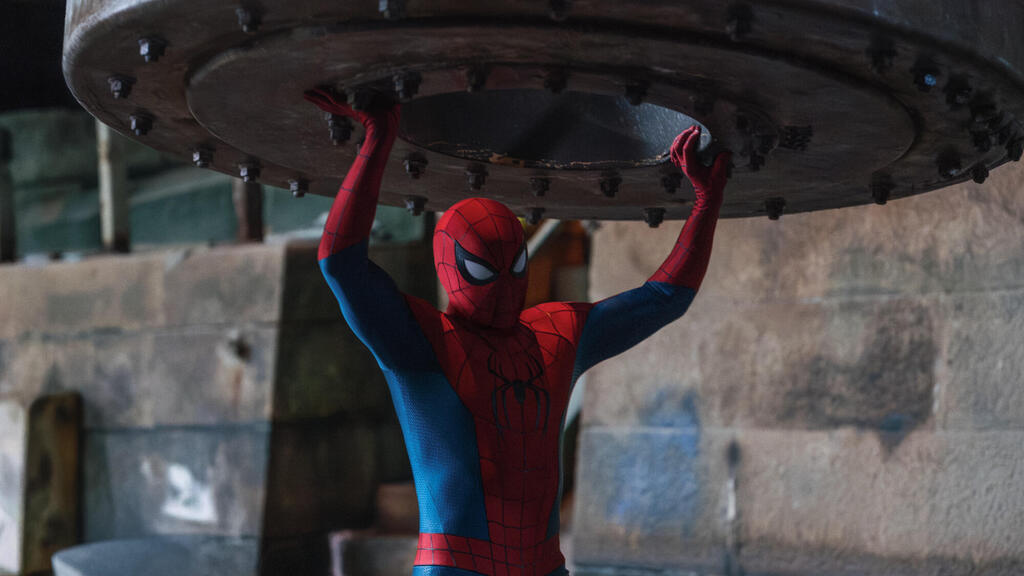
Let Spidey win. From 'Spider-Man: Brand New Day'
(Photo: Courtesy of Forum Film)
Here is the problem: In recent years, every new MCU movie has felt as though it first needed to explain itself in relation to dozens of earlier movies and series, while clarifying exactly where we currently stand in the sprawling story unfolding across multiple platforms.
Instead of simply getting his money’s worth in entertainment, the viewer found himself wondering who appeared where, which event happened in which timeline and who was supposed to return in the next movie. Did your homework? Great, you may enter.
“Brand New Day” does something superhero movies have occasionally forgotten how to do in recent years: It is generous to the audience. Not by giving us another bloated cameo — though the presence of Hulk/Bruce Banner feels unnecessary; we will go along with Punisher/Frank Castle for now — or yet another tiresome reference. It is generous in the sense that it gives audiences the thing they actually paid to see.
Want to watch Spider-Man swing between New York skyscrapers? Here you go. Want fights that are not against some terrifying cosmic force? Done. Want the jokes and wisecracks while he is getting pummeled? They are there too. Want a villain whose threat can be understood without a flowchart? Consider it handled.
That may sound less sophisticated than grand arguments about Marvel’s future, but it is precisely where much of the story lies. At some point, superhero movies became products that had to justify their existence within a machine larger than themselves: expand the universe, set up the next movie, introduce a new character, plant a clue, explain something that happened in that series and make sure there is something after the credits that prompts audiences to pull out their phones. Amid all of that, simply making a fun Spider-Man movie became almost radical.
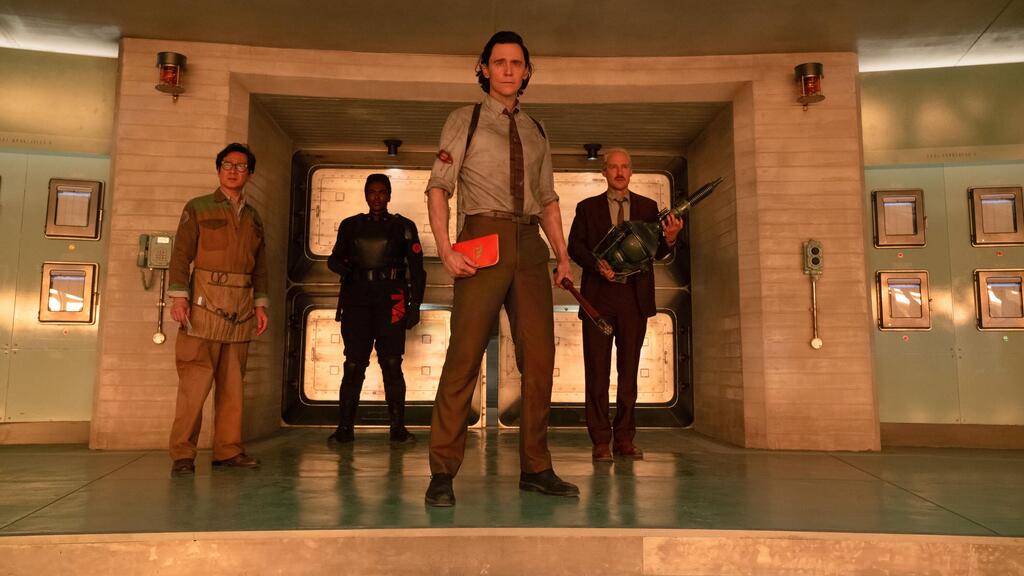
You need a flowchart for this. From 'Loki' Season 2
(Photo: Courtesy of Disney+)
That also helps explain why reviews of the movie, even the more reserved ones, keep returning to the same basic elements: the action, pacing, chemistry, humor and Tom Holland’s ability to carry another movie on his shoulders.
Even critics who were unimpressed by the screenplay found moments in which the movie simply fulfills the basic job of a summer blockbuster: delivering big-screen entertainment without requiring you to rack your brain trying to figure out what the hell is going on. Even the action follows that principle. Director Destin Daniel Cretton gives it clean, comprehensible choreography that lets viewers follow what is happening rather than merely register colors and shapes flying across the screen.
It may technically be another link in the mighty MCU chain, but while watching it, you do not feel as though it is. And that is exactly the point.
4. The marketing turned the movie into a mystery — and audiences did the rest
In an era when an entire movie’s plot can often be reconstructed from three trailers, and sometimes just one, “Brand New Day” managed to do something increasingly difficult: make audiences genuinely want to find out what happens. The trailer did not simply introduce a hero, a villain and several action scenes. It revealed enough to raise questions while leaving enough gaps for fans to fill in themselves.
In the age of social media, that is an enormous advantage. Once the trailer ends, the movie continues to live online. Frames are paused, analyzed and enlarged. Theories emerge. A mysterious character becomes a question mark. One line of dialogue generates dozens of explainer videos.
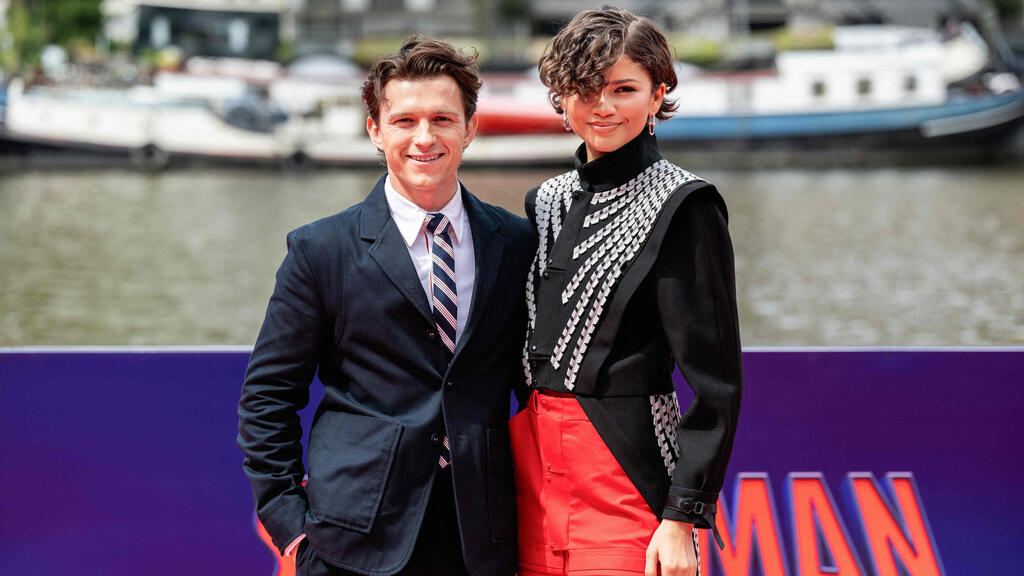
Zendaya and Tom Holland at the 2026 Amsterdam premiere of 'Spider-Man: Brand New Day'
(Photo: Simon Lenskens/ANP/AFP)
Then comes the figure that turns all of that into more than ordinary online hype: 718.6 million views within 24 hours. That is a historic record. The previous record-holder, “Deadpool & Wolverine,” had 365 million views, meaning “Brand New Day” nearly doubled it.
That number did not materialize out of nowhere. Sony’s campaign did not stop with the trailer. It pushed Spider-Man into places where audiences were already spending their time. One prominent move was a broad partnership with Amazon that included a dedicated page, branded products, promotions, exclusive experiences and advance screenings for a lucky few.
At the same time, Sony connected the movie to sports through a partnership with the New York Mets. Mets star Juan Soto appeared in a spot alongside Spider-Man and mascot Mr. Met, while Jacob Batalon, who plays Ned, threw out the ceremonial first pitch during a special event promoting the movie.
But perhaps the campaign’s most important marketing tool was what it did not provide: answers. The first trailer showed plenty, but it left enough question marks for fans to start taking it apart frame by frame. Before long, analyses appeared comparing different versions of the trailer released in different markets, along with speculation about characters and bets on what the movie was hiding. Some theories proved completely wrong, while others remained just that — theories. But from a marketing perspective, the discussion itself was immensely valuable. Instead of ending the conversation, the trailer started it.
5. A cinematic event — this time for younger audiences
There is another explanation for the rush to see “Spider-Man: Brand New Day,” and it has nothing to do with Marvel. Sometimes audiences are simply hungry for a movie that feels like an event. The kind you do not casually watch while folding laundry, or heaven forbid on your phone. The kind that justifies leaving the house, buying a tub of popcorn the size of a horse trough and standing in a line stretching all the way to Zara on the floor below. After a period in which many major movies arrived with a sense of, “Nice, but I can wait for streaming,” this summer has reminded us that there are still movies people want to experience in a theater.
The most obvious example is Christopher Nolan’s “The Odyssey.” It did not merely succeed at the box office; it became a cultural event, with a relatively older audience rushing to IMAX screenings, 70mm screenings and essentially any theater willing to show it on the biggest possible screen. That was the promise: not another movie you could get around to eventually, but an experience you had to be there for.
Nolan gave adults their cinematic-event fix — a huge, ambitious movie packed with stars and effects, along with that slightly forgotten feeling that this was something you simply had to see in a theater.
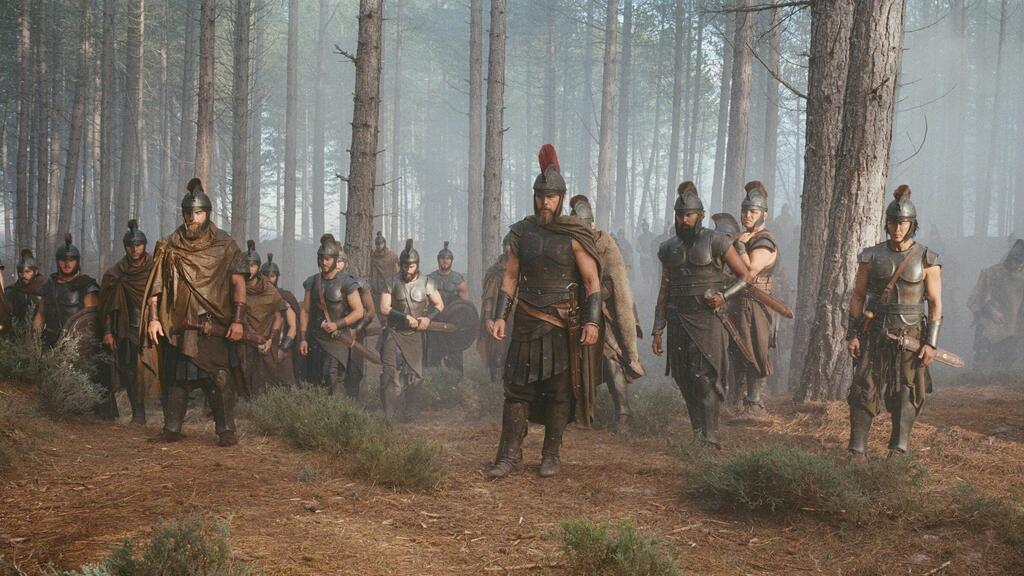
Give us an epic that feels like an event. From 'The Odyssey'
(Photo: Courtesy of Tulip Entertainment)
Then Spider-Man arrived and gave a younger generation the same fix. That does not mean children and teenagers skipped “The Odyssey,” of course. But most of its audience was older, and you can be sure that plenty of the younger people who did see it rushed back to theaters two weeks later for “Brand New Day.” In short, every generation gets its own cinematic event.
The difference in the two movies’ box office performance — “Brand New Day” is expected to finish its theatrical run with roughly twice the earnings of “The Odyssey” — can be attributed in part to Spider-Man’s appeal among the enormous 18-to-49 demographic, the group with significant purchasing power toward which much of pop culture is geared.
The success of both “The Odyssey” and “Spider-Man: Brand New Day” is particularly significant after a year that produced plenty of major hits — “Toy Story 5,” “The Super Mario Galaxy Movie,” “The Devil Wears Prada 2” and others — but not necessarily a sustained run of theatrical events that crossed generations. There were successful movies. There were major hits. There were surprises. But the summer itself has been relatively barren cinematically, and in that environment, “Brand New Day” arrived with the right character at the right moment for an audience hungry for another event.
In that sense, “The Odyssey” and “Brand New Day” are almost two sides of the same phenomenon. Nolan took a classical epic and turned it into something audiences felt they had to experience on the big screen. Marvel and Sony took the superhero most closely associated with modern blockbuster cinema and turned him into an event again.
The first gave adults the feeling of, “I have to see this in a theater.” The second gave that feeling to younger audiences. And both proved, each in their own way, that moviegoers have not really abandoned theaters. They are simply waiting for a good enough reason to come back.