

Yael, a character in a novel by author Meg Keene, was supposed to become Sue. According to Keene, that was one of the recommendations she received from a literary agent, herself Jewish, when she tried to sell a book featuring Jewish characters. Keene, the author of two wedding guides that sold more than 150,000 copies, was also asked to remove Hebrew terms of endearment, scenes set in Israel and a Star of David from the manuscript. An Israeli name, the agent explained, could raise a red flag with editors. Keene did not sign with her and did not change the book. The novel did not find a publisher.
The account appears in an unusual new report by the Anti-Defamation League examining the place of Jews and Israelis in American culture since October 7. The project includes an assessment of 40 art museums, documentation of cancellations and harassment in the performing arts and a report on the publishing industry.
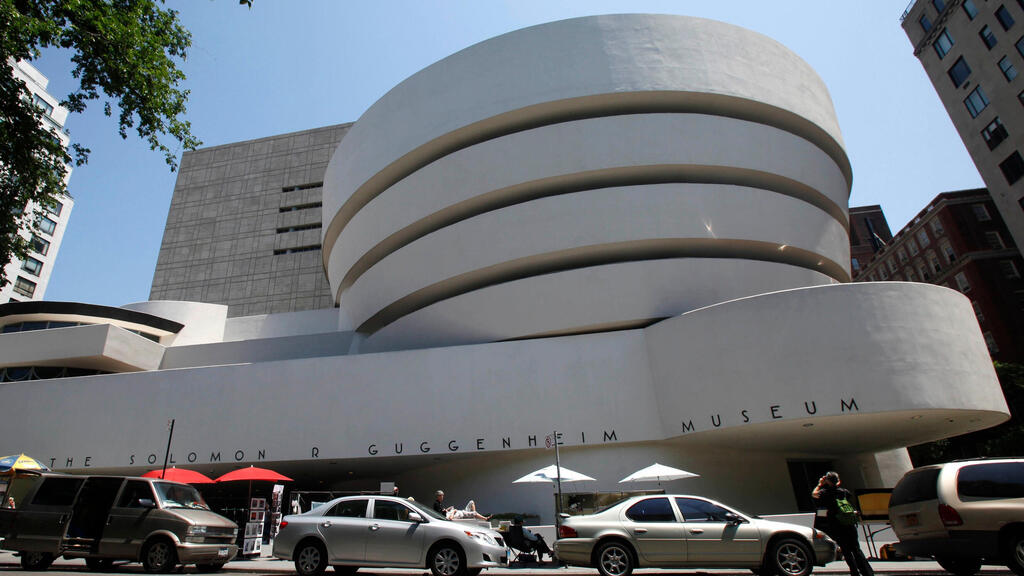
The researchers’ central argument is that even institutions that pride themselves on diversity and freedom of expression struggle to protect Jewish and Israeli creators and sometimes take part in excluding them. Alongside negative ratings for museums including the Whitney and Guggenheim, the reports document protests and threats aimed at preventing performances by Jerry Seinfeld, the Batsheva Dance Company and Israeli singer Raviv Kaner.
The researchers examined how much representation Jewish and Israeli artists receive, how Jewish identity is presented in their work, what educational programs are offered and whether visitors have a clear way to report antisemitism. The review was based on publicly available information and outreach to the institutions, half of which participated in reviewing the findings before the ratings were finalized.
Thirteen of the 40 museums — nearly one-third — were placed in the lowest category, “Critically Deficient.” The list includes the Whitney in New York, The Broad and LACMA in Los Angeles and the San Francisco Museum of Modern Art. The Broad’s collection, for example, includes works by Jewish artists Roy Lichtenstein, Barbara Kruger and Julian Schnabel, but according to the researchers their presence is not accompanied by meaningful engagement with Jewish identity, history or culture. The researchers found no verified representation of Israeli artists in the collection or exhibitions during the period examined.
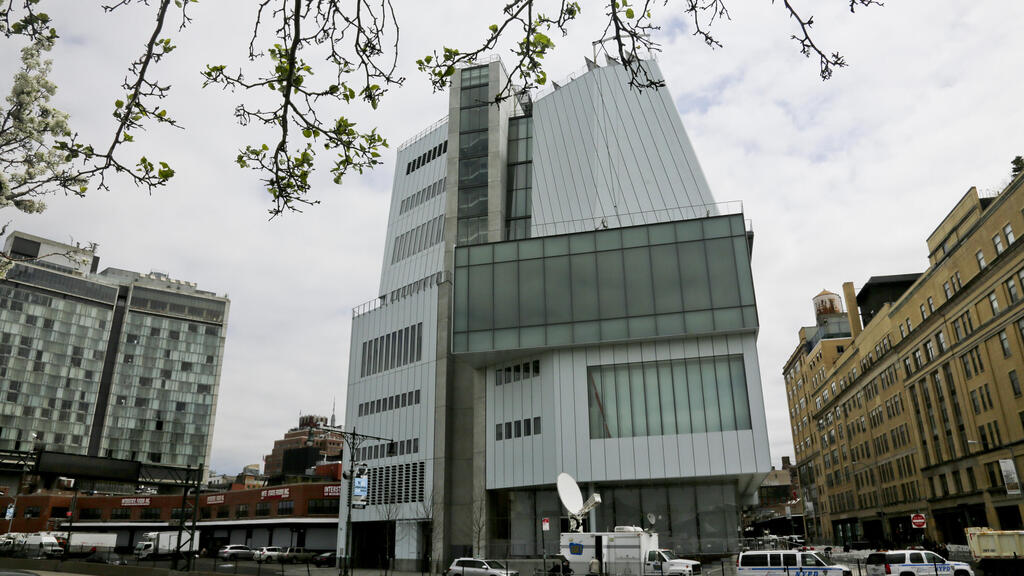
Whitney Museum of American Art
(Photo: AP)
The researchers also found positive aspects at the Whitney, including programs dealing with the Jewish diaspora and works by Michal Rovner in its collection. However, they said they found no clear, dedicated mechanism for reporting discrimination and no publicly stated policy explicitly prohibiting antisemitism. The review mentions red paint being splashed on the museum’s entrance and a work in the 2024 Biennial that alternately displayed the words “Free Palestine.” The museum said at the time that it had not known about the message in advance but did not remove the work.
The Guggenheim in New York, named for its founder, Jewish art collector and philanthropist Solomon R. Guggenheim, was placed in the report’s second-lowest category. The researchers credited it with a significant collection of Jewish art, including works by several Israeli artists, among them Yael Bartana, Ori Gersht, Yaacov Agam and Michal Rovner. However, according to the researchers, Israeli art had a limited presence in the museum’s exhibitions overall during the decade examined.
'Jewish artists are being canceled, blacklisted and pushed out of American cultural life. We knew the situation was bad, we just didn’t know how bad' - ADL CEO Jonathan Greenblatt
By contrast, the Museum of Modern Art, or MoMA, and the Metropolitan Museum of Art in New York received positive ratings. MoMA was praised for its representation of Rovner, Bartana and Sigalit Landau and for programming related to Jewish culture. At the Met, the report highlighted Judaica collections including shofars, ketubahs and a manuscript of Maimonides’ “Mishneh Torah,” as well as research into works looted or sold under duress during the Nazi era.
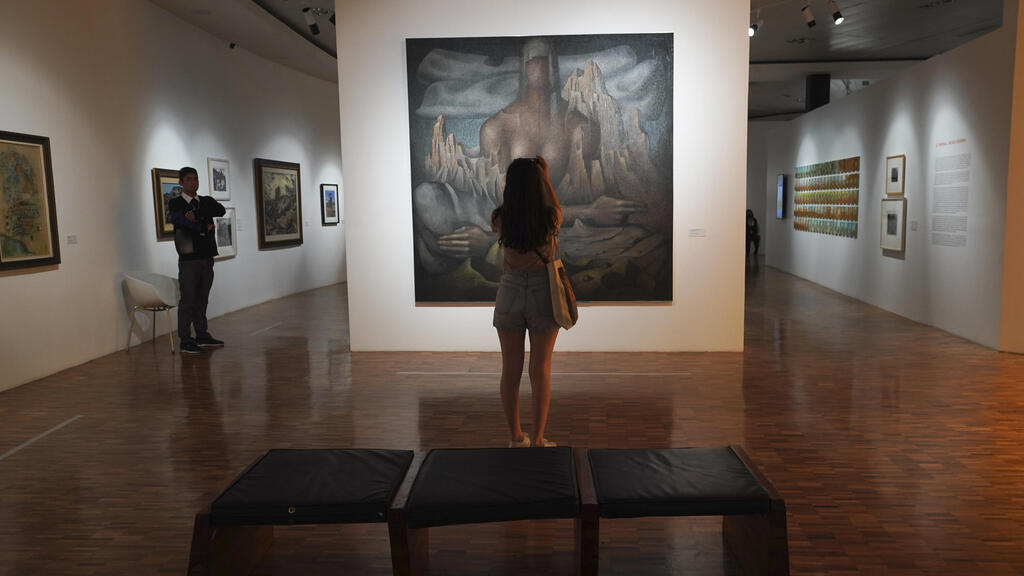
Museum of Modern Art (MoMA) in New York
(צילום: Marco Ugarte/AP)
The highest rating went to just one institution: the University of California, Berkeley Art Museum and Pacific Film Archive. Despite pro-Palestinian protests on campus, it hosted, among other programming, a solo exhibition by Rina Kimche and continuing programs on Jewish culture.
One of the report’s notable findings concerns Jewish American Heritage Month, observed in May. The only museum to recognize the month in 2026 was the Museum of Fine Arts, Boston, through Instagram posts. That same year, 24 of the museums marked other heritage months. Six had recognized Jewish American Heritage Month before the start of the Gaza war, five subsequently stopped and the remaining institution did not hold dedicated programming. The Met, for example, marked the month in May 2023 but not during the following three years. Museums that do not observe heritage months at all were not penalized in the ratings.
“Jewish artists are being canceled, blacklisted and pushed out of American cultural life,” ADL CEO Jonathan Greenblatt said. “We knew the situation was bad, we just didn’t know how bad.”
The report on the performing arts lists 65 incidents at 41 venues across the United States through August 2026. They include protests that did not result in cancellations. The most recent case is a campaign calling for the cancellation of Jerry Seinfeld performances scheduled for October in Washington. Other cases include calls to cancel Batsheva Dance Company performances at the Brooklyn Academy of Music and the vandalism of the building with red triangles on the day an Israeli company was scheduled to perform.
Raviv Kaner announced in January 2025 that he was canceling a U.S. tour following threats, including Telegram organizing aimed at disrupting the performances and intimidating audiences. Matisyahu faced repeated cancellations and Michael Rapaport lost appearances because of security concerns.
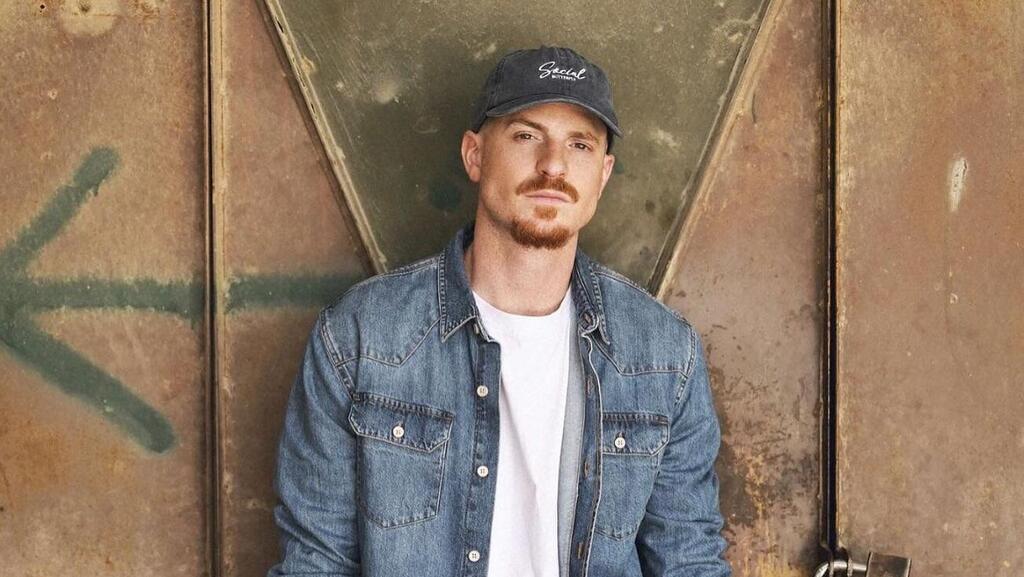
Israeli singer Raviv Kaner
(Photo: Eran Levy)
The researchers call the phenomenon a “security veto”: the threat of disruption allows an artist’s opponents to influence whether the performance takes place at all. They also note that some cases involve genuine threats and that not every protest or cancellation decision is antisemitic.
The report also includes the cancellation of Israeli comedian Guy Hochman’s Beverly Hills performance in January this year after he refused a demand to declare that he did not support the “genocide, rape, starvation and torture” of Palestinians. The theater later reversed course, apologized and offered to reschedule the performance. Hochman declined to return.
Concerns that Israeli artists will drive audiences away are not necessarily reflected in an accompanying survey. In the online poll, designed to be representative of the overall U.S. population, 75% of the 951 respondents said they would be willing to attend a performance by an Israeli artist, while 73% said they would buy a book that interested them even if it included Israeli themes or characters.
In publishing, the report is based on more than 30 interviews and previous reports. It describes authors being asked to downplay Jewish elements, losing agents and book-launch events and being placed on online blacklists. A spreadsheet circulated under the heading “Is your fave author a Zionist?” classified writers according to their views on Israel, including categories for those whose positions were unclear or who presented both sides, and encouraged readers to avoid buying their books.

Sally Rooney, author of 'Normal People,' refused to give translation rights to a Hebrew publisher
(Photo: Getty Images)
The report also revisits an October 2024 call to boycott Israeli publishers, literary agencies and festivals that the signatories alleged were complicit in harming Palestinians or had failed to sufficiently oppose it. Among the more than 1,000 initial signatories was Sally Rooney, author of “Normal People,” who had already refused in 2021 to sell Israeli publisher Modan the Hebrew translation rights to one of her books unless it complied with the conditions of the boycott movement against Israel. The ADL argues that the demand imposes a political test as a condition for cooperation with Israeli cultural institutions.
Author and Emmy Award winner Jean Meltzer describes an attack that began on the publication day of her romance novel “The Matzah Ball,” before October 7. According to Meltzer, it was triggered by a joke by the protagonist about being a Mossad agent. The book’s Goodreads page was flooded with one-star reviews.
“Someone even found my husband online and wrote to him: ‘I hope your Jewish wife chokes in her sleep and dies,’” she told the researchers.
The 10 museums in the highest rating categories:
1. Berkeley Art Museum and Pacific Film Archive (BAMPFA), Berkeley — the only institution to receive the Gold Standard rating
2. Museum of Modern Art (MoMA), New York
3. Hammer Museum, Los Angeles
4. Institute of Contemporary Art, Boston (ICA)
5. Metropolitan Museum of Art, New York
6. Brooklyn Museum, New York
7. Cleveland Museum of Art
8. Detroit Institute of Arts (DIA)
9. Museum of Fine Arts, Boston (MFA)
10. National Gallery of Art, Washington
The nine museums following Berkeley received a “Good Showing” rating, the second-highest category.
Ten of the museums that received the lowest rating, “Critically Deficient”:
1. Whitney Museum of American Art, New York
2. Los Angeles County Museum of Art (LACMA)
3. The Broad, Los Angeles
4. Museum of Contemporary Art, Los Angeles (MOCA)
5. San Francisco Museum of Modern Art (SFMOMA)
6. de Young Museum, San Francisco
7. Philadelphia Museum of Art
8. Walker Art Center, Minneapolis
9. High Museum of Art, Atlanta
10. Contemporary Arts Museum Houston
Thirteen museums in all received the lowest rating. The other three were the Institute of Contemporary Art, Los Angeles, the Institute of Contemporary Art San Diego and The Contemporary Austin.