

Over three decades after audiences first met Woody and Buzz Lightyear, the beloved toys return for another adventure in Toy Story 5, proving that some stories never lose their magic. The latest film arrives seven years after the previous installment, when many felt the journey had reached a perfect ending for the beloved characters.
However, it seems that letting go was difficult for Disney and Pixar. After all, the Toy Story films have been a box office powerhouse and remain deeply beloved by audiences around the world. Inevitably, that combination of cultural impact and commercial success led to a fifth installment in the continuing story of the toys that have passed from child to child over the years.
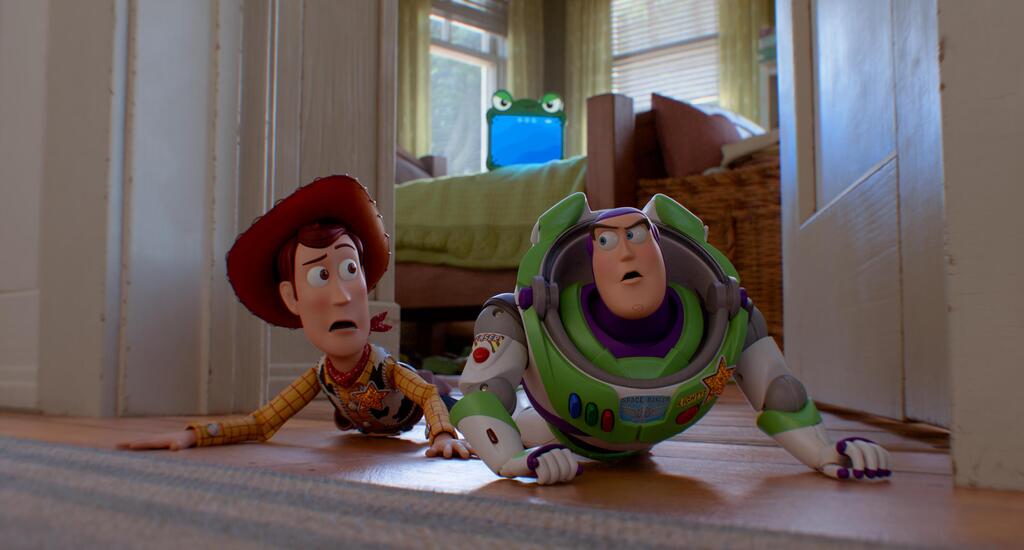
Directed by Andrew Stanton and Kenna Harris, the film explores what happens when classic toys find themselves competing with a world increasingly dominated by technology. As children become more attached to screens and digital entertainment, Jessie, Woody, Buzz and the rest of the gang must once again discover what makes them special and why the bond between a child and a favorite toy can never truly be replaced.
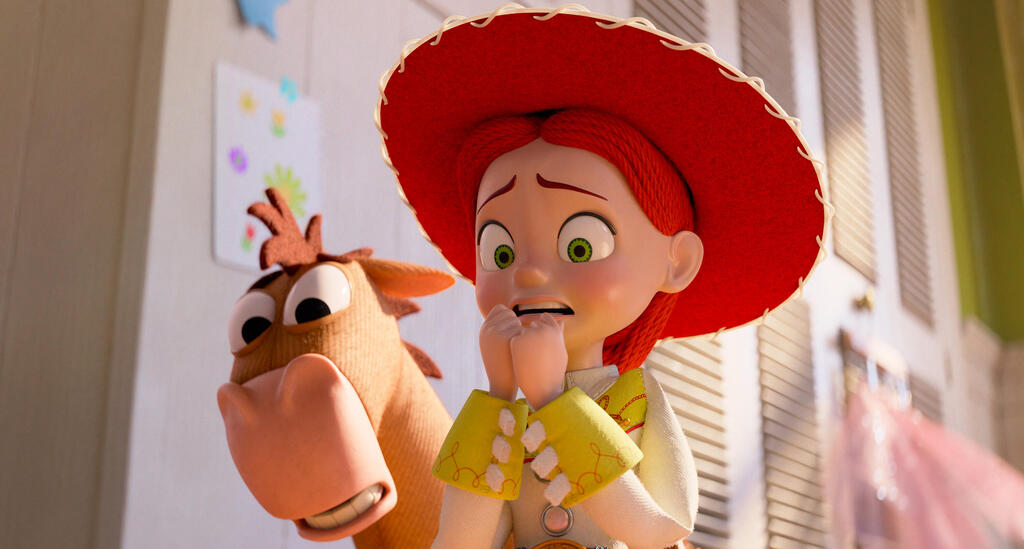
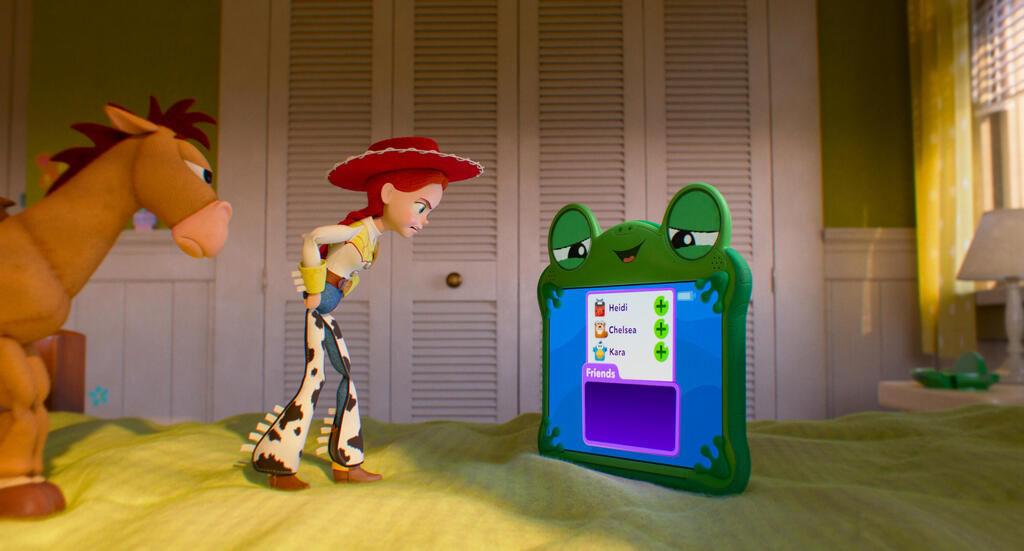
The film starts with Bonnie, a sweet eight year old girl who is playing with Jessie, the spirited cowgirl. This is her favorite toy until she gets a tablet called Lily. Captivated by her digital companion, she gradually spends less time playing with her toys, leaving Jessie and the rest of the gang worried that they are being left behind.
(Photo: Pixar )
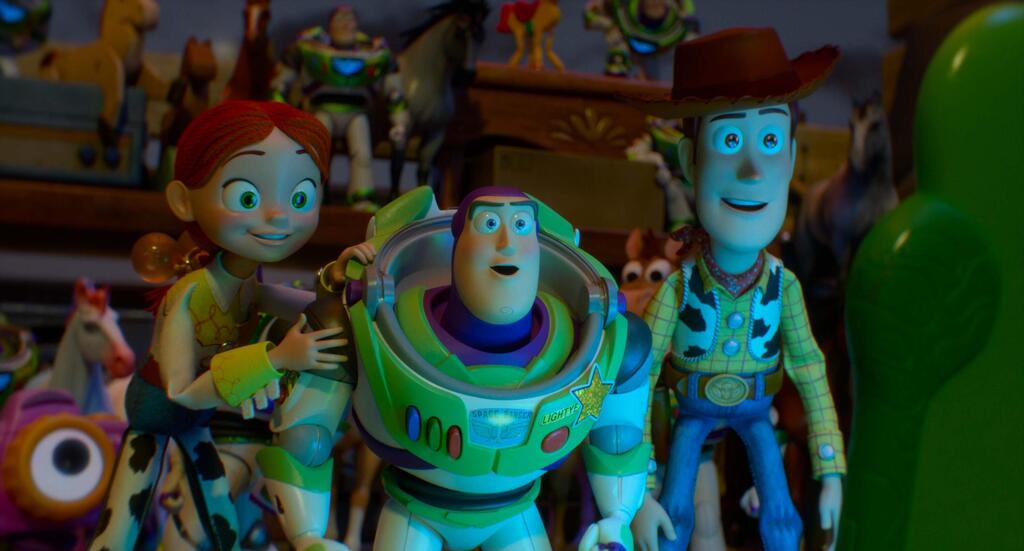
Determined to help Bonnie reconnect with real friendships and with the imagination that has always made playtime so special, Jessie embarks on an unexpected adventure that reunites her with Woody, Buzz and a host of new characters.
It wouldn’t be fair to compare this film to the earlier entries in the series, especially the first one, which was a 10 out of 10 in terms of storytelling, character introduction and Randy Newman’s iconic score. Still, this film has its own magic and story to tell, even though the theme of technology encroaching on children’s playtime has been explored many times before.
Although this is Andrew Stanton's first time directing a Toy Story movie, the franchise has been part of his career from day one. Having helped write every film in the series, he knows Woody, Buzz and the rest of the gang as well as anyone at Pixar, making him a natural choice to helm the latest chapter.
When did it click for you that Toy Story could move beyond a single film and actually include multiple movies in the franchise?
Andrew Stanton: Well, I could go on and on about this because some ideas just feel like they want to go further. I think back to when we were cracking Toy Story 3 around 2007 or 2008 on an offsite. Someone joked, “What if we just let Andy go to college?” We all laughed, and then it got quiet. Then someone said, “No, seriously, what if we let Andy go to college?” And suddenly it clicked for me. I realized our toys don’t age the way humans do. They’re like little “time travelers,” while everything around them keeps moving.
That opened up the possibilities for me. I started thinking: what if there were Andy years, then Bonnie years, then other kids after that? You don’t have to repeat yourself because every child, every home, every time period is different. But the toys can be the constant, the observers moving through all these different lives and moments.
It sounds like part of what makes the Toy Story universe so expandable is the way it captures different stages of a child’s life. Can you talk about that idea of skipping through time and how it shaped the sequels?
Andrew Stanton: You think about how many hours of play happened in a toy's life and with one child that would, you know, if you documented all that, we'd have a hundred movies. So we just are skipping to these key moments for over three films of a child's life and then another.
And so I feel so satisfied that we can tackle another child, another place and not repeat ourselves. And I feel like that's not always a promise on making other sequels, but this world does because of its subject matter.
(Photo: Pixar )
Toy Story 1 was a major milestone as the first fully computer animated film. What do you feel this new chapter brings as a milestone in its own way?
Kenna Harris: We’ve been testing this film with audiences, and it felt very daunting to make a movie about kids struggling with boundaries with tech when in real life we also haven’t mastered that at all.
And a lot of people early on when we were developing it so desperately wanted us to pick a path, like Lily’s evil, she’s bad, and then you blow her up. And that didn’t feel authentic.
I actually feel the film is coming at a very integral time where a lot of young people are going, “I’ve had enough. I want to be free of my tech. I don’t want it to own me.” And the movie, I think, empowers audiences in that way.
In this film, you shift the spotlight more toward Jessie instead of Woody like in previous installments. What led to that creative decision?
Andrew Stanton: To me, Woody was resolved. We’d drawn from that well as many times as you possibly could and being honest about the progression of life.
And you kind of put him in this grandfather, “what do I do with myself?” stage in the last movie. And I just said it’s time to teach and train the audience and the studio that we can emphasize the spotlight of a main character status on somebody else and start opening that up. Doesn’t mean we get rid of characters, but we’ve seen this in other shows and movies where there’s a shift like that, and she had a deep, deep, deep well.
And when they asked me to come on to do 5, there wasn’t an idea yet. And I said, “Let me write a crappy first draft first,” because I always write a crappy first draft, but it tells me where I’m interested. And the major ingredients of that first draft were make it about Jessie, and make it about the truth that toys are being played with less and less with devices.
I always just thought Jessie had so much to contribute. And that was sort of why I pushed when I came onto Toy Story 4. I said, "Make sure Woody gives her the badge and just let's legitimize that she runs the bedroom when we come. So if there is a next movie, she's running the show and we're already accustomed to, "She's the lead toy now."
The film explores the impact of technology and screen time on children’s play and imagination. What were you hoping to dig into thematically with this story, especially from a parent’s perspective?
Andrew Stanton: Well, we all have opinions, 30 years difference, parents here. I had early adopters as my kids are in their 30s now.
It’s definitely everything in moderation. I just don’t think we’ve figured out the regulation and the moderation just yet. It feels like it’s going in that direction, but the one thing we were honest about is that it’s not going away.
There’s something being lost in remote friendships that needs to be revived or treasured and protected, because there’s also a lot of false remote friendships being made. So we really leaned into that idea.
Our big thing was: it’s not going away, so how does it still be useful? We made it a character, so we couldn’t just “kill it off,” but we could let it become more aware.
She’s built like a toy. She’s designed to do what’s best for children. And we thought, what would a device like that be? It would be like a helicopter parent and a personal assistant, always pushing you. “We’ve got to get into Harvard now,” constantly tracking everything.
And the realization we had is that this kind of device wouldn’t be competitive at all. It just wins by showing up.
Given that idea of tech as something that “just wins,” do you think kids today still have space for imagination and traditional play in the way Toy Story celebrates?
Andrew Stanton: Yeah, I think they do, but it’s competing in a much louder environment now. Imagination hasn’t gone away, it’s just got more distractions around it. What we were trying to hold onto is that sense of focus in play, where a kid can still disappear into a world of their own making, even if it’s harder to get there now.
(Photo: Pixar )
What made you decide to focus on a theme that, in some ways, isn’t new and has already been widely discussed?
Andrew Stanton: The millennials will really enjoy that. I felt we were late to the party talking about devices and the shrinking of toy times. That’s been going on for almost seven, eight years, for sure. I’ve been hearing people say their kids are stopping playing with toys at a younger and younger age.And so I thought, well, there’s already been a new generation of toy devices in that time, or devices that are played with. So these sort of early 2000s toys that are like the first generations and very limited in their technology, that’s what I always picture the tech trio as. And I like that they’re sort of like the nerds from the past trying to link up with the current ones.
We now see an older Woody, balding with a little belly. Why did you decide to age him like that, and what was Tom Hanks’ reaction to that version of the character?
Andrew Stanton: Well, you know, sometimes they come out of gags. That specific thing was done as a joke by one of our story artists. At first, when we started the draft, everyone was asking, “What do we do with Woody?” They’ve done everything with him.
And then it really was just this gag session where there was the bald spot, there was his little belly, and we just leaned into it. We realized he’s gone outdoors and become more of a guy in the field. His wardrobe changed a lot. He doesn’t care. He’s confident, he loves himself, he’s just living a calmer life.
Tom Hanks was hilarious. He would do little asides like, “Oh, my hip.” I think it’s still in there somewhere. And he improvised a lot of cute stuff for Woody.”
With a production budget reported at around $250 million and box office earnings already approaching $600 million worldwide, Toy Story 5 has clearly struck a chord with audiences once again. Given its strong commercial and cultural success, it wouldn’t be surprising if this isn’t the last time we see Jessie, Woody, Buzz and the rest of the gang on screen in the years to come. Rather than a final goodbye, this latest chapter feels more like a heartfelt “see you later” to a beloved group of characters who continue to prove that some stories are simply too timeless to ever truly end.