

Organizers of the Eurovision Song Contest on Monday announced a final list of 35 countries that will take part in next year’s music gala, after five countries said they would boycott over disagreements about Israel’s participation.
The lineup for the 2026 contest, scheduled for Vienna in May, was released after Iceland, Ireland, the Netherlands, Slovenia and Spain earlier this month said they planned to skip the event.
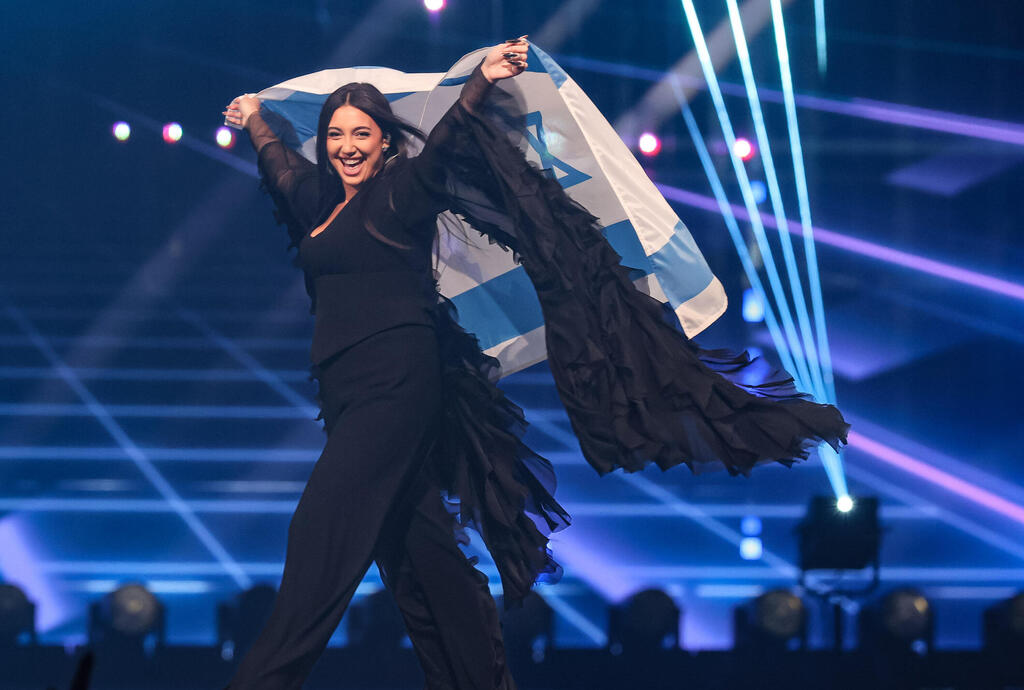
(Photo: Gil Nechushtan)
This year, 37 countries competed, with Austria’s JJ taking the title. Three countries — Bulgaria, Moldova and Romania — will return after missing recent editions for artistic or financial reasons.
The decision by some of the contest’s long‑standing and high‑profile participants — including Ireland, a country that shares the record for most Eurovision wins — has shifted political discord into the spotlight and dampened the typically upbeat spirit of the competition.
Last week, Nemo, the non‑binary Swiss singer who won Eurovision 2024 with the pop‑operatic song “The Code,” said they plan to return their winner’s trophy because Israel is being allowed to compete next year.
Contest organizers confirmed that Israel will participate, despite protests about its conduct of the war in Gaza and allegations that it manipulated voting in favor of its contestants.
The European Broadcasting Union (EBU), a consortium of public broadcasters from 56 countries that runs the annual event, has denied any vote‑rigging and introduced reforms intended to address concerns — but they did not satisfy the broadcasters who pulled out.
Eurovision, one of the world’s most‑watched entertainment programs with more than 100 million viewers each year, has been affected by the war in Gaza over the past two years, prompting protests outside venues and tighter enforcement against political flag‑waving.
Experts say the boycott, coming ahead of the 70th anniversary of the show, represents one of the biggest crises in Eurovision’s history, at a time when many public broadcasters face funding challenges and competition for viewers from social media platforms.
Israeli officials welcomed the decision by most EBU members to support Israel’s right to participate and warned that excluding musicians over political disagreements could undermine freedom of expression.