

The next time you step into the shower or brush your teeth, take a look at the ingredient list on the packaging. For most people, it reads like an indecipherable string of Latin letters and chemical terms, but for a growing group of consumers, that list is precisely the reason to abandon the shelf and start making personal care products at home.
What began as a niche trend among alternative-lifestyle enthusiasts has become a wider movement, fueled by social media: users, many of them women, who are replacing familiar drugstore and supermarket brands with shampoos, soaps, deodorants and toothpaste they mix themselves in their own kitchens.
The main motivation is control. In home-cosmetics communities, common industrial ingredients such as SLS, parabens, fluoride and aluminum are increasingly viewed with suspicion, with some consumers linking them to dryness, irritation, disruption of the skin’s natural barrier and possible long-term health concerns.
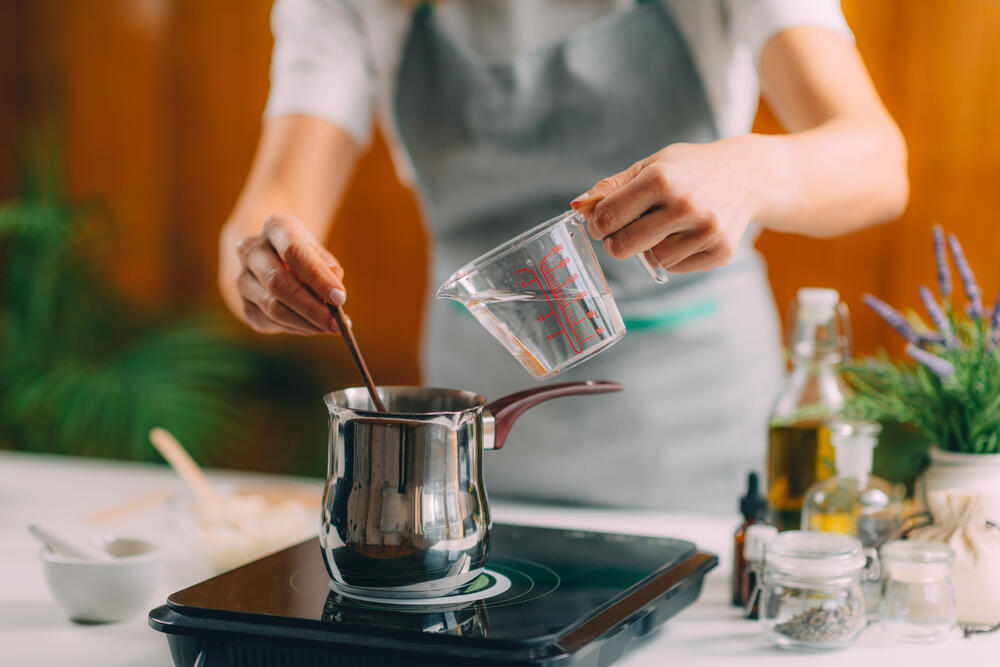
Beyond health concerns, DIY beauty gives users creative freedom and the ability to tailor products to their skin, hair and preferred scent. Supporters also cite long-term savings and an environmental upside, from cutting back on disposable plastic packaging to using raw materials they consider more natural and biodegradable.
The Israeli who turned his kitchen into a lab
Soof, a Reiki and aromatherapy practitioner, began making his own grooming and toiletry products after spending four years in Italy, where he says he was exposed to an old rural tradition of using medicinal plants and preparing everyday products at home.
He later decided to share that practical, nature-based knowledge with Israelis through social media, hoping, as he puts it, to promote greater health independence and revive knowledge he believes has been lost.
Which ingredients on store-bought product labels scared or troubled you most?
“The most familiar ingredient is SLS, which is found in shampoo, soaps and toothpaste. It is a strong cleaning agent derived from the industrial sector and is not suitable for skin or the mouth. Beyond that, there are petroleum-derived products like Vaseline, which give the body addictive moisture. Once you apply Vaseline, the lips stop producing moisture on their own, and the body becomes dependent.
“Another substance is synthetic fragrance containing phthalates, which disrupt hormonal balance. It is found in almost every product, including creams, makeup and laundry soaps, and harms fertility and the thyroid.”
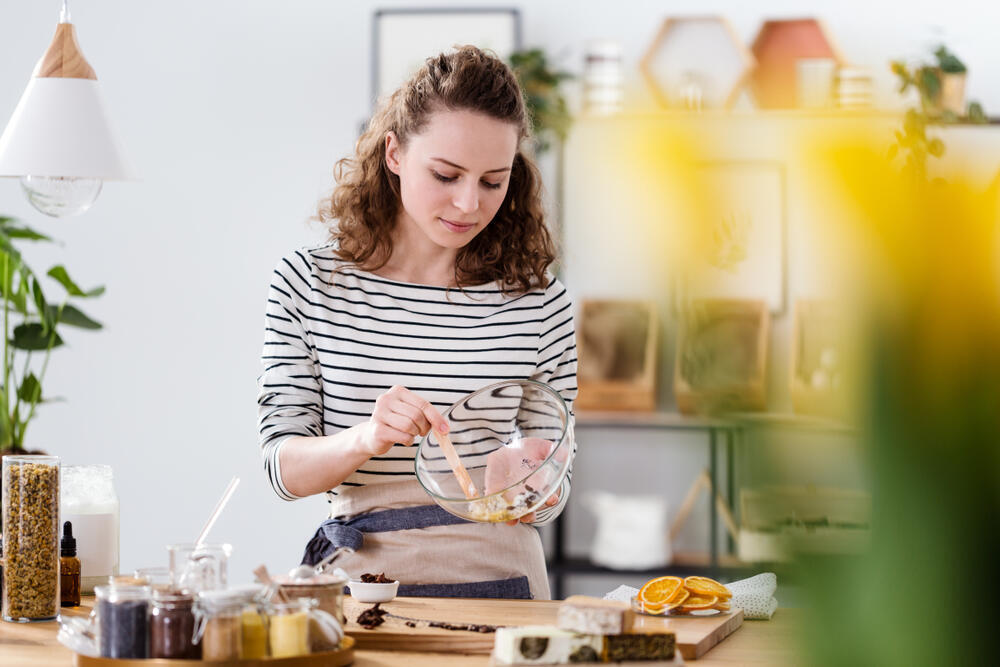
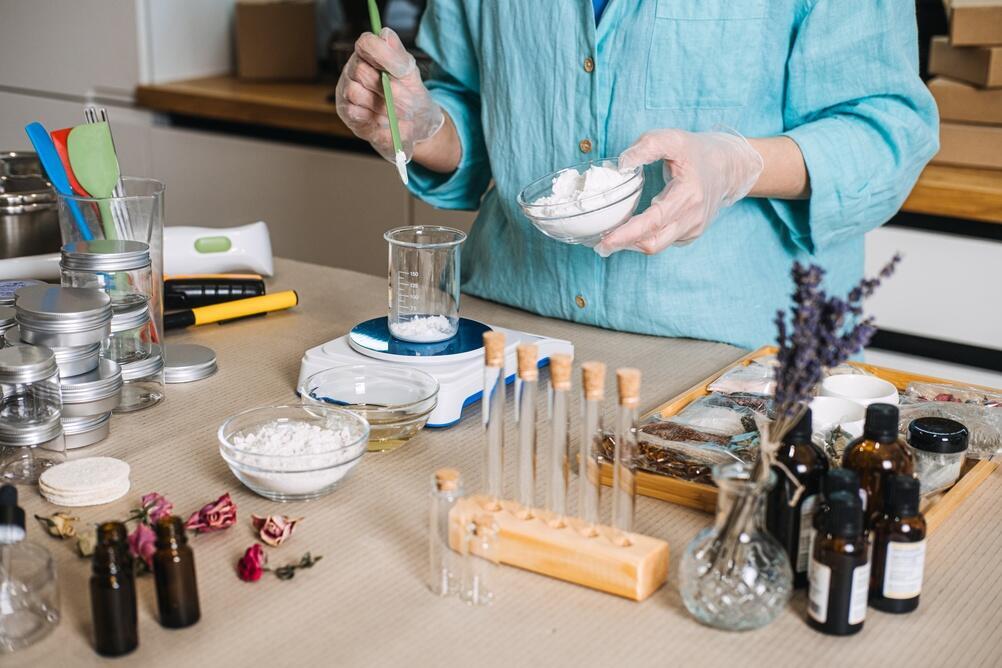
Everything needed for natural home formulation can be ordered with one click
(Photo: Ground Picture / Shutterstock)
The first product Soof made for himself was deodorant. “I bought a new deodorant, and the next day my whole body broke out in a terrible rash that was hard to get rid of,” he recalls. “I realized my body had simply rejected the industrial product, and that was when I discovered I could make natural deodorant at home.”
But is this something anyone can do?
“Of course. It’s very accessible. Israel has high-quality raw materials that are easy to find, and I buy from stores or small businesses that source special ingredients from around the world. With one click, you can order everything you need for natural home formulation. Hundreds of my followers have already started making deodorants, toothpaste and various ointments at home, because when there is demand, people find a way to meet it.”
How do you fit it into everyday life?
“A person making products for themselves can set aside one day a month, two or three at most. In one day, you can prepare enough deodorant or toothpaste for an entire month. It doesn’t take an unreasonable amount of time. As a rough comparison, in the two hours it takes someone to go to the mall, buy cosmetics and come back, I can make the same products at home.”
Do you feel your skin or hair has changed since making the switch?
“The most dramatic change was in my hair. When I used regular shampoo, even one labeled ‘natural,’ I would get terrible irritation on my scalp and my hair was dry and lifeless. From the moment I changed the way I clean and nourish my hair, in a way where I control what goes in, my scalp returned to balance, the dandruff stopped, the irritation ended and my hair became thicker and less dry.”
And is it financially worthwhile?
“It is cheaper. A store-bought toothpaste costs around 30 shekels ($8) and lasts a little over a month. For 50 shekels ($14), I can buy enough raw materials for natural toothpaste to last about a year. In cosmetics, a cream or serum can cost 300 to 400 shekels ($82 to $109), even though it may contain aggressive preservatives and synthetic fragrances. A serum is basically a blend of quality oils, and for 400 shekels ($109), you can make enough for an entire year.”
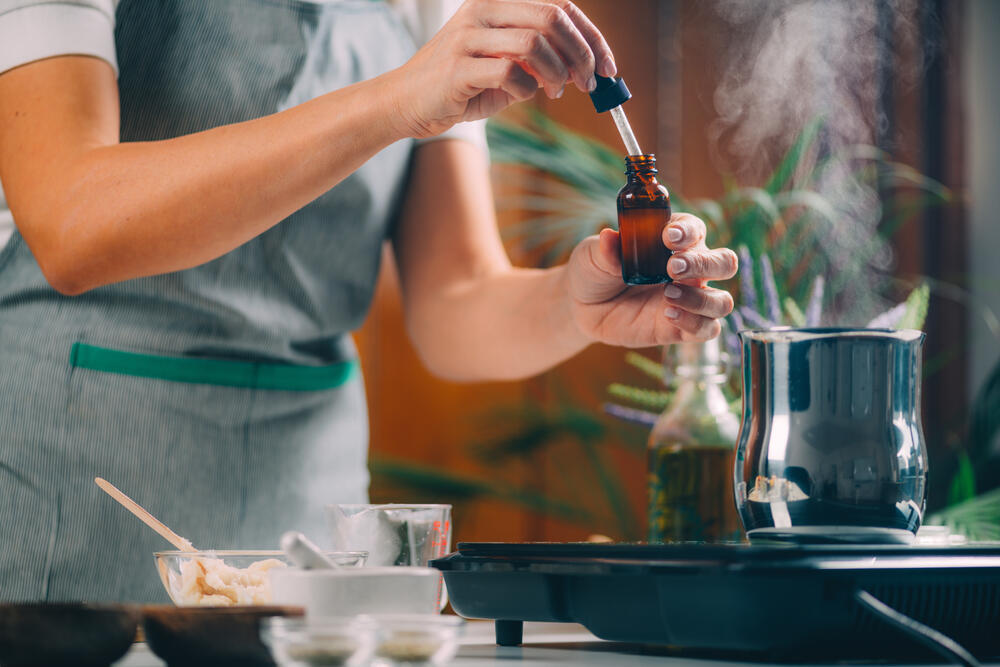
"For $109 you can make enough for an entire year”
(Photo: Microgen / Shutterstock)
What advice would you give someone who wants to start making products at home?
“Learn and experiment. I teach a natural formulation course, and the idea is to show how simple it can be, almost like baking a cake: there are recipes, measurements and preparation methods. Using deodorant, toothpaste or perfume you made yourself is incredibly satisfying, and there is something magical about it. It is not just a trend but a deeper realization that we have moved away from nature.
“The body and nature were created together, and nature gives us access to medicinal plants and fungi that can help balance our systems gently and properly, unlike industrial substances that disrupt that balance.”
‘Natural’ does not always mean ‘safe’
While amateur formulators see the trend as a welcome return to nature, medical and scientific experts are urging caution.
“Parabens are highly effective preservatives,” says Dr. Marina Landau, a dermatologist with Maccabi Healthcare Services. “Public concern began after older studies showed weak estrogenic activity in laboratory conditions, but the world’s strict health authorities have repeatedly determined that at the concentrations permitted in cosmetics, they are completely safe for use.
“By contrast, sulfates such as SLS are foaming and cleansing agents. They are not carcinogenic or dangerous to health, but they can certainly dry the skin or scalp and cause irritation in people with sensitive skin.”
What is the main danger of using a cosmetic product that has not undergone professional preservation?
“It can lead to serious microbial contamination. A product that contains water but lacks a professional broad-spectrum preservation system can become a fertile breeding ground for bacteria, mold and yeast within days. Using a contaminated product may cause skin infections, eye inflammation and even dangerous systemic infections if applied to cracked or wounded skin.”
“Mold and bacteria can be completely hidden. Certain fungi and molds are visible only when they reach a critical mass of colonies, but a high and pathogenic bacterial count can exist in a product without changing its color, smell or texture. The fact that a homemade cream smells and looks fine does not indicate in any way that it is sterile or safe to use.”
There is a common perception that “natural” means “healthy.”
“‘Natural’ does not always mean ‘safe.’ Essential oils contain highly potent, concentrated chemical compounds, including limonene and linalool. If they are not properly diluted, or are used at too high a concentration, they can cause chemical burns, severe irritation and a serious allergy that may become permanent. Some citrus oils are also phototoxic and can cause burns and severe pigmentation when the skin is exposed to the sun.”
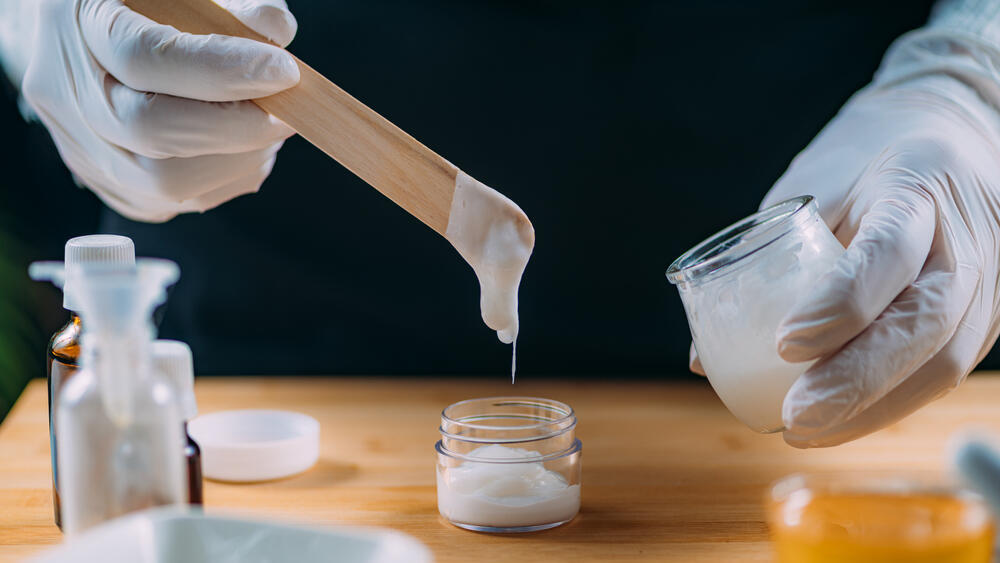
The fact that a homemade cream smells and looks fine does not mean it is safe to use
(Photo: Microgen / Shutterstock)
How does that happen?
“The skin’s protective layer has a natural acidity, or pH, that is essential for maintaining the skin barrier and preventing the growth of harmful bacteria. It usually ranges from about 4.7 to 5.5. In home formulation, it is very difficult to measure pH accurately without laboratory equipment.
“A product that is too alkaline, such as homemade solid soap, or too acidic, such as lemon juice, can disrupt that barrier, cause extreme dryness and leave the skin exposed to infections and inflammation. Baking soda, for example, is highly alkaline, with a pH of about 8.3 to 9. Prolonged use in a sensitive, enclosed area such as the armpit can destroy the skin’s natural acidity, damage the barrier and often lead to red irritation, superficial burns, pigmentation and increased sensitivity.”
What should someone do if they still choose to make a product at home?
“If you decide to make products at home, you must thoroughly disinfect all tools, surfaces and storage containers with 70% alcohol. Use only distilled water, not tap water, prepare a small quantity for immediate use within a few days and store the product in the refrigerator. If the product contains water, safe preservatives must be used, with extreme care taken to measure them precisely.”
Are there any specific products people should be especially careful with?
“Active cosmetics require special caution, such as anti-aging products containing retinol or vitamin C, face creams based on water-and-oil emulsions and, above all, sunscreens with SPF. These products require advanced laboratories, stability testing, efficacy testing and complex preservation systems that simply cannot be recreated safely and reliably in a home kitchen.”
“Active cosmetics require special caution"
(Photo: Iryna Imago / Shutterstock)
Dr. Michael Ettinger, a dentist and director of the multidisciplinary dental center in Jerusalem and Beit Dagan, also urges caution with homemade toothpaste, which is often made from ingredients such as coconut oil, clay and baking soda.
“The role of toothpaste in brushing is smaller than most people think, and the teeth can be cleaned well even without toothpaste. Toothpaste mainly provides added benefits, such as freshness, antibacterial properties and fluoride. A homemade product may simply be ineffective, but the greater risk is that it could cause harm.
“Ingredients such as clay and baking soda are used to remove stains and whiten teeth, but they can be overly abrasive and may damage the teeth with prolonged use.”
People add essential oils such as mint or clove to homemade toothpaste for fragrance and disinfection. Is that safe for use inside the mouth?
“Essential oils are used in products sold in pharmacies, but in carefully controlled amounts. These are highly concentrated substances. Clove, for example, can cause burns and irritation at high concentrations. The main problem with homemade toothpaste is dosage. We never really know how much we have added, or whether we may be causing ourselves harm.”
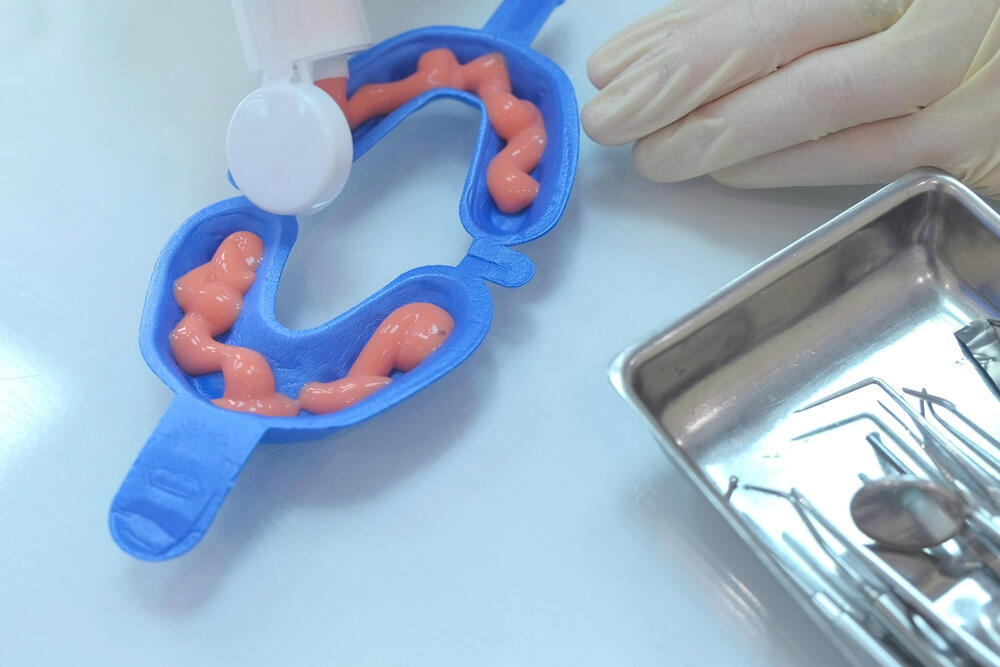
There is no substitute for a controlled, tested product
(Photo: Shutterstock)
These toothpastes do not contain fluoride. How problematic is that?
“Fluoride has been scientifically proven over many years to be the most effective substance for reducing tooth decay. It is a critical ingredient that cannot be added properly to homemade toothpaste, which means you are starting from a weaker position. Fluoride can also help stop the development of small cavities, especially in people with risk factors such as dry mouth, an unbalanced diet, reflux or high acidity. Once you give up that protective barrier, you leave room for deterioration.”
“Beyond fluoride, we need to know that toothpaste has a stable shelf life, that its texture will not change and that we will not end up brushing with mold a week later. Companies also invest heavily in research and use precise molecules designed to treat gum inflammation and tooth sensitivity, something that cannot be replicated at home.”
Would you recommend using homemade toothpaste regularly, or does the potential harm outweigh the benefit?
“I cannot recommend making homemade toothpaste, just as I would not recommend making homemade Acamol,” he says, referring to the Israeli brand of paracetamol. “Using it over time is simply not advisable. There is no substitute for a controlled product that has undergone years of research and major investment. The market is extremely competitive, and every company invests heavily in developing the best possible toothpaste. Companies do not have room to cut corners.”
The position of health authorities is more nuanced than Soof’s. The U.S. Food and Drug Administration says it currently has no information showing that parabens, as used in cosmetics, affect human health. The American Cancer Society says there is no clear link between aluminum-containing antiperspirants and breast cancer. Sulfates such as SLS may cause dryness or irritation in people with sensitive skin, but they are not considered carcinogenic or dangerous to health when used normally. As for fluoride, dental associations regard it as a central and effective ingredient in preventing tooth decay.