

In the world of beauty and wellness, one trend has been gaining momentum in recent years: the connection between gut health and the appearance of our skin. This is not simply another attempt to sell us the tired mantra that beauty comes from within. This time, there is a growing body of scientific research exploring the relationship.
Imagine renovating your home. You invest in professional plastering, repaint the walls and put up gorgeous wallpaper to create a stunning interior. But there's a problem: The building's plumbing is leaking constantly. It won't take long before the stains begin seeping through those beautifully finished walls.
Gallery
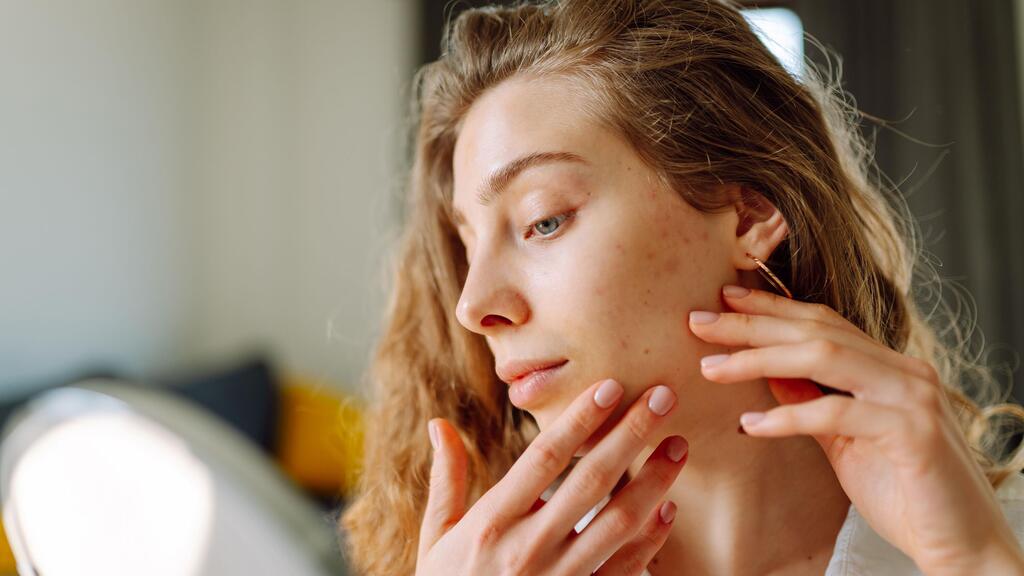
Healthy skin may depend on more than your skin care routine
(Photo: Shutterstock/ASAP creative)
Something similar may happen with your skin care routine. You treat yourself to an expensive serum, a luxurious hyaluronic acid moisturizer, brightening sheet masks and a series of costly facial treatments. Yet if underlying factors are contributing to inflammation or other skin problems, even the most elaborate beauty routine may not address the whole picture.
Our intestines are home to trillions of microorganisms that make up the gut microbiome. When this complex ecosystem is functioning well, certain beneficial bacteria produce short-chain fatty acids that help regulate immune activity and support the intestinal barrier. Researchers are increasingly interested in how these processes might also influence skin inflammation and barrier function.
When the composition of gut bacteria becomes disrupted, a condition known as dysbiosis, changes in intestinal barrier function and immune signaling may contribute to inflammation elsewhere in the body. Scientists are investigating how these mechanisms affect the skin, the body's largest organ. However, the relationship is complex, and not every breakout or skin condition can be traced to the gut.
In recent years, dermatological research has begun examining some of the connections that holistic practitioners have emphasized for decades. A systematic review published in JAAD International, a journal of the American Academy of Dermatology, examined 34 studies investigating the relationship between diet and acne. Researchers found that diets with a high glycemic index, which cause blood sugar to rise rapidly, were associated with a modest but significant increase in acne risk and severity. The evidence concerning dairy consumption was more mixed. Other studies have explored whether probiotics and dietary changes could help reduce inflammatory skin lesions, although the results remain preliminary and vary considerably between individuals.
One dermatologist who helped popularize the concept of the gut-skin axis is Dr. Whitney Bowe of New York. In her bestselling book, The Beauty of Dirty Skin, Bowe argues that our modern obsession with sterility, aggressive cleansing products and diets high in sugar and processed foods can disrupt the microbiome, with potential consequences for skin health. She describes the skin as a reflection of processes occurring elsewhere in the body, including the digestive system, and discusses how inflammation may contribute to acne, redness and signs of premature aging.
Give your gut some peace
So what can you do to help your gut function well and give your skin the support it needs to look its best? The approach focuses on three main areas:
1. Probiotics and prebiotics: Adding beneficial microorganisms to your diet, through supplements or fermented foods such as sauerkraut and yogurt, may help support your intestinal microbiome. Prebiotics, found in fiber-rich foods, provide nourishment for beneficial bacteria already living in the gut. Studies examining specific strains of Lactobacillus and Bifidobacterium suggest that some probiotics may help reduce acne severity and improve certain measures of skin health. However, results depend on the bacterial strain and formulation, and researchers have not established a universally effective probiotic treatment for acne.

Beautiful skin starts in the gut?
(Photo: Shutterstock/ASAP creative)
2. An anti-inflammatory diet: Highly processed foods, particularly those containing large amounts of refined carbohydrates and unhealthy trans fats, can contribute to an unfavorable overall dietary pattern. Meanwhile, foods rich in antioxidants, omega-3 fatty acids, vegetables and healthy fats may help support normal inflammatory responses. Think salmon, chia seeds, flaxseeds, leafy greens and extra-virgin olive oil. These foods form part of a balanced diet that benefits general health and may also support the skin.
3. Balanced blood sugar: Eating large amounts of refined carbohydrates and added sugar can cause sharp increases in blood glucose and insulin. Elevated insulin and related hormonal signals may stimulate the skin's sebaceous glands to produce more sebum, creating conditions that can contribute to acne. Excess sugar also participates in a process called glycation, in which sugar molecules bind to proteins such as collagen and elastin, potentially affecting their structure over time. Glycation is one of several biological processes involved in skin aging. So yes, sugar and wrinkles have a scientific connection, although that doesn't mean a single sweet treat will suddenly give you wrinkles.
What should you cut back on?
If you want your gut to work in your favor, there are several dietary habits worth examining.
1. Low-fat dairy products: Cow's milk contains proteins and compounds that can influence insulin-like growth factor 1, or IGF-1, a hormone involved in several biological processes, including sebum production. Observational studies have found associations between milk consumption, particularly skim milk, and acne in some populations. The evidence is not conclusive, however, and does not establish that milk causes severe acne in everyone. Yogurt and cheese have not shown the same consistent association. If you notice that certain dairy products appear to worsen your breakouts, it may be worth discussing the pattern with a dermatologist or registered dietitian rather than eliminating an entire food group automatically.
2. White pasta, white bread and sugary breakfast cereals: These foods are often high on the glycemic index, meaning they can cause blood sugar to rise quickly. For some people with acne, replacing refined carbohydrates with whole grains and fiber-rich foods may help reduce breakouts. The benefit is associated with blood sugar regulation and overall dietary quality, rather than proof that these foods directly destroy gut bacteria.
3. Highly processed snacks and foods rich in refined carbohydrates: Packaged snacks, ready-made fried foods and commercial sauces can contain substantial amounts of salt, refined starches and added sugars. Paying attention to the overall quality of your diet matters more than singling out one ingredient. Although some diets contain far more omega-6 than omega-3 fatty acids, evidence does not support the claim that ordinary consumption of canola, soybean or sunflower oil inherently causes inflammation. These oils can be part of a balanced diet, while limiting heavily processed foods may offer broader health benefits.
So what should you eat to support a healthy microbiome and potentially healthier-looking skin? There is no revolutionary secret here. Colorful vegetables, quality protein, fiber-rich foods and healthy fats, including olive oil and avocado oil, are a sensible place to start.
The gut-skin connection has attracted particular interest among researchers studying chronic inflammatory skin conditions such as rosacea. This condition typically affects the central part of the face and often develops gradually. Its most recognizable sign is persistent redness, which may resemble a mild sunburn that never completely fades, or flushing triggered by heat, exercise, spicy food or alcohol.
Research suggests that differences in gut bacteria and certain gastrointestinal conditions may be associated with rosacea. Some small clinical studies have explored whether dietary adjustments and probiotics could help reduce redness and flare-ups. The findings are promising, but evidence is not yet strong enough to recommend microbiome-based treatments as a replacement for established dermatological care.
Dr. Mark Hyman, who hosts The Doctor's Farmacy podcast, has discussed the potential role of nutrition and gut health in chronic inflammatory conditions, including skin disorders. His approach emphasizes dietary changes, fiber and probiotics as possible ways of supporting the body's broader health. Yet individual responses vary, and dietary interventions alone are not a proven cure for rosacea.
The broader message remains compelling: Beauty and health are not entirely separate concerns. Eating a balanced diet, supporting your microbiome and keeping blood sugar levels relatively stable can benefit your general well-being and may contribute to healthier-looking skin. But a healthy gut is only one part of the picture. Genetics, hormones, environmental exposures and appropriate skin care all have important roles to play.
Chocolate isn't necessarily the problem
When we were teenagers, our grandmothers warned us that chocolate and fried foods were exactly what we should avoid if we didn't want to wake up with a fresh crop of pimples the following morning. For years, medicine largely dismissed these warnings as myths. Modern research now suggests that diet can influence acne, although not necessarily for the reasons our grandmothers imagined.
Chocolate itself is not necessarily the villain. Pure cocoa contains polyphenols, compounds with antioxidant properties. Many commercial chocolate bars, however, also contain substantial amounts of added sugar and milk. Researchers have examined whether these ingredients, and chocolate more generally, may contribute to acne, but the findings remain mixed. High-sugar foods can affect insulin levels and hormonal pathways involved in sebum production, offering one possible explanation for the association between certain dietary patterns and breakouts.
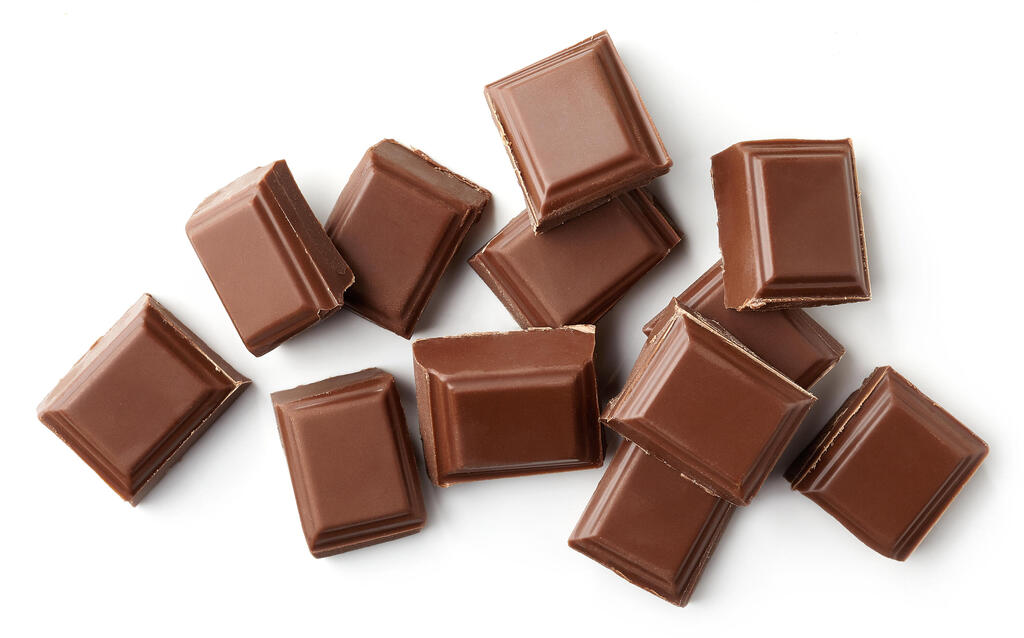
Chocolate isn't necessarily the culprit behind acne breakouts
(Photo: Shutterstock/ASAP creative)
So what should you do? First of all, don't give up chocolate altogether. Chocolate is one of life's pleasures, after all. If you have acne and suspect that sweet chocolate bars make it worse, you might try a good-quality dark chocolate containing at least 70% cocoa, with less added sugar and little or no milk. Just remember that dark chocolate is not a guaranteed acne-free alternative, and the relationship between chocolate and skin health is still being studied.
And what about French fries? Dermatological research has explored associations between acne and diets rich in fried or highly processed foods. The potential connection may have less to do with the fat itself than with the overall nutritional composition of these meals. French fries, for example, contain rapidly digested starches that can contribute to higher glycemic loads. Many fried foods also come with large amounts of salt, refined carbohydrates and calories.
Some researchers have investigated whether the types of fats used in cooking influence inflammatory processes, but a direct causal relationship between eating ordinary vegetable oils and acne has not been established. The more useful lesson is to consider dietary patterns rather than blaming every breakout on one particular food.
Ultimately, looking after your skin involves more than choosing the right serum or booking another facial. A varied diet, a healthy gut, sensible skin care and attention to individual triggers may all contribute to better results. The science is still developing, but one thing is clear: What happens inside your body can matter just as much as what you apply to the surface.