

There was a time when the obvious way to get a substantial serving of protein was to eat meat or chicken. In recent years, however, that trend has changed dramatically.
More and more Israelis are turning to legumes such as lentils, chickpeas, beans and soy for their protein. But can these foods fully replace meat, or are they simply among the healthiest protein sources to include as part of a varied diet?
The numbers behind the plate
One cup of cooked legumes, such as lentils, chickpeas or beans, generally contains around 14 to 18 grams of protein, while soybeans and edamame contain even more. That is less protein than an equal-weight serving of meat, but the real advantage of legumes lies in what comes with the protein: dietary fiber.
This combination of protein and fiber can promote longer-lasting fullness, and studies have found that it may help reduce calorie intake later in the day.
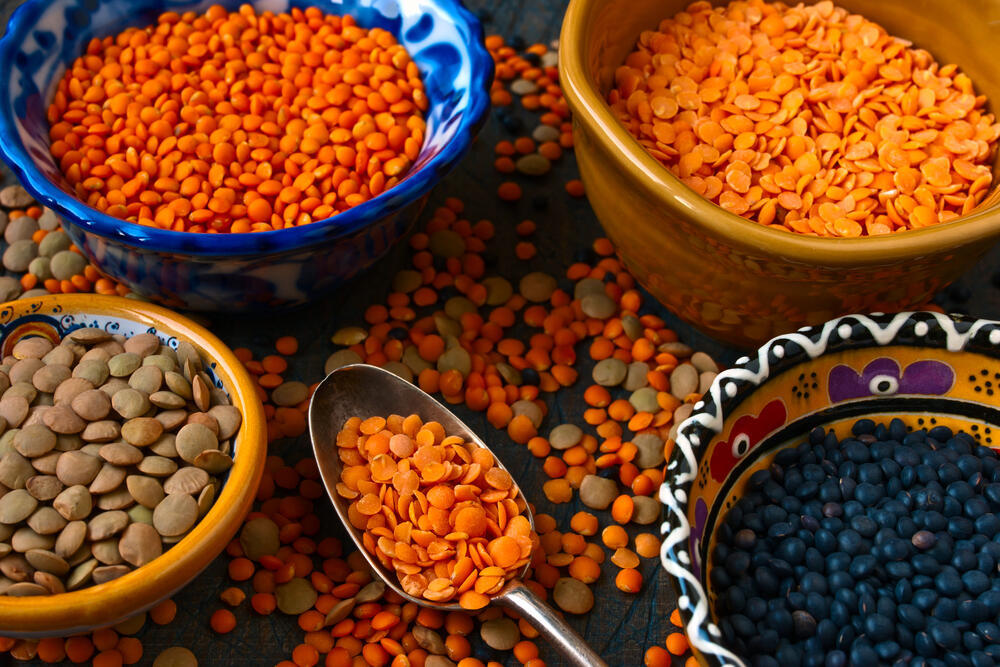
Plant protein versus animal protein
Both legumes and meat have advantages and disadvantages. Legumes contain no cholesterol, are low in saturated fat and are rich in dietary fiber, potassium and antioxidants, nutrients that are generally absent from meat.
On the other hand, the protein in most legumes, except soy, is not considered complete, meaning it does not contain every essential amino acid in optimal amounts.
The iron and zinc in legumes are also absorbed less efficiently than those found in animal foods, partly because legumes contain phytates, or phytic acid, which reduce mineral availability.
The good news is that legumes and grains do not have to be eaten in the same meal to create a complete protein. As long as a person consumes a variety of protein sources throughout the day, such as lentils at lunch and whole-grain bread or oatmeal in the evening, the body can obtain the amino acids it needs.
To improve iron absorption, it is recommended to add a source of vitamin C to the meal, such as lemon juice, red pepper or tomato.
The link to diabetes
For people with diabetes or prediabetes, legumes may offer an additional benefit. Their dietary fiber serves as food for gut bacteria in the microbiome. When these bacteria break down the fiber, they produce short-chain fatty acids, which may promote the release of satiety hormones, including the body’s natural GLP-1, and help improve insulin sensitivity.
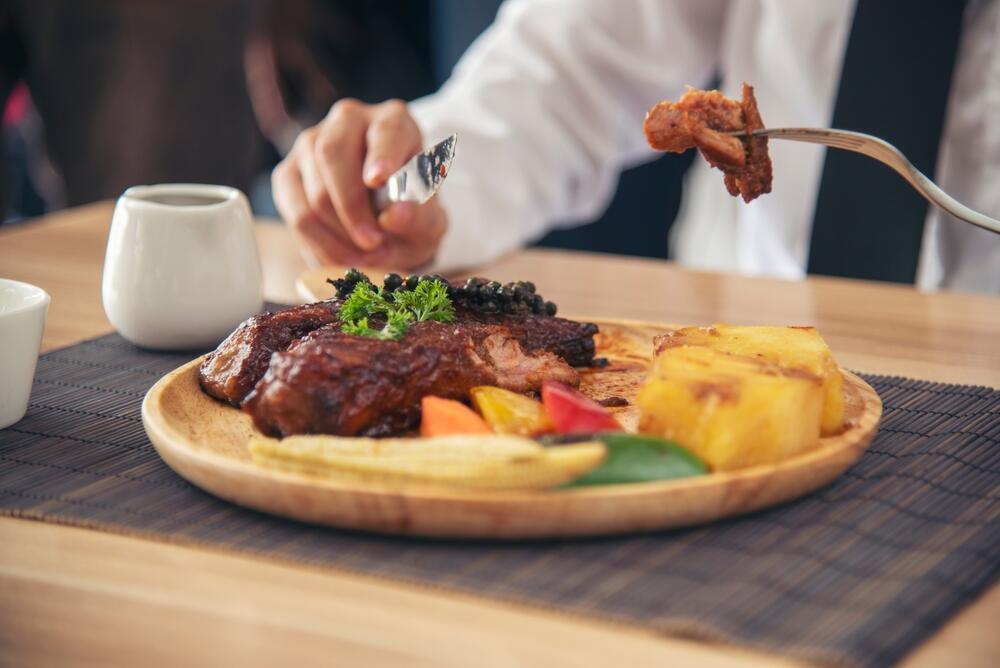
Is there a substitute for steak?
(Photo: Shutterstock)
The result may be better blood sugar control over time. Research suggests that a diet rich in plant-based protein sources, as part of a balanced eating plan, may help improve blood sugar control and reduce metabolic risk factors.
Combined with weight loss and other lifestyle changes, such a diet may also support remission of type 2 diabetes in some patients, meaning blood sugar levels return to the normal range without medication.
The elephant in the room: What about gas?
It is impossible to discuss legumes without mentioning their best-known side effect. Legumes contain oligosaccharides, complex carbohydrates that the body cannot break down in the small intestine. They therefore reach the large intestine, where gut bacteria ferment them, a process that can produce gas.
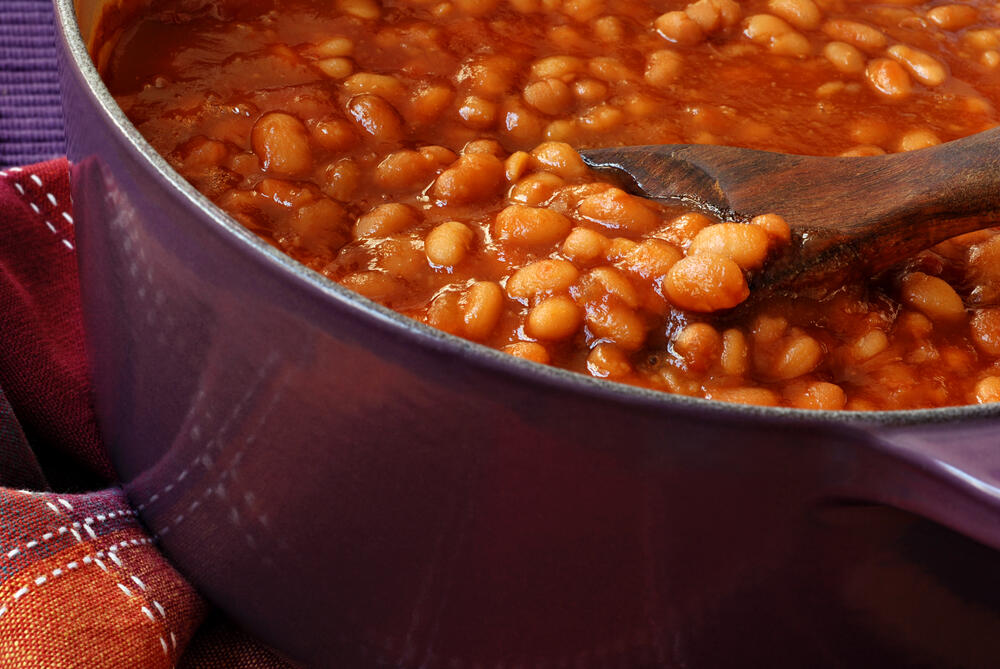
No need to suffer from gas
(Photo: Shutterstock)
There are several ways to reduce the problem.
Soaking and changing the water: Soak dried legumes for 12 to 24 hours and replace the water two or three times. Some of the oligosaccharides dissolve in the water, reducing the amount that remains.
Sprouting: Briefly sprouting legumes such as lentils or mung beans may reduce some of the gas-producing sugars while improving the availability of certain nutrients.
Spices that may ease digestion: Cumin, fennel, caraway and ginger will not eliminate gas entirely, but they may reduce digestive discomfort for some people.
Gradual introduction: Those who are not accustomed to eating large amounts of fiber should begin with small portions of legumes, such as red lentils or mung beans, and gradually increase the amount over several weeks. This gives both the digestive system and the microbiome time to adjust.
Can you eat too much?
Not exactly, but portion size still matters. Alongside protein, legumes also contain complex carbohydrates. For most people, this is an excellent combination, but those managing diabetes or other medical conditions should also take the total amount of carbohydrates in the meal into account.
Proper planning of portions and food combinations can help preserve the benefits of legumes without disrupting blood sugar control.
Legumes are among the highest-quality and healthiest protein sources that can be included in the diet. They are rich in protein, fiber and other nutrients and can certainly replace some servings of meat.
People with diabetes or other underlying medical conditions should consult a clinical dietitian to adjust quantities and combinations to their individual needs.
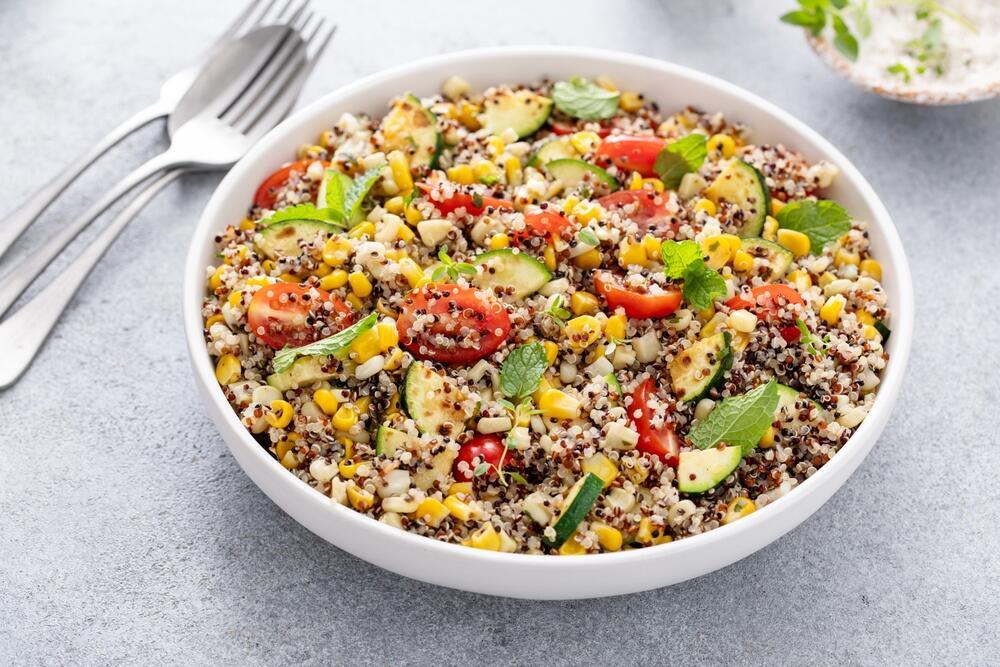
Careful planning of portions and food combinations can help you enjoy all the benefits
(Photo: Shutterstock)
A quick kitchen guide: The best ways to eat legumes
Thorough cooking is essential. Legumes that are not fully cooked may cause digestive discomfort. For those short on time, frozen or canned legumes are also excellent choices (canned legumes should be rinsed well), as much of their nutritional value is retained.
Here are three simple and balanced meal ideas:
Black lentil salad: Cooked black lentils, herbs, cucumber, walnuts, lemon juice and olive oil
Tofu and chickpea curry: Tofu cubes, chickpeas, coconut cream, curry paste, broccoli and spinach
Upgraded mujaddara: Replace white rice with bulgur or quinoa and increase the proportion of lentils relative to the grain.