

In the modern era, awareness of a healthy lifestyle is steadily growing. Many people are careful about proper nutrition, regular exercise, dietary supplements, hydration, smoothies, matcha and even meditation. But what if the biggest threats to your health are actually inside your home? They may be hidden in your lighting, cleaning products and even the cookware you and your children use every day.
‘We take our lives for granted and live in an environment that seems logical, comfortable and easy, without realizing that everything around us affects us,’ said Ram Shechter, who defines himself as a biohacking coach. ‘We walk into our homes, breathe the air and live in it, surrounded by countless products, cleaning agents, sprays, deodorants and perfumes, and flooded with chemicals that are not always good for us.
"In most cases, we do not connect the harm we experience to these items, and people live in homes with allergies, breathing problems, migraines and other issues without realizing that the source may be the type of lighting, a pan made of a certain material, an air freshener, a scented candle, dish soap or laundry detergent."
What is a biohacker?
"A biohacker is someone who uses technology, science and various tools to 'hack' the human body and mind in order to improve health, longevity and performance, sometimes beyond what is considered 'normal', while seeking to control and upgrade our biological code", Shechter said.
"I consider myself a pioneer of biohacking in Israel, not because I am the only one, but because I am among the key figures who took it upon themselves to make biohacking knowledge accessible to the public through social media.
"I used what made a real difference in my life and shared it with others. Biohacking, if you break down the term, is the ability to crack our operating system, like hackers, but applied to the body and brain. It turns out there are countless methods we were never taught that allow us to work with the brain and make it think we are much younger."
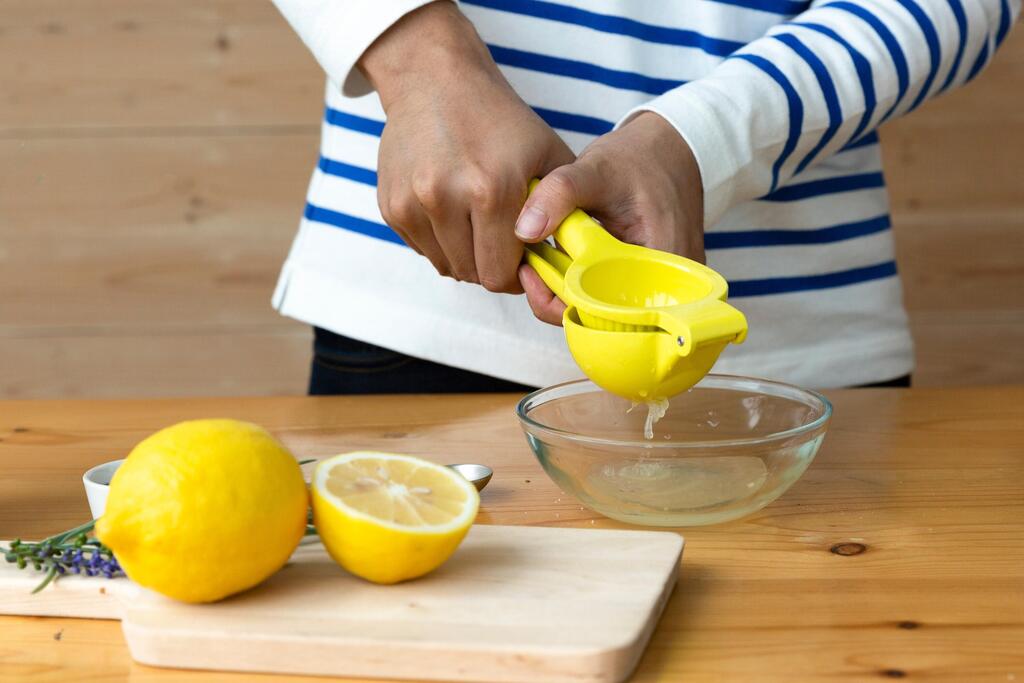
Give it up: Painted lemon juicer
(Photo: Kittibowornphatnon, shutterstock)
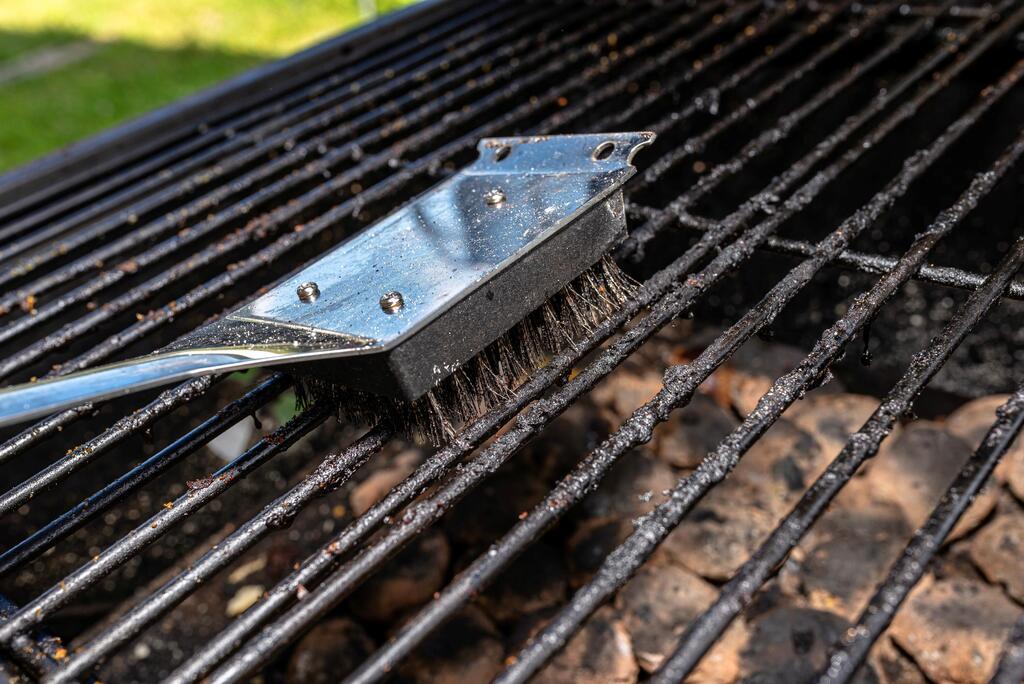
Grill-cleaning brush with hazardous wire bristles
(Photo: Kinek00, shutterstock)
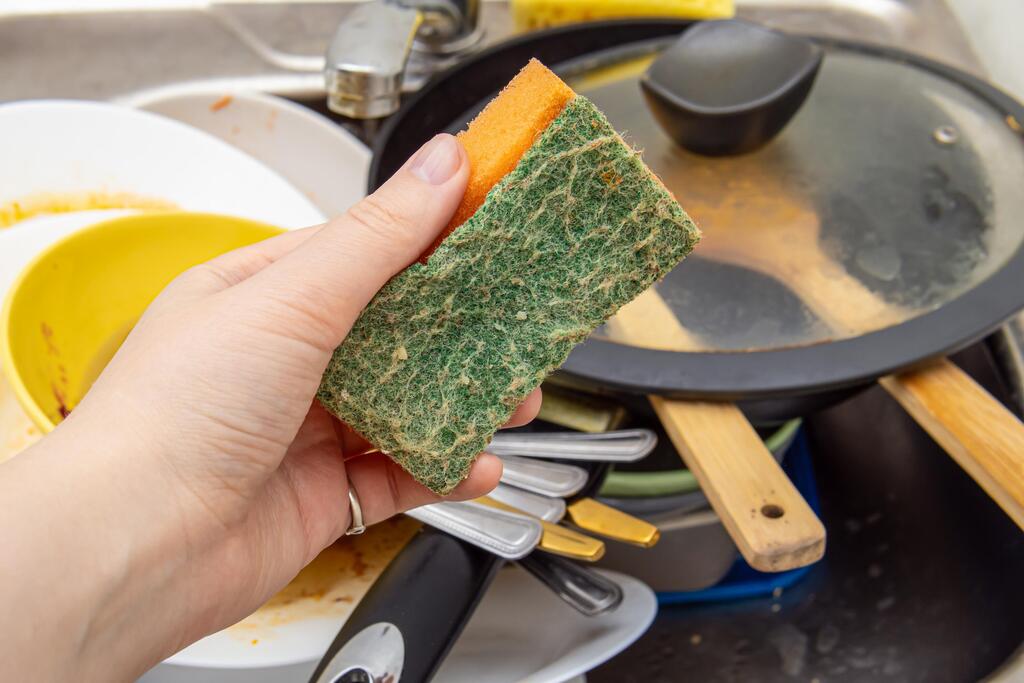
Dish sponges put our health at risk
(Photo: Svetlyachock, shutterstock)
Items you should get rid of
Currently, Shechter runs a biohacking community and guides participants on how to change habits to improve physical and mental health. He also shares his knowledge online, including videos about everyday household items that may harm health, such as aluminum pots, barbecue brushes and juice squeezers.
We asked Shechter for tips on additional household items that are better to get rid of to improve health and possibly even lower biological age.
1. Air fresheners
"All automatic air fresheners that release scent every few seconds, the kind found in malls, stores and homes, are a disaster in my view. This is the first form of respiratory exposure I would remove, because they contain many chemicals that go straight into the airways. Anyone who wants a pleasant scent can use natural sources such as essential oils, which provide fragrance without industrial chemicals."
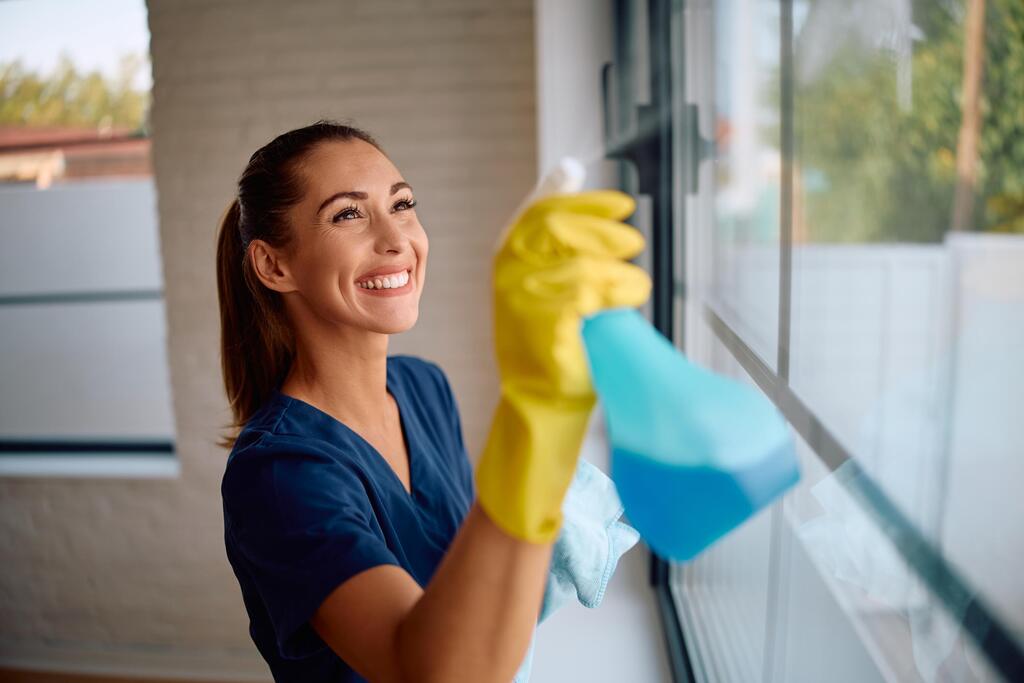
2. Window-cleaning spray
"Studies on women who clean frequently found that the lung damage they suffer is comparable to that of someone who smokes a pack of cigarettes a day. When we spray window cleaner, we are inhaling those chemicals. The lungs do not filter them; they pass directly into the bloodstream.
"It is true that the body knows how to cope, but think about the quantities and the overall environmental load: cleaning products, fabric softeners and perfumes. Commercial companies operate under regulations, but under the label 'fragrance', they can include almost any substance as a trade secret, without disclosing the ingredients. The damage is hard to prove, and the balance of interests here tilts toward money and politics.
"The solution starts with reducing use. Minimize sprays as much as possible, and if you do use a product, spray it onto a cloth rather than into the air. This alone significantly reduces risk. It is better to use simple materials, such as water, regular soap and vinegar, without industrial chemicals such as SLS, phthalates and parabens.
"People tell me, 'You are exaggerating, we all grew up like this'. That is true, and we also all suffer from allergies, migraines and inflammation. When you reduce this load, the body can thrive. Sometimes the solution is simply going back to basics, water, soap and even newspaper for cleaning windows."
3. Plastic food containers
"Plastic can leach into food, especially when heat is involved. Meatballs, rice or any hot food placed in plastic containers may be exposed to microplastics and chemicals from the material. Glass or stainless steel containers are a better option.
"Clearly, this is not a change that will transform life overnight, but when you make many small changes that reduce environmental pollution, less inhalation of harmful substances and less microplastic exposure, you feel it: greater alertness, fewer migraines and fewer vision problems. Eventually, it even shows up in blood tests, because the body is no longer in constant defense mode."
4. Dish sponges
"Kitchen sponges are a major source of both microplastic exposure and bacterial buildup. These scouring pads and sponges break down, release particles and stay wet for long periods. Replacing them with brushes that dry much faster reduces both microplastic exposure and bacterial growth."
5. White LED lighting
"Many people are not aware of the connection between lighting, blue screens, sleep disruption and overall health. In many homes today, white, cold LED lighting is used, and this is one of the most problematic factors.
"If you take your phone and film your lighting, you can sometimes see flickering that the eye does not consciously notice, but the brain does. This flicker is linked to fatigue, migraines, headaches and sleep problems. Lack of sleep increases inflammation and prevents the body from healing itself.
"In the evening hours, white and cold lighting should be replaced with yellow or red lighting, and warm LED lighting should be preferred over cold white LED."
Items 6, 7 and 8 include aluminum pots, metal barbecue brushes and painted manual juice squeezers used for lemons and oranges.
"There is no need to panic or become obsessive", Shechter said. "Change starts with small steps: reducing chemical exposure at home, improving lighting and surrounding ourselves with reliable information. That is how we improve health, reduce inflammation and migraines and even influence biological age."
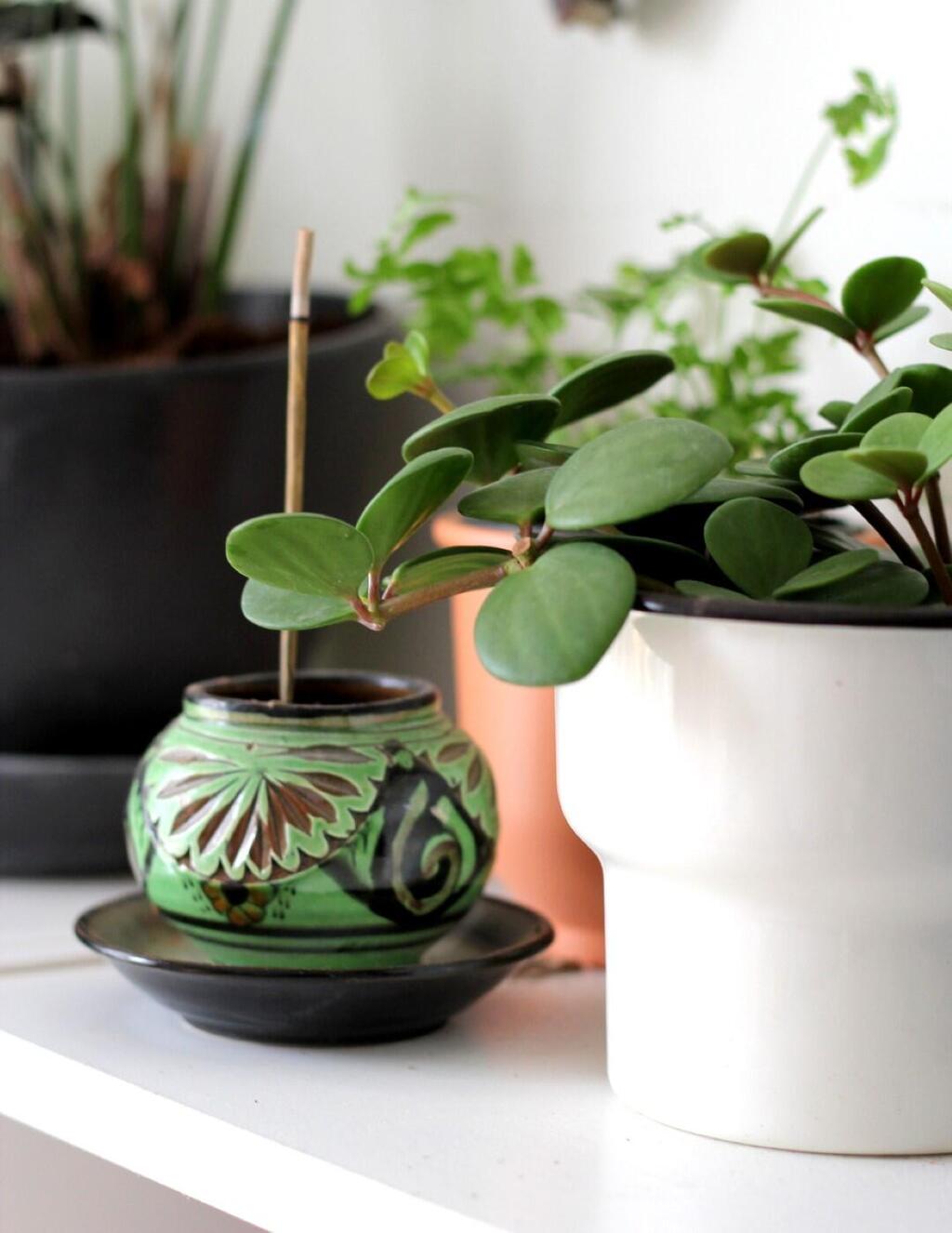
Natural incense is preferable to synthetic air fresheners loaded with chemicals
(Photo: Shiran Carmel)
From high-tech to biohacking and longevity
Until two years ago, Shechter, 60, married, a father of three and grandfather of two, worked in the startup world and described himself as an 'ordinary' person. He entered the world of biohacking by chance.
"I love surfing and was looking for a way to surf better. The idea that at 40 or 50 you are supposed to decline really bothered me. I refused to accept the notion that I needed to age and get used to it.
"I started researching health systems, biohacking and longevity, a field focused on extending healthy lifespan and delaying the effects of aging. I began experimenting, changing habits, taking supplements and seeing what happened.
"In the end, I felt better than I ever had. My surfing, which is supposed to decline with age, only improved, to the extent that I reduced my biological age."
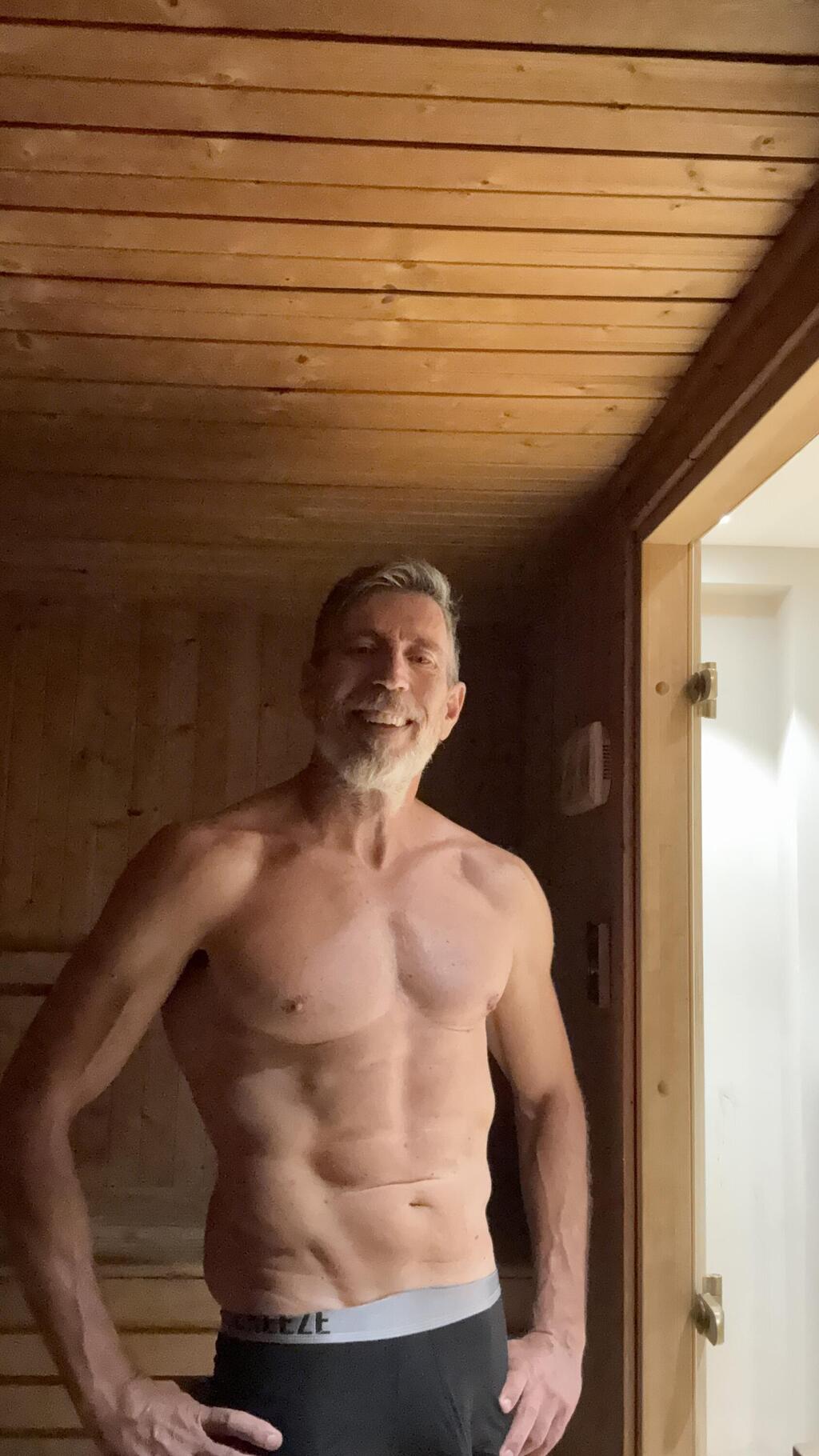
Ram Shechter
(Photo: Private album)
What does lowering biological age mean?
"You have to distinguish between chronological age, the number of years you have lived, and biological age, which measures the true health and aging state of the body. I am 60, but a DNA test showed my biological age is 43, and my inflammation markers dropped to zero.
"We need to understand the mechanisms that allow the brain to keep us younger by activating survival mechanisms, situations in which the body repairs DNA, releases growth hormone and does things we forgot it was capable of, or thought were impossible. Lowering biological age once sounded imaginary. Today, scientifically, it is possible."
What exactly are you doing that has reduced your biological age by nearly 20 years? Steroids? Hormone treatments?
"Everything is natural. I do take supplements such as magnesium, D3+K2, creatine, omega-3 and unflavored grass-fed protein. I use infrared lighting to support cellular energy and recovery, BFR training bands that create intense muscle stimulation with light weights, blue-light blocking glasses to improve sleep quality and continuous glucose monitoring to track sugar fluctuations in real time.
"My training style is completely different from before. I run sprints instead of long-distance runs, activating survival stress that leads to better results."