

Missiles, interceptions, direct hits, displaced families without homes, and an entire country running to shelters under relentless sirens, none of this kept Israel from ranking among the world’s 10 happiest countries this year.
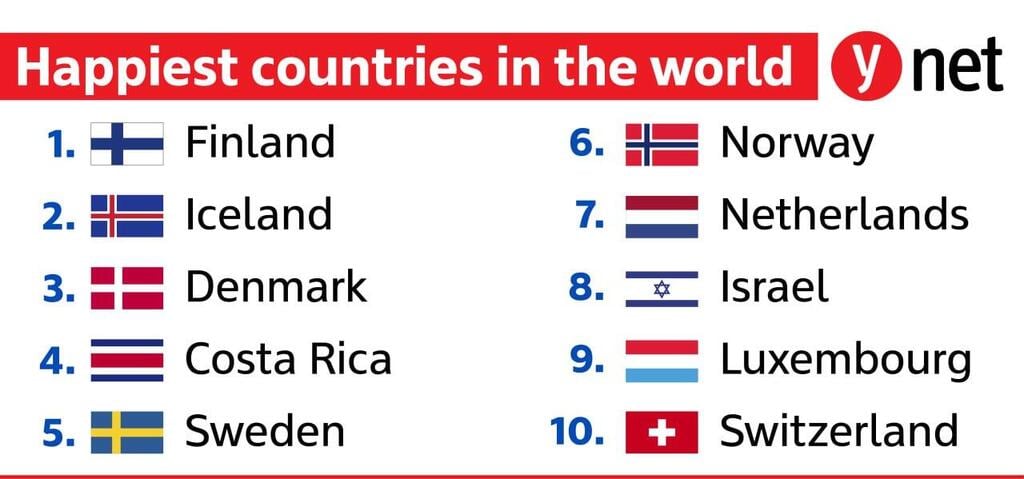
Finland once again tops the list, followed by Iceland, Denmark, Costa Rica, Sweden, Norway and the Netherlands. Israel ranks eighth, followed by Luxembourg and Switzerland. Still, the country dropped three spots from 2024, when it ranked fifth.
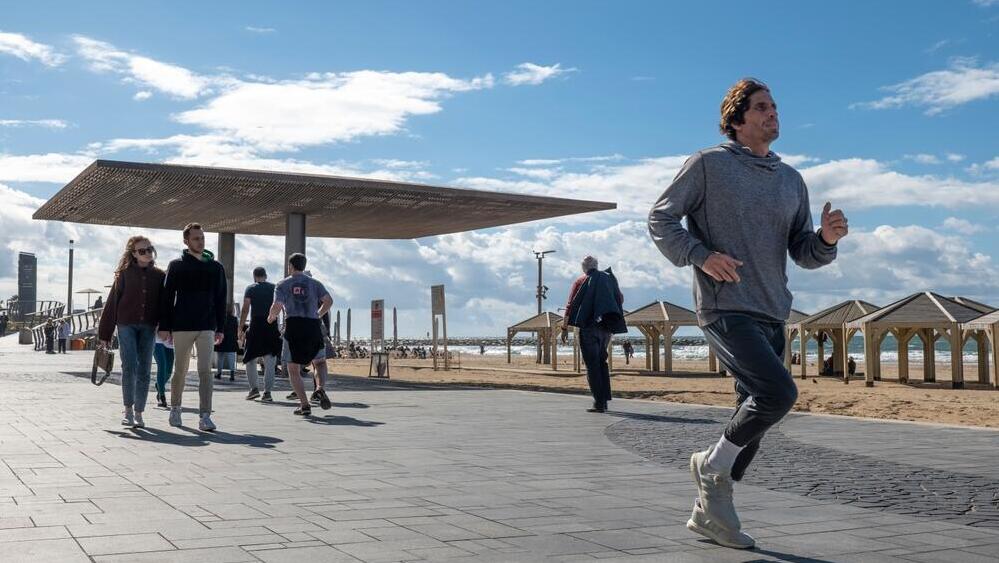
Israeli youth under age 25, many of whom carry the burden of military service, rank third globally in happiness.
‘It may look absurd, but makes sense’
“At first glance, the ranking seems absurd,” said Anat Fanti, a happiness policy researcher at Bar-Ilan University’s program on science, technology and society. “But when you look at how the index is measured, it makes sense.”
The happiness index measures life satisfaction through an annual Gallup survey of about 1,000 respondents in each country. Participants rate their lives on a scale from zero to 10, and the final ranking reflects an average over the past three years.
This means the current report reflects the period since the war began on October 7, 2023. So what explains Israel’s high ranking?
“It’s a good question,” Fanti said. “Since life satisfaction is a cognitive measure, people evaluate their lives as a whole. In Israel’s case, the high ranking reflects the overall life experience, not just the war.”
She said the findings highlight Israeli society’s ability to adapt while maintaining resilience, driven by strong family and social ties, a sense of mutual responsibility, and shared purpose. It may be precisely because life here is so demanding and requires us to fight for it that we see these results.”
Fanti highlighted another defining feature of life in Israel: a strong sense of togetherness, from family Shabbat dinners to frequent social gatherings and reserve duty networks. “Just look at how Israelis return home from overseas trips to enlist and be with their military units, or the atmosphere in bomb shelters during this war,” she said. “What other country would create a shelter culture, hold Purim parties in protected spaces, and send rescue flights into danger rather than away from it? We’re a bit crazy.”
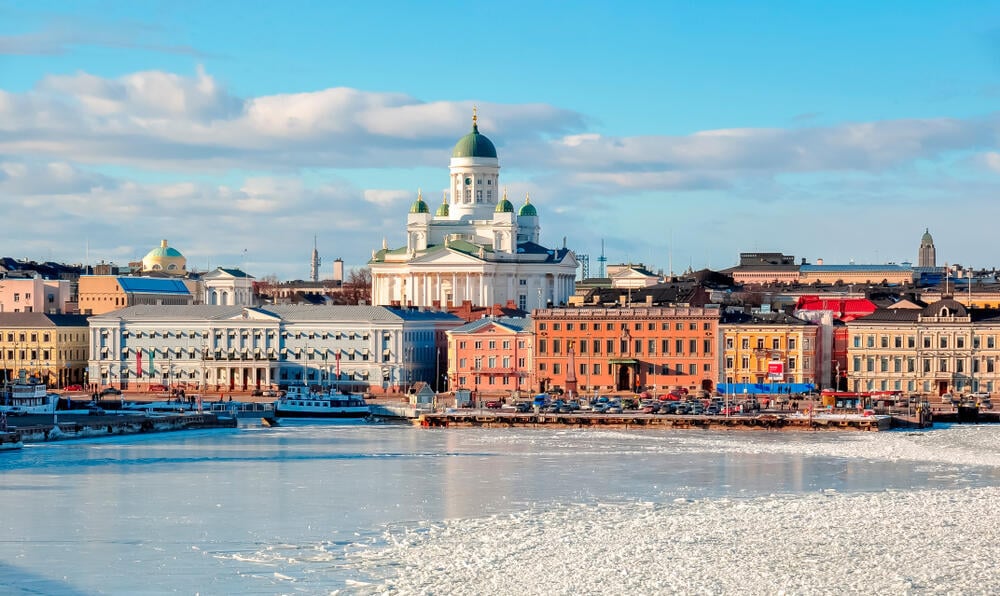
Helsinki, Finland. As usual, Finns are the happiest in the world
(Photo: shutterstock)
Israeli youth ranked third in the world in the happiness index. Is it fair to assume that without the war, they would have placed first among those under 25?
"Likely yes. Only Serbia and Costa Rica rank ahead of our youth in the happiness index. Third place is especially impressive given that young people in Israel carry much of the burden of the fighting,” she said. By contrast, young people in wealthy countries like the United States and Canada rank 60th and 71st, respectively.
Trust in institutions lags, but social support remains strong
The report’s editors explain the rankings using a model based on six indicators, some objective and others subjective. Israel ranks 32nd in GDP, a slight drop attributed to the war. It ranks 10th in life expectancy, down from sixth place before the conflict but still high.
“This marks a decline from the pre-war years, when we ranked a very high sixth place, but it’s reasonable to assume this, too, reflects the impact of the war. In the freedom of choice index, we dropped to a concerning 88th place, compared with 61st in 2022, a decline Fanti said may reflect concerns over democratic stability and the rising cost of living.
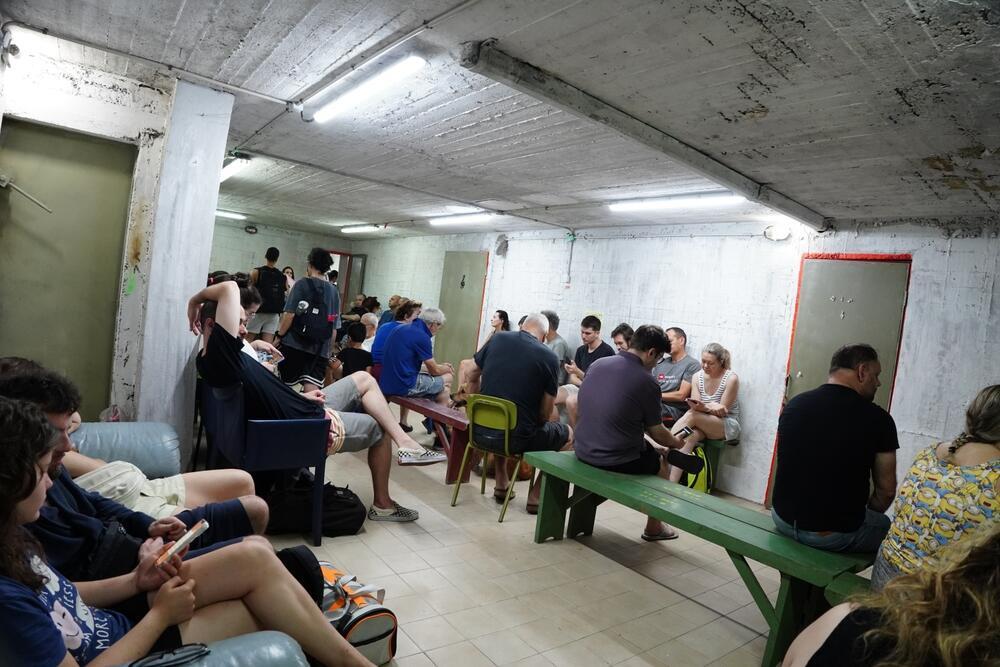
Israelis in a bomb shelter during the war with Iran
(Photo: shutterstock)
Public trust in institutions is also troubling. Israel ranks 107th out of 147 countries, between Uruguay and Uzbekistan, and continues to decline year after year. On the other hand, Israel ranks 9th in social support and 27th in generosity, a significant jump from 48th three years ago.
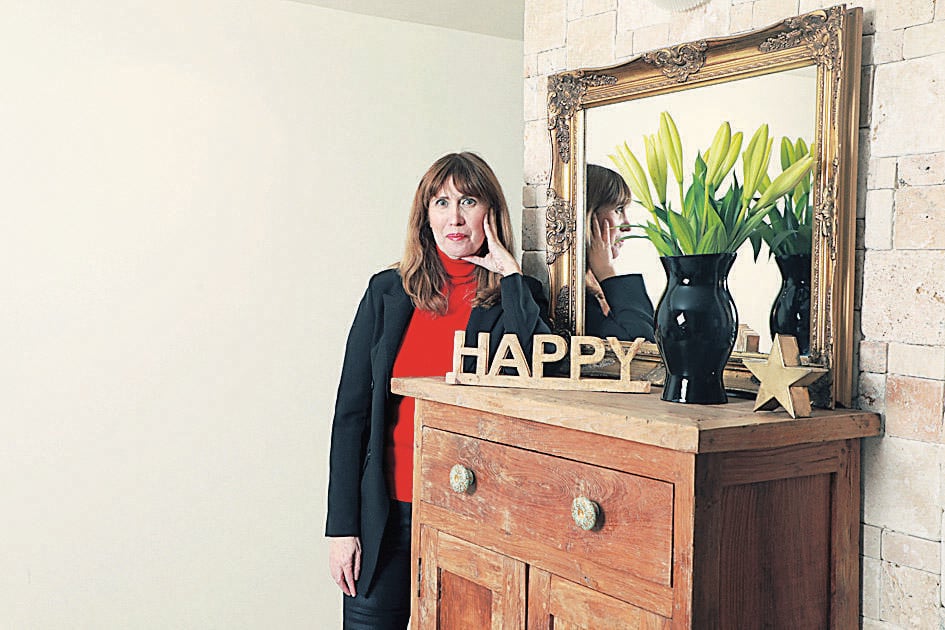
Anat Fanti, a happiness policy researcher
(Photo: Dana Kopel)
"Even this jump of 20 places still doesn’t, in my view, reflect the true level of giving in Israeli society, since the question focuses on financial donations, while the real strength of Israeli generosity is seen in exceptional levels of volunteering and mutual support that aren’t captured in the report’s model," Fanti said.
Another indicator, negative emotions such as anger, worry and sadness, places Israel at 39th globally. That is significantly higher than before October 7, when it ranked near the bottom at 119th.
Does that contradict Israel’s high happiness ranking?
“I don’t see a contradiction,” Fanti said. “You can appreciate life in this unique country, its sense of family, solidarity and belonging, while also feeling anger and concern over security gaps, the abandonment of the north and the cost of living. We’re Israelis,” she added. “We don’t have a middle ground, and we’re happy even under fire.”