

Designing children’s rooms is one of the most complex areas of home design. On the one hand, parents want to create a magical world filled with color, imagination and atmosphere. On the other, a child’s room must simultaneously include space for sleeping, storage, play, learning, and sometimes hosting friends, as well as room for hobbies such as dancing, building or drawing. Add the cost of living and the endless inspiration on social media, and children’s room design quickly becomes not a small project but a major decision that affects the entire family’s daily routine.
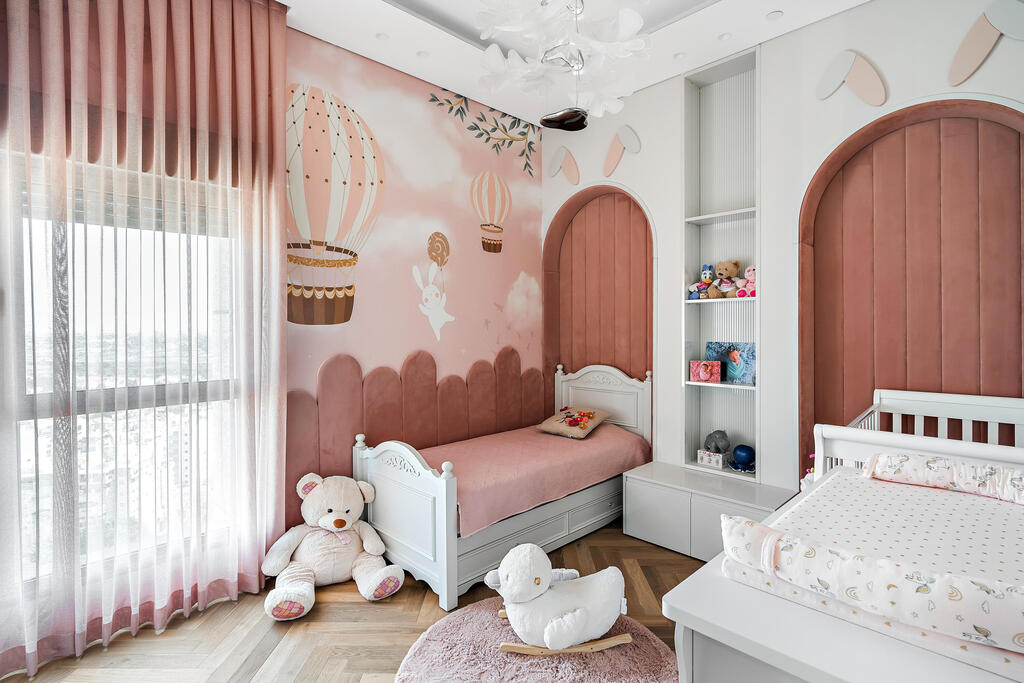
So where does fantasy meet practicality when designing our children’s rooms? Here is a closer look at finding the right balance, with clear thinking about budget, creativity, future planning and sound judgment.
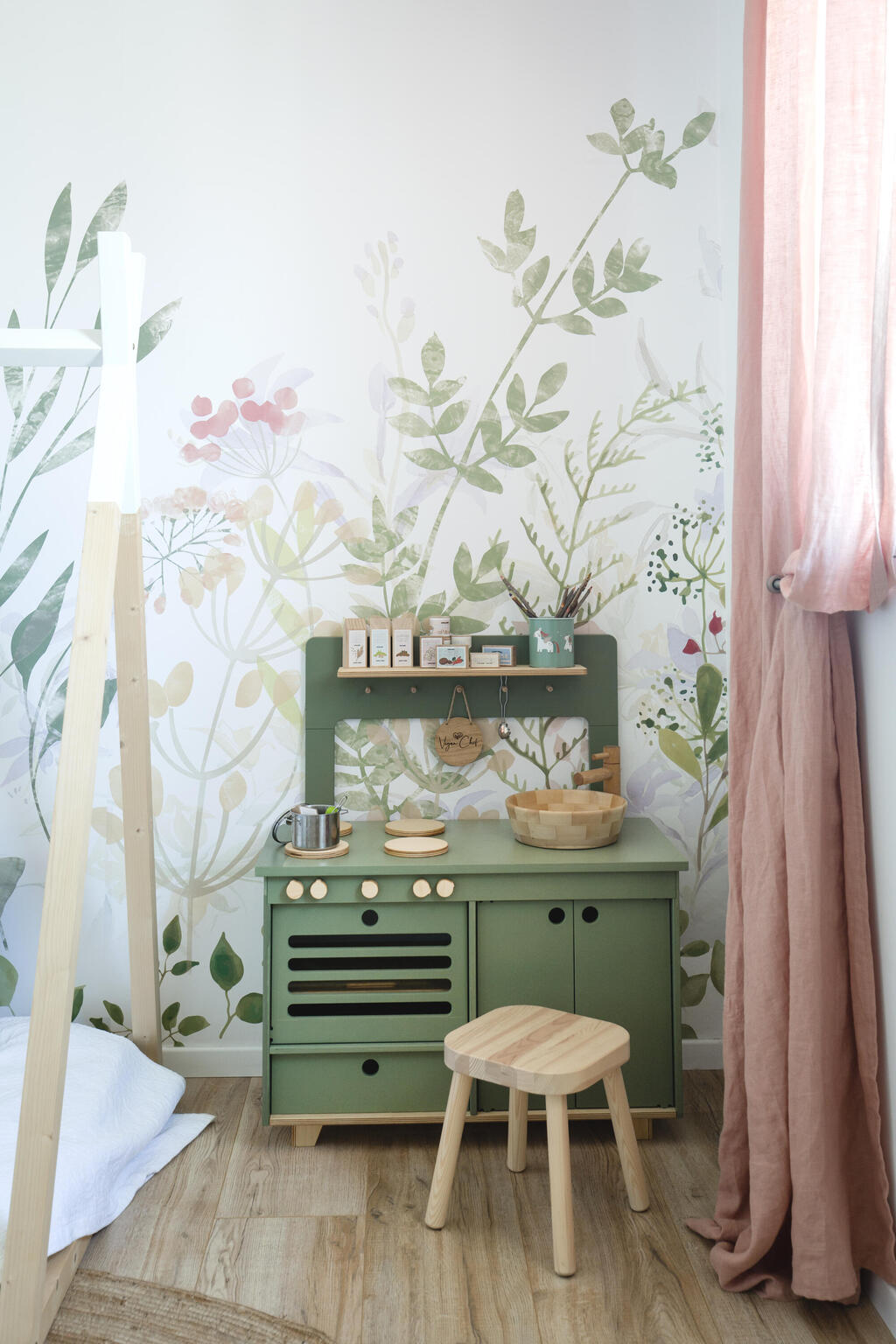
Kids room designed by Lilach Zuriel
(Photo: Dana Stempler Asael)
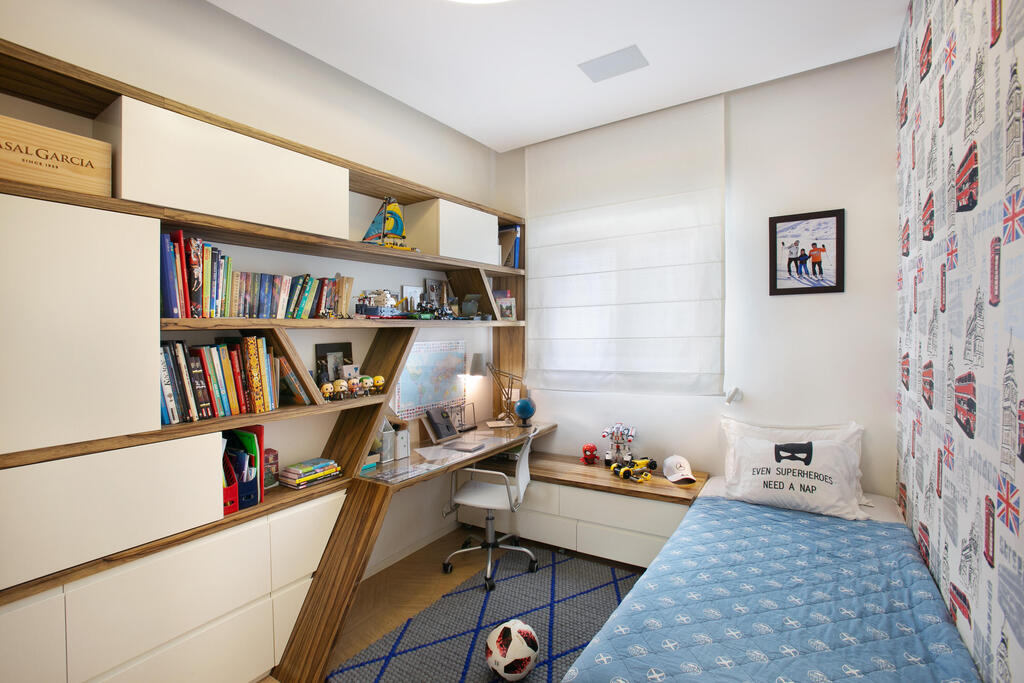
A boy’s room with functional custom carpentry, by Meital Shomer
(Photo: dimitri pistrov)
The child’s room: small in size, big in meaning
Interior designer Meital Shomer says the foundation is always feeling and atmosphere. Budget, she explains, is directly influenced by parents’ means and preferences, and every design should start with the child’s needs and the family’s habits. “Complex carpentry raises costs, while off-the-shelf furniture helps keep the budget accessible. My tip is to plan a design that works over time, with balanced colors and storage that children can easily reach,” she says.
Smart planning before styling, especially on a limited budget
Designer Tania Alperin urges parents to seriously consider where to invest. “It’s not recommended to spend a fortune on design,” she says. “When planning a children’s room, it’s important to know where to invest and where to cut back.” In one room she designed, she combined a bed and desk from IKEA while investing in custom-made wardrobes. Instead of expensive wallpaper, she used paint and wall stickers to create an impressive effect on a modest budget.
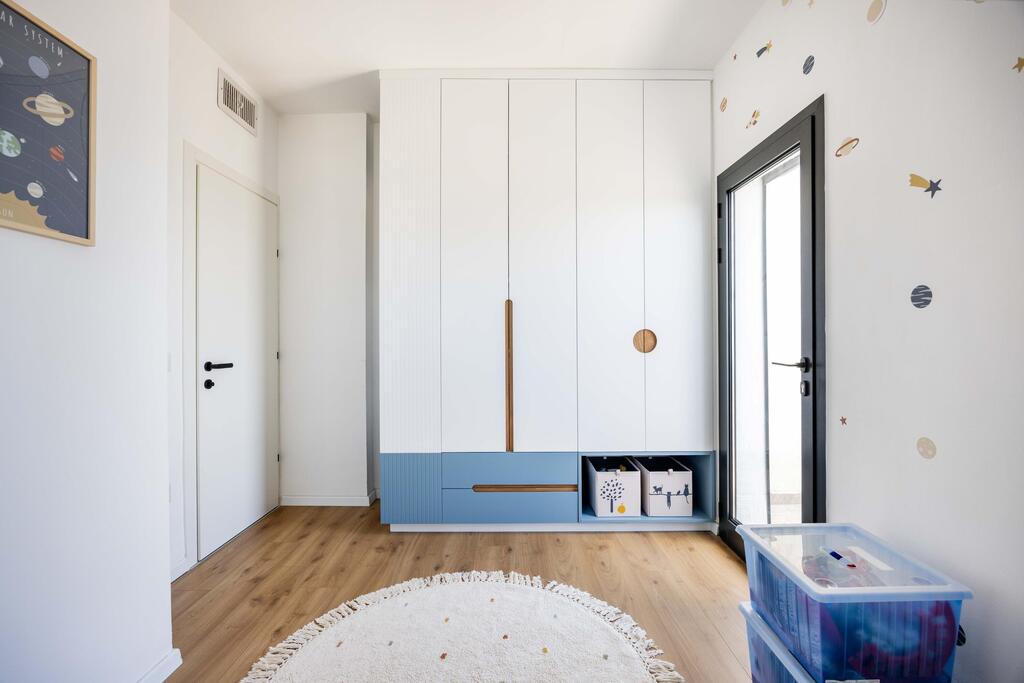
A custom-built wardrobe paired with IKEA furniture. Designed by Tania Alperin.
(Photo: Orit Arnon)
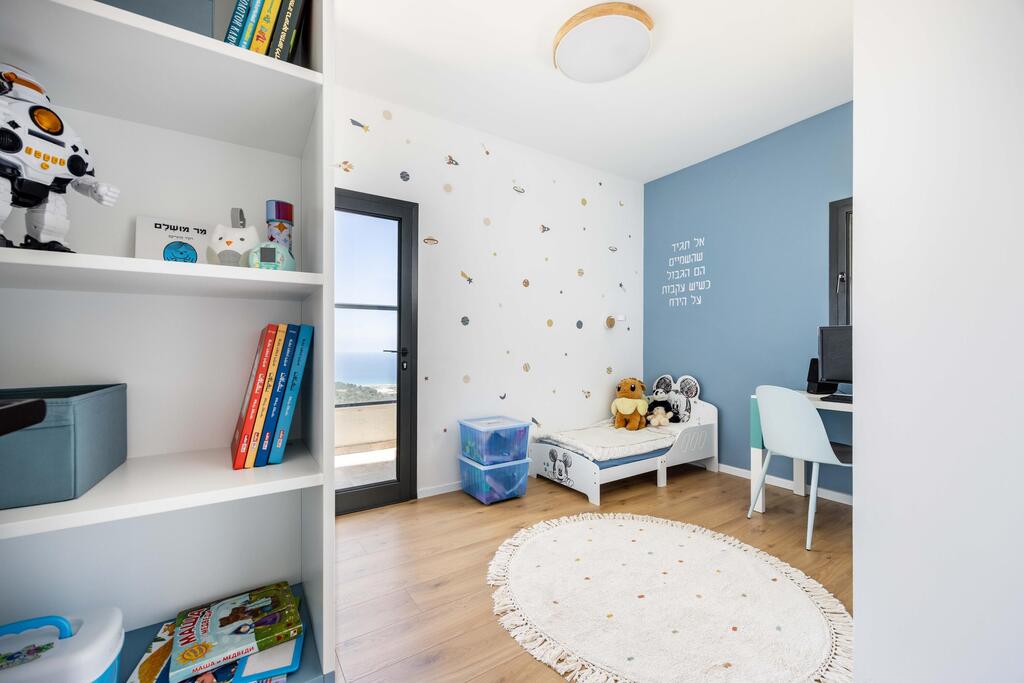
Mostly furnished with IKEA pieces
(Photo: Orit Arnon)
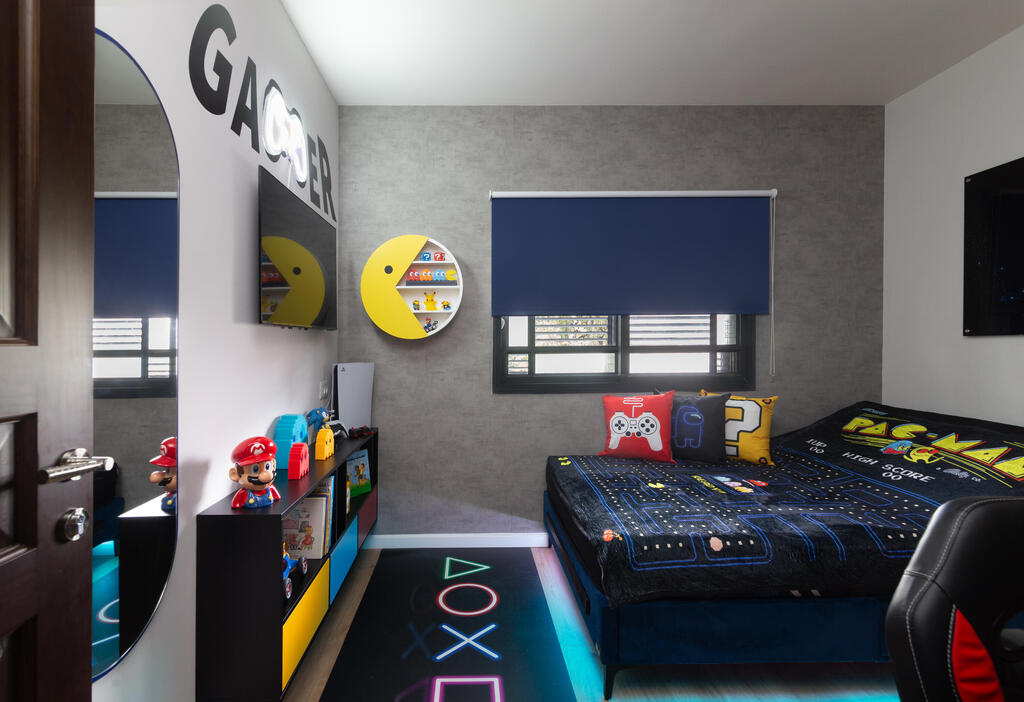
A gaming-themed children’s room, designed by Lilach Halevi
(Photo: Noya Shiloni-Haviv)
Uniqueness without breaking the piggy bank
Liat Baranek, owner of Alea Design Studio, says creating a unique room doesn't have to be expensive and stresses the importance of involving the child in the process. “The room is the first place where a child learns who they are. I recommend leaving room for self-expression. When a child takes part in designing their room, they feel a sense of ownership, which has enormous emotional and design value,” she says.
Children’s health comes before design, and that has budget implications too
Milli Asor, owner of House In, emphasizes the importance of choosing healthy materials, something parents do not always consider in the age of cheap stock websites and online orders such as AliExpress. While these options may be easy on the wallet, they are not always made from materials that are safe for people, especially young children. “Make sure your child’s bed is always made of solid wood. It does not emit toxins, and that affects breathing and overall health,” Asor says, adding a surprising point: “A wooden bed is often cheaper than an upholstered bed, where dust and dirt accumulate."
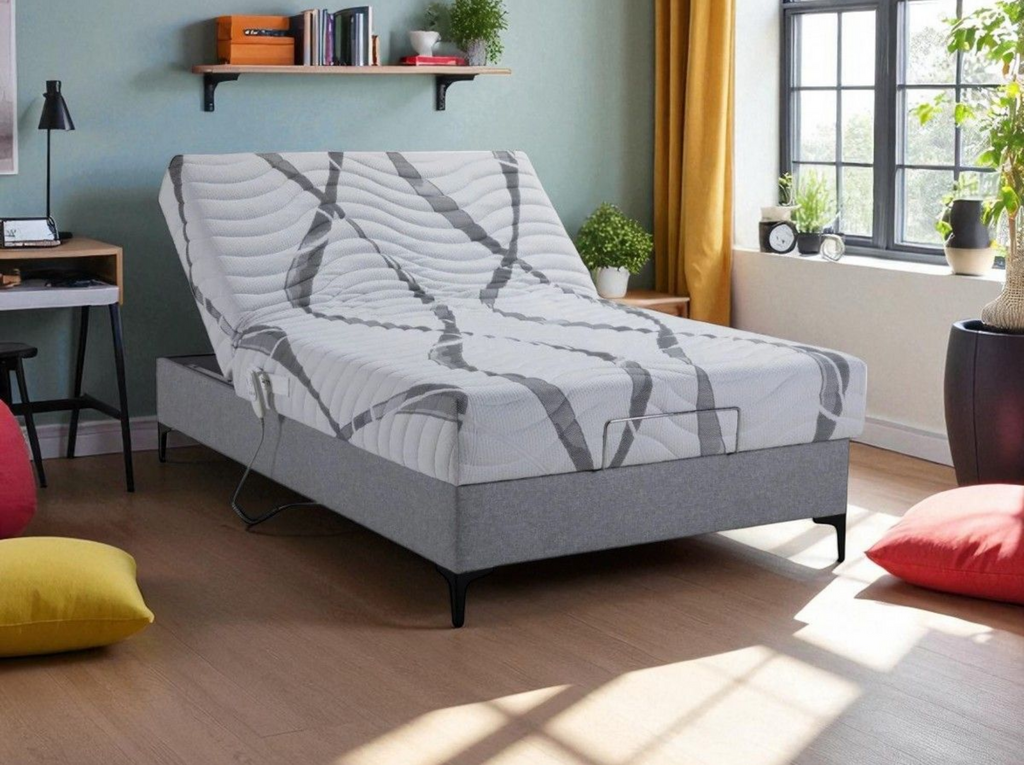
Do not compromise on health or sleep quality. BLOG electrically adjustable youth bed by Dr. Gav
(Photo: Courtesy Kaufman group)
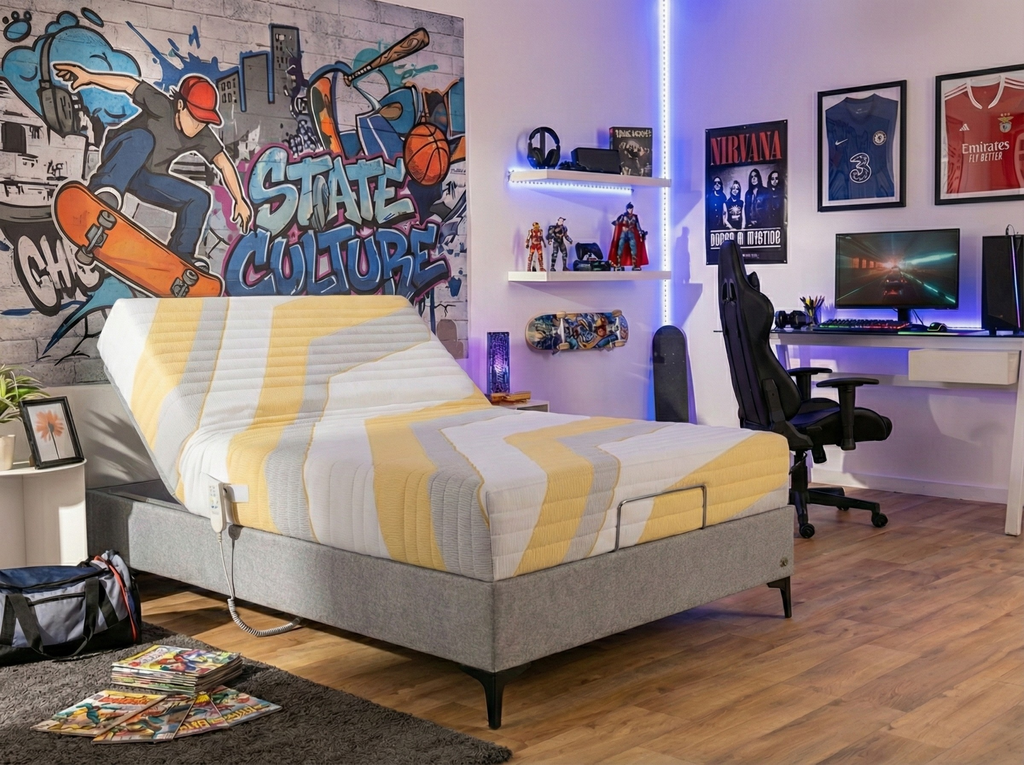
NEW STATUS electrically adjustable youth bed by Dr. Gav
(Photo: Courtesy Kaufman group)
Hadar Melamed Rechter, designer for the Dr. Gav network, explains the importance of the bed, which directly affects sleep quality and development. “It’s important to remember that a bedroom also needs to function as a docking station, a space that creates calm and balance at the end of a busy day. The bed is the child’s real charging outlet and the central anchor of the room,” she says. “That’s where the body grows, the back realigns, and the mind resets after a day of screens, school and friends."
"Choosing a bed, she adds, should go beyond trends, color or texture. “It’s a choice that requires responsibility: who the manufacturer is, their experience, the materials in the mattress, firmness levels and suitability for a growing body dealing with daily strain.
"Materials that support the spine and allow proper weight distribution are essential, such as viscoelastic foam, visco combined with latex, foam cores, visco comfort layers, bamboo fibers for temperature regulation and isolated spring systems. Some beds now even incorporate technologies that neutralize stress hormones created by static electricity, reduce snoring angles and, believe it or not, include a built-in light. Good design addresses the entire user experience, not just appearance.”
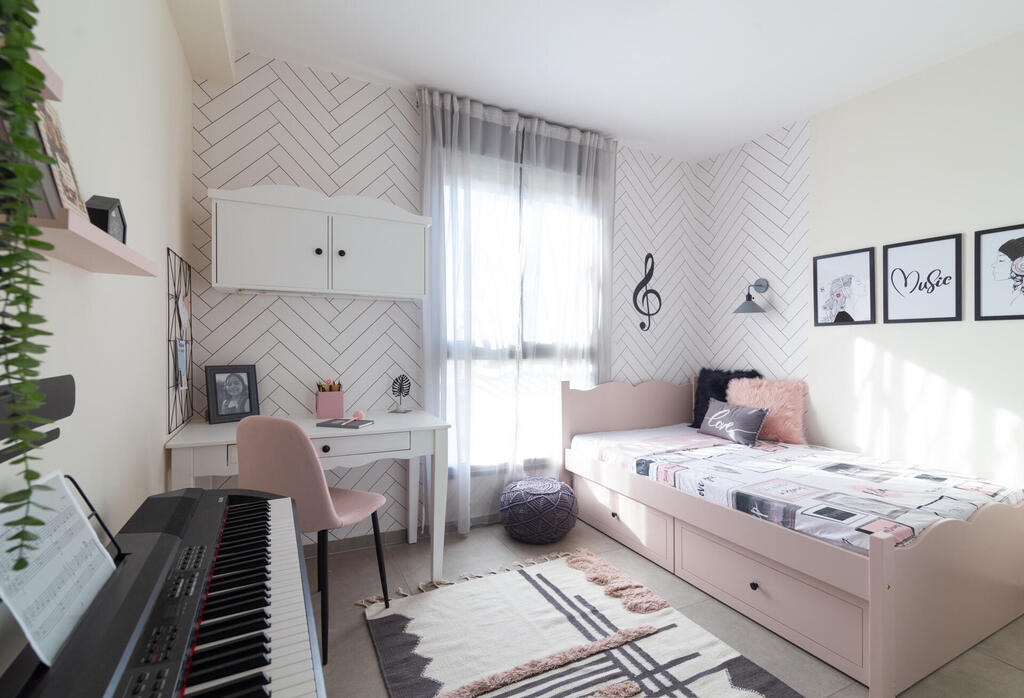
A wooden bed is often healthier than an upholstered bed. Furniture: House In. Design: Lilach Halevi
(Photo: Noya Shiloni-Haviv)
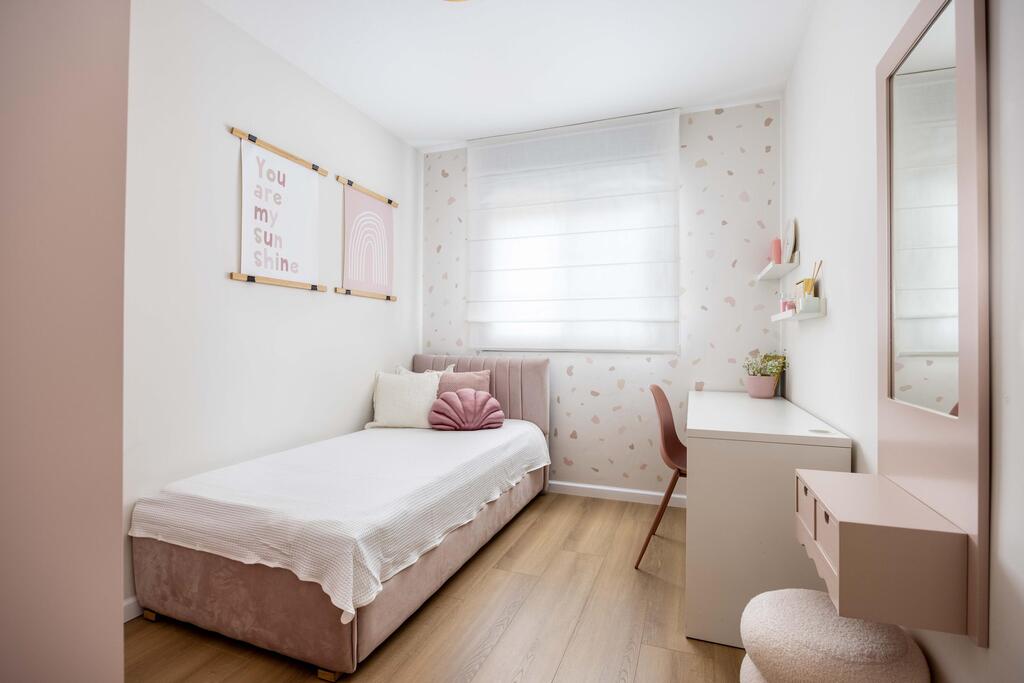
Furniture: House In. Designed by Orit Lavi
(Photo: Orit Arnon)
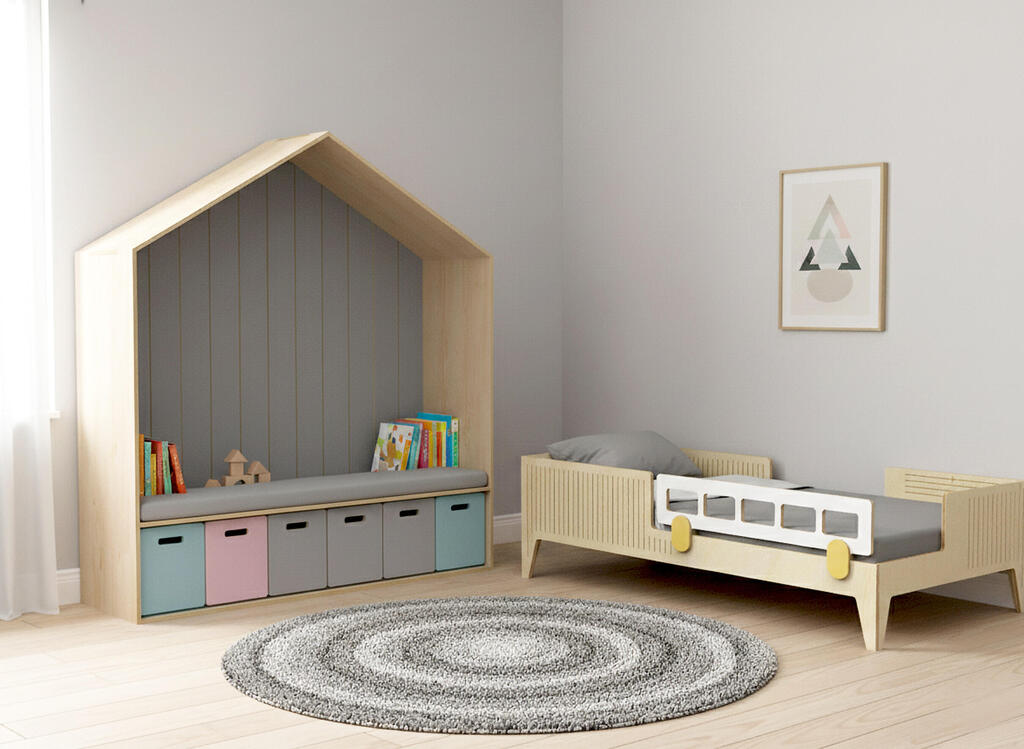
Divide the room into zones, even in a small space. kids' room with a wooden bed and storage bench. Design: Sagol Studio
(Photo: Courtesy Sagol Studio)
Proper space division is a worthwhile investment
Gal Nadav, owner of the Sagol Studio, says organizing the space is a critical stage in any plan, especially in new-construction apartments where children’s rooms are often very small. “It’s important to divide the room into clear zones: sleeping, studying, storage and play. In terms of cost, store-bought furniture is usually cheaper than custom-made pieces designed for specific measurements or needs,” he says.
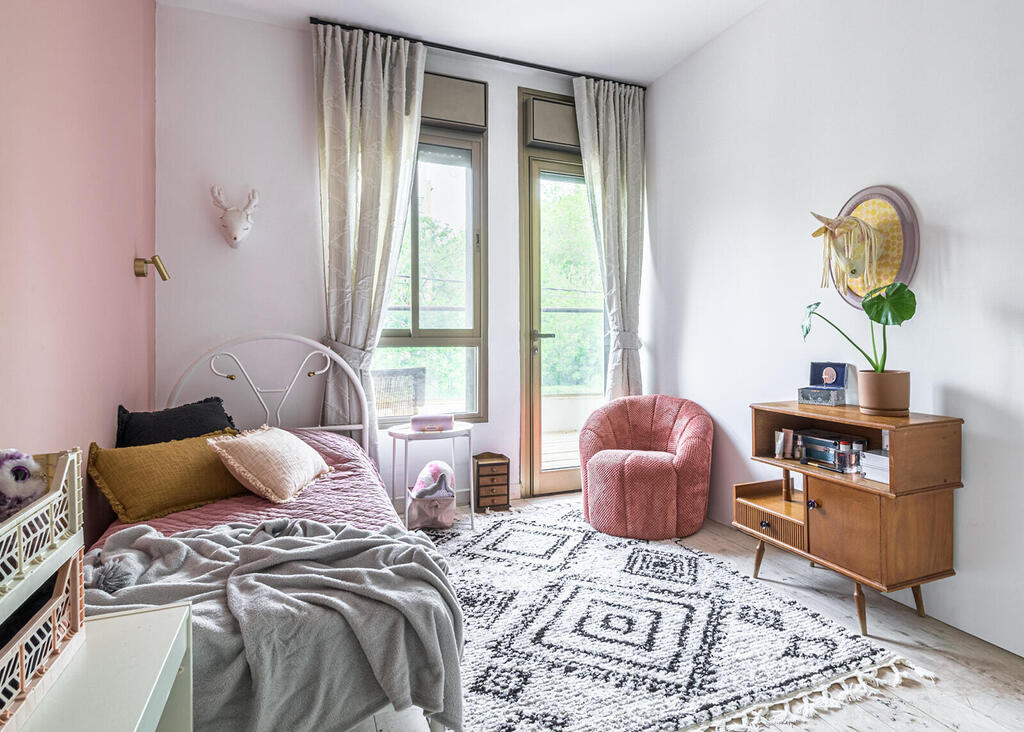
A low-budget room with vintage furniture from grandparents. Design: Hila Bronstein
(Photo: Amir Erlich)
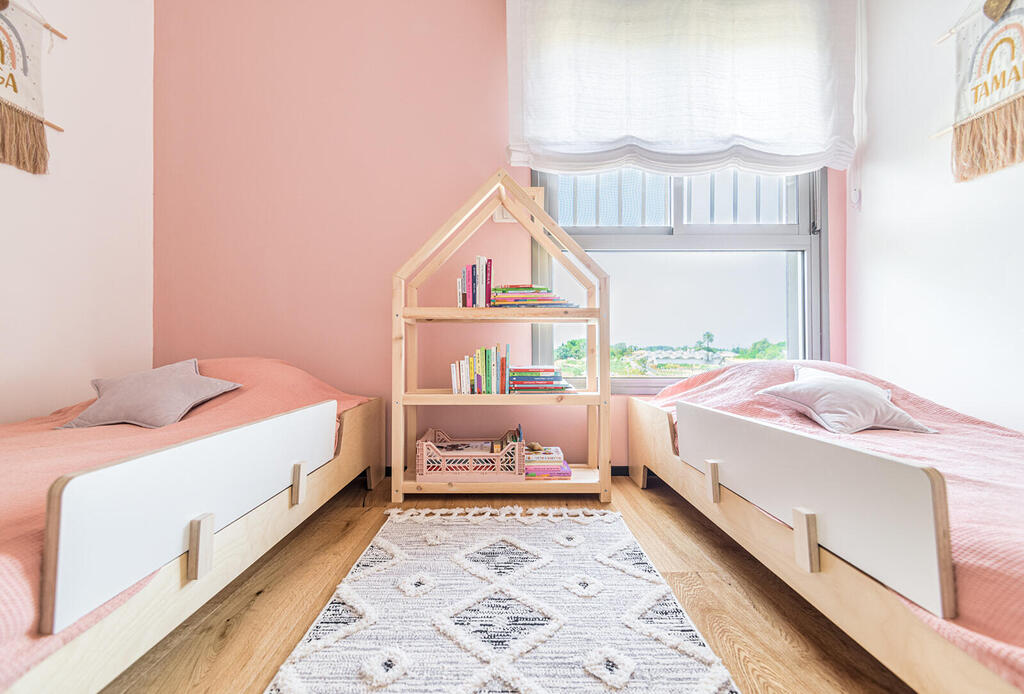
Low-budget design by: Hila Bronstein
(Photo: Amir Erlich)
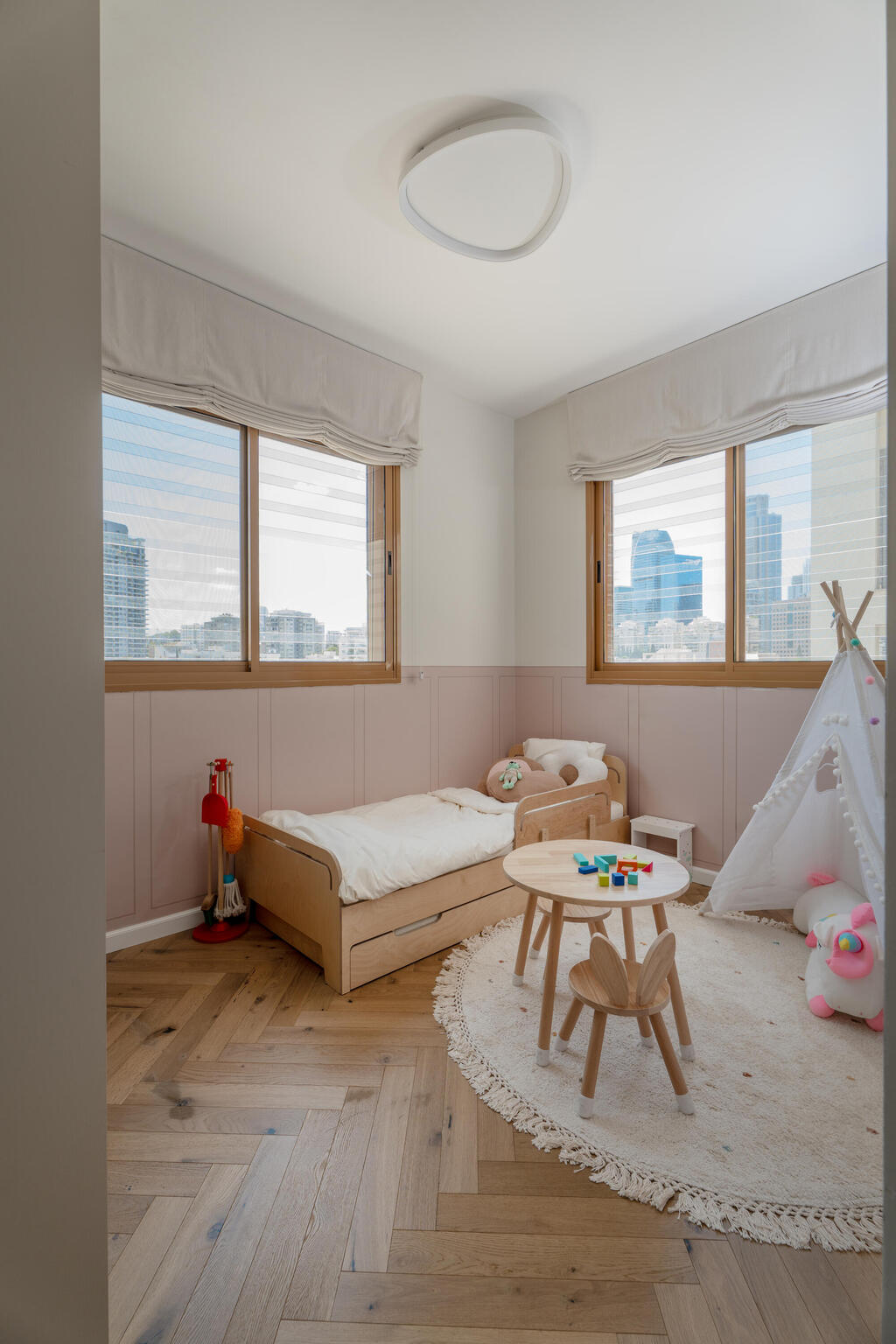
You do not have to buy everything new. Design: Reut Dani
(Photo: Alan Schvartzman)
When sentiment meets budget
Sentimental design incorporates furniture with emotional value, which is not necessarily more expensive but certainly has more character than a ready-made set from a store. “I designed my daughter’s room using a dresser from her grandmother’s home and a bed built by her grandfather,” says designer Hila Bronstein. “Alongside that, we added new accessories that balanced the look of the wood and metal, creating a space that tells a personal story."
Many parents, however, prefer brand-new furniture for children’s and baby rooms and often give up on items from a previous apartment or family vintage pieces. In one of Bronstein’s projects, clients chose not to move furniture from their former home and instead invested in new pieces, based on their priorities. “The budget can be flexible. You can reuse existing furniture or buy new, but it’s important to pay attention to quality. Not every piece of furniture withstands moves or long-term use,” she explains.
Anat Weissberg is an interior designer, writer and lecturer on design and home styling.
First published: 12:27, 01.10.26