

Children have an extraordinary ability to ask difficult questions at exactly the moment their parents feel least prepared to answer them.
Sometimes the subject is sex. At other times, it may be divorce, death, surgery, disability, war or the sound of an air-raid siren. Parents may understand the issue themselves, yet still struggle to translate it into language a young child can absorb.
Gallery

‘Mom, what is sex?’: Children deserve honest, age-appropriate answers about sex
(Photo: Shutterstock)
Yael Feder believes the answer is neither avoidance nor complete, unfiltered disclosure.
Feder, best known in Israel for the children’s book and stage production My Body Belongs Only to Me, has now written her first guide for parents, Making the Complicated Simple. The 53-year-old mother of four from Even Yehuda is a social worker, actress, director, educational content creator and entrepreneur.
Her new book offers practical tools for discussing difficult subjects with children simply, honestly and without overwhelming them.
“Sometimes we do not have enough knowledge,” Feder said. “There are subjects we are embarrassed to discuss. Some subjects trigger anxiety in us, and we are afraid of passing that anxiety on to our children. Sometimes we worry that the truth will frighten them, harm them or cause trauma, and we do not know how to explain it.”
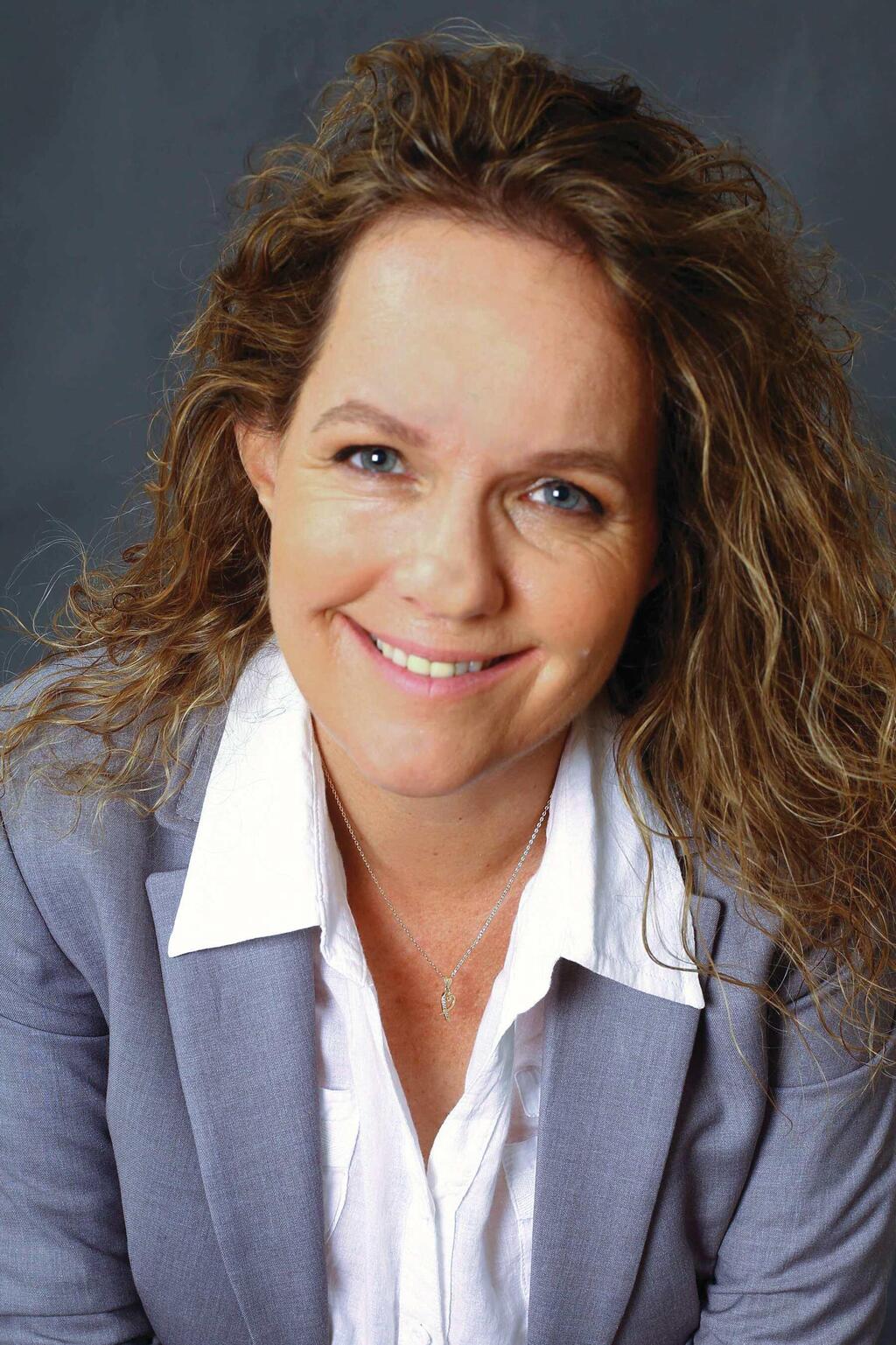
Yael Feder
(Photo: Nama Ben Simchon)
Before beginning a difficult conversation, Feder recommends that parents first clarify several points for themselves.
Should they identify the purpose of the conversation: Is the goal to answer a question, provide information, or calm a fear?
They should also make sure they understand the subject. Parents cannot be experts in everything, Feder said, and there is nothing wrong with pausing when a child catches them off guard.
A parent can say, “That is a very smart question. I am going to think about it,” or “I will check and come back to you.”
The important thing is to return to the child afterward rather than hoping the question has been forgotten.
Parents should also consider the family’s cultural background, values and worldview, which may differ from those of other families or the child’s school. Most importantly, the explanation must be tailored to the individual child, including their age, emotional development and personality.
“Our role as parents is to create a bridge between the available information and our child,” Feder said.
A child who asks a question should receive an answer, she added, but parents should not always wait for children to initiate the conversation.
Everyday situations can provide openings: seeing a person using a wheelchair, meeting someone who is blind or autistic, experiencing pregnancy and birth, moving home or going through a parental separation.
“If we do not explain something, that does not mean the child has no questions,” Feder said. “Children today no longer believe that a stork brings babies.”
Start a dialogue, not a lecture
Feder’s first recommendation is to see the situation through the child’s eyes.
Parents often use abstract or overly sophisticated language, when the child needs a simple version of the truth. The boundary between protecting children and teaching them about the world can be narrow, she said, and careful mediation is the key.
One of Feder’s central techniques is to return the question to the child.
When a child asks where babies come from, for example, a parent might first ask, “How do you think babies come into the world?”
This serves two purposes. It encourages the child to think, while also revealing what they already know and what they are actually asking.
It can prevent parents from supplying information the child did not request or is not ready to hear.
“The technique creates a dialogue instead of the monologue we often deliver when we try to explain something,” Feder said.
Another method, which Feder calls the “tower of insights,” is based on giving one small answer at a time and adding more only when the child continues asking.
When her daughter once asked, “Mom, what is sex?” Feder answered: “Mom and Dad go into a room, close the door and have a special kind of hug.”
Had the child asked what a special hug meant, Feder could then have offered another short, age-appropriate explanation.
The goal, she said, is not to supply all available information at once.
Some children will say, “OK, I understand,” and stop. Others will continue asking. At a certain point, parents may say, “We have talked enough about this for today,” or “That already belongs to the adult world.”
That boundary can help prevent information overload and teach the child that some material is not intended for their age.
Feder also encourages the use of imagery to make abstract ideas easier to understand.
To explain thoughts, for example, parents can use the image of clouds and sunshine. A cloud can represent a heavy or sad thought, while sunshine can represent a warm or pleasant one.
A parent can then ask: “Are you having a cloud thought or a sunshine thought?”
Preparing a child for surgery
When a child is facing surgery, Feder advises parents to provide a simple sequence of what will happen.
They can explain that the family will arrive at the hospital early, meet a nurse, change into hospital clothing and undergo examinations.
Information creates a sense of control, she said.
Parents should also identify what the child can choose. The child may decide which toy, blanket or other familiar object to pack. At the hospital, medical staff may allow them to choose the color of a mask or bandage.
Small choices can restore a measure of control in an intimidating situation.
Parents should also ask what specifically frightens the child. A general fear of surgery may actually involve a particular concern, such as pain, separation from a parent or uncertainty about waking up.
Feder cautions parents against offering false reassurance.
If a child asks whether something will hurt, parents should not promise, “Do not worry, it will not hurt.”
Instead, they can say: “It might hurt. If it does, tell me, and I will ask the doctors to give you something that will help.”
Stories, videos, drawings and role-playing with dolls can also help create emotional distance from the event and give the child a safe way to process it.
Explaining divorce without creating false hope
Young children often understand complicated family situations through comparisons drawn from their own world.
To explain a separation, parents might say: “Sometimes you argue with a friend and no longer want to be friends in the same way.”
Feder again recommends asking the child how they understand the situation.
A parent can ask: “Why do you think we are getting divorced?”
If the child answers, “Because you fight,” the response shows that the child has recognized the tension between the parents.
But if the child says, “Because I did not clean my room,” the answer reveals a sense of guilt that the parents must address directly.
Children often blame themselves even when they do not say so, Feder said.
Parents should explicitly tell them: “This is not because of you. We love you. Mom will always be your mom, and Dad will always be your dad.”
They should also make clear when the separation is final.
Children of divorced parents may imagine that behaving well enough will reunite the family. Leaving that possibility open can prolong confusion and false hope.
Calming children during an air-raid siren
During sirens, Feder suggests a mindfulness exercise called “five-five-five.”
First, the child names five things they can see: “I see a chair,” or “I see a table.”
Next, they touch five visible objects.
Finally, they explain what each object is used for.
The exercise helps ground and calm both children and adults by directing attention toward the immediate physical environment.
Humor can also ease anxiety.
During the exercise, a child might point out that their sister ran into the safe room with a towel wrapped around her head because she had just left the shower. The observation can make the family laugh and release some of the tension.
Feder argues that children are often better able to cope with difficult truths than adults assume.
They are adaptable, resilient and capable of seeing even frightening situations through a simpler lens.
After periods of war, she said, parents may remember fear and uncertainty, while children return to kindergarten talking about funny or positive moments: sitting in a shelter with neighbors, playing games, eating sweets and laughing.
“We must separate our experience of the situation from theirs,” Feder said, “and trust their resilience and ability to cope with complicated circumstances.”
What parents should avoid
Feder advises parents not to use overly sophisticated language, lie, present an unrealistically rosy picture or give the entire truth without any filter.
They should not laugh at the child, deliver a long lecture, turn the conversation into a dramatic event or avoid answering altogether.
The goal is to speak honestly and at eye level, giving children enough truth to understand their world without burdening them with more than they are ready to carry.