

What do you dream about when life gives you a rare breather? That book you’d write, the bar you’d open in Greece, the barefoot marathon you’d run? Most of us carry dreams like these in our back pockets, waiting for a quieter season that never quite arrives. Enter Dreemz, an app that doesn’t just cheer you on but nudges you into action with a blueprint in hand.
A social feed for the dream-curious
Self-help platforms, websites, apps, workshops, and 'self-development' coaches aren't exactly in short supply. They've become as prevalent as olives on a pizza, and a common action they all take is to instill empowerment and a sense of near-omnipotence in their clients. What helps Dreemz stand out from the crowd is being able to back up their bluster with tangible tools and methods to acquire the desired results.

CEO Yuval Manzura calls Dreemz "the world’s leading social network for personal growth." It’s a TikTok-meets-LinkedIn hybrid where users share short video diaries chronicling their pursuit of everything from building a business to rebuilding a sense of self. And it’s not all talk: 116,000 users have already logged more than 600,000 dreams. About 2.5% of those are marked "achieved." That might sound modest, but Manzura sees it as just the beginning. The goal? 100 million users in four years.
Why not just Ask ChatGPT?
Sure, any chatbot can spit out a 10-step plan to "launch your fashion line by Q2." But Dreemz adds something ChatGPT doesn’t: actual humans. Their model blends AI with what Manzura calls HI—human intelligence. Advice from someone who’s already been there is often worth more than an algorithmic pep talk.
And the feed? It’s dream-chasing in vertical video format. The vibe is more support group than influencer playground. People share missteps, backslides, and dead-ends alongside their wins.
In wartime, a surge of dreams
Unexpectedly, Dreemz saw a sharp spike in new users during wartime in Israel—especially during the conflict with Iran. Over 3,600 users joined in just one week. Rather than freeze in place, many seemed moved to finally act.
Some dreams were deeply personal—finding love, grieving aloud, honoring lost relatives with memorial projects. Others had a communal streak: volunteering, supporting security efforts, or simply seeking resilience. One man from Shtula, displaced with his family, finally acted on a long-standing dream to travel the world in a caravan—and now documents that journey on the app.
A spin-free social network
The premise isn’t just to chase glossy milestones. Dreemz actively encourages users to share breakdowns and bruises. Manzura insists the platform is a safe place to show not just the highlight reel, but the behind-the-scenes footage too.
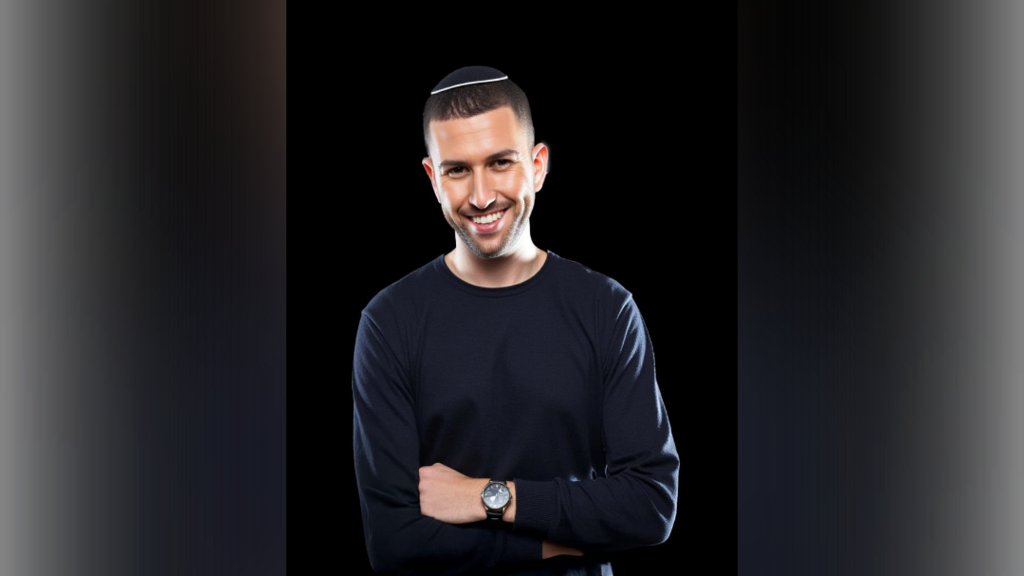
CEO Yuval Manzura
(Photo: Dreemz)
Case in point: Noya Neckler, who lost her partner Roee Maimon in Gaza. Her dream? To open a therapeutic center for those grieving like she was. Within a day, the community rallied—therapists offered services, others offered space. It went from heartache to blueprint overnight.
From startup to stakeholder movement
Founded in 2020 by Manzura and CTO Amos Nesher, Dreemz began as a bootstrapped passion project. With zero marketing, they reached 5,000 organic users. That traction led to a $6 million crowdfunding round on Fundit. A second round on ExitValley soon followed, surpassing 450% of its goal. Instead of handing over equity to a single VC firm, they opened the doors to everyday investors. The current minimum buy-in is $71,000, though they’re planning a lower-threshold round for the broader public.
Monetizing the dream economy
The business model? Freemium. The app is free, but users can upgrade to "Pro" for added features, including an AI mentor. About 1% already have. But Dreemz’s most valuable asset may be its data—not sold, they insist, but possibly used for hyper-targeted ads down the line. Want to run a marathon? Don’t be surprised if Adidas shows up in your feed.
There’s also "Dreemz Coins," a digital currency you can use to tip those who help you. The first 100 are free. After that, you pay to gift more. One day, those coins may be convertible to real-world money, creating an economy of mutual aid inside the platform.
Manzura thinks it could redefine how personal growth is monetized. Whether it ends up challenging Facebook is another story. But if Dreemz has its way, maybe the next big social network won’t be about filtered brunch or trending dances—but quietly, persistently, helping people change their lives.