

“Is this just a rough patch that will pass?” As the late Israeli singer Arik Einstein famously asked, this question haunts many couples who aren’t sure if their relationship is going through a temporary challenge or approaching its end.
Social worker and relationship counselor Merav Amir, who also specializes in sexual counseling and parenting, says this is one of the most common concerns she hears in her practice.

“Couples arrive after years together, feeling confused and exhausted, asking whether it’s worth fighting for the relationship or if the heart is simply not there anymore,” she explains. “This realization usually follows a slow process: eyes no longer meet, conversations halt or disappear, and a vague sense emerges that the relationship is no longer the same.”
Amir stresses that this isn’t always a dramatic crisis. “Sometimes, erosion creeps in quietly. Every relationship has ups and downs—that’s normal—but there comes a point where you need to ask: Does this relationship lift me up or weigh me down?”
How to recognize the signs
“A healthy relationship doesn’t need to be perfect. It should be a safe space where both partners can be themselves without masks, with real communication, mutual respect, physical intimacy, laughter, growth together and the ability to argue without destroying each other. In such a relationship, egos are left at the door, and both partners see each other as equals, investing in building a good life together.”
In contrast, a draining or “declining” relationship shows signs of distance, repeated criticism, rejection or indifference. Conversations disappear, silences lengthen, physical touch diminishes and the overall atmosphere grows heavy. Partners may feel constrained, walking on eggshells, shrinking themselves to avoid conflict.
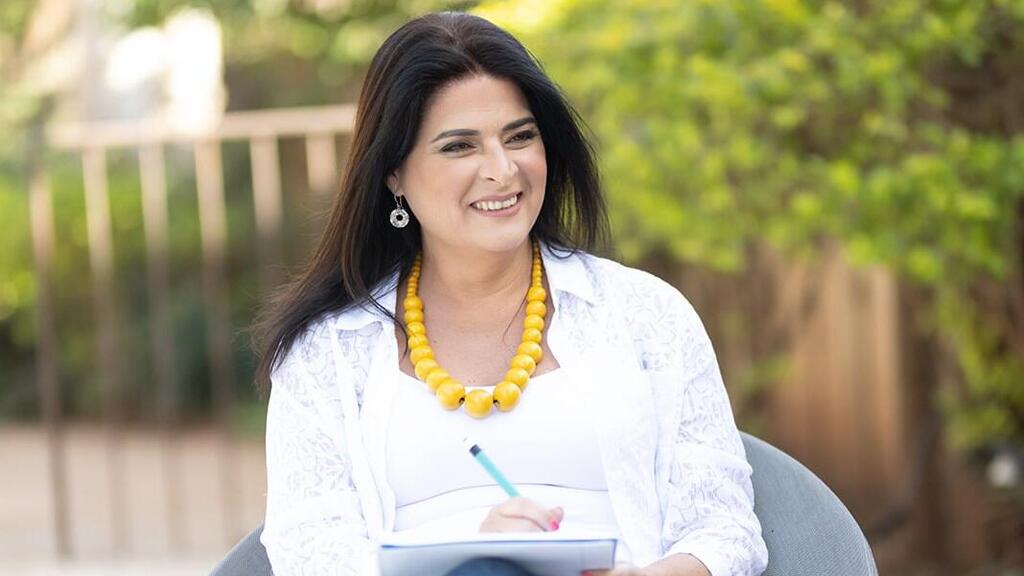
Meirav Amir
(Photo: Tal Harel)
Everyday examples include interactions limited to logistics or children, fading physical intimacy, loneliness even when sharing a room or repeated criticism that wounds repeatedly. If these patterns become chronic—when the relationship feels like parallel lives with no shared points, recurring arguments, eroded mutual respect and disappearing touch—it’s time to seek professional guidance. Amir also warns about toxic relationships marked by control, belittlement, imbalance or fear—even without physical abuse, emotional harm is real.
Can the relationship be saved?
“Absolutely, with commitment and motivation from both sides. When both partners are willing to reflect inwardly, learn new tools, and choose each other again, even a burned-out relationship can grow anew. Couples who invest can rebuild a connection based on communication, listening, appreciation and love. But it’s not always possible. If unsure, commit to a set period of active effort: try new habits, create moments of connection, and assess whether change is happening.”
Amir adds: “Sometimes we crave excitement or fulfillment. It’s crucial to examine whether dissatisfaction stems from the relationship or personal needs, such as a lack of achievement at work or in life. These principles apply to unmarried or childless couples as well—the health of a relationship is defined by its quality, not status.”
Knowing when to let go
“Not every relationship should be salvaged—especially if it’s toxic, humiliating, or violent. If apathy dominates, suffering outweighs joy, you’re becoming someone you dislike, there’s no shared future, or the relationship is a source of pain, it may be time to release it. Fear of separation is natural, but staying in a harmful relationship takes a steep toll on the mind and spirit. Sometimes letting go is the bravest act, restoring peace, vitality and the ability to thrive again. Before deciding, a professional consultation can provide clarity—sometimes one right word can change everything.”