

The debate over body image returned to the spotlight this week after Israeli model Eden Fines posted vacation photos from Paris showing her in a crop top and with a very slim figure.
Actress and model Liat Bello, who has previously spoken about struggling with eating disorders, responded by posting one of Fines’ photos to her Instagram story and criticizing what she described as a culture that glorifies thinness.
Gallery

Self-worth can become tied to body image instead of who we are
(Photo: Shutterstock/Hryshchyshen Serhii)
“It’s time to stop worshiping thinness and start worshiping health,” she wrote.
But is health itself something we should be worshiping?
The wellness trend has become increasingly dominant in recent years. On social media and in everyday life, it is difficult to avoid young people talking about how much protein they eat, counting their steps, searching for new workout methods and documenting nearly everything they consume.
Along the way, some may take supplements or vitamins that are not necessarily appropriate for them, adopt diets based on TikTok trends without medical supervision or exercise in potentially harmful ways.
That raises a more uncomfortable question: Has wellness simply become a new version of diet culture?
“The thinness trend was centered around one simple and destructive message: ‘As little as possible,’” said Dr. Ofri Yalin, a clinical dietitian and postdoctoral researcher at the Israeli Center on Addiction and Mental Health at the Hebrew University of Jerusalem.
“The goal was extreme thinness, and the methods were usually drastic calorie restriction and excessive cardio exercise. In practice, that meant eating as few calories as possible, seeing the lowest possible number on the scale and wearing the smallest clothing sizes, all in line with the heroin-chic ideal of the 1990s or the thigh-gap test of the 2000s.”
Today’s wellness culture looks different.
“The current ‘health’ trend focuses on looking strong, energetic and full of vitality,” Yalin said. “On the surface, that sounds like a positive shift, but in practice extreme thinness has been replaced by the ideal of being toned.
“The stated goal is health, longevity and maximum fitness, but the control and rigidity have remained exactly the same. They have simply transformed from calorie counting into protein counting, step counting and tracking different measurements.”
That sounds positive. Where does it become a problem?
“This trend is fundamentally positive, but it can be translated into very obsessive behavior,” Yalin said.
That can include what she described as a protein cult, in which protein is added to almost everything, from puddings and pancakes to snacks and powders, alongside fear of eating supposedly “bad” carbohydrates.
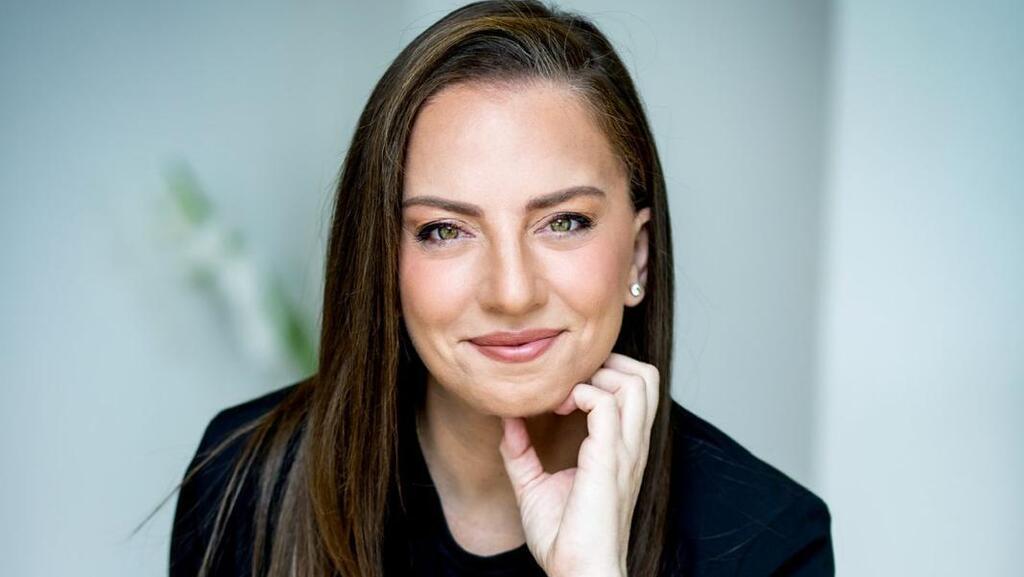
Dr. Ofri Yalin
(Photo: Sharon Levin)
Other behaviors can include obsessive body optimization, rigid daily step targets, compulsive heart-rate monitoring or continuous glucose tracking even among completely healthy people.
Exercise can also shift from something beneficial into punishment or obligation, with intense strength training, heavy lifting and significant anxiety over missing a workout.
In some cases, this can develop into orthorexia, an obsession with eating only “clean” food, avoiding processed foods entirely and experiencing anxiety around eating socially.
“The bottom line is that the psychological suffering can be exactly the same,” Yalin said. “Severe anxiety around family meals, harsh self-judgment, disconnection from internal hunger and satiety cues and fear of weight gain. Only this time, the anxiety is disguised as ‘losing muscle mass.’”
When health provides a sense of control
The greatest difficulty is that the behaviors appear healthy.
“In the past, a girl with an eating disorder might develop ways to hide it because she knew she was starving herself,” Yalin said. “Today, young people often arrive with social and ideological backing.
“They believe they are doing something healthy and improving themselves, so it becomes much harder for them to recognize that there is a problem.”
Dr. Michal Ben Meir, a clinical psychologist specializing in eating disorders, said the trend has become especially powerful among young people because it responds to several emotional needs: control, belonging, recognition and self-worth.
“It gives us a sense of control in a world that feels very unstable,” she said. “When there is anxiety, uncertainty or overload, it is much easier to focus on numbers: how much I ate, how much I walked, how much I weigh. It creates a sense of order, even if it is temporary.”
Social media intensifies the effect.
Yalin described its influence as “total and daily,” pointing to TikTok videos that present a supposedly perfect, calculated and aesthetically curated day of eating.
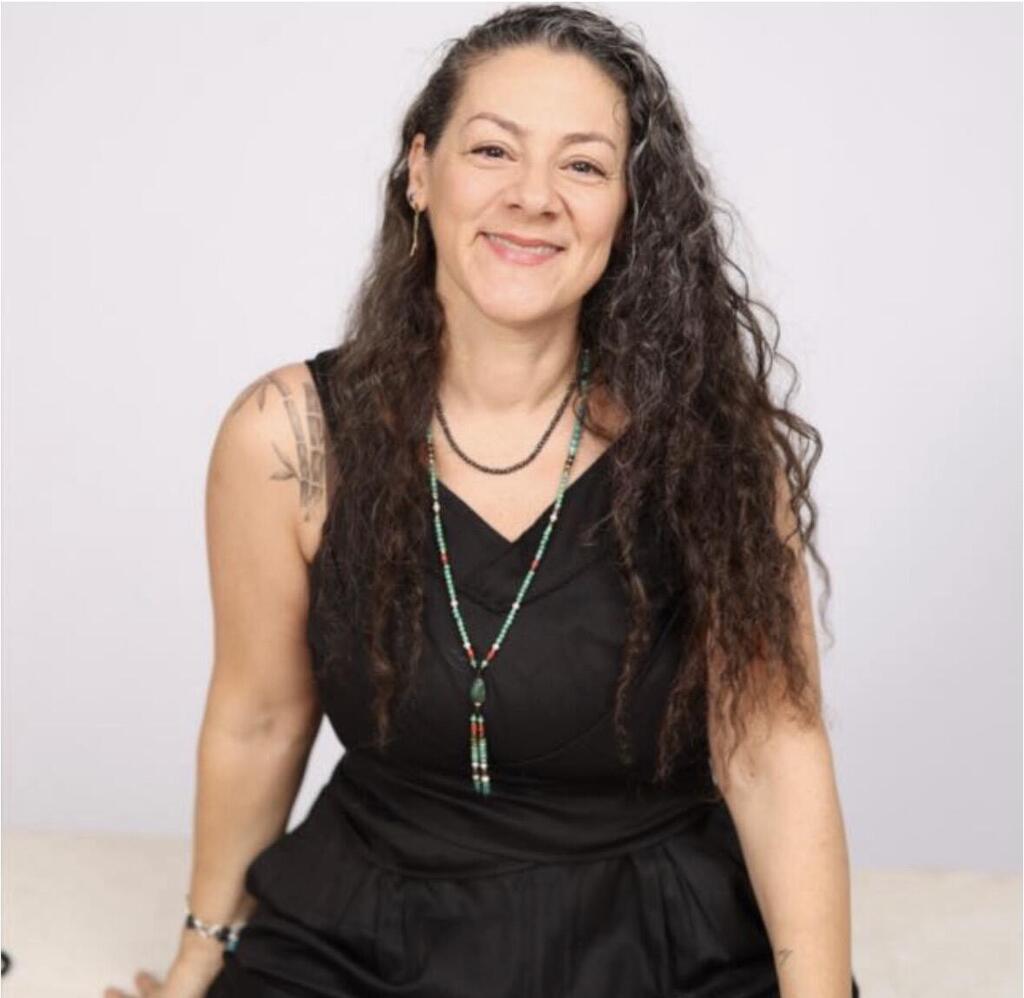
Dr. Michal Ben Meir
(Photo: Ella Faust)
Those videos can create impossible standards that are not individually appropriate.
Filters, camera angles and constant exposure to sculpted bodies can also contribute to body dysmorphia, creating the impression that “everyone looks like this.”
Then there is the influence of fitness and wellness creators who have no professional qualifications but present categorical advice about what is healthy, unhealthy or dangerous.
Ben Meir said social media can gradually tie self-worth to those behaviors.
“If I’m doing things ‘right,’ I get likes and comments that reinforce the feeling of success,” she said. “Slowly, self-worth can begin to depend on these behaviors and on how the body looks, instead of on who I am.”
The effect can be especially significant for adolescents.
“At those ages, the self is still developing and is not fully consolidated,” Ben Meir said. “It’s not simply that teenagers are young and naive. The adolescent brain is strongly influenced by repetition and social norms.
“When the same message appears dozens of times a day, it stops feeling like an opinion and starts feeling like the truth. And that happens to adults too.”
What does this look like among young people you meet?
“I’m seeing more and more teenagers who feel they are never doing enough,” Ben Meir said.
“Even if they eat healthily, exercise or look great, there is always another target to reach. Many of them live with the sense that they are being measured constantly.
“Instead of listening to their bodies, they listen to apps. Instead of asking, ‘How do I feel?’ they ask, ‘How much does this contain?’ or, ‘Is my stomach flat enough to wear a swimsuit?’”
Not everyone who counts steps or protein is developing a dangerous problem.
“There is nothing inherently negative about counting protein, steps or calories, doing strength training or taking supplements,” Ben Meir said. “The question is whether all of these things serve us, or whether we begin serving them.
“When food becomes classified as ‘good’ or ‘bad,’ when there is fear of a day without exercise, when enjoyment is forbidden and every deviation brings guilt, these are no longer signs of health. They are signs of obsession.”
She is also concerned about the language surrounding these behaviors.
“Sometimes an eating disorder disguises itself as discipline, health or ‘wellness,’ and that makes it much harder to identify.”
Warning signs
Ben Meir said the red flags extend beyond selective eating or changes in weight.
“It begins when food and appearance start managing your life, when thoughts about food take up a large part of the day, when there is anxiety around eating, when you avoid social events because of food, when there is severe guilt after eating or compulsive behavior around exercise,” she said.
“In the end, the question is how free the person is. Once that freedom disappears, it is time to stop and examine what is happening.”
Finding real balance
So how can people pursue healthy habits without sacrificing their mental health?
“You can eat nutritious food and exercise while also enjoying a family meal, taking a vacation without counting steps or eating birthday cake without feeling that you failed,” Ben Meir said.
She added that adults should focus less on telling young people what their bodies should look like and more on helping them develop critical thinking.
Questions such as “Who benefits from making you feel that you’re not good enough?” or “How does this content make you feel?” may be more helpful than another lesson in nutrition metrics.
“The goal is not to raise young people who know how to count protein,” she said. “It is to raise young people who know how to listen to themselves and seek help from the right professionals.”
Yalin said genuine balance is neither rigid nor Instagram-perfect.
“It means returning authority to the body,” she said. “Learning again to listen to hunger, fullness, fatigue and pleasure rather than instructions from a smartwatch or app.”
That can also mean taking occasional breaks from social media, unfollowing accounts that create guilt or feelings of inadequacy, and rejecting extreme solutions.
Mental flexibility, she said, is central.
“Health is being able to eat a nutritious salad at lunch and ice cream with friends in the evening, without guilt and without feeling the need to compensate,” Yalin said.
She also urged people to separate morality from food.
“Food is simply food. It does not make us better or worse people.”
And exercise, she said, should ideally come from enjoyment, stress relief and energy rather than serving only as a tool for burning calories.