

Princess Diana secretly slipped out of Kensington Palace at night to give money to sex workers and check on homeless people in London, according to new revelations by a former royal press secretary who says the princess's acts of kindness were driven partly by deep loneliness behind palace walls.
Dickie Arbiter, who worked closely with Diana and the then-Prince Charles for years, shared the previously undisclosed details in an interview with the Daily Mail's Palace Confidential, describing a princess who sometimes evaded her security officer to venture into the city alone.
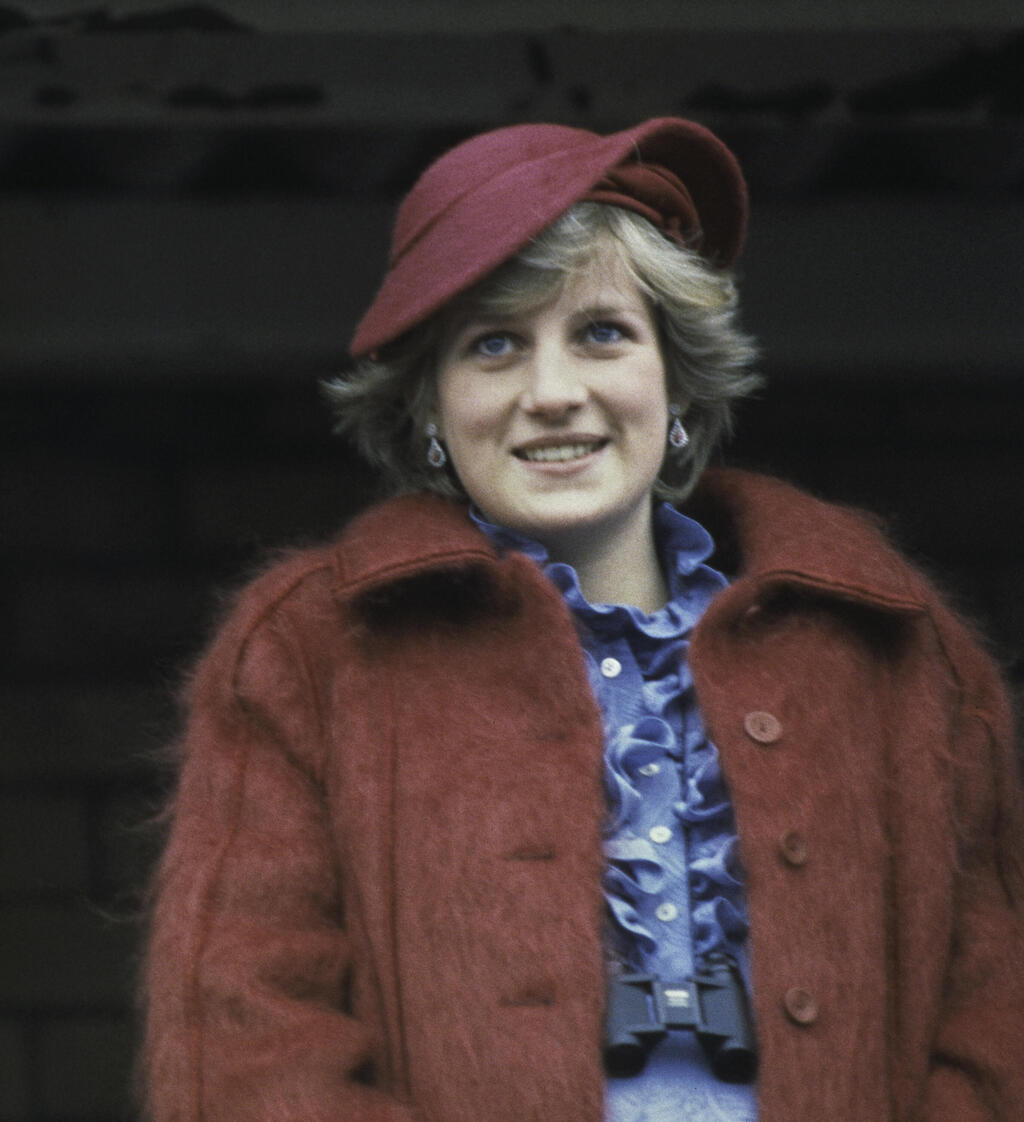
According to Arbiter, Diana felt compelled to undertake the nighttime excursions, although he believes boredom and isolation also played a part. Despite her global fame and enormous public affection, he said, her private life at Kensington Palace could be profoundly lonely.
Arbiter explained that Diana's royal status made even ordinary social visits complicated. Friends who wanted to see her at Kensington Palace had to undergo extensive security arrangements, something many were reluctant to do.
"All she had was a telephone to call her friends," he recalled. Visitors had to provide their names, addresses, vehicle registration numbers and expected arrival and departure times, making spontaneous socializing almost impossible.
Diana regularly entertained guests for lunch but rarely hosted dinner parties, leaving her with long evenings and little company. According to Arbiter, she sometimes told her protection officer that she planned to stay home and that he could take the evening off.
Arbiter said she would go out not only to give money to sex workers but also to drive past homeless people to see how they were coping. He believed she genuinely felt these visits were something she needed to do, even if they also provided an escape from the monotony of palace life.
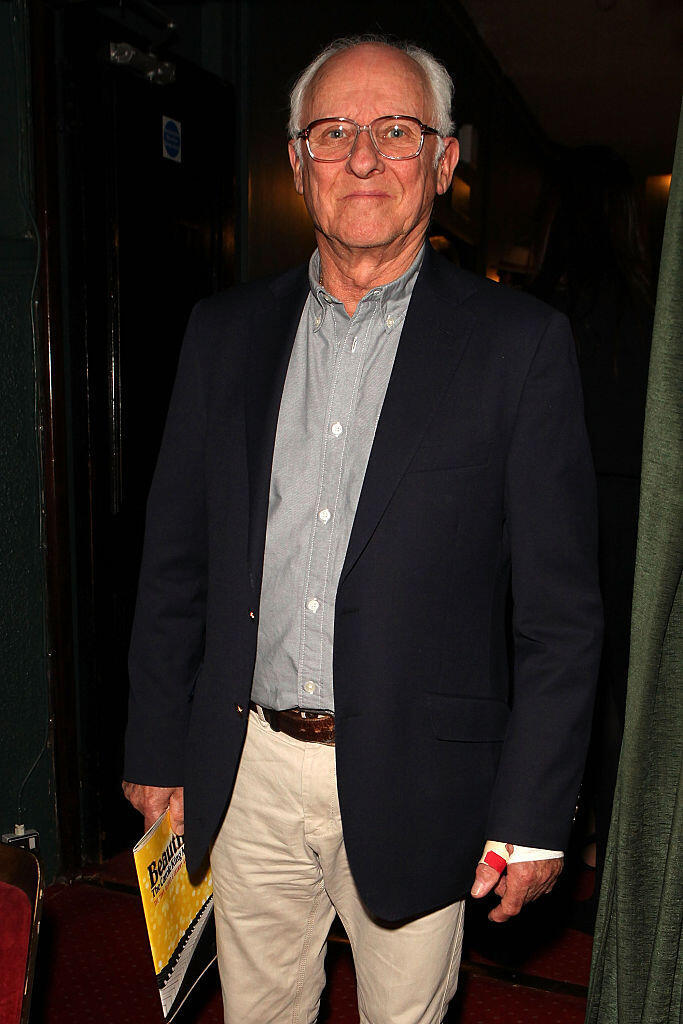
Former royal spokesperson Dickie Arbiter, who worked closely with Diana and the then-Prince Charles for years
(Photo: David M. Benett/Dave Benett/Getty Images)
The revelations offer another glimpse of Diana's well-documented compassion for vulnerable people, including those experiencing homelessness, a cause that later became central to the charitable work of her elder son, Prince William.
The 86-year-old former royal spokesman made the remarks while discussing his new book, "On Duty with the Royals: The Inside Story of the Modern Monarchy," which draws on his 12 years working for the royal household.
Beginning in 1988, Arbiter worked closely with Charles, then Prince of Wales, and Diana, accompanying them through their separation and divorce. In 1997, he was responsible for media arrangements surrounding Diana's funeral.
Did Charles really say Diana would be forgotten?
The interview also revisited a bitter dispute over the aftermath of Diana's death, which has intensified following the publication of a new memoir by her younger brother, Charles Spencer. In "Swan Song: Diana, My Sister," released in September, Earl Spencer claims that the then-Prince Charles told him shortly after Diana's death in 1997 that she would soon be forgotten.
The remark allegedly came during a heated disagreement over funeral arrangements, particularly whether Diana's sons, Prince William and Prince Harry, then 15 and 12, should walk behind their mother's coffin. Spencer maintains that Charles insisted the boys take part in the procession despite his objections. During the dispute, according to the memoir, Charles made the remark suggesting Diana's memory would quickly fade.
Almost 29 years after her death, Diana remains one of the most recognizable and admired figures in modern royal history, making the alleged remark particularly striking.
Arbiter, however, strongly disputes Spencer's account. He dismissed the memoir as boring, accusing Diana's brother of focusing too heavily on himself and getting important facts wrong. Having been directly involved in the royal household's communications during that period, Arbiter said he found several passages in the book difficult to reconcile with his own memories.
He questioned why the public could not simply allow Diana to rest in peace, arguing that nearly three decades of revisiting the same disputes had produced little genuinely new information.
Arbiter was particularly critical of Spencer's portrayal of Charles as indifferent to Diana's death. He argued that such behavior would have been completely out of character for the future king, recalling Charles's visible grief when he returned to Britain with Diana's body shortly after her fatal car crash in Paris.
Arbiter said he had been present during those events and remembered Charles stepping off the aircraft in a state of profound distress. He compared the prince's grief to the devastation he had witnessed following the assassination of Charles's great-uncle, Lord Mountbatten, in 1979. "The man was devastated," Arbiter recalled, rejecting any suggestion that Charles had viewed Diana's death as a cause for celebration.
In Arbiter's view, Spencer's account of his former brother-in-law bears little resemblance to the Charles he knew.
The dispute has also prompted an unusual public response from Buckingham Palace. Following the publication of Spencer's memoir, the palace departed from its customary policy of avoiding comment on books about the royal family. In a statement, it suggested that grief over the loss of a family member could affect judgment and reshape memories in ways that others might not recognize, even many years later.
The remarks were widely interpreted as a defense of the king against Spencer's allegations.
Diana's heartbreak before her wedding
Spencer's memoir goes beyond the circumstances surrounding his sister's death, revisiting her relationship with Charles and the hopes she had for their marriage. He recalls initially feeling reassured by what appeared to be Diana's genuine love for the heir to the throne.
According to Spencer, Diana had grown up determined to marry for love, partly because she wanted to avoid repeating the painful divorce of their parents. She also dreamed of devoting herself to the children she hoped to have. But Spencer writes that he later learned of a deeply upsetting conversation that allegedly took place on the eve of Diana's wedding in July 1981.
According to his account, Diana told a close friend that Charles had said he was happy to marry her but was not actually in love with her.
Spencer recalls waking early on the morning of the wedding and visiting Clarence House, where he found his sister already dressed in her wedding gown, sitting quietly in front of a mirror. Only years later, he writes, did he begin to understand the emotional blow she may have been carrying that morning, as she prepared to marry a man whose heart, she feared, belonged elsewhere.
The claims add another chapter to the competing accounts of Diana's troubled marriage and the events surrounding her death, with Spencer presenting his sister's experiences through the eyes of a devoted brother and Arbiter defending the conduct of the royal household he served.
Yet amid the renewed controversy, Arbiter's recollections of Diana's secret nighttime excursions reveal a more private side of the princess: a woman surrounded by royal privilege and worldwide admiration who, according to her former spokesman, sought relief from loneliness by quietly reaching out to people living far beyond the palace gates.