


What do billionaires and members of the ultra-wealthy elite look for when designing a home? Despite differences in taste, family structure and lifestyle, several recurring features appear in houses where money is no object.
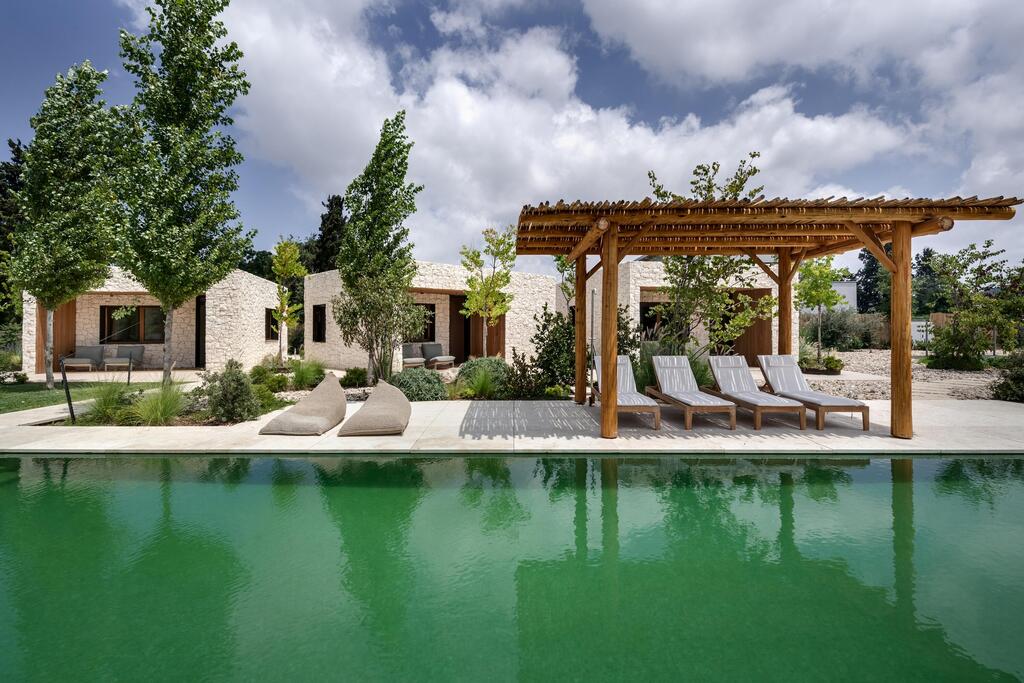
Quiet luxury
Shiny marble floors, massive crystal chandeliers and gold faucets are no longer considered signs of wealth. In many cases, quite the opposite. Today’s wealthy homeowners tend to favor quiet luxury. This means natural materials with matte finishes, a calm palette of sand, cream and beige, restrained minimalism and a sense of quality that does not shout for attention.
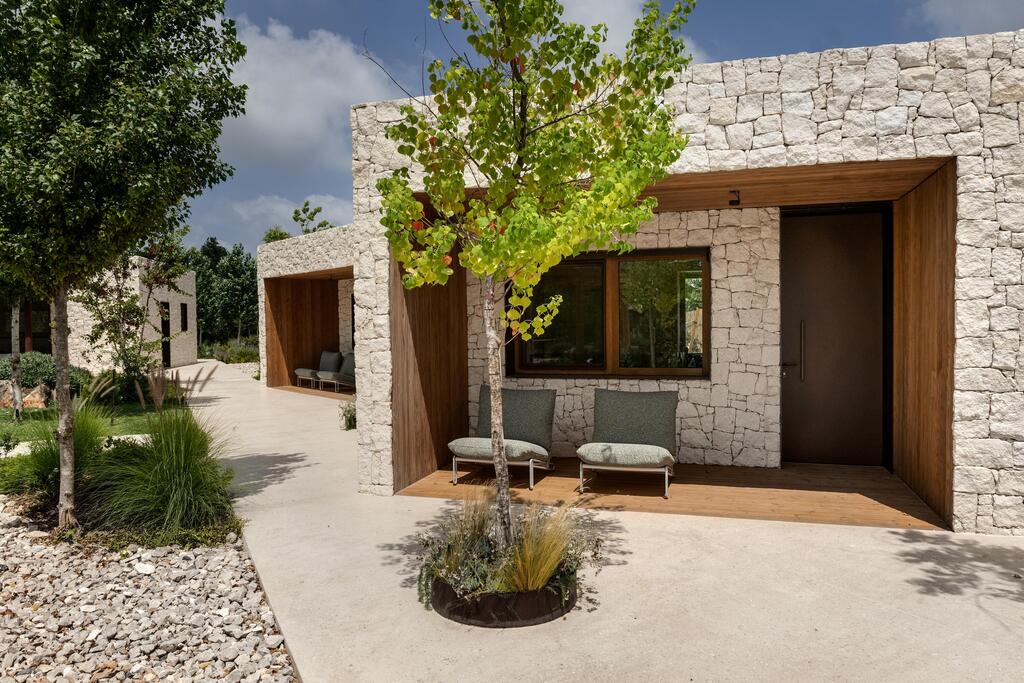
A cluster of homes designed for one nuclear family
(Photo: Oded Smadar)

A view from above
(Photo: Oded Smadar)
Beneath the surface are dozens of sophisticated, indulgent and expensive elements, but none are flashy. The real power lies in the details, including custom handles, custom-made wall cladding, designer switches, iconic lighting fixtures and furniture that cannot be found anywhere else.
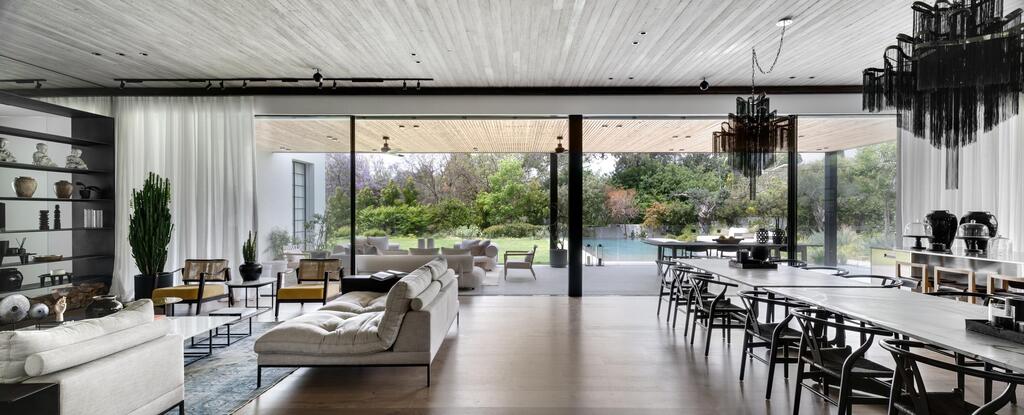
Unique items that no one else has
(Photo: Oded Smadar)
A hidden second kitchen
One of the most distinctive features of very affluent homes is a concealed secondary kitchen, separate from the main show kitchen. This back kitchen, known only to the household and staff, is where intensive food preparation takes place, including frying, serious cooking, grilling, chopping and baking. The elegant front kitchen is mainly for coffee and light snacks.
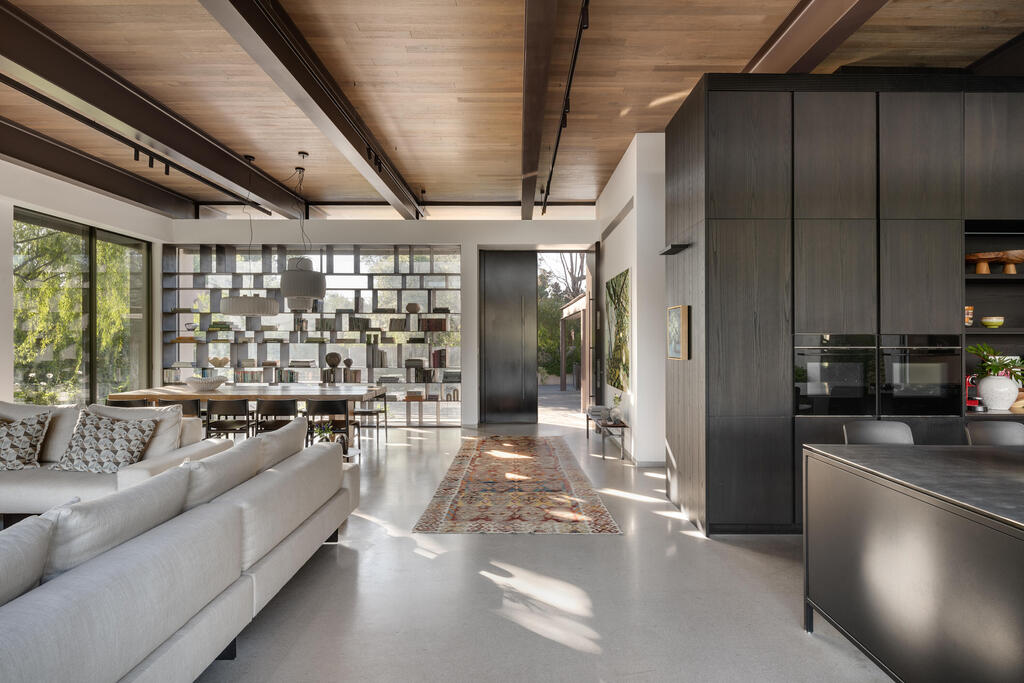
Behind the formal kitchen is another, hidden kitchen
(Photo: Oded Smadar)
‘An additional kitchen is not about showing off, but about allowing two or three chefs to work at the same time when hosting a large meal or party,’ said architect Dan Israelevitz. ‘These kitchens usually include a huge pantry and an island at least seven meters long.’
Many homes also feature a professional outdoor kitchen equipped with burners, grills, smokers, plancha surfaces, wood-fired ovens, refrigerators, ice machines, oversized islands and sometimes a fully stocked bar. Yael Moskowitz, VP of Marketing at Nyga Chef FOR HOME, said outdoor kitchens have become a status symbol and are designed like restaurants, often with custom-made grills imported from abroad and luxury appliances. In one case, the company produced a seven-meter-long cooking island delivered as a single unit. Another client commissioned a custom grill built in London by a firm that supplies top restaurants and hotels worldwide."
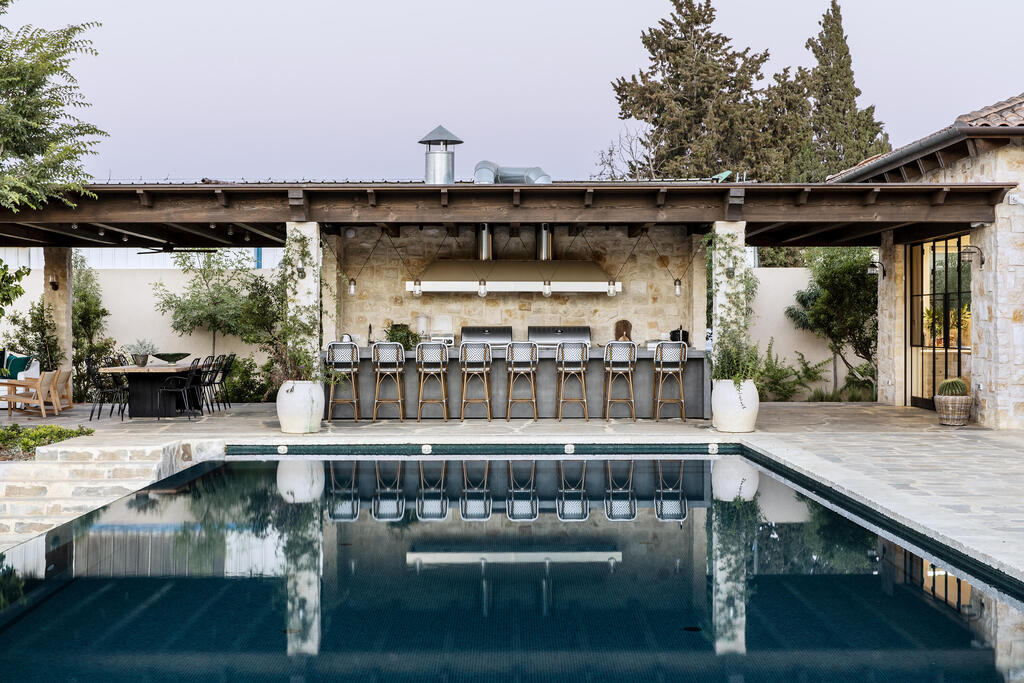
Equipped outdoor kitchen
(Photo: Itay Benit)
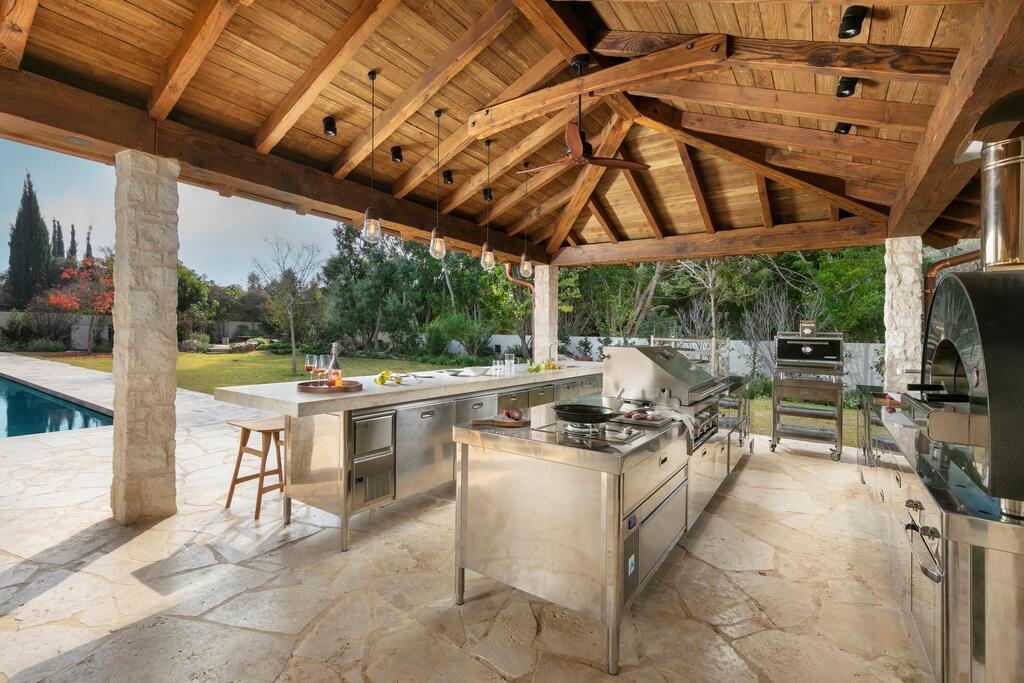
Nyga Chef FOR HOME outdoor kitchen
(Photo: Elad Gonen)
More than one living room
Wealthy homeowners tend to favor what designers call ‘multiple hosting scenarios.’ In practice, this means several seating areas. The main formal living room is large, custom-furnished and sometimes television-free. Alongside it are a family room with a TV and additional indoor and outdoor seating areas of varying sizes. In such homes, it is possible to host 200 or even 300 guests without feeling crowded.
Wine cellars and cigar storage
Wall-length wine refrigerators, dedicated wine rooms, glass-enclosed cellars with advanced technology and cigar storage areas are all considered part of the good life. Some homeowners store hundreds or even thousands of bottles, displayed like works of art with temperature and humidity control, lighting and full cataloging systems.
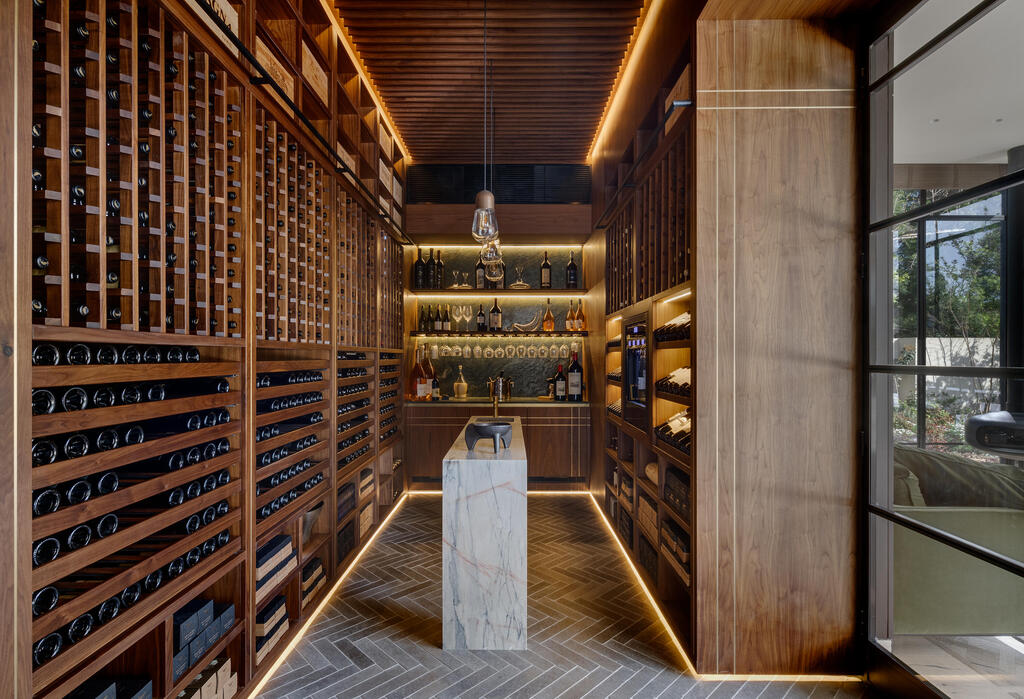
Wine and cigar storage
(Photo: Oded Smadar)
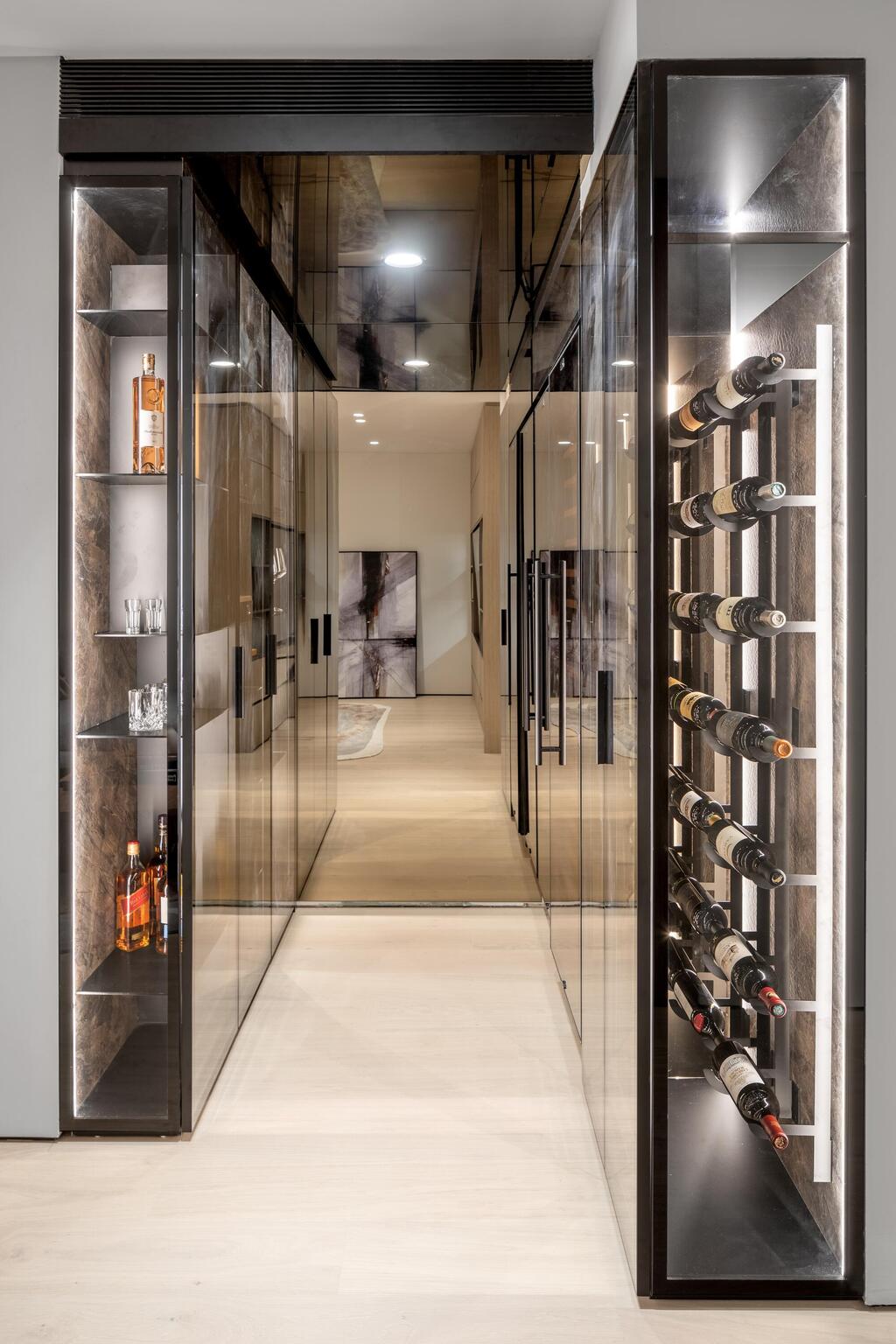
Wine storage
(Photo: Eyal Tagar)
Fireplace indoors and out
Large fireplaces, fire pits and dramatic heat features have become staples of luxury homes. Fire creates atmosphere and enhances comfort, offering a highly upgraded version of a traditional bonfire that is enjoyed not only in winter but year-round.
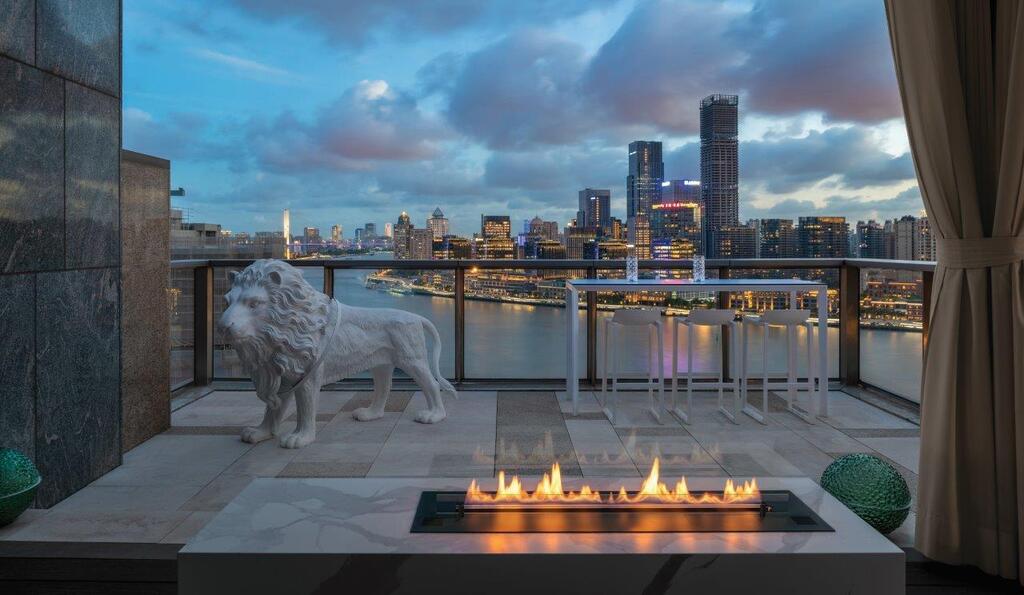
Ortal Fireplaces, a new technology that allows use under open sky
(Photo: Courtesy of Ortal Fireplaces)
A full-scale spa
Billionaires do not need to visit a spa; they build one at home. Beyond pools and jacuzzis, many residences include dry and wet saunas, hammams, red-light therapy rooms, ice baths, salt rooms, steam rooms, commercial-size gyms, functional training studios, Pilates reformers, yoga spaces and even oxygen rooms. In some cases, private mikvehs, hair salons and hotel-level massage and treatment rooms are also built.
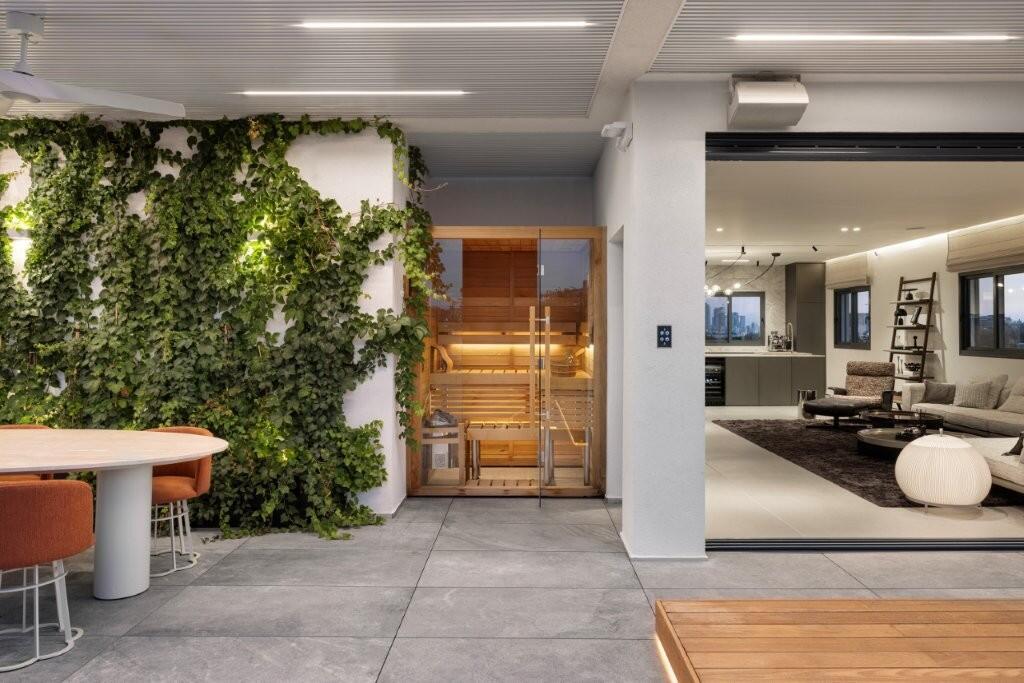
Spa at home
(Photo: Itay Benit)
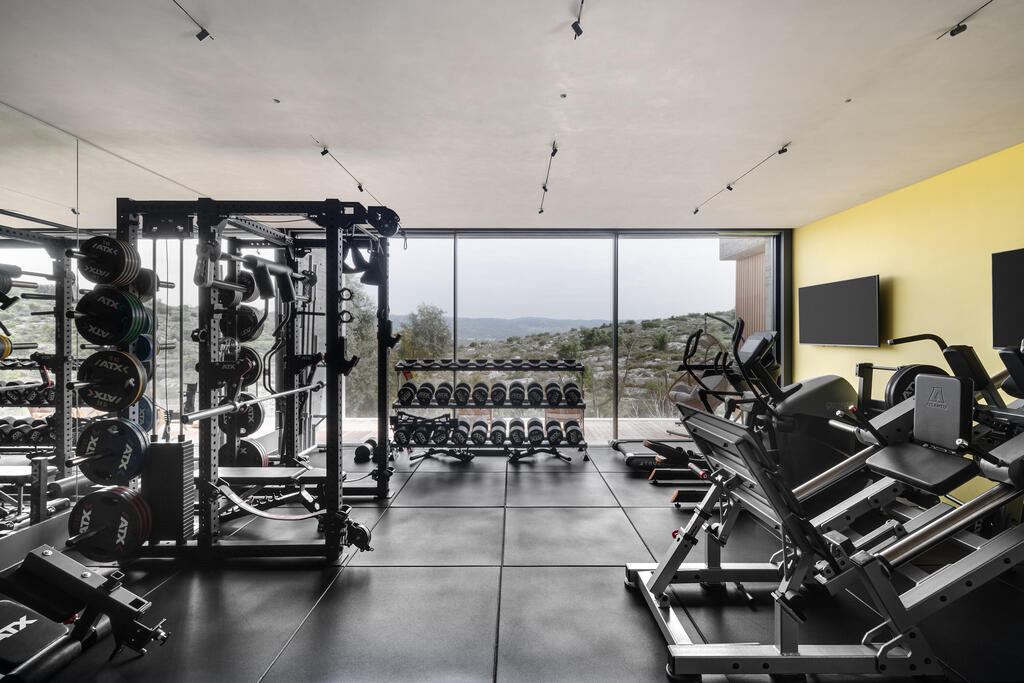
Commercial-size gyms
(Photo: Oded Smadar)
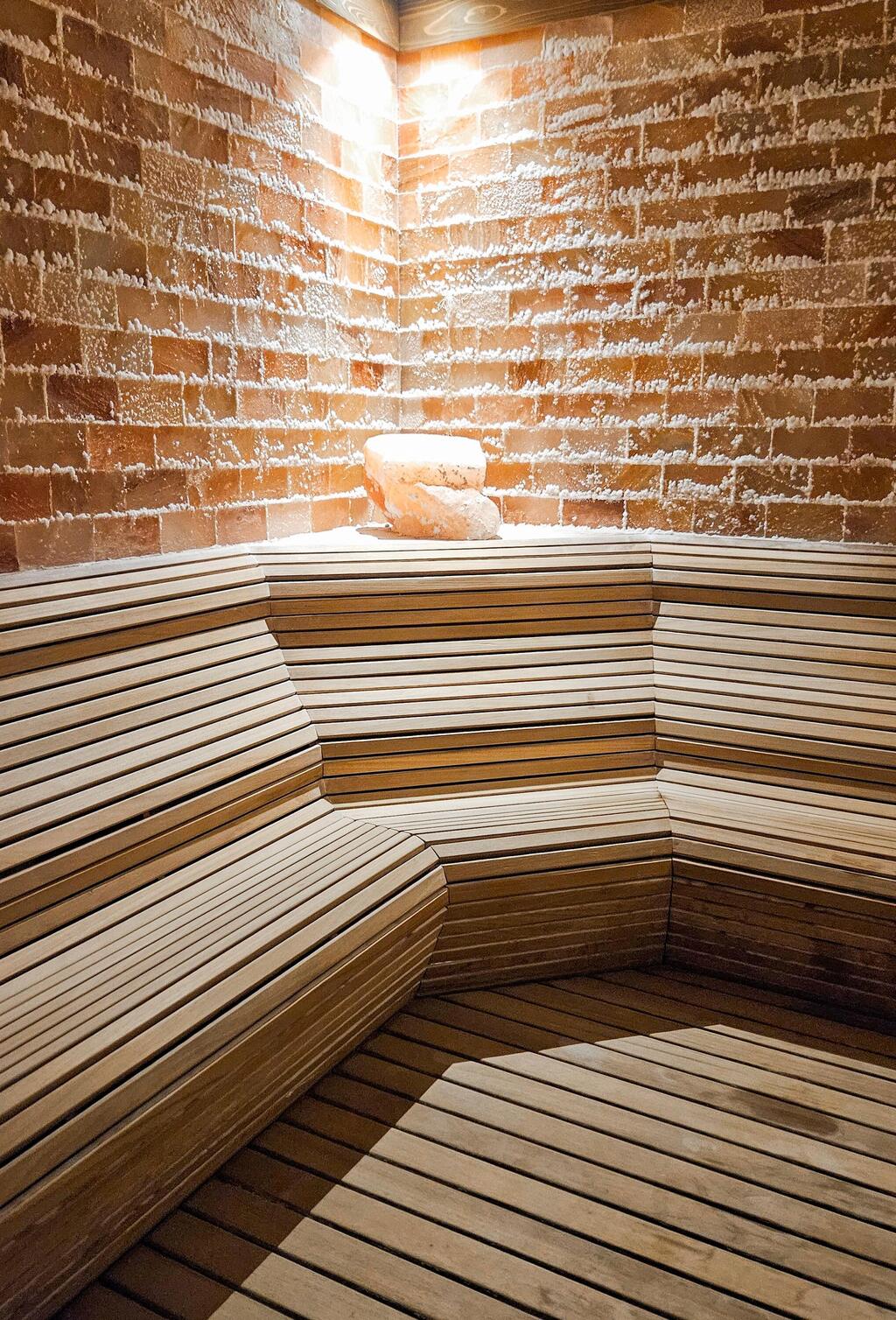
Spa at home, with or without a salt room
(Photo: Olette17, shutterstock)
Game rooms for adults
Alongside fully equipped home theaters with top-tier audio and video systems and deep reclining chairs, many homes also include adult game rooms. These often feature billiards, table tennis, air hockey, gaming stations and other leisure activities tailored to the family.
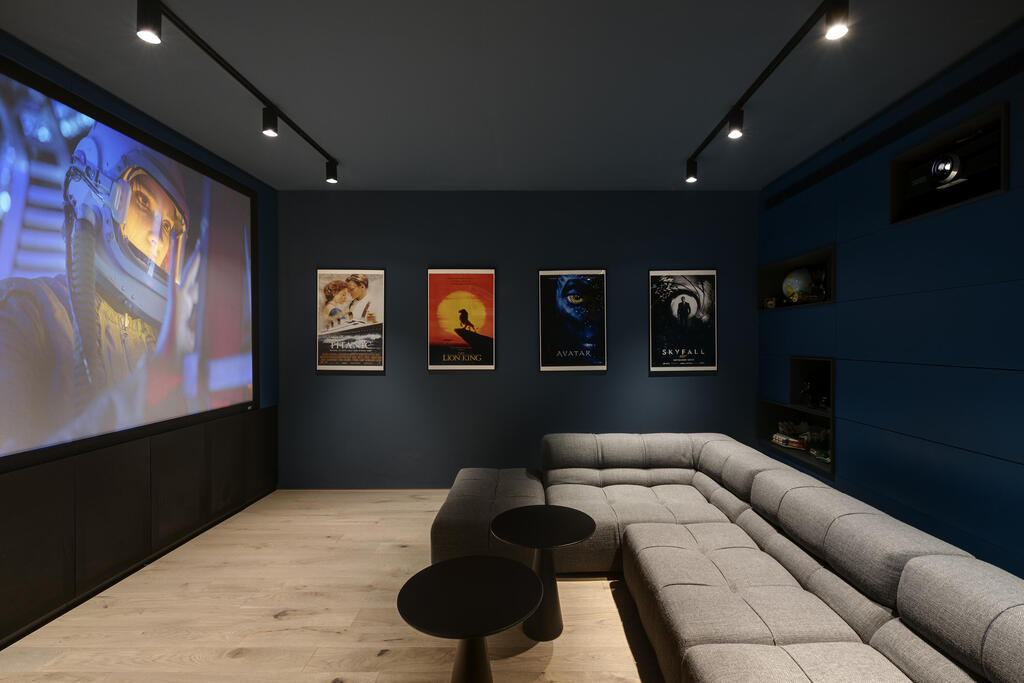
Home theater
(Photo: Oded Smadar)
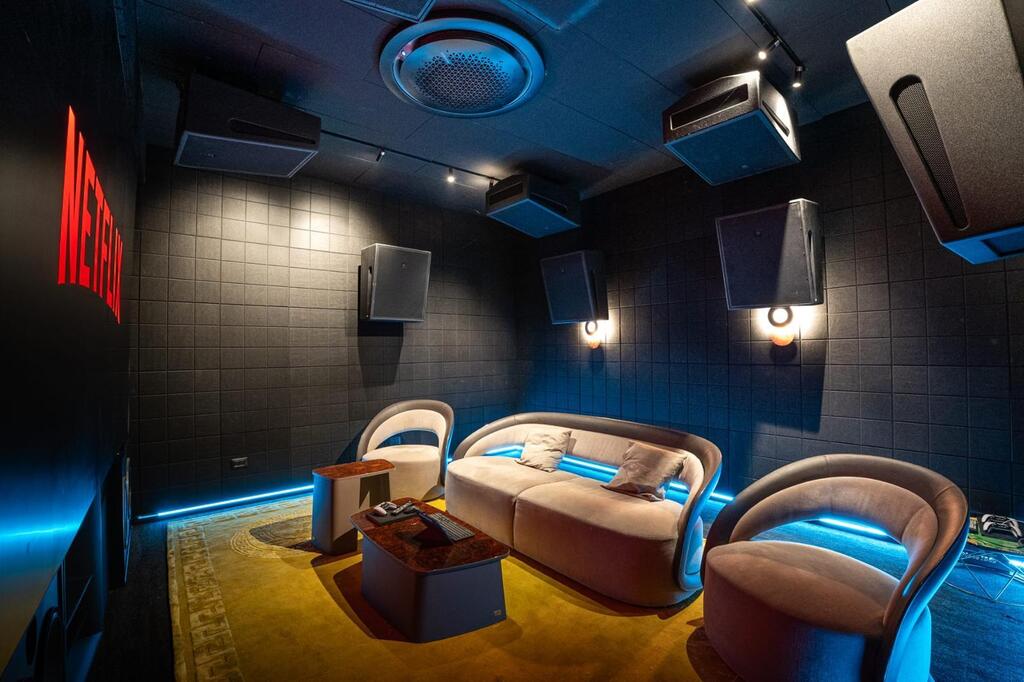
An advanced home cinema by Samsung
(Photo: Maor Levi)
Windows instead of walls
In ultra-luxury homes, walls are often replaced with massive glass panels, skylights, internal patios and gardens integrated into bathrooms and bedrooms. The connection between indoors and outdoors is a guiding principle, and when money is not an issue, an expensive window can replace a simple wall. As for cleaning, dedicated staff are supported by advanced gadgets such as smart window-cleaning robots. A robot that can attach itself to the glass, plan its route, spray water, vacuum and polish without human contact can be purchased for 2,200 to 2,800 shekels.
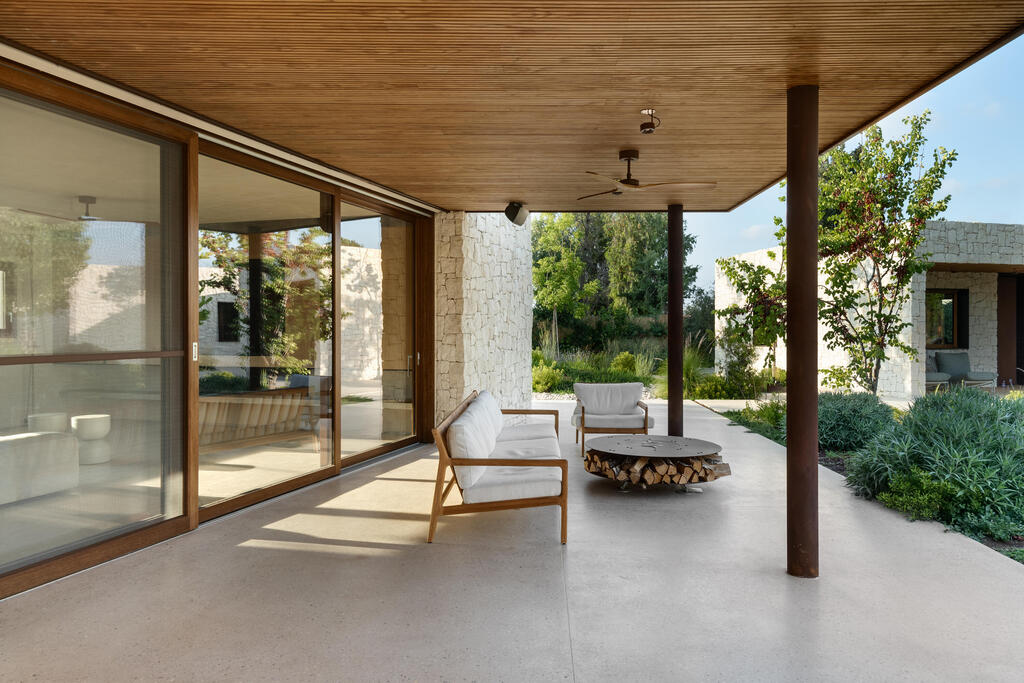
Windows instead of walls; also a space for a fire pit
(Photo: Oded Smadar)
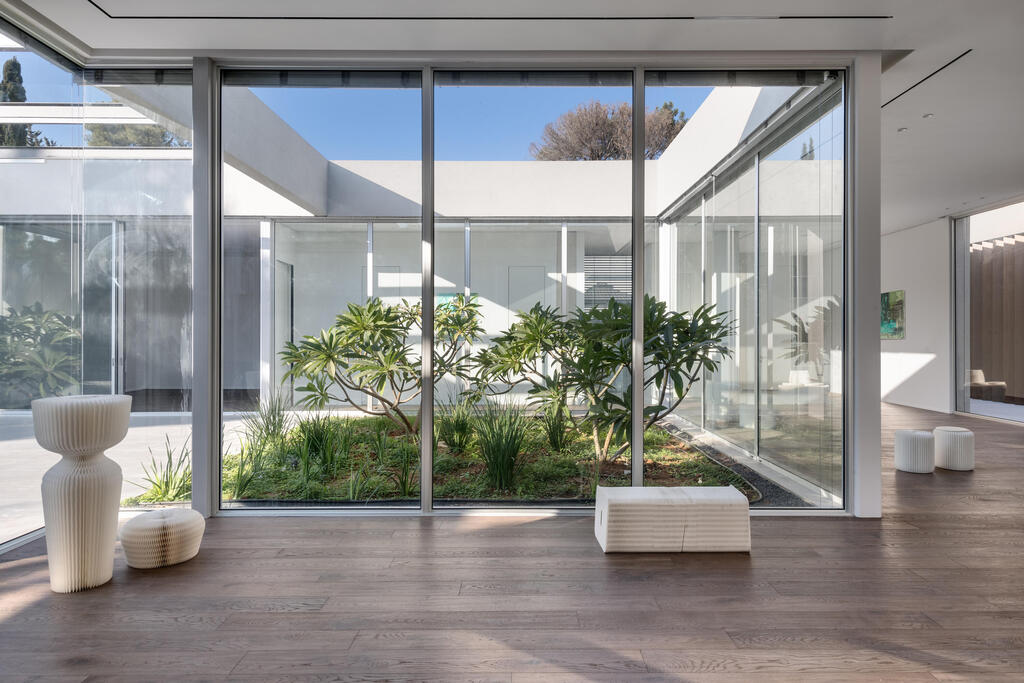
Windows function as walls
(Photo: Oded Smadar)
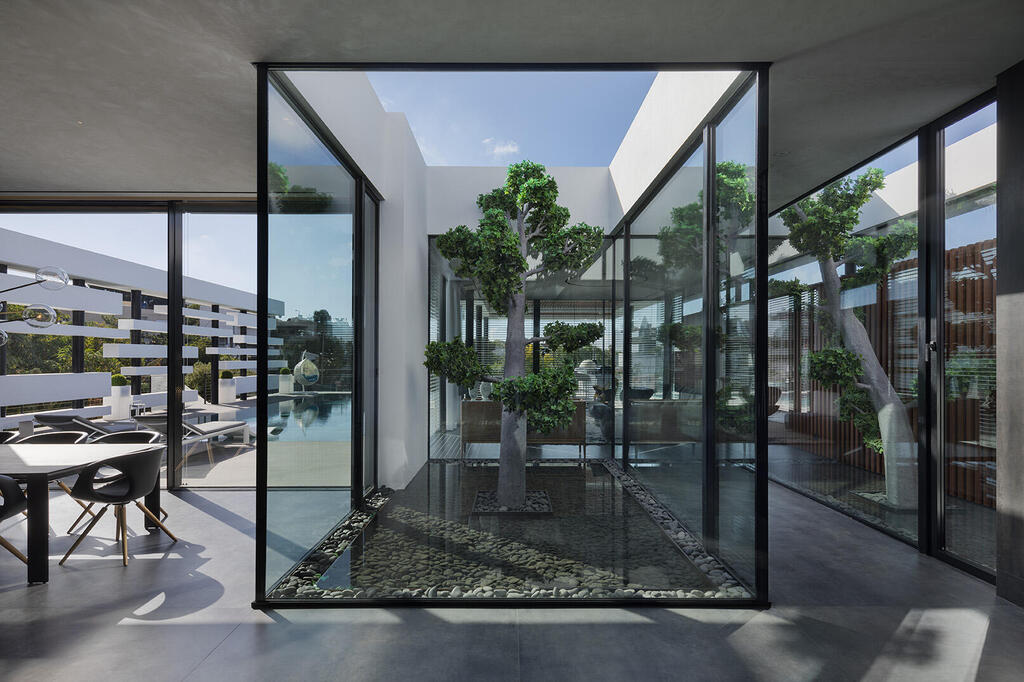
(Photo: Assaf Pinchuk)
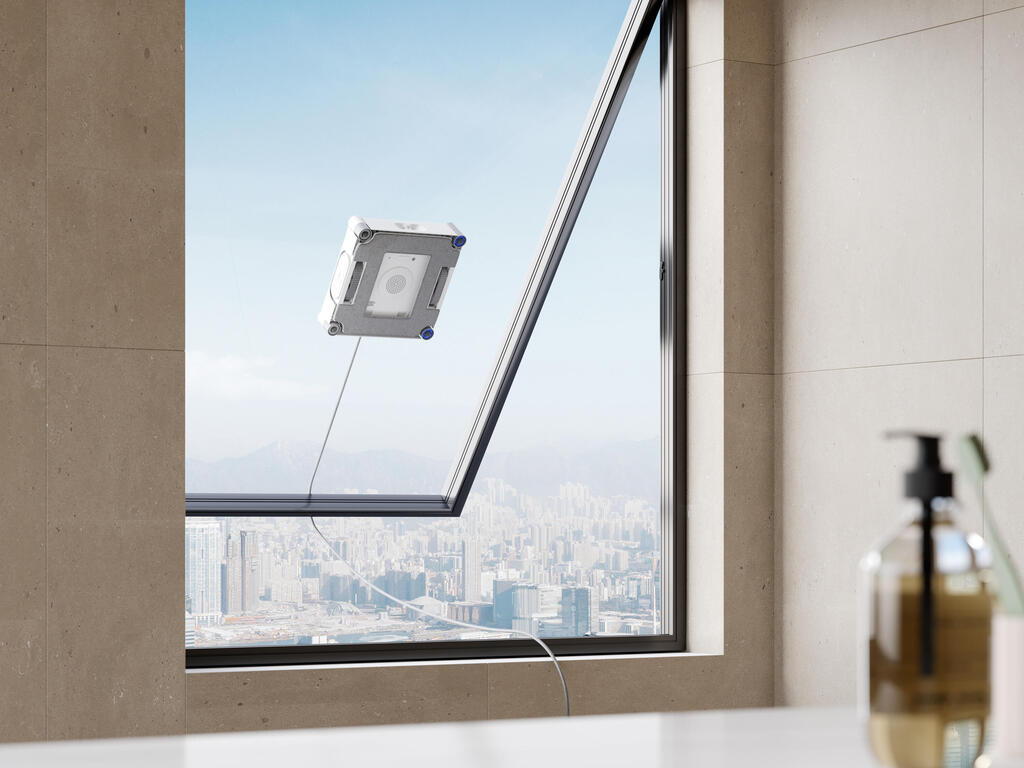
Smart window-cleaning robots
(Photo: Courtesy of ECOVACS)
Custom-made furniture
Furniture in luxury homes is rarely off-the-shelf. Most pieces are bespoke and one of a kind, sometimes commissioned from international luxury brands and adapted in size, color, shape and style.
"In large homes, people want large furniture,’ said furniture designer Arik Ben Simhon. "Everything is tailored precisely to the residents, from rare marble tables to unique wall finishes and sculptural lighting. Usually, one exaggerated piece is chosen around which the story of the home is built."
Architect Yotam Birnbaum, head of Frenkel Architecture and Design, said clients often invest months researching and manufacturing unique products, including obtaining standards certification. "These are people who care about quality down to the level of handles, hooks and light switches. One client insisted that all air-conditioning components, including the switches, be in the same shade. He spent two months researching until he found a company willing to produce custom thermostats for an enormous sum. It is a small nuance, but some are willing to pay the equivalent of a new car for it."
Both Birnbaum and Israelevitz combine furniture purchased in Israel and abroad, but while Birnbaum travels with clients on dedicated buying trips, many of the items in Israelevitz’s projects are ordered online.
Technology behind the scenes
Advanced control systems allow homeowners to operate every function of the house with precision, from curtains and lighting to sound, underfloor heating and climate control, all at the push of a button or via voice command.
"This technology works for the residents", Birnbaum said. "It is not a standard smart home, but a comprehensive system that includes climate control, blinds, lighting, sound, security, automation, employee monitoring and even garden irrigation and fertilization. Everything is managed from a single screen in preset modes." Studies of luxury home design show that automation is now one of the top demands.
Oversized doors
High-end homes often feature ceilings six, seven or even 10 meters high, making standard doors look out of proportion. The solution is tall, wide or double doors, often flush with the wall and without visible frames.
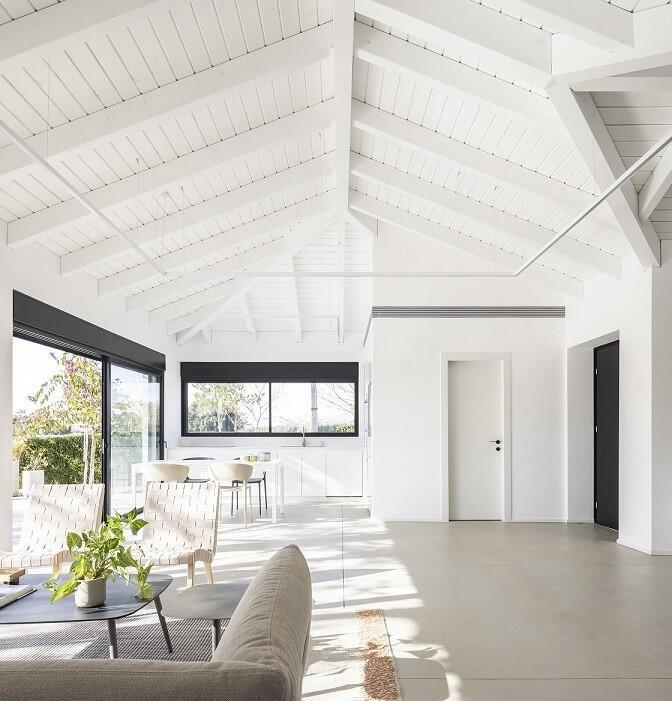
A large door in a large space
(Photo: Amit Geron)
Nuclear shelters and helipads
Luxury is not only about indulgence but also about security. Israelevitz said he has designed nuclear shelters, panic rooms with hidden passages and special protected spaces for valuable artworks. Homes that frequently host large events also require extensive parking and sometimes even private helipads.
"At certain wealth levels, homes become a refuge for clients accustomed to private jets and first-class travel. They seek a property that feels like the best hotel they have ever stayed in, or better, and are willing to invest unlimited time and resources to achieve it", Birnbaum concludes.
Israelevitz added that working with billionaires is not fundamentally different from working with other clients. "They are people like everyone else. The difference is that higher fees give me more creative freedom. They trust me to manage their enormous investment and deliver a result that truly impresses, while still paying close attention to the bottom line."
First published: 01:14, 01.07.26