

Planning to sacrifice a significant portion of your precious sleep for Deni Avdija? You are not alone. If you want to watch the game live overnight, there is no reason to deny yourself, even if you are not used to being awake at those hours. But it is important to understand the potential health “cost” and the medically optimal way to do it, so you can stay alert both during the game and the following day.
Sleep is structured in cycles of varying depth. Around 3 a.m., most people are in deep sleep or in an advanced REM stage. Waking at that point is entirely different from a natural morning awakening. The condition is known as “sleep inertia,” in which the brain is physically awake but some cognitive systems are still operating at a sleep-like pace. The familiar sensation of confusion, heaviness and lack of focus is not merely subjective. Brain imaging shows that in the first minutes after such awakening, decision-making regions are still functioning at reduced intensity.

The impact varies by age group. Among young adults, a single fragmented night will usually result in fatigue and reduced concentration the next day. For children and teenagers, the picture is more complex. A developing brain is more sensitive to sleep deprivation, especially in areas related to learning and emotional regulation.
Studies show that even a reduction of one to two hours of full sleep in children can affect working memory, patience and learning ability the following day. Adolescents already experience a natural gap between their biological clock and school schedules, so further disruption may intensify cumulative fatigue.
There is also a difference between people accustomed to nighttime wakefulness and those with a stable sleep routine. Shift workers, for example, gradually develop partial hormonal and behavioral adaptations to being awake at night. By contrast, for people with a consistent sleep pattern, a one-time awakening in the middle of the night resembles crossing time zones, even if the body has not physically traveled anywhere.
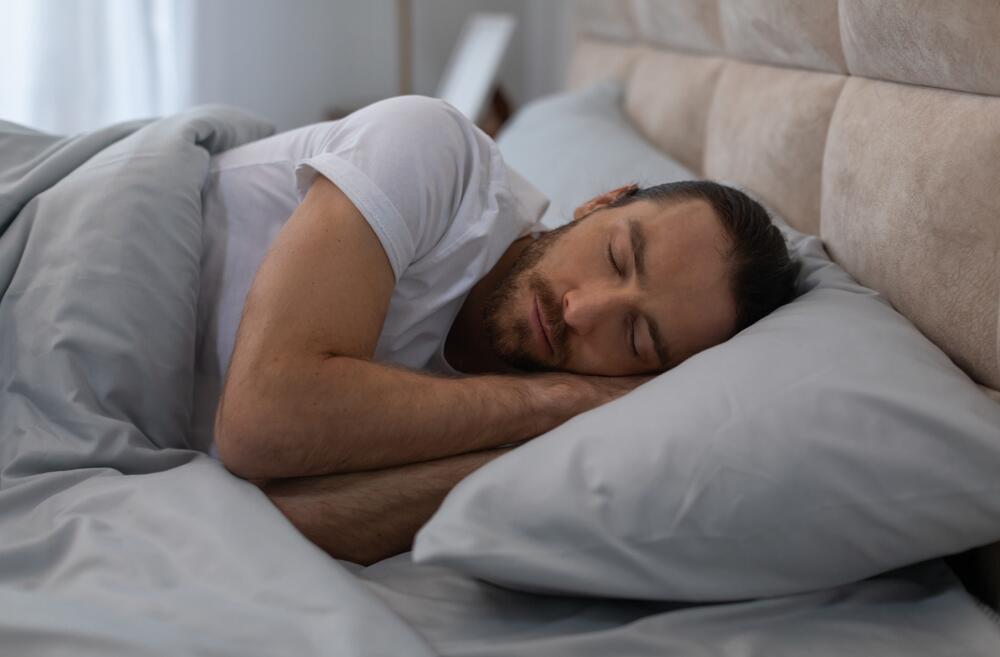
Around 3 a.m., most people are in deep sleep
(Photo: Shutterstock)
One of the most practical questions concerns coffee. Intuitively, many believe it is wise to “charge up” with caffeine before the event. In practice, caffeine before sleep impairs deep sleep quality, even if you manage to fall asleep. Therefore, if you choose to wake up for a late-night event, it is better to sleep beforehand and drink coffee only after waking, and even then in moderation. The half-life of caffeine in the body can reach five to seven hours. In other words, coffee at 3 a.m. may still affect sleep quality the following night.
Medically, the proper approach relies on sleep hygiene principles and habit adjustments. Maintaining regular sleep hours, avoiding caffeine and alcohol before bedtime, creating a dark and quiet environment, and reducing exposure to blue light from screens all help preserve sleep quality.
If you know in advance that you will be awake at night, a short nap during the day may be considered. In individuals with cardiovascular risk, it is also worth weighing the impact of exposure to emotionally intense events in the middle of the night.

'Charge up' with caffeine?
(Photo: Shutterstock)
Some believe they should “prepare” the body by gradually becoming night owls in the days leading up to such an event. Medically, this is rarely effective. Shifting the biological clock requires controlled light exposure, gradual adjustment of sleep timing and, at times, hormonal intervention. For a one-time event, attempting to move the sleep cycle may create cumulative fatigue on the very day of the event.
It is better to treat the watching of this specific game as a one-off deviation. Going to bed relatively early beforehand may allow completion of at least some of the most important sleep cycles. After watching, if possible, it is advisable to return to sleep for an additional period, even if brief.
The next day, early exposure to sunlight, avoiding a long afternoon nap, and maintaining moderate physical activity can help reset the biological clock. In select cases and under medical guidance, melatonin may be considered. It is not recommended for routine use, and there is currently insufficient data on long-term safety.
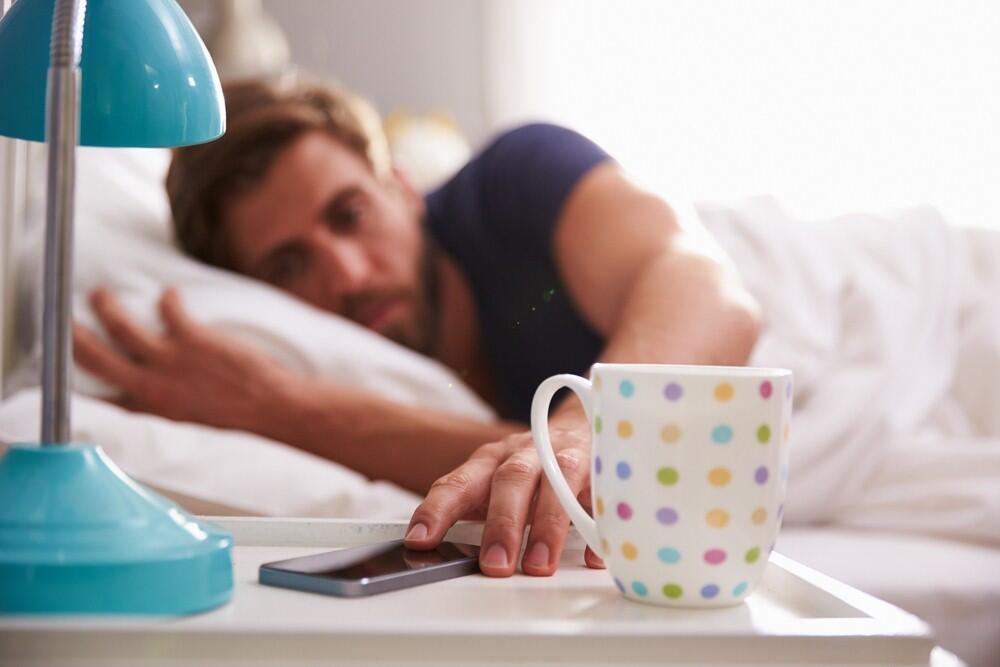
The human body can cope well with one exceptional night
(Photo: Shutterstock)
Scientifically, sleep disruption and circadian rhythm disturbance are known to impair physical and mental functioning and may increase disease risk. There is significant variability among individuals in sensitivity to sleep loss and stress, so recommendations should be personalized, especially for those with chronic illness.
There is currently insufficient data on the long-term effects of repeated overnight viewing in the general population, but existing guidance is based on established principles of sleep hygiene, chronobiology and stress management in Western medicine.
Recent research indicates that the human body can cope relatively well with a single exceptional night, but struggles with repeated sleep disruption. In other words, from a health perspective, an unusual night for a meaningful event is unlikely to cause long-term harm, provided it remains rare rather than habitual.
So I will conclude with “Let's Go, Deni!” and wish everyone an enjoyable viewing.
- The author holds a doctorate in public health, is chief physician at Femi, president of the Goshen Foundation, and a former president of the Israel Pediatric Association.