

Wildfires raging across Europe this summer have exposed a potentially deadly threat beneath the scorched landscape: rusting bombs and mines left from World War I and World War II.
Some of the munitions have exploded in intense heat, including in France, Belgium, Germany and the Netherlands, where a bomb-disposal team was sent to inspect a forest threatened by flames near the site of fierce fighting in Limburg in 1944.
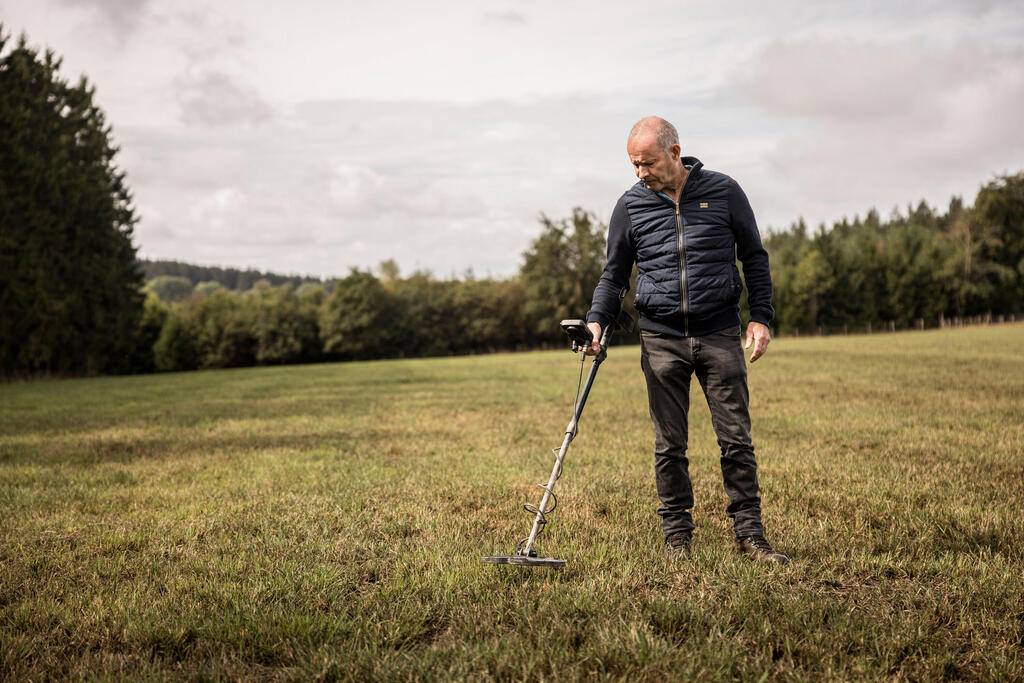
Bernard Collard with his metal detector in a field near Elsenborn, Belgium
(Photo: AP Photo/Valentin Bianchi)
For decades, Europeans have known that bombs, shells and mines remain buried across former battlefields. But changing weather patterns are making the danger harder to contain.
Sarah Njeri, a peace and conflict researcher at the School of Oriental and African Studies in London, said the fires and explosions, intensified in part by climate change, show that Europe’s relative climate stability is fading.
In the past, predictable rainfall and moderate temperatures helped keep much of the buried ordnance undisturbed. Now, drought and wildfire are stripping away vegetation, exposing old weapons and in some cases subjecting them to enough heat to detonate. This year’s fire season was intensified by heavy rainfall in January, which encouraged thick vegetation to grow. When summer heat arrived, that vegetation dried out and became fuel.
A study published last month by World Weather Attribution found that the combination of high temperatures, drought, low humidity and strong winds created ideal conditions for fire. As flames spread across former battlefields, they moved through areas long known to contain large quantities of unexploded ordnance.
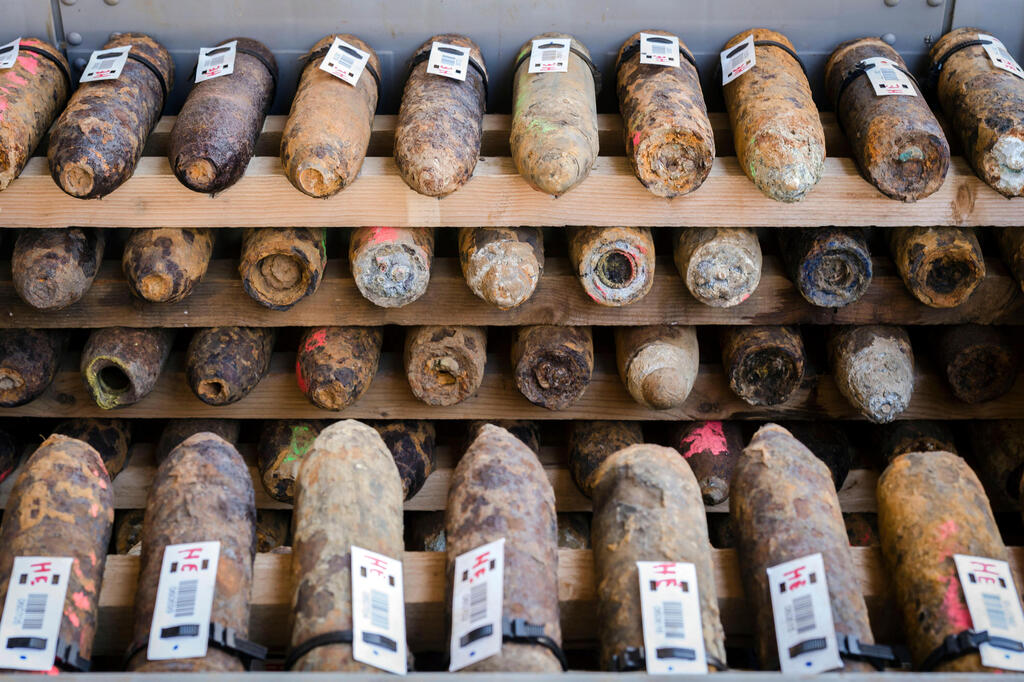
World War I shells displayed in Belgium
(Photo: AP Photo/Geert Vanden Wijngaert, File)
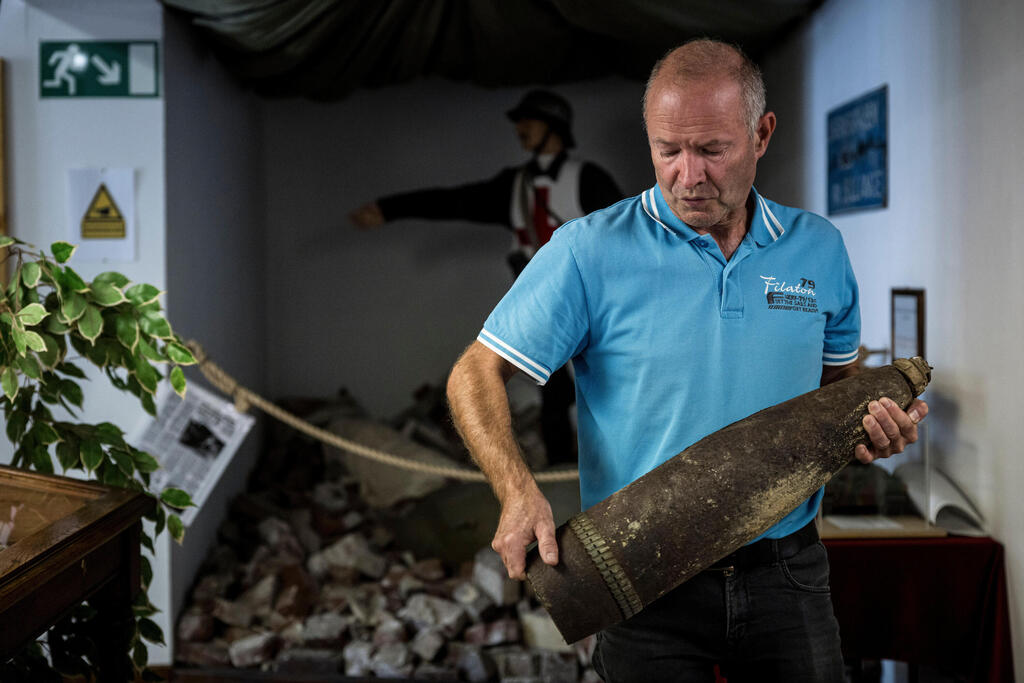
Collard holds a defused shell at the Troschbaum Museum in Elsenborn, Belgium
(Photo: AP Photo/Valentin Bianch)
In southwestern France, for example, a major wildfire outside Bordeaux exposed a cache of ammunition believed to date from World War II. In Belgium’s eastern Liège province, Gov. Hervé Jamar reported “several sporadic explosions” and said emergency services had adjusted their operations because of buried ammunition in the fire zone. He said firefighters had not been endangered, though local media published images of a firefighter holding a rusted bomb.
The ‘iron harvest’: Up to 250 tons a year
During World War II, booby traps, bombs and mines were scattered across the dense forests of the region. In the first four years after Germany surrendered in 1945, unexploded munitions there killed six civilians.
“When you enter a forest like this, you never know where the explosives are,” said Bernard Collard, a local historian who runs the Troschbaum Museum near the Belgium-Germany border, which houses a collection of wartime artifacts recovered from the area. Collard remembers his father detonating a bomb discovered in a quarry.
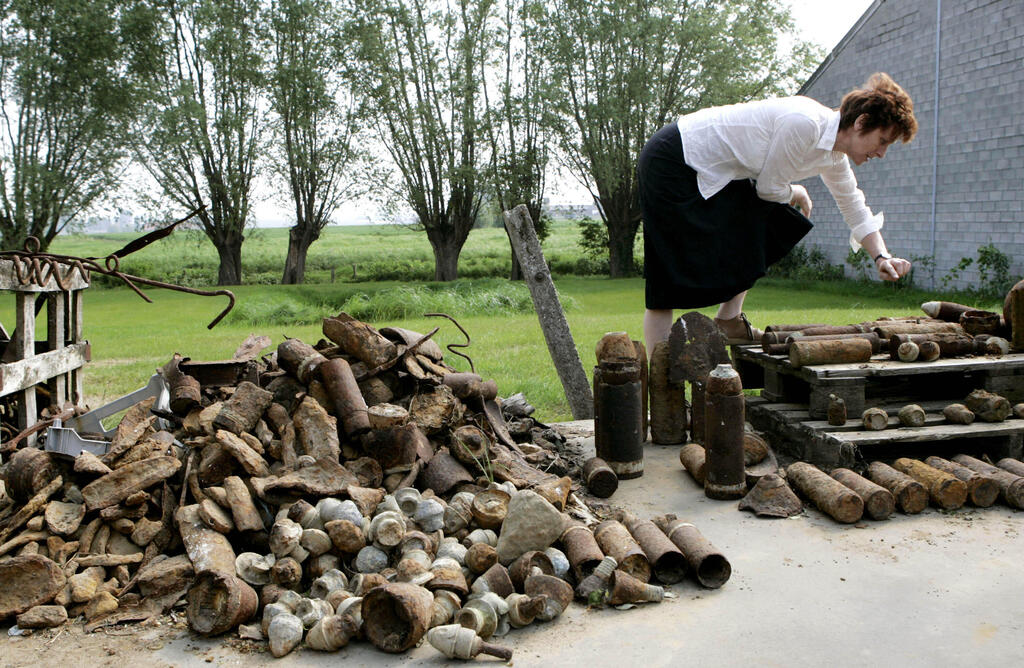
World War I shells previously found near a farm in Belgium
(Photo: AP Photo/Virginia Mayo, File)
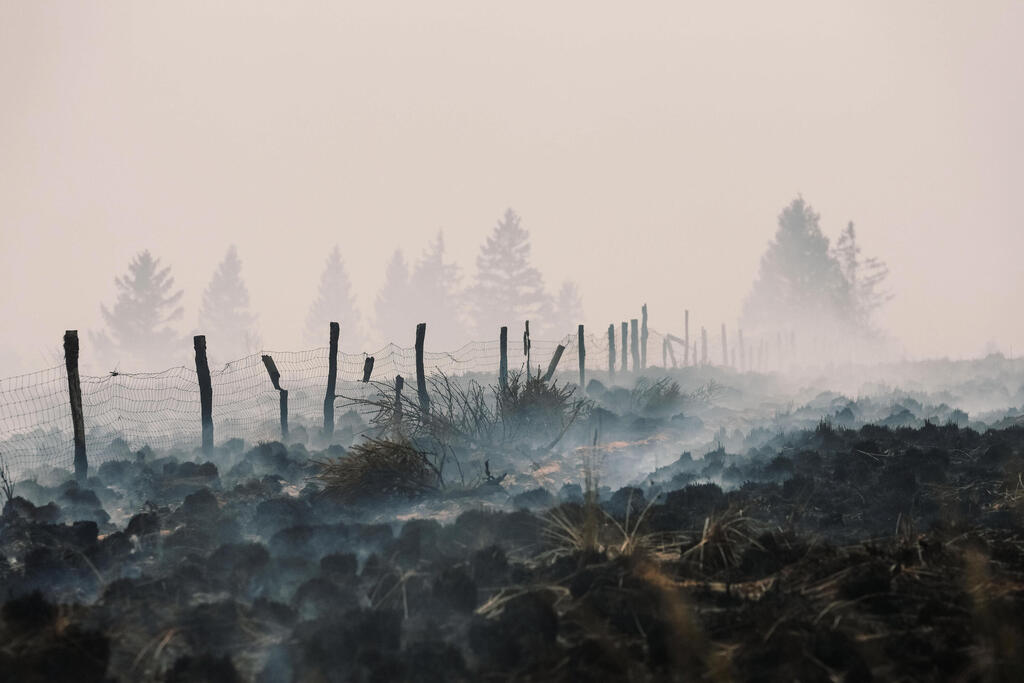
Wildfire near Waimes, Belgium
(Photo: AP/Marius Burgelman)
He is licensed to search former battlefields, now covered by forests, pasture and farmland, using a metal detector. Over the years, he has found mortar shells, machine guns, helmets, cigarette tins and, on one occasion, a human skeleton. “You never know what you might come across, and you cannot take it lightly,” Collard said while standing in a field that was once the scene of bloody fighting.
Nearby, blueberry bushes cover old trenches, fighting positions and deep artillery craters. “It is part of our history. We live with it,” said Collard, who often works with Belgium’s bomb-disposal unit.
Jonas Tepe, a spokesperson for the German state of North Rhine-Westphalia across the border, said unexploded ordnance becomes even more dangerous during wildfires because heat alone can sometimes be enough to set it off.
Belgium’s Defense Ministry said it receives requests from the area every week to help neutralize explosives, though it does not consider the region a major hotspot compared with other parts of the country.
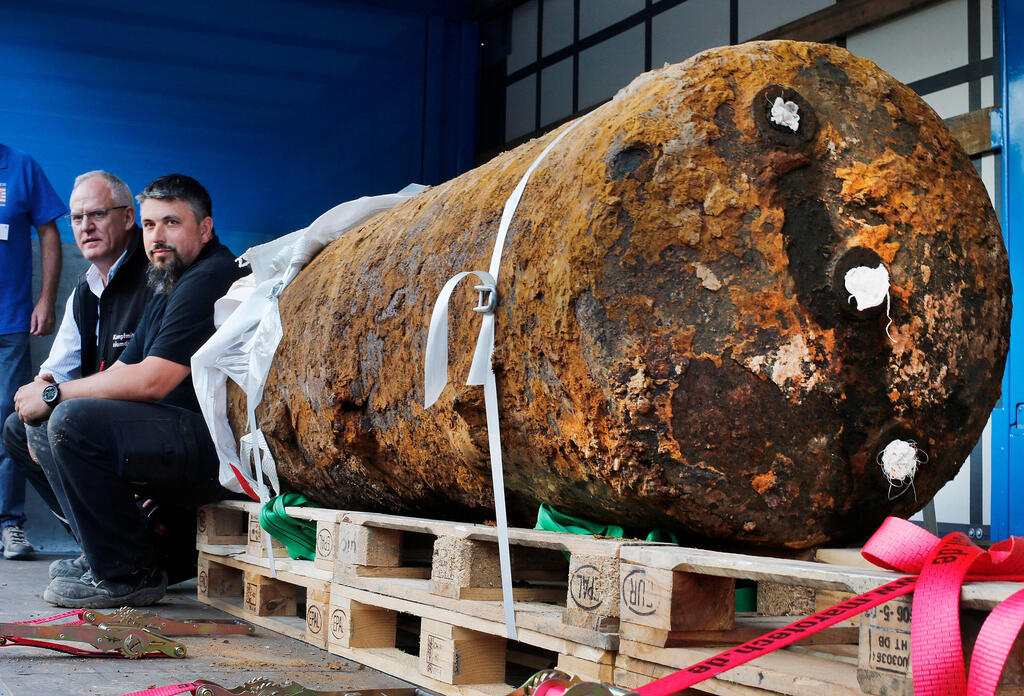
Such calls are even more common in western Belgium, where farmers around towns such as Ypres, notorious for the brutal trench warfare of World War I, refer to their annual plowing as the “iron harvest” because it brings so many remnants of war to the surface. Each year, Belgium’s Explosive Ordnance Disposal and Destruction Service responds to more than 3,000 calls and neutralizes between 200 and 250 tons of ammunition left from the two world wars.
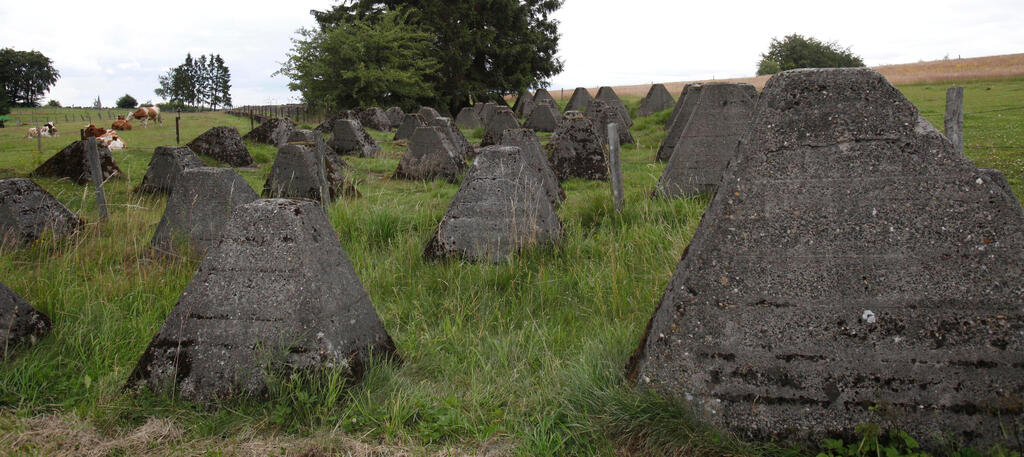
Anti-tank obstacles, known as 'dragon’s teeth,' stretch across a field near the Siegfried Line on the Belgium-Germany border
(Photo: AP Photo/Virginia Mayo, File)
Drought is also exposing the past by shrinking rivers and lakes. In Slovakia, falling water levels in the Danube recently revealed two naval mines, which police removed and buried in a trench for controlled detonation.
Hungarian authorities closed Budapest’s Margaret Bridge after a World War II bomb emerged near its base as the water receded. And as the Rhine dropped in Germany, authorities discovered another bomb dating from the same period.
Christina Greene, a University of Arizona researcher who co-authored a paper with Njeri on European wildfires and the risks posed by unexploded ordnance, said climate change is causing wartime legacies to resurface in ways communities have not had to confront for years. “It is a kind of renewed encounter with the legacies of war and conflict,” she said, “but in a way that some places have not had to deal with for a very long time.”