


Israel’s butterfly population has deteriorated significantly in recent decades. Three species have already gone extinct, 12 are critically endangered and another 23 are endangered.
The findings are detailed in The Israeli Red List of Butterflies, unveiled on Sunday. The main threats facing butterflies include habitat loss, pesticide use, invasive species, wildfires, light pollution and climate change.
Gallery
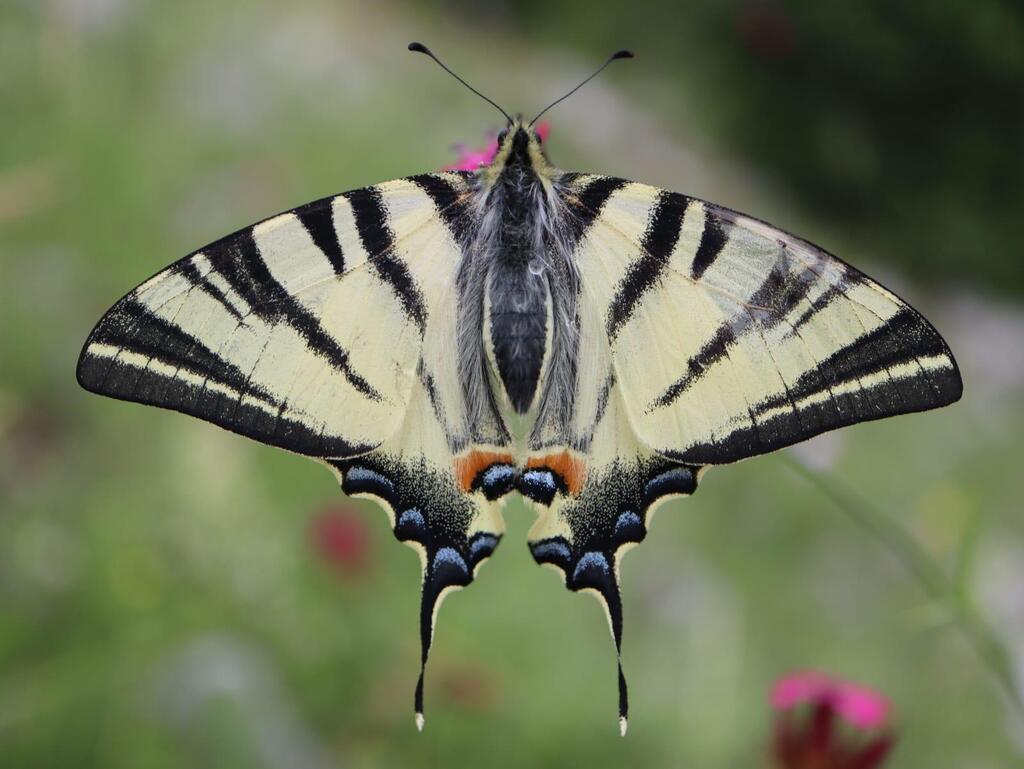
The scarce swallowtail (Iphiclides podalirius)
(Photo: Gilad Weil, Nature and Parks authority)
The Red List, prepared by the Nature and Parks Authority, the Israeli Lepidopterist's Society, the Steinhardt Museum of Natural History at Tel Aviv University and KKL, examined all 156 butterfly species documented in Israel. According to the data, only 63 species are currently considered not at risk, while insufficient information prevents assessment of the status of another 55 species.
Among the endangered species are the scarce swallowtail, Tomares nesimachus, Issoria lathonia, the southern comma (Polygonia egea), and Muschampia proteides stepporum.
Dr. Dotan Rotem, an open spaces ecologist at the Israel Nature and Parks Authority and one of the leaders of the Red List project, said the findings point to a continuing decline in the condition of one of Israel’s most important and sensitive insect groups.
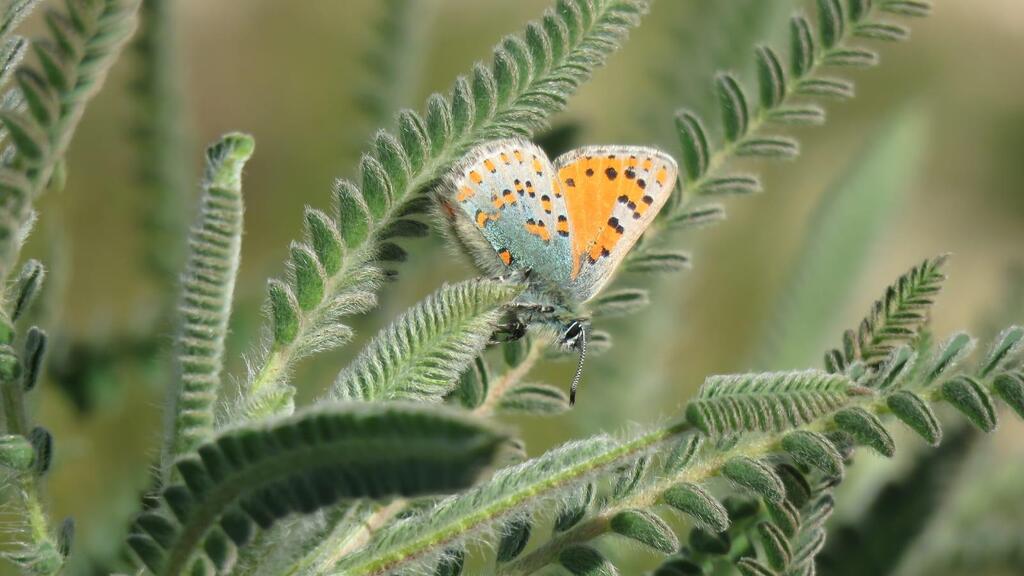
Tomares nesimachus
(Photo: Liad Cohen, Nature and Parks Authority)
“The Red List is not only a scientific summary, but also a practical tool for setting conservation priorities, identifying high-value habitats, guiding planning policy and managing open spaces wisely,” Rotem said. “This is the first Red List published in Israel for an insect group, and it marks an important milestone toward additional assessments of invertebrates.”
He added that the list provides a clearer, broader picture of the state of butterflies in Israel. “It is based on a joint effort by researchers, professionals and volunteers, and it offers a vital foundation for understanding urgent conservation needs.
Daytime butterflies are excellent bioindicators of ecosystem health. Damage to them is a warning sign of wider harm to nature. The Red List helps us focus conservation efforts where they are needed most,” he said.
Rotem also addressed the impact of climate change. “Israel is warming at a faster rate than the global average, and many butterfly species here are at the southernmost habitat, which increases their vulnerability,” he said.
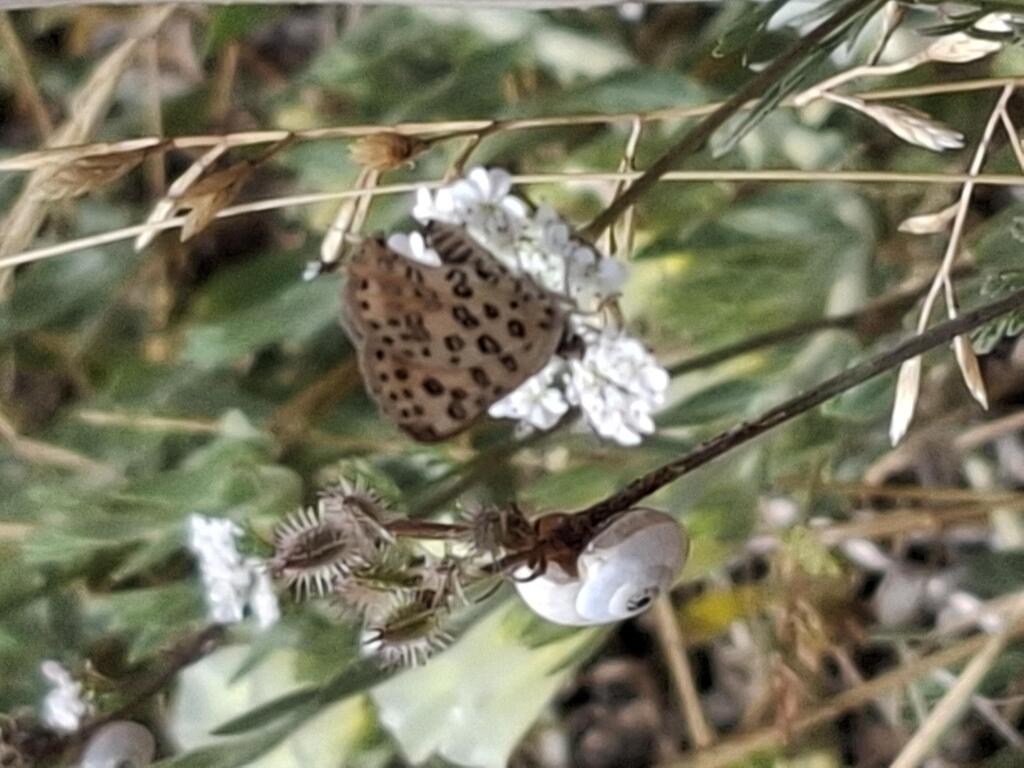
Apharitis (Cigaritis) cilissa
(Photo: Dr. Dotan Rotem)
The primary cause of harm to Israel’s daytime butterflies is habitat loss resulting from rapid development, construction, infrastructure expansion and the conversion of open areas to agriculture. Intensive farming and pesticide use damage butterflies both directly and indirectly, affecting caterpillars as well as the host plants they depend on.
Unregulated grazing in specific sites, invasive species, fires and light pollution also pose serious threats, alongside climate change, which is driving rising temperatures, drying conditions and disrupted seasonal cycles.