

An unusual archaeological discovery from the Kingdom of Judah may add a new layer to one of the most debated questions in biblical archaeology: whether the religious reform attributed to King Hezekiah in the late eighth century BCE took place as described in the sources.
A large cultic standing stone, apparently taken out of use, laid on the ground and deliberately incorporated into a stone platform several years before the site was destroyed by the Assyrians, was uncovered at Tel Eton in the Judean foothills. The find may offer new evidence for changes in worship practices in Judah during the period traditionally associated with Hezekiah.
Gallery
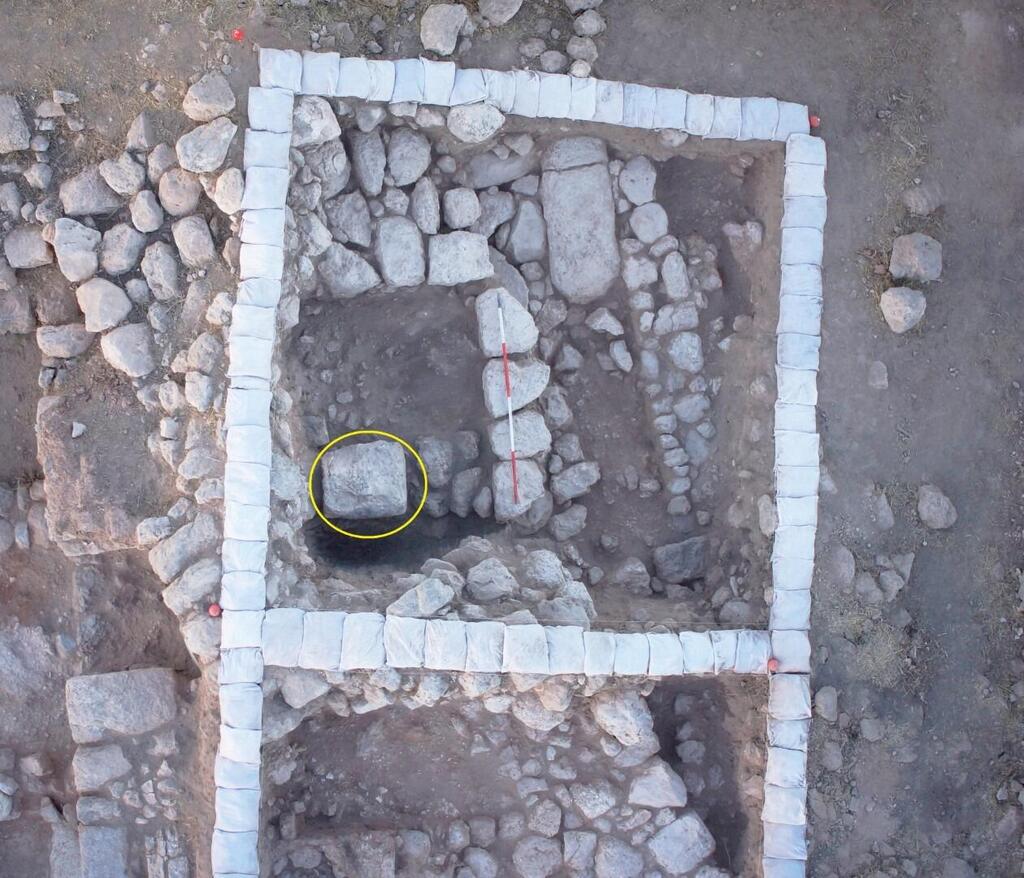
Aerial view of the largest room in the 'governor’s house' (Building 101), with the stone monument circled
(Photo: Sky View)
For decades, researchers have debated whether Hezekiah’s reform was a broad religious change that reduced local cultic sites and centralized worship in Jerusalem, or whether the biblical account reflects a later description that does not preserve historical reality.
Now, Prof. Avraham Faust of Bar-Ilan University’s Department of General History offers a new angle in a study published in the Jerusalem Journal of Archaeology. The research focuses on an exceptional find uncovered at Tel Eton: a large stone monument, 1.4 meters high and weighing about 750 kilograms, which had once stood in a central location inside an impressive building before it was hidden and buried intentionally inside a stone platform.
According to Faust, the way the stone was treated may reflect a deliberate change in the nature of worship in the Kingdom of Judah, and may serve as additional evidence for religious processes that took place in the region during Hezekiah’s time.
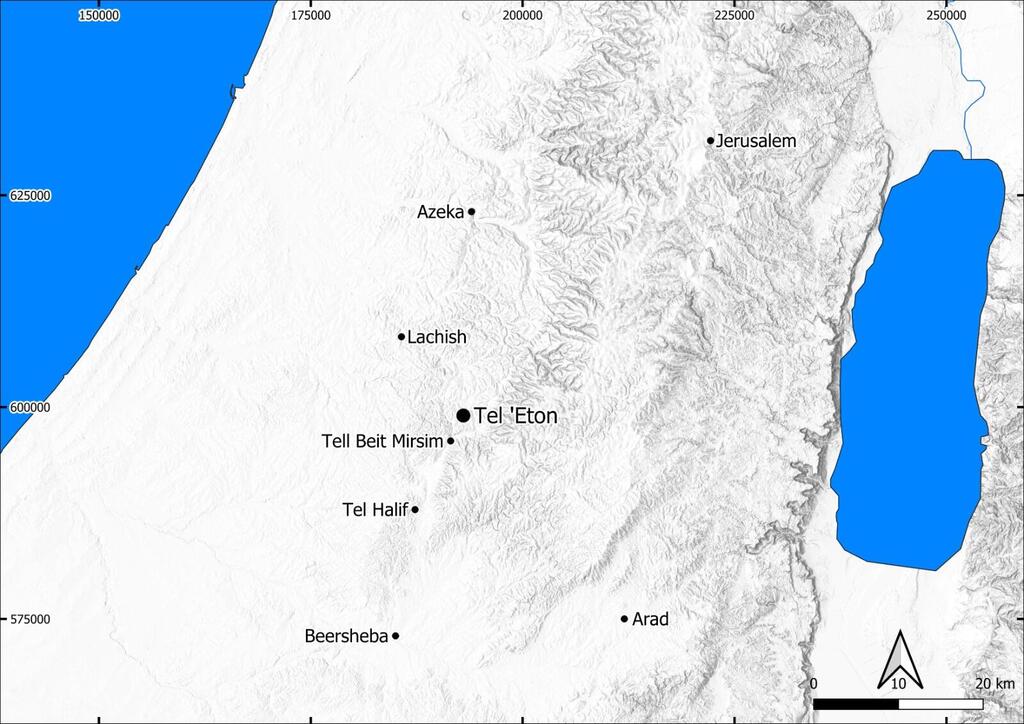
The stone was uncovered during excavations at Tel Eton, a site identified as an important Judahite settlement from the First Temple period. It was found in the “governor’s house,” also known by its professional designation as Building 101, a large and impressive structure excavated over 10 seasons.
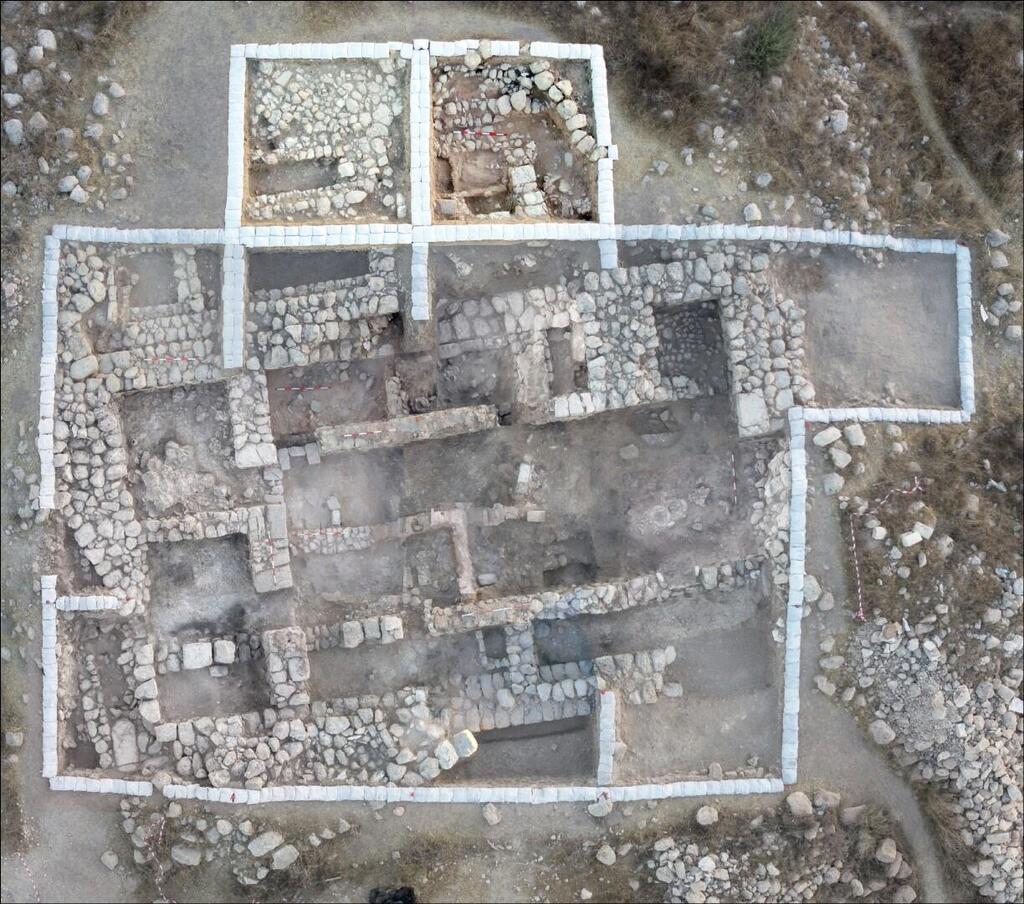
The 'governor’s house'
(Photo: Sky View, Griffin Aerial Imaging, Yair Sapir)
According to the study, in the building’s earliest phase, the stone stood in the largest room, in a prominent location opposite the entrance, where it would have been visible to anyone entering the building or standing in the courtyard. Since it had no clear architectural or practical function, and given the prevalence of cultic standing stones in the ancient Near East and in the Land of Israel, researchers believe it was used for ritual purposes.
Such stones are known from various sites across the ancient Near East and are often connected to religious activity or cultic ceremonies. Its central placement at Tel Eton suggests, according to the study, that it held importance for the building’s residents.
At a later stage, however, a striking change took place. Instead of continuing to use the stone, the site’s inhabitants laid it on its side and incorporated it into a stone platform built specifically around it. No signs of deliberate destruction were found, meaning the stone was not smashed into small pieces or desecrated. Rather, those who handled it appear to have removed it from use while treating it with relative respect.
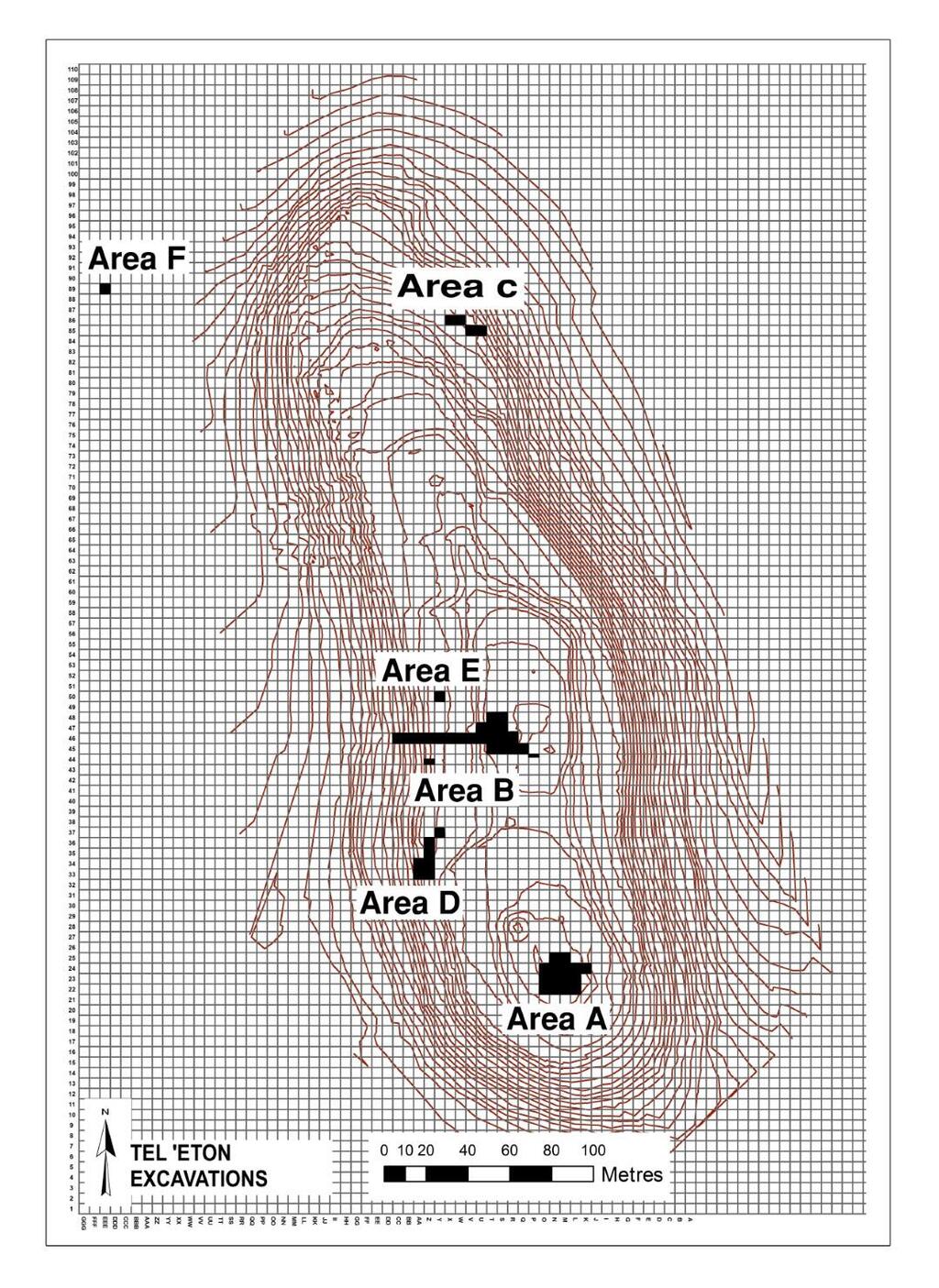
Tel Eton
(Illustration: Prof. Avraham Faust)
“Even if the initiators of the reform intended to desecrate the previous cult, and from their perspective the stone could have been smashed to pieces, those who carried out the changes in practice were the site’s residents, and they respected the stone that had served as a focus of worship for many generations,” Faust explains. “The residents of the house cooperated with the reform and took the stone out of use, but they did not smash or desecrate it. Instead, they incorporated it into a stone surface, thereby canceling its cultic role without physically damaging it.”
Much of the archaeological discussion surrounding Hezekiah’s reform has focused on public cultic sites or installations, including the temple at Arad, the altar at Beersheba and additional ritual installations discovered in Judah. The difficulty is that the number of such sites is relatively limited, and the finds are not always unequivocal. As a result, they alone cannot provide a full picture of religious life in the kingdom, and the debate has continued.
(Illustration: Prof. Avraham Faust)
The innovation in the current study is not only that it provides additional evidence of religious change in the late eighth century BCE, apparently during Hezekiah’s reign, but also that it directs attention to domestic worship.
“Evidence of this kind is almost never identified in archaeological research,” Faust says. “That is both because ‘ordinary’ houses receive relatively little attention, and because if worship was abolished, portable cultic objects were simply removed from the place, without leaving a clear sign that the space had previously been used for worship, and certainly not of the change that took place.”

King Hezekiah
(Photo: David Castor/Wikipedia)
The concealment of the standing stone occurred before Tel Eton was destroyed by the Assyrian Empire at the end of the eighth century BCE. That dating broadly fits the period of Hezekiah’s rule.
Still, Faust stresses that it cannot be proven that the concealment of the stone was carried out directly as part of the reform attributed to Hezekiah. Rather, he says, the find may fit alongside other evidence from the same period and add another layer to it. It strengthens the possibility that Hezekiah did carry out a religious reform, one that affected both major cultic sites and domestic worship.
 Prof. Avraham Faust Photo: Bar-Ilan University’s Department of General History
“To understand religious development in the Kingdom of Judah, it is not enough to examine temples and official cultic sites alone,” Faust explains. “Private and administrative buildings may also preserve important evidence of changes that took place in society.”
The standing stone buried at Tel Eton more than 2,700 years ago does not tell the whole story. But it offers a rare glimpse of a moment when an old ritual tradition stopped being practiced, and may provide another clue in the historical puzzle of one of the most fascinating periods in the history of the Kingdom of Judah.