


Rain is expected to begin in the north on Wednesday, with slightly warmer temperatures, and spread south overnight into Thursday, the first day of 2026, the Meteorological Service said. Rain will reach central Israel by morning, intensifying by afternoon across coastal districts, the Tel Aviv area and parts of the West Bank, particularly the Binyamin region.
Heavy rain will start midday Thursday through evening, with a risk of urban flooding. Rain is expected to spread to the central highlands, including Jerusalem, and later to western and northern parts of the Negev. Flooding is forecast along the southern coast and in northern Negev cities, with flash floods expected in the Shikma and Besor streams, the Judean Desert and near the Dead Sea, where Route 90 may be closed. A relatively long dry spell is expected to begin over the weekend.
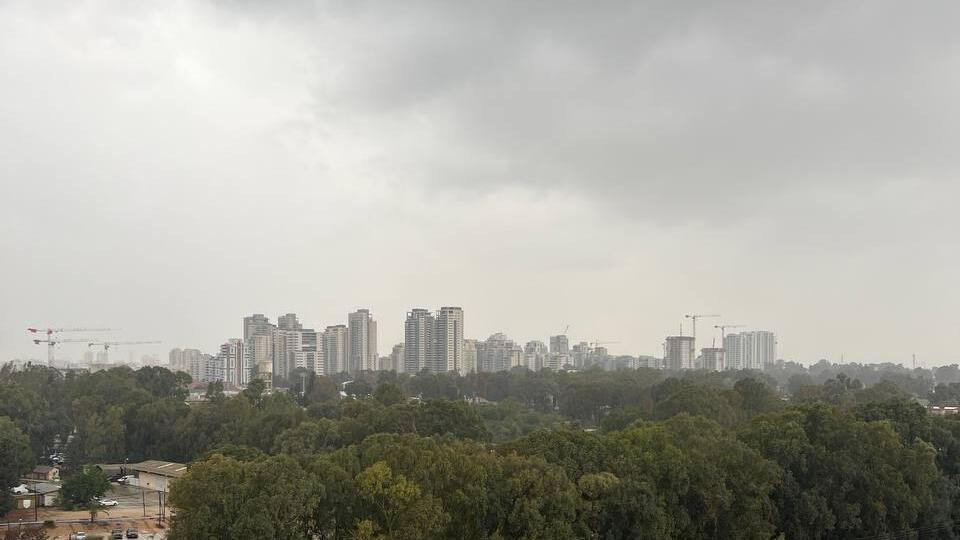
The forecast follows a rain-rich system that crossed Israel in late December, bringing dozens of millimeters of rain from the north to the northern Negev, flooding in multiple areas and strong winds with gusts exceeding 80 kph (50 mph), said Dr. Amos Porat of the meteorological service. Cumulative rainfall since the start of the season is above average in most of the country, except parts of the northeast.
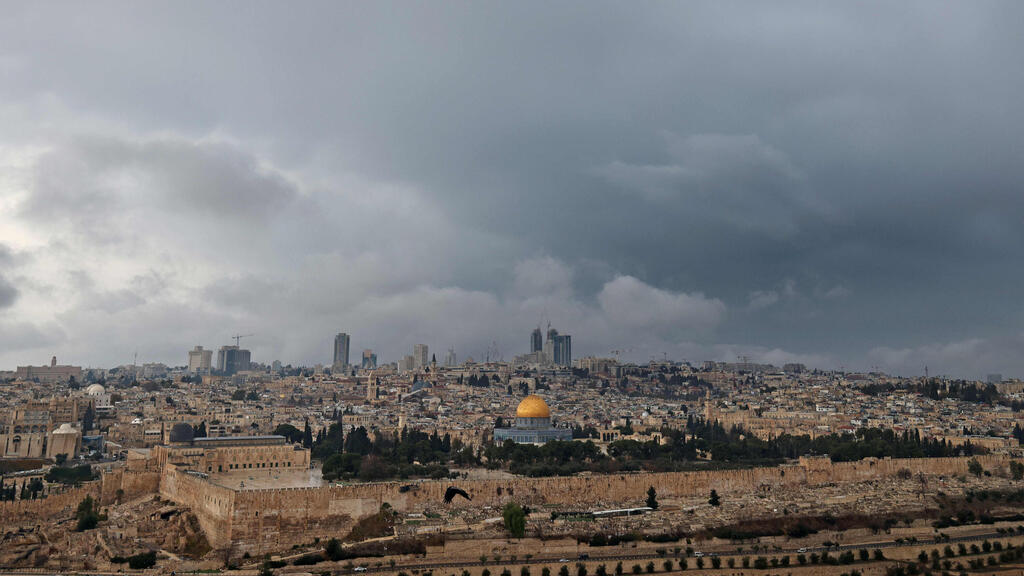
(Photo: Ahmad Gharabli/ AFP)
Between December 26 and 29, daily rainfall reached up to 30 millimeters in northern Israel, 40 millimeters in Samaria, 15 millimeters along the coast and 50 millimeters in the northern Negev and Judean Hills. Flash floods hit Judean Desert streams and parts of central Israel, Samaria and the Binyamin region. In the northern Negev, runoff was reported in tributaries of the Shikma and Beersheba streams.
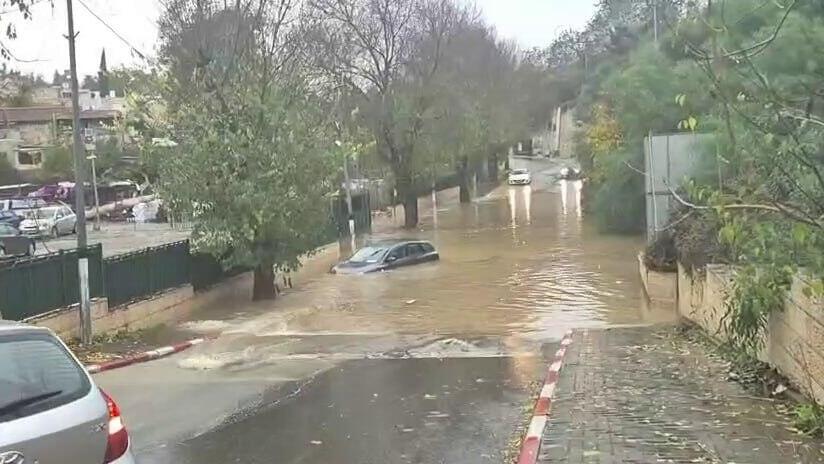

(Photo: Social media)
A 21-year-old man from the Bedouin town of Hura was killed after being swept away in the Hebron stream while trying to assist in rescuing a vehicle. Winds on December 29 reached 90–100 kph (55–60 mph), causing damage and downed trees.
Storm totals reached 70–120 millimeters in Samaria and 70–90 millimeters in the Judean Hills, with similar amounts in the Mount Hermon area and near Metula. Parts of the coastal plain, Jezreel Valley and areas near the Gaza border received 50–70 millimeters. Seasonal rainfall now exceeds average levels across much of Israel, while parts of the Upper Galilee, Hula Valley, Sea of Galilee and Golan Heights remain below average.