


France has returned 23 ancient artifacts to Syria that were loaned more than a decade ago for an exhibition at the Arab World Institute in Paris but were not returned following the outbreak of the civil war and the severing of relations between the two countries during the rule of ousted President Bashar Assad.
The artifacts were transported to Damascus aboard the French presidential aircraft following a decision made during French President Emmanuel Macron’s visit to Syria. The objects belong to museums in Damascus, Aleppo, Latakia and Palmyra and were located and returned as part of cooperation between the two countries.
Gallery
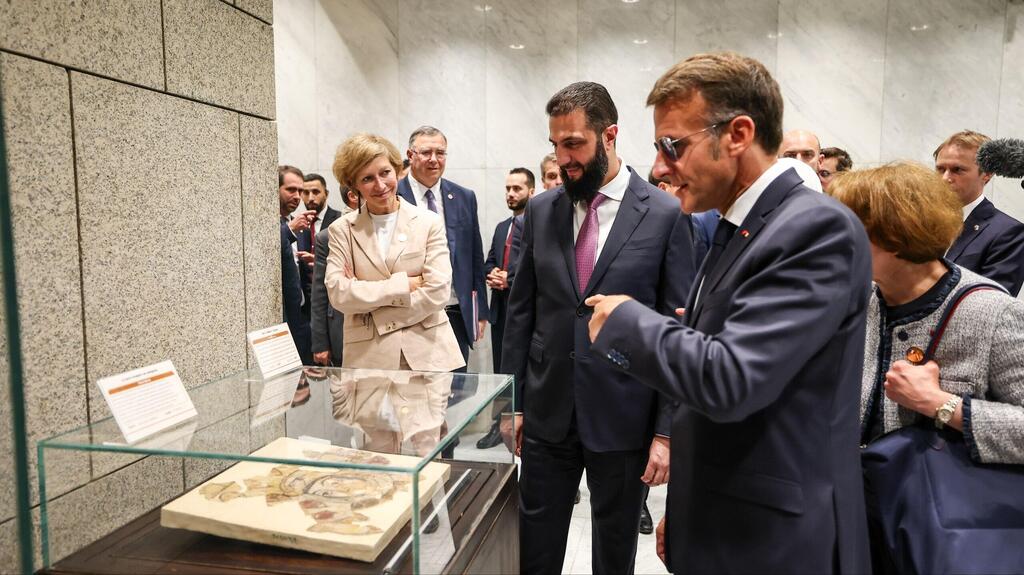
The artifacts were transported to Damascus aboard the French presidential aircraft
(Photo: Syrian Presidential Office)
According to a statement from the Syrian Foreign Ministry, the return marks the first step in a national campaign to recover Syrian antiquities located around the world. The ministry said France is the first country to cooperate with the initiative and that the move reflects warming ties between the two countries after years of estrangement.
"Syria confirms that this step marks the beginning of an ongoing process to recover its antiquities and expresses its deep appreciation to the French authorities for their cooperation and assistance in returning these valuable artifacts to their homeland," the ministry said.
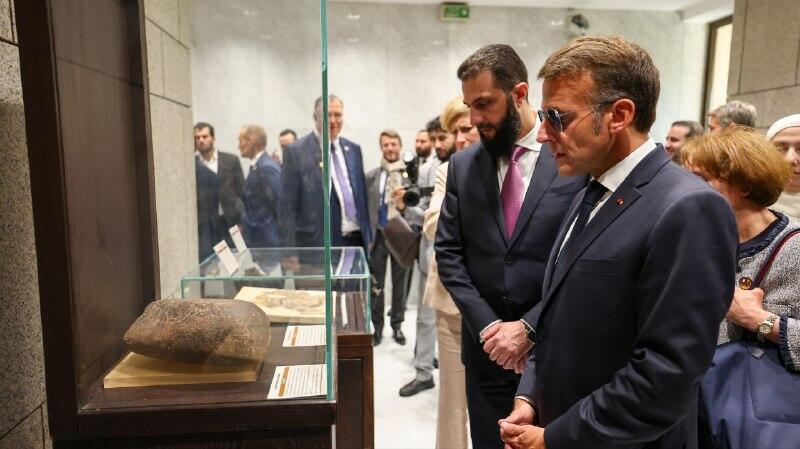
According to a statement from the Syrian Foreign Ministry, the return marks the first step in a national campaign to recover Syrian antiquities
(Photo: Syrian Presidential Office)
However, there is uncertainty regarding when the artifacts were loaned. While the Syrian Foreign Ministry said they were loaned in 2010, Syria’s Directorate-General of Antiquities and Museums said the loan was made in 2011 for the permanent exhibition at the Arab World Institute in Paris, which showcases the cultures of the Arab world.
According to the directorate, the collection includes rare items dating back to various periods, from prehistoric times to the Islamic period. Their return had been planned for 2014 but was prevented by the outbreak of the civil war. It also said the previous regime failed to secure the return of the artifacts, while French authorities refrained from sending them back due to the ongoing conflict and concerns over security and preservation conditions in Syria.
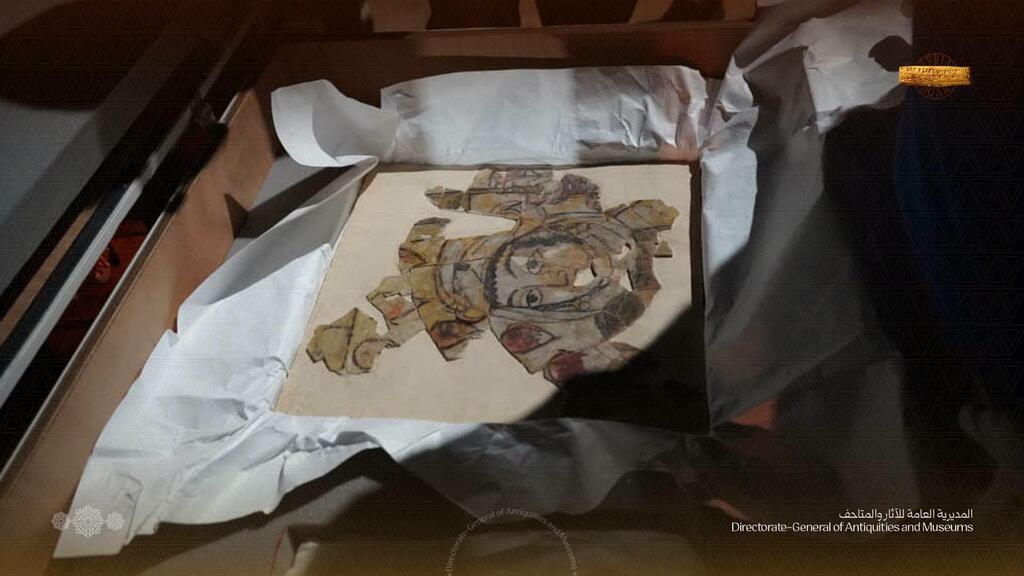
However, there is uncertainty regarding when the artifacts were loaned
(Photo: Photo: Facebook page of Syria’s Directorate-General of Antiquities and Museums)
The statement emphasized that "these objects are returning after the liberation of Syria and the restoration of security and stability." It added that the French president’s decision to return them during his visit "highlights Syria’s cultural and civilizational depth and the importance of renewing cultural relations that were cut off for 15 years."
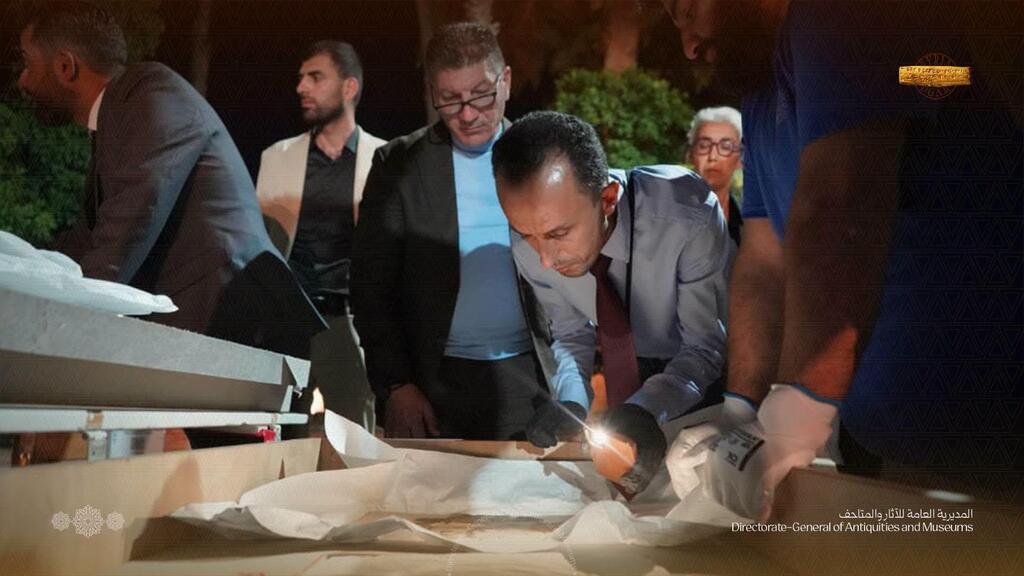
'These objects are returning after the liberation of Syria and the restoration of security and stability'
(Photo: Photo: Facebook page of Syria’s Directorate-General of Antiquities and Museums)
The Directorate-General of Antiquities and Museums called on countries, international organizations and the local community to assist in locating and returning additional Syrian antiquities that left the country over the years.
"Treasures always find their way home," the statement said. "Syria is once again opening its arms to its glorious past."