

Europe is being battered relentlessly this summer. One heat wave follows another, and there is little indication the pressure is easing. Record temperatures have been measured across the continent. Major rivers have fallen to some of their lowest levels in years, while lakes have shrunk or dried up. Massive wildfires have swept through countries from north to south and east to west.
The consequences have already been severe: thousands of deaths, damage to agriculture and tourism, acute pressure on critical infrastructure and essential services, and further harm to natural ecosystems.
Gallery
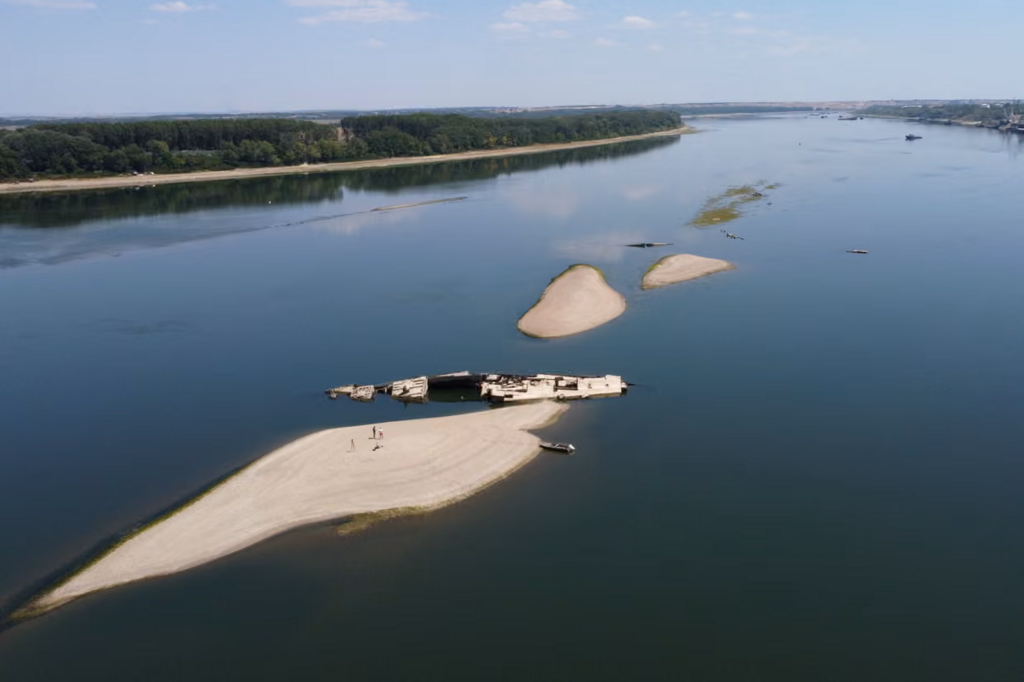
The Danube dries up, revealing German warships beneath the surface
(Photo: Darko Vojinović/AP)
Climate change has been at the center of Europe’s agenda for years. Over recent decades, European leaders have invested heavily in broad efforts to reduce greenhouse gas emissions, known as mitigation.
But adaptation to the effects of climate change has received less attention. That gap is becoming harder to ignore.
Europe now needs to adopt new technologies, redesign urban planning and infrastructure and adjust everyday behavior to a reality in which extreme heat waves are no longer exceptional events, but part of a new normal.
Europe is warming at roughly twice the global rate, due to a combination of warming and drying over land, accelerated warming in the Arctic and melting ice, as well as changes in jet-stream patterns and atmospheric pressure systems.
All of this requires a much stronger focus on climate resilience. European Union countries increasingly understand that heat waves are not merely local inconveniences, but seasonal risks that demand cross-border cooperation and emergency management.
This is not simply a debate over whether homes should install air conditioners, or over the effects those systems may have on energy consumption, greenhouse gas emissions or the appearance of city streets. The challenge is broader.
Europe must prepare for shortages of water for drinking, irrigation and power-plant cooling, for energy crises, for the need to adapt buildings and urban spaces and for changes in crop varieties and agricultural practices.
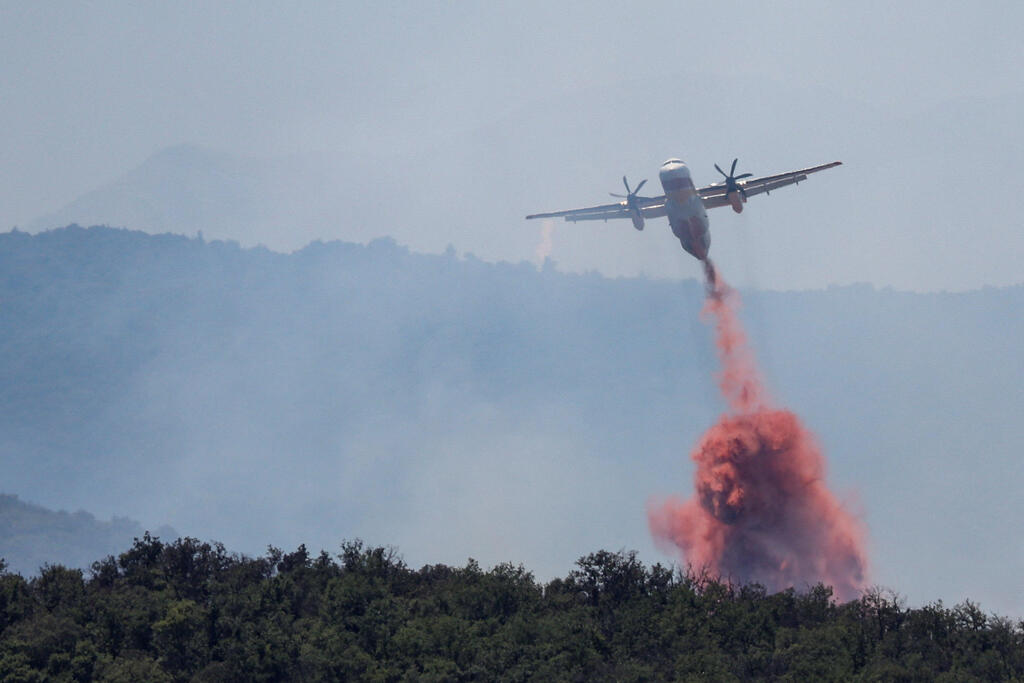
Wildfires near Paris last month
(Photo: REUTERS/Bruna Casas)
Rising temperatures, along with more frequent, longer and more intense heat waves and declining rainfall, are placing growing pressure on Europe’s ability to provide stable and sustainable supplies of water, food and energy. But the larger challenge is to stop treating those resources as separate systems. Water, food and energy are deeply interconnected, a concept known as the Water-Energy-Food Nexus.
Water is needed to produce food and energy. Energy is needed to pump, treat and distribute water and to sustain food production. Agriculture, meanwhile, is inseparable from both water and energy use.
These systems also affect natural ecosystems and the services they provide, including those that support human life. They also shape the relationship between human health and well-being, animal health and environmental health.
 Prof. Adi WolfsonPhoto: Dudu Greenspan
Within this wider picture, Israel may offer Europe a glimpse into conditions that could become more common in the future, along with a range of technologies and practical solutions. Israel itself remains far from adequately prepared for the climate crisis and continues to lag in reducing greenhouse gas emissions. Yet it is still considered a global leader in areas including energy technology, water technology, agricultural technology and climate technology.
Israel also has extensive experience in emergency management, from operating warning systems and coordinating between authorities to reaching vulnerable populations quickly. That kind of model could be adapted to climate emergencies, particularly heat waves in Europe.
The climate crisis, in its many forms, is affecting the entire world. International cooperation, including the exchange of information, knowledge, models and tools, along with the adoption and adaptation of advanced technologies, is essential if countries are to prepare for the risks ahead and adjust to climate change.
The summer of 2026 is a warning sign for Europe and the rest of the world. The climate crisis is not a future scenario. It is already here, and there is no alternative to preparing for it.
Prof. Adi Wolfson heads the master’s program in green engineering at the Sami Shamoon College of Engineering