

A new Israeli study has found a significant increase in dog bite cases during periods when air raid sirens sound across the country, suggesting that the stress of war may affect pets’ behavior and lead to more attacks.
The study, conducted at Rabin Medical Center in Petah Tikva and currently undergoing peer review, found that dog bite incidents rose by as much as 33% during months with frequent sirens compared with months without any alerts.
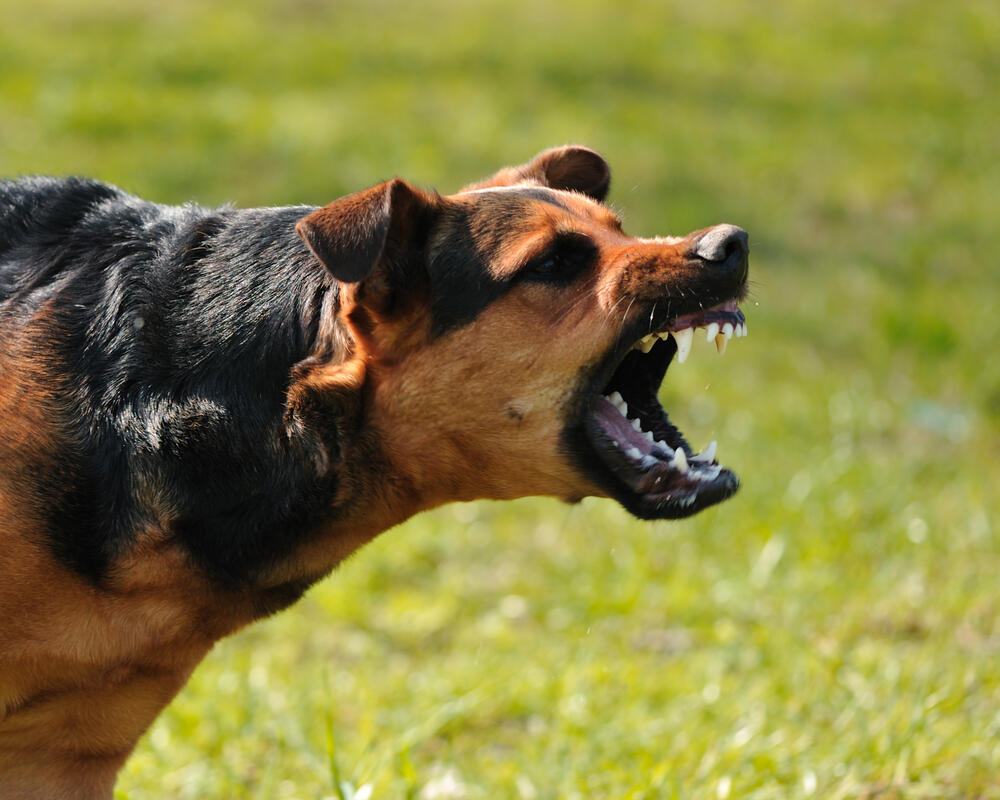
(Photo: Shutterstock)
Dr. Sean Shabbat, a senior plastic surgery resident at Rabin who led the research, said the findings highlight a risk that dog owners and health officials should consider during wartime.
“The findings emphasize that dog owners should be aware of this, especially during periods of war,” Shabbat said. “They also have practical implications. During times of escalation, particularly in areas with many sirens, hospitals may need to consider the expected increase in dog bite cases when planning staffing and resources in emergency and surgical departments.”
Researchers conducted a retrospective observational study analyzing diagnoses of dog bites recorded in hospitals and community clinics operated by Clalit Health Services between 2014 and 2025, beginning with the 2014 Gaza war known in Israel as Operation Protective Edge.
In total, the researchers identified about 63,000 cases.
To estimate exposure to environmental stress related to security escalations, the researchers used the number of air raid sirens recorded each month across Israel. They classified exposure into three categories: months with no sirens, months with fewer than 500 sirens nationwide and months with 500 or more sirens.
The analysis also examined geographic differences, including northern, central and southern Israel.
The data showed that during months with a low level of sirens — fewer than 500 nationwide — dog bites increased by about 15% compared with months without any sirens.
During months with more than 500 sirens nationwide, the number of dog bite cases rose by about 33%.
Researchers adjusted the analysis for several factors that could influence bite rates, including geographic location, season, age, sex and socioeconomic status.
The study also examined whether the severity of bites increased during periods of heightened stress.
Hospitalization within seven days of a bite remained rare and did not show a significant correlation with the number of sirens, the researchers said.
However, during months with especially high exposure to sirens, victims were about 9% more likely to require surgery within 30 days of the bite.
Although the increase was relatively modest, Shabbat said the high overall number of dog bite incidents means even a small rise could create noticeable pressure on surgical departments, particularly during wartime when hospitals may already be dealing with other emergencies.
Several international studies have identified loud noises as a major trigger for anxiety and aggression in dogs, including fireworks, thunderstorms, sirens and explosions.
Experimental studies conducted in controlled acoustic environments have shown that dogs exposed to loud noises experience physiological stress responses, including elevated cortisol levels and increased heart rate, the researchers said.
Shabbat said the findings provide early evidence linking war-related environmental stress to an increase in dog bite incidents.
“Preventing dog bites may be a component that has not received enough attention in preparations for civilian injuries during armed conflict,” the researchers wrote.