


The Houthis apparently carried out an attack and were then targeted themselves: Saudi television reported Friday evening that a Saudi ship was attacked in the Red Sea and suffered minor damage. The vessel was able to continue to its destination. The Houthis in Yemen have not claimed responsibility, but they are the immediate suspects. Earlier this week, they announced they were imposing a naval blockade on Saudi Arabia.
Not long after the Saudi ship was hit, the response came: Houthi-aligned media outlets in Yemen reported that Saudi Arabia attacked the Red Sea port city of Hudaydah. Saudi channel Al Arabiya reported explosions at weapons depots in the city. Reports also said that strikes were carried out on Kamaran Island, off the coast of Hudaydah.
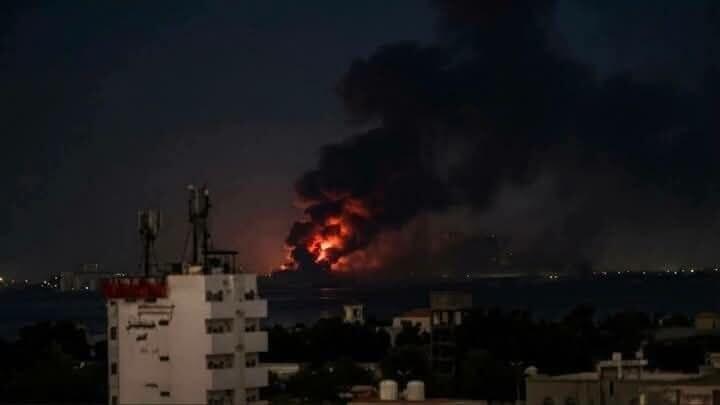
A Yemeni source confirmed in a conversation with ynet that the Houthis were behind the attack on the Saudi ship, adding: “Maritime navigation systems were targeted at the port of Hudaydah, and according to reports, weapons and fuel depots were also hit, along with many other sites throughout the city.”
The Houthis threatened a harsh response, and one of their senior figures, Hazam al-Asad, wrote: “A port for a port, an airport for an airport. Any escalation will be met with a more severe escalation.”
On Monday, Houthi military spokesman Yahya Saree said: “The Houthi forces announce a naval embargo against the Saudi enemy, based on the equation of ‘an eye for an eye.’ We affirm our people’s right to respond to a blockade with a blockade and to respond to any escalation with escalation.”
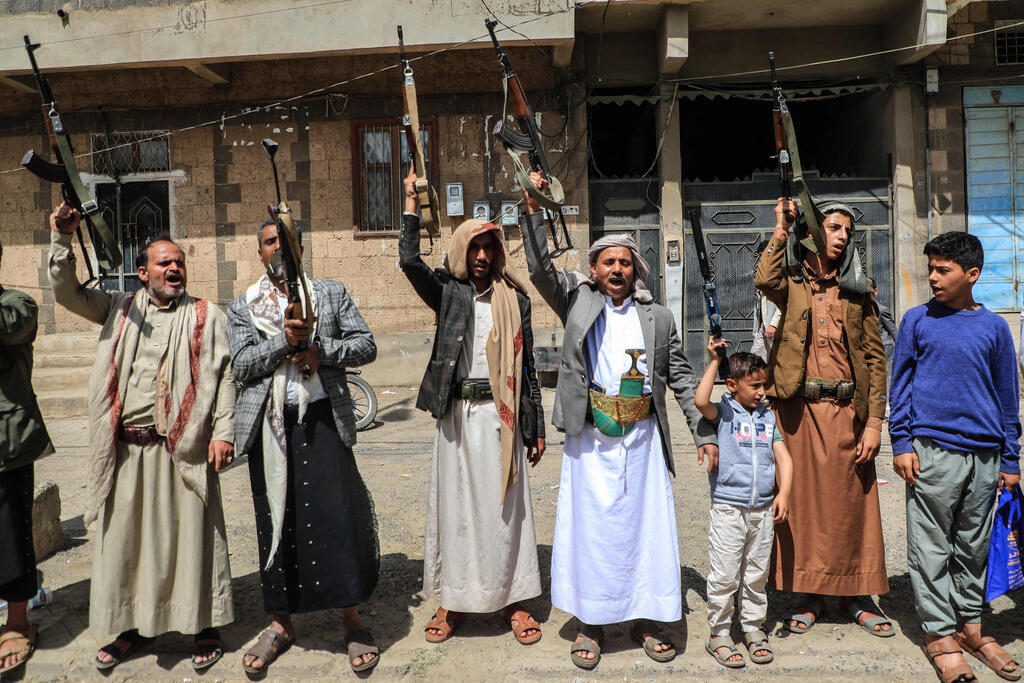
Houthi supporters in Sanaa
(Photo: Mohammed HUWAIS / AFP)
The escalation between the Houthis and Saudi Arabia began about a week and a half ago following a Saudi strike on the international airport in Sanaa, which the Houthis said was intended to prevent an Iranian aircraft from landing there. The strike came as part of what they described as a “blockade” that Riyadh was attempting to impose on them in an effort to isolate them.
Hours after the Saudi attack, the Houthis launched missiles toward Saudi airports in retaliation, as part of their “eye for an eye” equation.
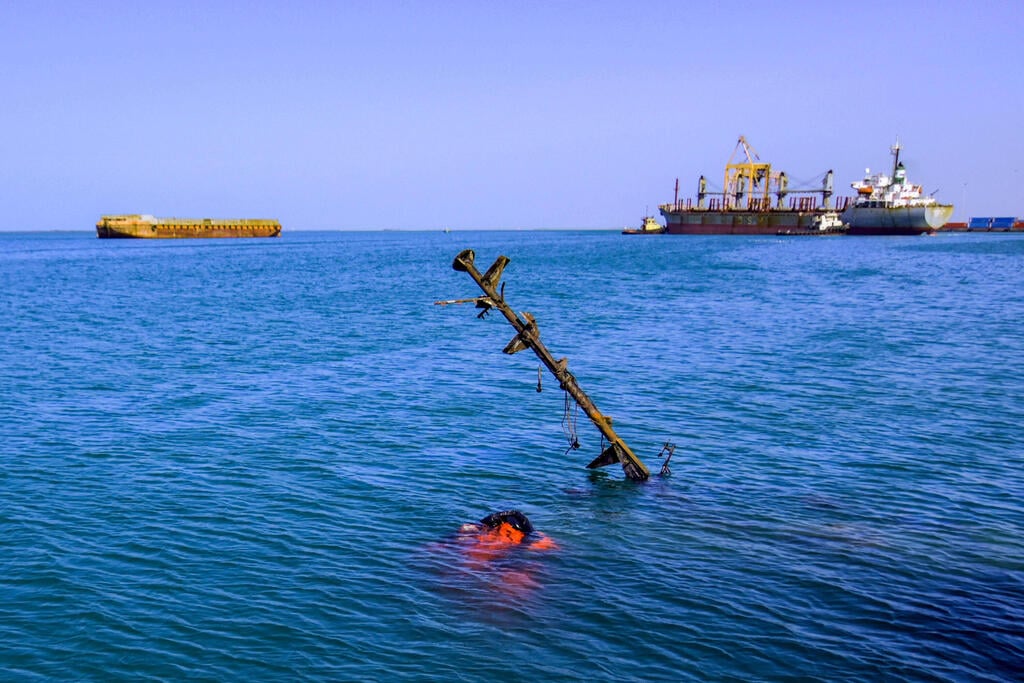
Yemen's Al-Hudaydah Port
(Photo: AFP)
Saudi Arabia previously led a broad bombing campaign against the Houthis, Iran’s allies, after the rebels seized the capital Sanaa in late 2014 and ousted the internationally recognized government. Saudi Arabia viewed this as a direct threat to its security and regional influence. In 2015, the kingdom formed a military coalition of Arab countries and launched a wide-ranging campaign that included thousands of airstrikes, a naval and air blockade and support for Yemeni government forces, with the aim of halting the Houthis’ advance and restoring the government to power.
Although the coalition prevented the Houthis from taking control of all of Yemen, it failed to defeat them. The Houthis continued to rule northern Yemen and over the years launched missiles and drones at Saudi cities, airports and oil facilities. At the same time, the war led to one of the world’s most severe humanitarian crises, and the Saudi-led coalition faced intense international criticism over civilian casualties and damage to infrastructure.
Starting in 2022, Saudi Arabia changed its approach and began promoting direct talks with the Houthis. Until the current escalation, relative calm was maintained along much of the border, while Saudi Arabia focused on efforts to advance a political settlement and support the Yemeni government through economic aid, although a comprehensive peace agreement was never reached.