

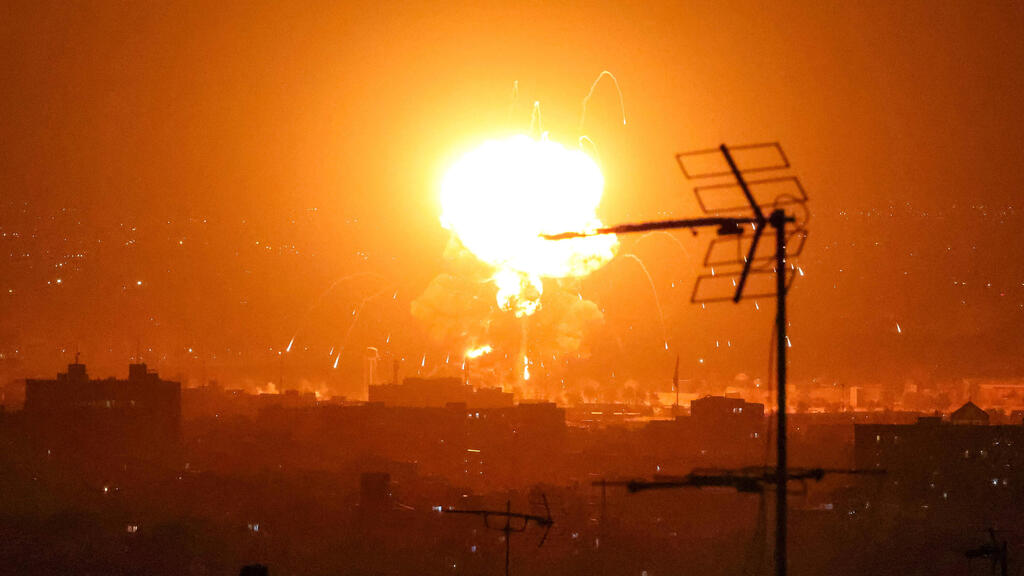
The Israeli strike on oil storage facilities in Tehran, used by the military forces of the Islamic Republic, lit the skyline with massive flames and filled the sky with thick smoke. Hours later, rain falling over the city turned black.
These images illustrate how, alongside the strategic and political goals driving the war between Israel and the United States and Iran, the fighting also carries environmental consequences. These range from the release of large quantities of air pollutants such as particulates, toxic volatile organic compounds and nitrogen and sulfur oxides, to the formation of acid rain that carries pollution back down to the ground and into water sources.
Strike on oil depots in Tehran


Wars often have local environmental impacts, but the effects frequently spread over wider areas, sometimes reaching distant regions. These impacts can appear in both the short and long term, affecting public health, habitats, ecosystems and natural resources.
Beyond the fuel tanks damaged in Iran, strikes on fuel production facilities in the Islamic Republic and neighboring Gulf states also carry significant environmental risks. In addition to air pollution, there is a danger of fuel spills contaminating soil and water sources, harming habitats and threatening numerous species.
Fires and damage to gas and liquid fuel infrastructure also release greenhouse gases, primarily carbon dioxide and methane.
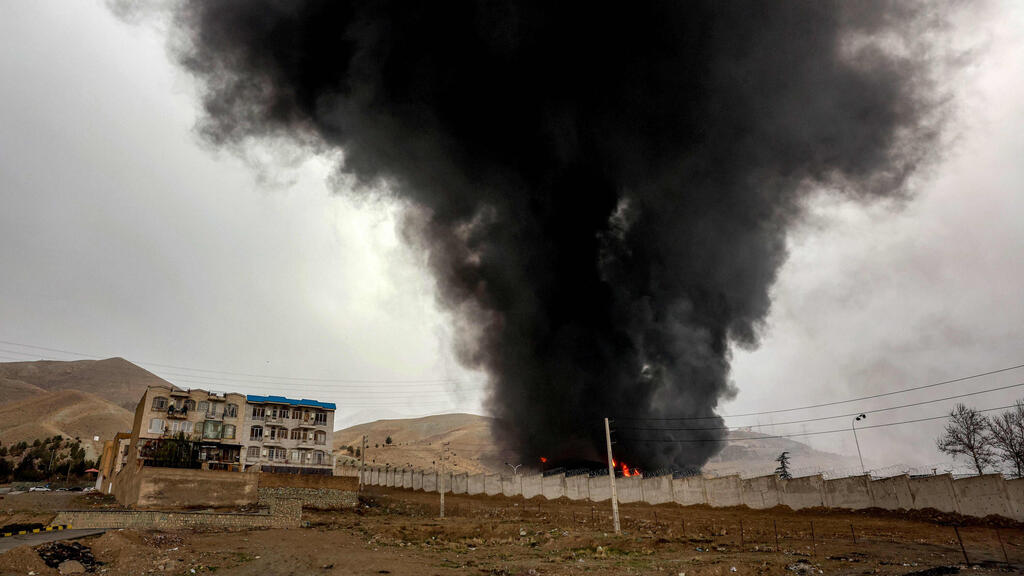
Shahran
(Photo: AFP)
Attacks on military facilities, including missile bases, airfields and weapons production or storage sites, can scatter explosives, fuels, oils, heavy metals and other chemicals into the air, water sources and soil. Bombings and the destruction of buildings in urban areas likewise release harmful particles and pollutants into the atmosphere.
Damage to nuclear sites can cause dangerous radiation leaks but may also release toxic materials into the air. One example is uranium hexafluoride (UF6), which reacts with moisture to produce various gases including hydrofluoric acid (HF), a highly toxic substance that can also cause severe corrosion.
The launch of ballistic missiles also poses risks to the upper layers of the atmosphere during flight and interception. Rocket fuel combustion produces soot as well as nitrogen and chlorine gas compounds. These pollutants can harm the ozone layer in the stratosphere and trigger undesirable chemical reactions high in the atmosphere.
Beyond the current fighting, Iran has long struggled with severe environmental challenges caused by poor resource management, aging infrastructure and the growing effects of climate change.
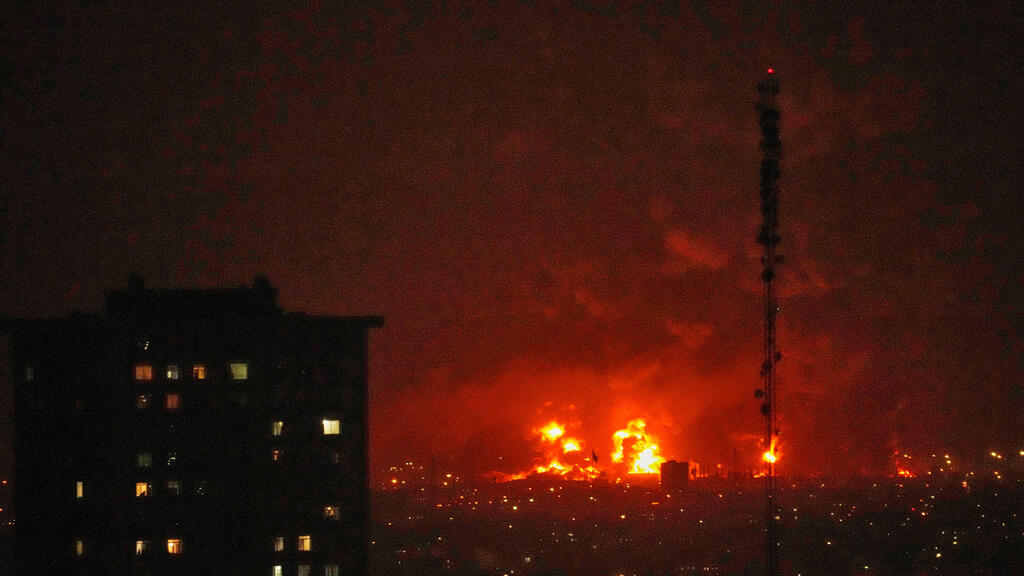
Tehran
(Photo: AP Photo/Vahid Salemi)
Water shortages, soil degradation and desertification processes have affected the country’s water supply and food security. Heavy fuel use, combined with dust and salt storms containing heavy metals from exposed lakebeds and dried reservoirs, has created dangerous air pollution.
A potential change in Iran’s regime and priorities could open the door to massive international investment in environmental and climate sectors, particularly water, energy and agriculture.
Peace between Iran and Israel, both countries facing similar environmental challenges, could also create opportunities for cooperation, from solar energy production and water desalination to the implementation of precision agriculture.
While fossil fuel development has long brought wealth and influence to Gulf states, countries in the region, led by Saudi Arabia and the United Arab Emirates, have increasingly installed solar systems with storage in recent years to reduce air pollution and prepare for the future. Iran has lagged behind in this field.
Israel has extensive knowledge and experience in solar energy technologies that could contribute significantly to Iran’s transition.
In the water sector as well, including desalination, water transport, drip irrigation and wastewater treatment, Israel has much to offer. Israel is also a global leader in agriculture and could provide Iran with knowledge and technologies for sustainable farming in water-scarce regions, including crops resistant to drought and salinity, along with advanced fertilization and pest management.
The fuel tanks burning in Iran will continue releasing pollution and greenhouse gases for days. One can hope the war will end soon and that the Iranian people will gain a new government.
Yet the environmental and climate impacts on Iran and Israel will persist long after the bombings stop, and cooperation in addressing them could strengthen ties between the countries and create a shared horizon for both peoples.
Prof. Adi Wolfson heads the master’s program in green engineering at the Sami Shamoon College of Engineering. He is the author of “The Great Crisis: The Age of Man” and “Sustainability: Humanity, Society and Environment.”