

Eight members of the Peruvian Navy jumped from a helicopter into a clearing in the Madre de Dios region of Peru and rushed toward a mining site illegally established by gold miners. For some time, forested areas have been destroyed for mining activity, causing severe environmental pollution. As the soldiers approached, several miners stood watching them from a distance. The officer leading the force fired a warning shot into the air. Within seconds, the miners disappeared into the forest.
Authorities are trying to stop the spread of the activity into protected areas of the Amazon after mining left behind enormous environmental damage: forests have been damaged, the ground has been dug up and polluted pools have formed during the search for gold. Mercury, used to separate gold from sediment, has contaminated water sources and harmed wildlife and Indigenous communities, which rely heavily on fish for food.
Gallery
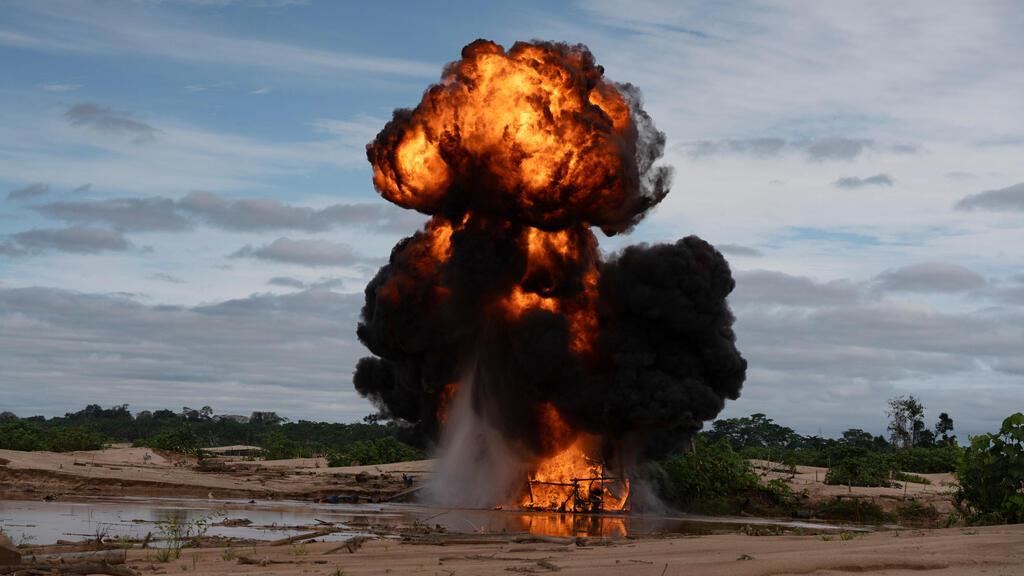
Destruction of equipment used by gold miners by Peruvian Navy soldiers
(Photo: Guadalupe Pardo/AP)
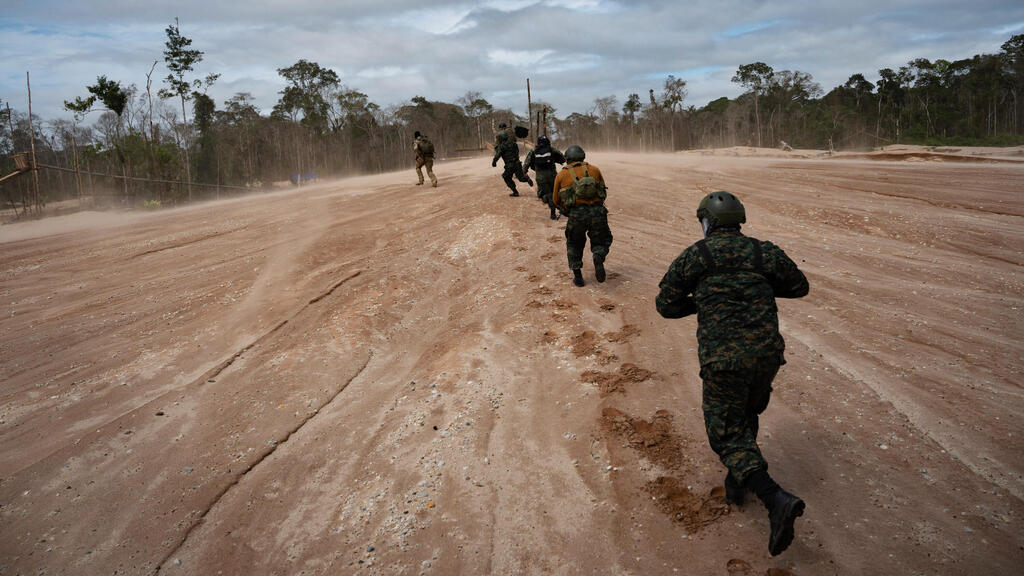
Peruvian Navy soldiers raid illegal gold mining sites
(Photo: Guadalupe Pardo/AP)
In the forested area, near Peru’s borders with Bolivia and Brazil, mining sites abandoned in haste can be seen. Crushed beer cans and empty drink bottles are scattered on the ground alongside mattresses, clothing, fuel containers and tools. The only signs of life are chickens and guinea pigs running around the site, which the miners had planned to eat.
Peruvian soldiers are flown by helicopter to separate points along the Malinowski River, a tributary of the Tambopata River, which serves as a natural border for the Tambopata National Reserve in the Peruvian Amazon. The river has been badly damaged and its course altered by extensive illegal gold mining.
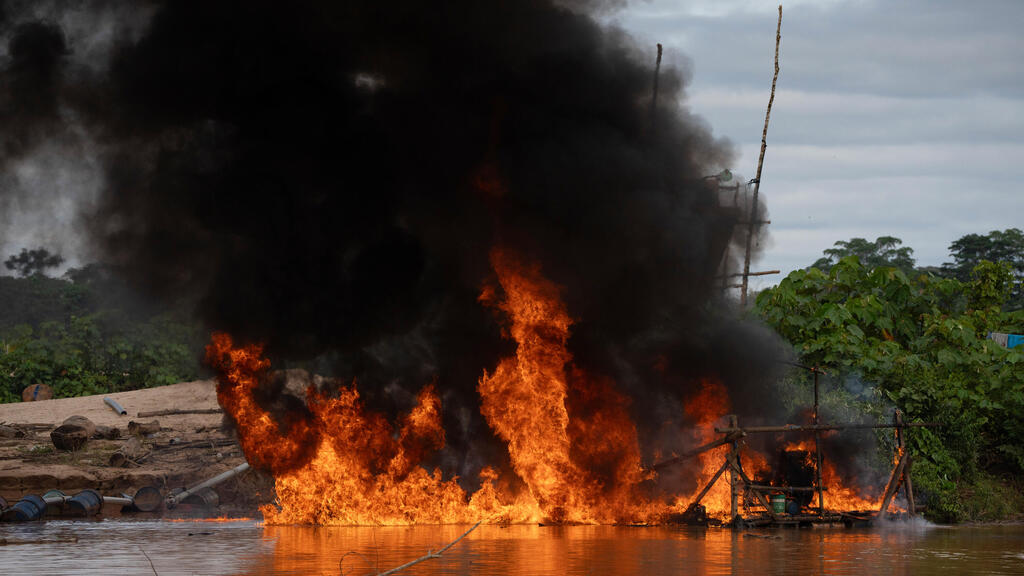
Peruvian Navy soldiers destroy equipment used by gold miners
(Photo: Guadalupe Pardo/AP)
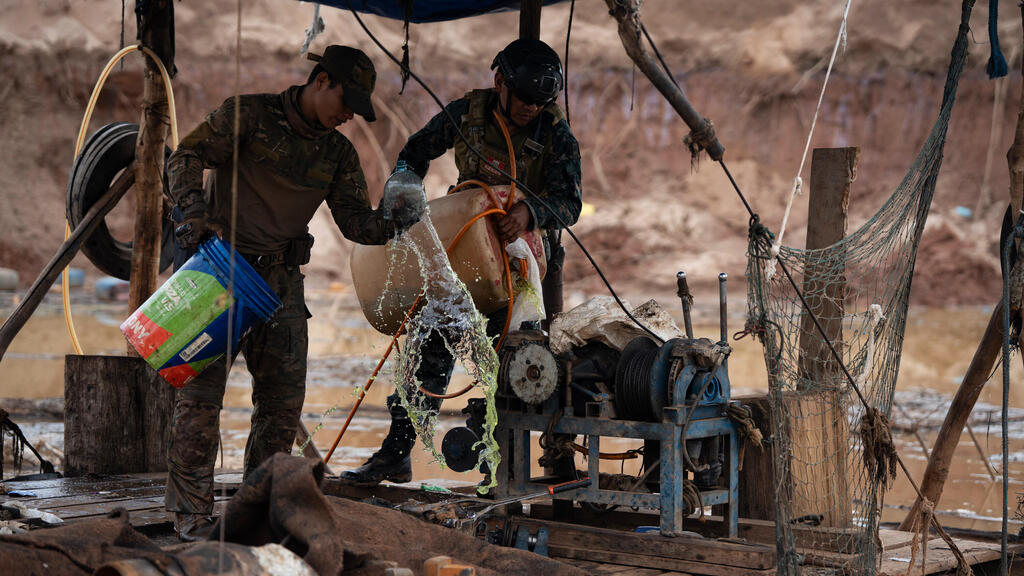
Pouring gasoline on gold mining equipment before setting it alight
(Photo: Guadalupe Pardo/AP)
Edy Reynaldo Dariquebe, an official with FENAMAD, an Indigenous federation representing communities in Peru’s Madre de Dios region, said criminal groups linked to illegal mining have been operating near or inside protected Indigenous communities. He said mining is destroying forests and contaminating rivers with mercury that accumulates in fish, spreading the impact to communities far from the mining sites.
Ronald Flores Yáñez, a deputy prosecutor for Peru’s Office of the Attorney General, said illegal mining has advanced close to military monitoring points and into protected areas.
“We can attest today that they have already entered the Tambopata National Reserve,” Flores said. “We are inside the reserve and around us we see dredges numbering in the hundreds.”
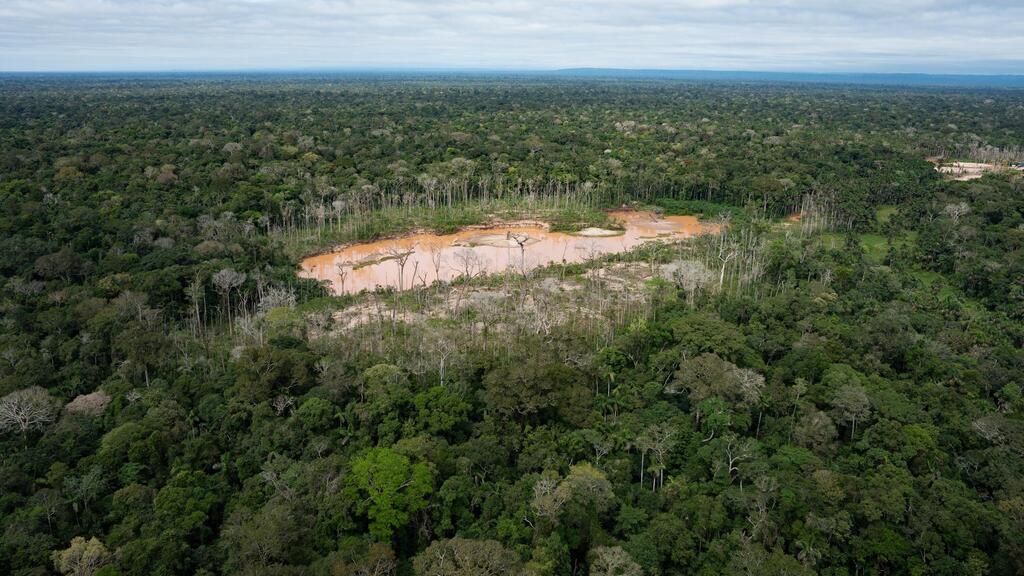
Deforestation due to illegal gold mining in the Tambopata National Reserve in Puerto Maldonado
(Photo: Guadalupe Pardo/AP)
Illegal mining declined in parts of Madre de Dios after Peru launched a major military and police crackdown known as Operation Mercury in 2019. But miners have since moved back toward protected areas, prompting authorities to intensify operations.
Global Conservation, a U.S.-based nonprofit working with Peruvian authorities, said ongoing operations will combine satellite monitoring, aerial reconnaissance and law enforcement raids over the coming year to identify and dismantle illegal gold mining camps and equipment.
The powerful engines are among the most valuable pieces of equipment at a mining site and a key economic pressure point for authorities trying to make it more expensive for miners to restart operations. Miranda said larger engines can cost around $30,000 to $45,000. He estimated that motors targeted in the raids can extract 30 to 50 grams of gold a day. At current gold prices, that would be worth about $4,000 to $7,000.
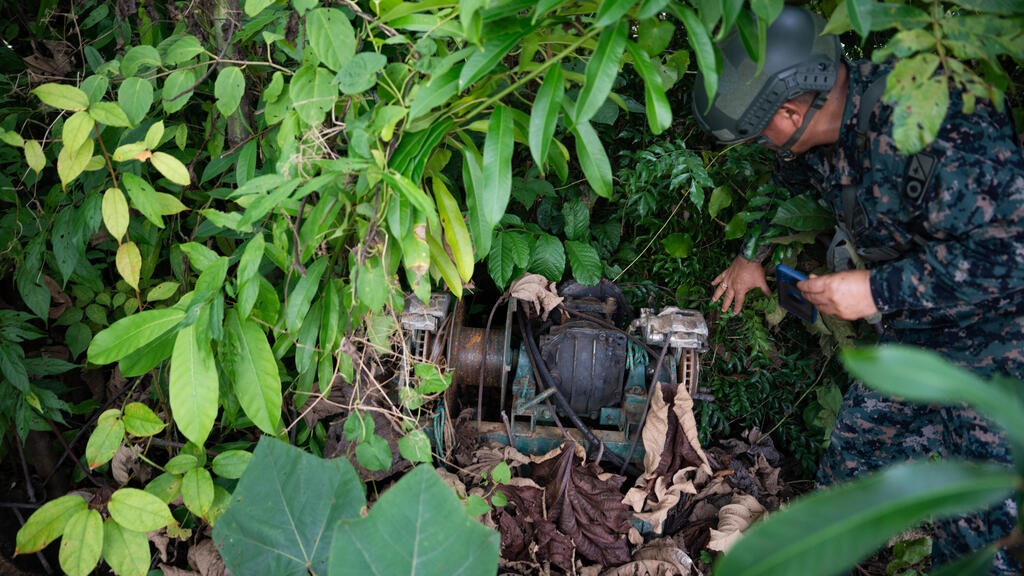
Discovery of an engine used in illegal gold mining
(Photo: Guadalupe Pardo/AP)
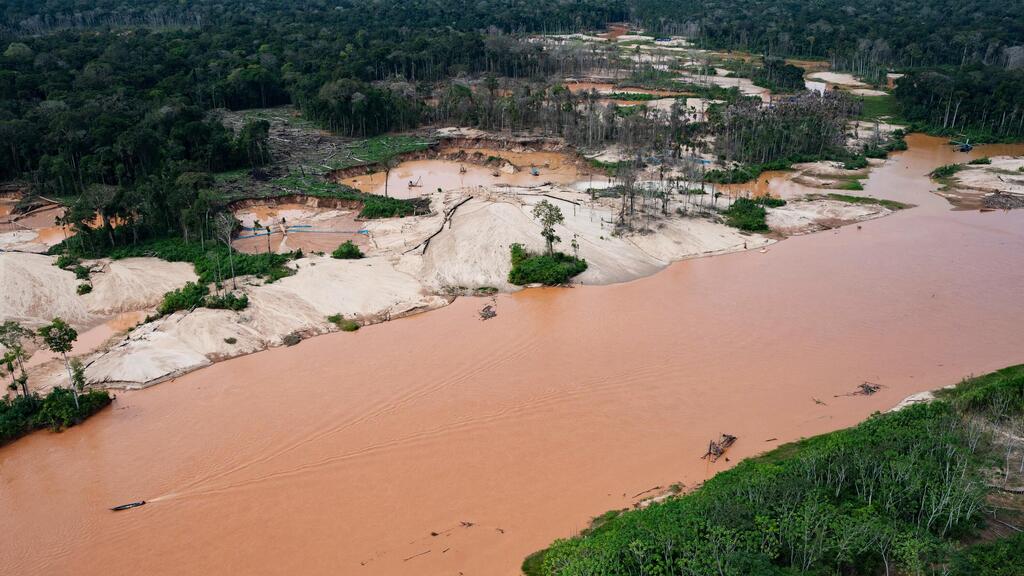
Deforestation due to illegal gold mining
(Photo: Guadalupe Pardo/AP)
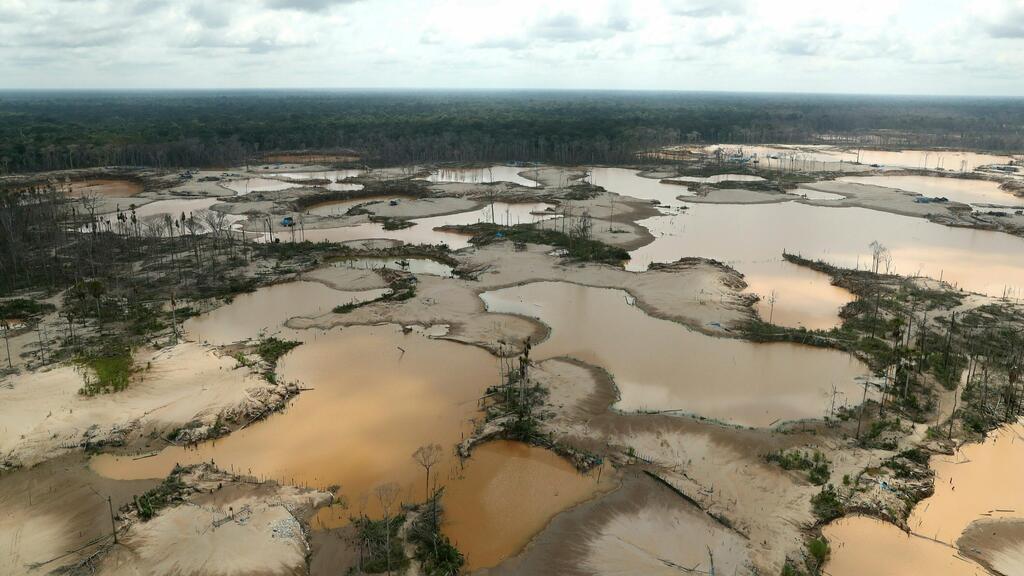
(Photo: Guadalupe Pardo/Pool Photo/AP)
In three days of operations, soldiers destroyed 56 engines, 78 mining rafts and 13,751 gallons, or 52,050 liters, of fuel, with the value of the material destroyed estimated at more than 15 million Peruvian soles, or $4 million. In the field, soldiers said they had destroyed about 115 engines over the previous three months in operations carried out almost weekly.
The remote sites give miners time to hear approaching boats or helicopters and flee, often hiding motors in sand, behind trees or in muddy pools to recover later. Specialized navy divers search the murky pools for submerged engines, entering water where mercury and other chemicals may be present. When they find one, they attach explosive charges and destroy it.
At one site, as troops prepared to leave, a soldier spotted disturbed sand and began digging. He uncovered a motor, threw it onto a pile with a mattress and chainsaw, doused it with gasoline and set it alight. A dog abandoned at the site fared better: soldiers took a liking to it, bringing it along for the rest of the day’s mission and eventually back to their military base.
Elsewhere, troops used dynamite-like explosives to destroy equipment and burned structures and supplies that could be used to keep the mining camps running.

A little gold mined illegally in Madre de Dios, Peru
(Photo: Rodrigo Abd/AP)
During the operation, another patrol encountered a woman with her 1-year-old child at a mining site. Flores told AP she had come to Madre de Dios from Cusco after failing to gain admission to university and, after being left by the father of her child, needed work. She responded to an advertisement seeking a cook and ended up preparing food for illegal miners.
The destruction of machinery is intended to hit miners where it hurts most: the cost of restarting. But authorities themselves acknowledge that raids alone are not enough.
Miranda said that with gold prices high and mining highly profitable, operators can acquire another engine, rebuild their equipment and return to the same location or move elsewhere.
“Every day they are advancing more and more and more, and we are being very slow,” said Flores, adding that their strategy needs to change.
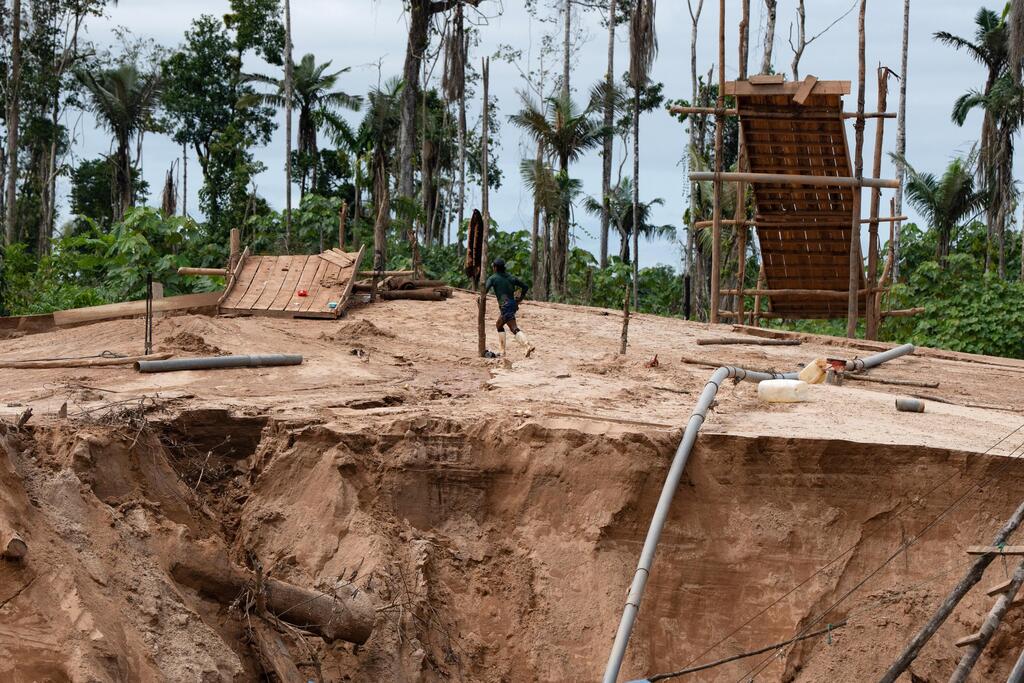
Illegal gold miner escapes from Peruvian navy forces
(Photo: Guadalupe Pardo/AP)
Prosecutors, he said, are now pursuing two fronts: continuing operations against dredges, motors and other equipment while also following the money behind the mines — identifying the financiers who provide the capital for expensive machinery and tracing the profits generated by the gold.
That approach could be critical to breaking the cycle visible along the Malinowski River: authorities destroy equipment, leave and miners find the money and machinery to start again.
“These operations have to be permanent,” Flores said.