


The Israel Meteorological Service published two new reports Thursday presenting, for the first time, a quantitative analysis of how El Niño affects weather in Israel, including rainfall totals and intensity, as well as the probability of snow. The reports come amid assessments that a powerful El Niño could affect Israel in the coming months.
According to the reports, a particularly strong El Niño is expected to develop in fall 2026 and could rank among the strongest El Niño events recorded in recent decades. Such an event, the reports say, could disrupt global climate patterns and increase the likelihood of extreme weather during the 2026/27 rainy season.
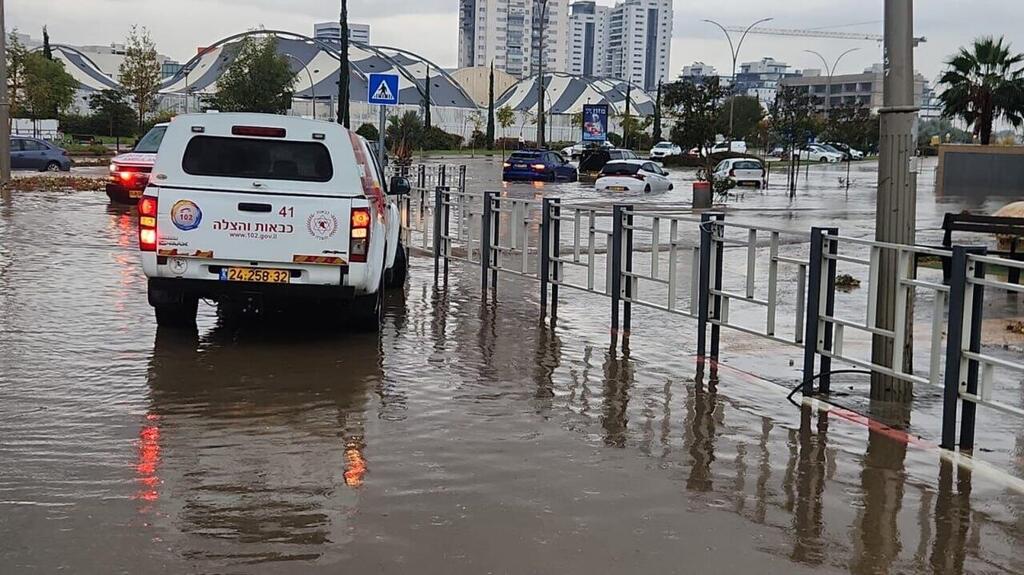
“In such an unusual atmospheric situation,” the reports state, “relying on historical statistics alone may not be sufficient for preparedness needs, especially when warming and climate-extreme processes expand the range of physical possibilities beyond extreme events documented in the past.”
The first report, titled “The connection between extreme El Niño values and climate in Israel,” reviews the phenomenon’s possible effects on Israeli weather events, including rainfall amounts, rainfall intensity and the chance of snow.
According to the report, El Niño years are characterized by abnormal warming of Pacific Ocean waters, which can shift the jet stream southward and increase the activity of weather systems in the eastern Mediterranean. The result, according to the findings, is an increase in rainfall amounts, rainfall intensity and the frequency of unusual rain events, especially early in the winter season. The reports also identify a possible rise in the probability of significant snow accumulation in the mountains and in the number of snowy days.
The report also addresses the preparedness of emergency agencies and local authorities, aimed at reducing risks from extreme weather events. As part of the analysis, forecasters examined the connection between Pacific Ocean temperature anomalies and weather patterns in Israel over recent decades. According to one model presented in the report, every 1-degree rise in sea-surface temperature could add up to 15% to Israel’s annual rainfall.
A complementary report was also published as an operational document for preparing for extreme events. The Meteorological Service stressed, however, that these are possible scenarios, not definite forecasts.
Among the scenarios examined in the report is the possibility of short but extreme rain events lasting about four hours and producing up to 300 millimeters of rain in small areas, an intensity that could cause life-threatening floods. The report also cites risks of heavy hail, strong winds and infrastructure damage. The most sensitive areas, according to the report, are the coastal cities and the lowlands, including the Tel Aviv metropolitan area, Ashdod, Ashkelon, Rishon Lezion, Netanya, Haifa and Nahariya.
Stronger than 2015, and possibly a ‘medicane’
The El Niño expected in the coming year is described as unusual even compared with the record event of 2015. According to the study, models point to a temperature anomaly of about 3.7 to 3.8 degrees Celsius in the Pacific Ocean, compared with the previous record of about 2.6 degrees. That would make the event potentially about a full degree stronger than the historical peak.
According to a model developed by Meteorological Service forecasters, each 1-degree rise in the El Niño index could add about 11% to 15% to Israel’s annual rainfall, depending on the region. That means a potential significant increase in rainfall, especially in certain parts of the country.
Among the areas where the effect may be most pronounced are the Judean Mountains and the northern Negev, where rainfall could reach 140% to 145% of the multiyear average. In the Golan Heights and eastern Galilee, the report identifies a possible rise to about 136% to 137% of the multiyear average.
The report also refers to the possibility of medicanes, deep Mediterranean low-pressure systems with some hurricane-like characteristics, though they are usually smaller, shorter and weaker in wind intensity. Such systems could bring heavy rain to Israel in fall and winter, winds of up to about 100 kilometers per hour and gusts of up to about 120 kilometers per hour, along with hailstones up to 7 centimeters in diameter and lightning storms.
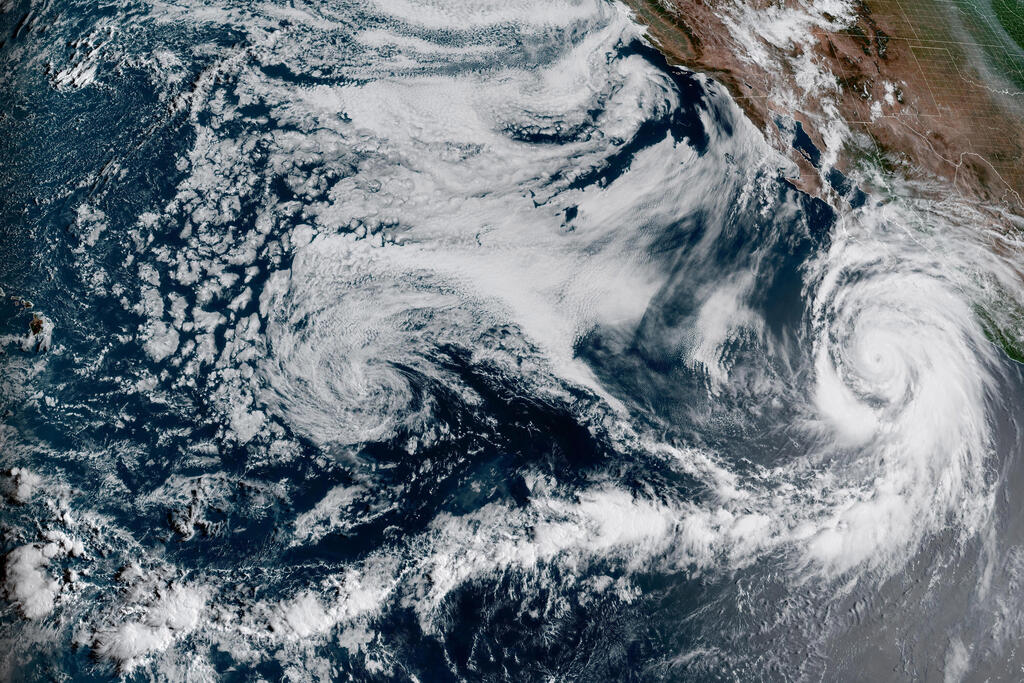
Tropical storms created by El Niño
(Photo: NOAA/AP)
According to the report, the potential development of a medicane can sometimes be detected up to about five days in advance, allowing early preparedness for such events.
The Meteorological Service, headed by Dr. Amir Givati, stressed that although the models point to a higher probability of a wetter-than-average winter under extreme El Niño conditions, uncertainty remains high. Even strong El Niño years are not always accompanied by unusual winters in Israel, because of the influence of other climate factors.
“The positive but statistically insignificant tendency toward extreme events in El Niño winters indicates that there is greater potential for extreme events in El Niño years, whether because of high moisture and energy transported in the atmosphere or because of the southward shift of the jet stream and the possibility of receiving more lows and deep upper troughs,” the report states.
“Sometimes this potential is realized and expressed in strong rainstorms, high rainfall intensities and even significant snow events,” it continues, “but sometimes this potential is realized in other parts of the world, while barometric highs remain over Israel, blocking the arrival of troughs and lows and preventing it from materializing.”
The report says the 2026/27 season is expected to be an extreme El Niño year and could bring “great potential for a rainy, event-heavy winter that includes extreme events and perhaps even snow events after three to four years without a significant snow event in the northern and central mountains.” Seasonal models, which take into account variables beyond El Niño, also identify a large rainfall surplus in the region at the start of the 2026/27 rainy season, the report says.
How much warning is possible?
The Meteorological Service’s comprehensive report says the potential for an unusual event can be identified about three to five days in advance. More precise spatial focus, such as whether the main impact will be in the Tel Aviv area, the lowlands or the Sharon region, along with more accurate rainfall intensity estimates, can usually be provided about one day before the event begins.