

Snakes are emerging from their winter hibernation, and recent weeks have seen an increase in encounters between people and reptiles, some of them venomous. Just last night, a 21-year-old man was seriously injured after being bitten by a snake near the settlement of Nahliel in western Binyamin. Magen David Adom paramedics evacuated him to Sheba Medical Center.
Speaking to ynet, snake catcher Tom Gad explained how people should respond when encountering a snake, stressing that proper conduct can significantly improve the chances of locating the animal and preventing danger. According to Gad, the first and most important step is to maintain constant visual contact with the snake, even if it disappears into a hiding place.
Gallery
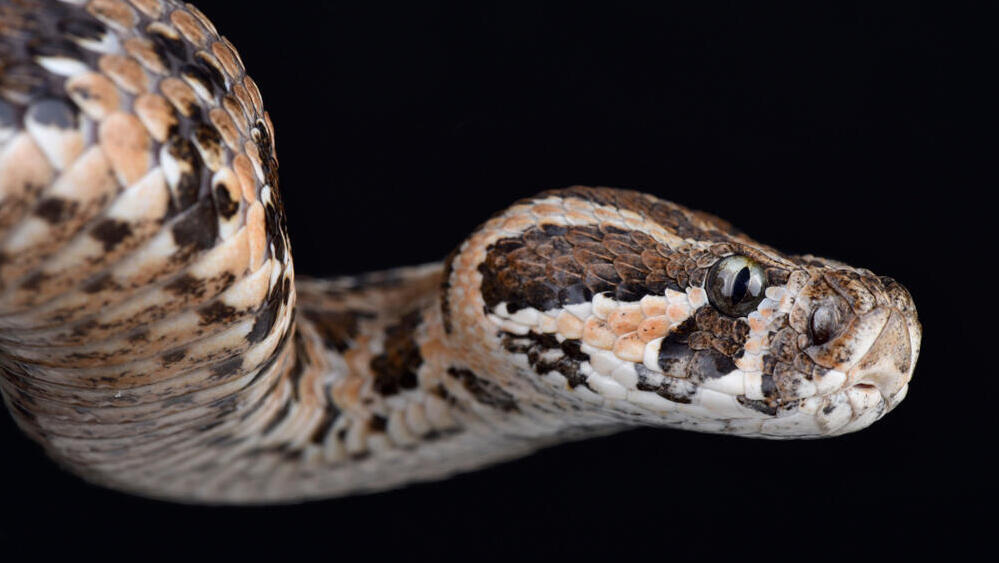
First and most important step is to maintain constant visual contact with the snake
(Photo: Shutterstock)
“First and foremost, keep your eyes on it and do not lose sight of it,” Gad said. “Even if we see the snake go under a couch, into a bush in the yard or anywhere else, we do not lose track of it. After that, call a snake catcher. As long as we maintain visual contact with the spot where it is, we essentially know where it is, and it is also aware of our presence. The moment we move away, we lose it, and it relocates to another hiding place, almost in leaps. So if you stay where you are and keep watch on the location, you increase the likelihood that the catcher will be able to find it quickly.”
Gad added that pets should be kept away from the area to prevent bites or harm to the snake, which is a protected species in Israel. He also recommended photographing or filming the snake, if it can be done safely.
“Even if the picture is blurry,” he said, “an experienced catcher will know how to identify the species and assess whether it is venomous.”
Gad also outlined what people should never do when encountering a snake.
“Do not create any interaction, do not try to catch it yourself and do not use tools such as hoes or shovels,” he said. “Do not enter areas with dense vegetation to look for it. Most bites happen precisely when people try to get close or surprise the snake. It is important to understand that a snake will almost always prefer to avoid contact with humans. Usually it will flee or move away, and if it feels someone has gotten too close, it may also issue a warning, for example, a viper may hiss with a sound like a sprinkler, signaling us to stop and back away.”
He also stressed the importance of not panicking excessively.
“In principle, there is no need to be overly afraid. Even a venomous snake would rather flee than attack. Once we have identified a snake and are at a safe distance, it will not chase us. There have been cases where venomous snakes passed right between my legs. I obviously do not recommend getting close, but as long as you keep a distance of several meters, in most cases everything will be fine. And of course, do not throw anything at it.”
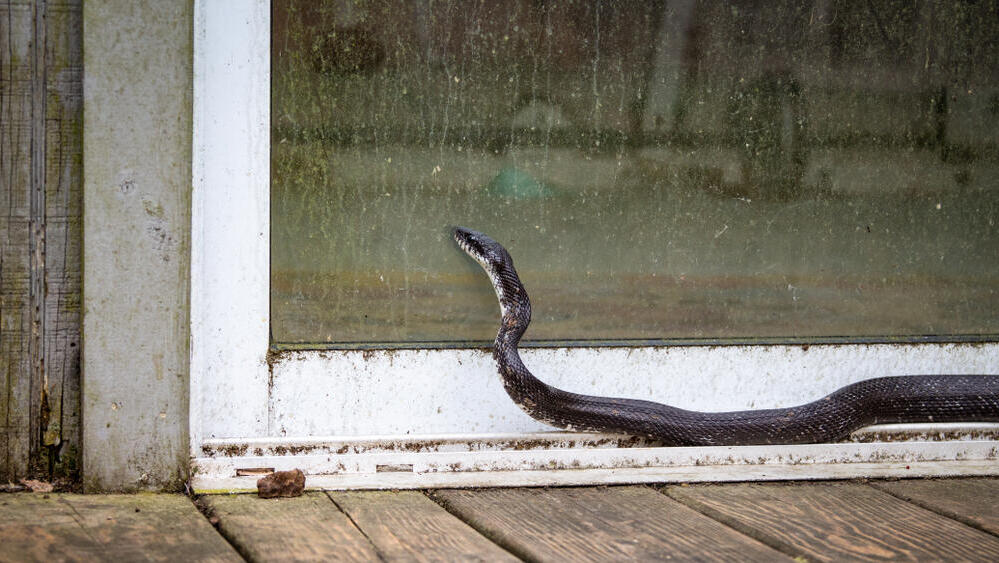
It’s important to stay calm and avoid panic
(Photo: Shutterstock)
Gad also addressed conduct on social media, advising against attempting to identify snakes through online groups.
“Instead of posting in Facebook groups and relying on guesses, it is better to send a picture or call a licensed snake catcher with experience who can provide a professional answer,” he said.
Asked what should be done in the event of a snakebite, Gad emphasized the need for swift action and immediate medical assistance.
“First of all, here is what not to do: Do not suck out the venom, do not cut the bite area and do not perform any invasive action. Also do not eat or drink,” he said. “What you should do is try to stay calm, avoid excessive movement, photograph the snake if possible and, most importantly, immediately call Magen David Adom for help. It is very important not to drive yourself to the hospital, because a medical condition can deteriorate rapidly even if the person initially feels fine.”
According to Gad, in some cases deterioration can occur very quickly.
“A person may feel perfectly fine, and within minutes the situation can change,” he said. “That is why emergency services must be called and no risks should be taken with self-transport.”
Asked where snakes are commonly encountered, Gad said they are widespread across nearly all parts of Israel, including urban areas, thanks to their adaptation to human environments.
“There are vipers, black whipsnakes and eastern Montpellier snakes even in city centers,” he said. “When out in nature, hiking or camping, it is especially important to keep tents closed, bring shoes inside, shake them out in the morning to make sure nothing got in and remain aware of your surroundings. Do not sit in dense vegetation and stay in the middle of the trail.”
Concluding his remarks, Gad stressed that proper conduct begins with awareness and caution.
“We are guests in nature, and we need to pay attention to what is around us rather than being absorbed in our phones or other distractions,” he said.