

Tucked between the alleyways of Neve Sha’anan and Tel Aviv’s Central Bus Station is a vibrant food scene that proves you don’t need to fly far to feel like you’re in Bangkok, Hanoi or Kathmandu. Though often seen as controversial and not the first place that comes to mind for a meal out, the area offers authentic, high-quality Asian cuisine, set against the backdrop of the local immigrant community.
To uncover these culinary gems, we joined a guided food tour with Gil Gutkin and Noa Einat, who introduced us to a world of flavors, aromas and stories that cast South Tel Aviv in an entirely new light.
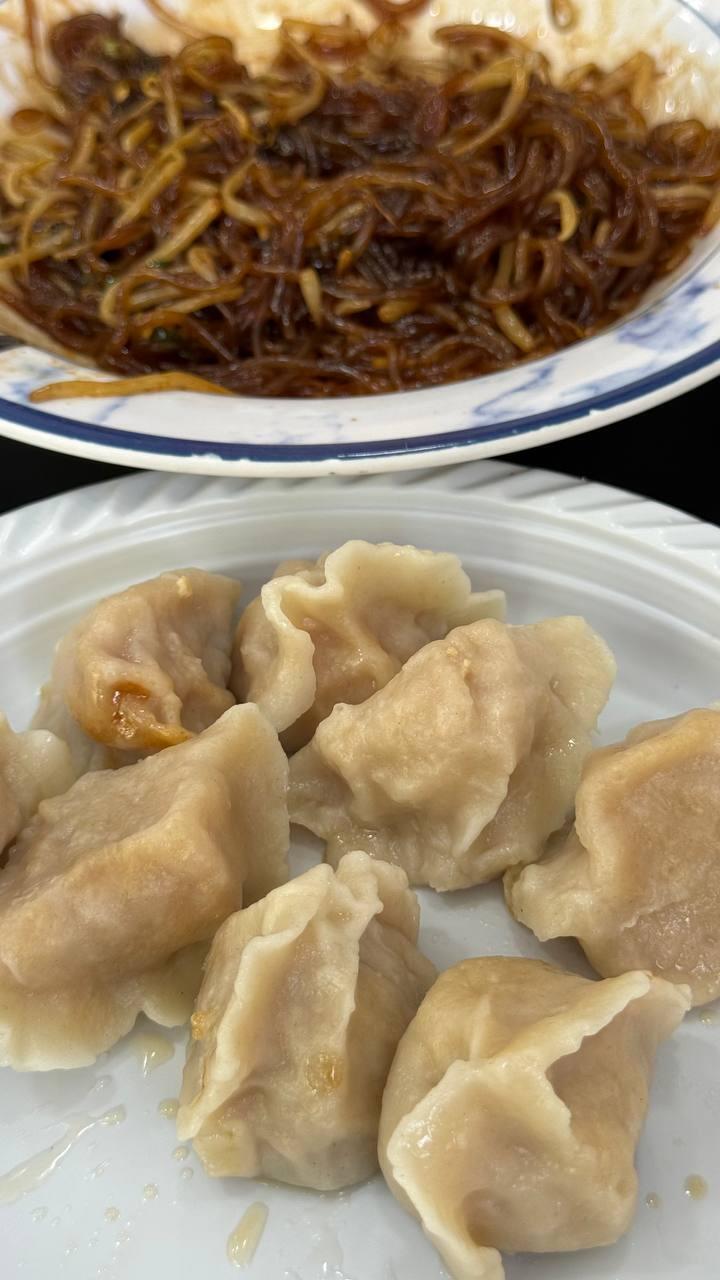
The old-school Chinese spot: Bao Buns
We gathered in Neve Sha’anan and began our tour at Chinese Bao Buns, a small Chinese restaurant that’s been around for 15 years and gone through several transformations. It’s now owned by three Filipino women, but the chefs are Chinese and the food remains completely authentic.
Pictures of all the dishes line the entrance wall, adding to the atmosphere and making you feel like you’ve stepped into a humble worker’s restaurant somewhere in Asia.
We sampled stir-fried cabbage (NIS 50), chicken dumplings (NIS 50), noodles (NIS 60) and morning glory, a type of water spinach commonly found in Asian menus (NIS 50). The dishes were simple, traditional and flavorful, with reasonable prices.
24 Neve Sha’anan St. | Sun–Sat | 12 p.m.–8:30 p.m.
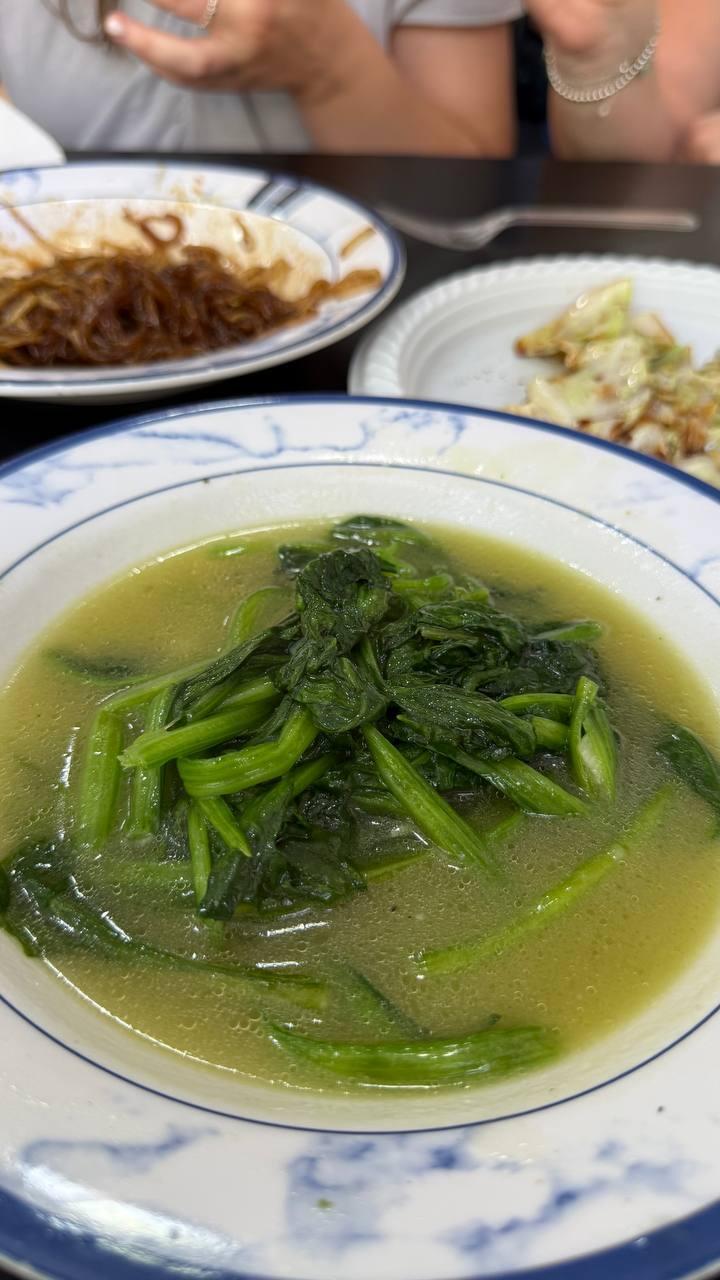
Water spinach
(Photo: Sapir Gordo)
Like a culinary amusement park: Dragon Food
Next, we stopped at Dragon, one of the area’s oldest stores specializing in Asian cuisine. The shelves are packed with everything from rare ingredients and sauces to traditional cookware. The shop attracts not only immigrants but also professional chefs and foodies who come to stock up on ingredients that can’t be found in standard supermarkets.
6 Rosh Pina St. | Sun–Sat | 9 a.m.–9 p.m.
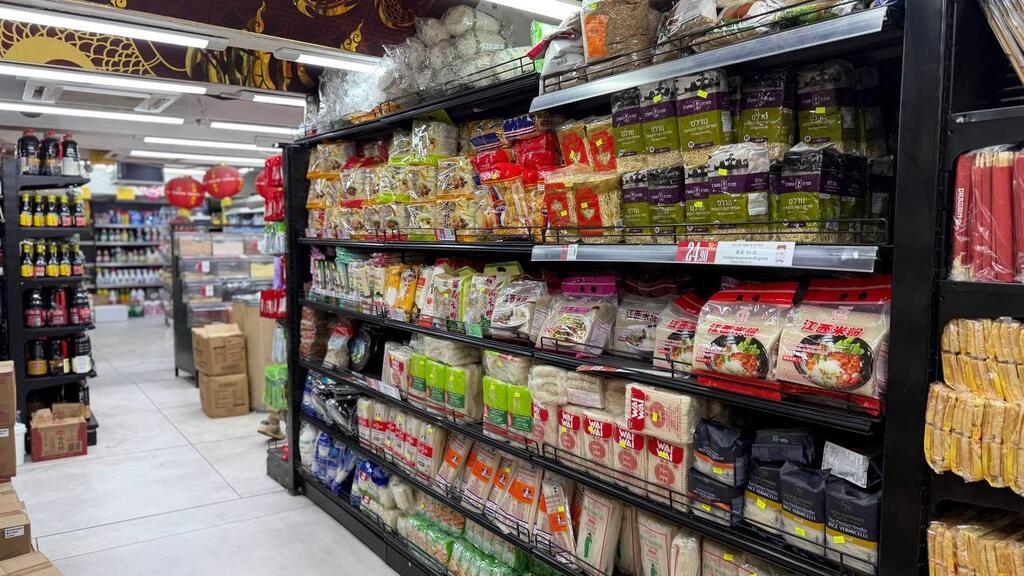
Dragon
(Photo: Sapir Gordo)
Nepal, India packed with flavor: Gorkha Kitchen
From there we continued to Gorkha Kitchen, an Indian-Nepali restaurant opened about four years ago by a group of Nepali friends. The menu is large and diverse, featuring traditional dishes including various curries and classic appetizers like samosas, Papadum and more. We tried the chicken Momos (NIS 40), the restaurant’s signature dish, and they were outstanding.
16 Rosh Pina St. | Mon–Sat | 11 a.m.–10:30 p.m.
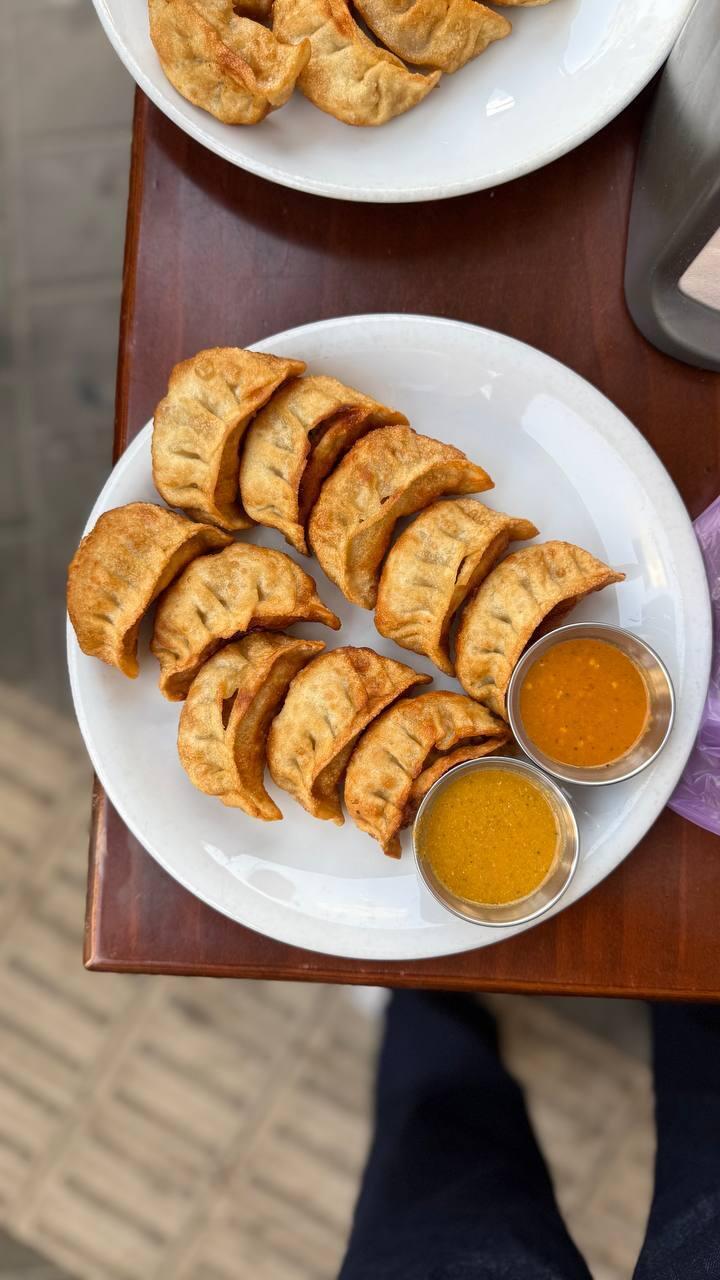
Gorshka Kitchen. Chicken Momos
(Photo: Sapir Gordo)
Gorshka Chicken
(Photo: Sapir Gordo)
A youth movement love story: El Mano
Ann and John Bautista, children of Vietnamese and Filipino immigrants, met and fell in love in a Tel Aviv youth movement. In 2020, just a month before the COVID-19 pandemic began, they opened El Mano, a restaurant that blends the flavors of the two cuisines they grew up on, creating a unique and surprising fusion.
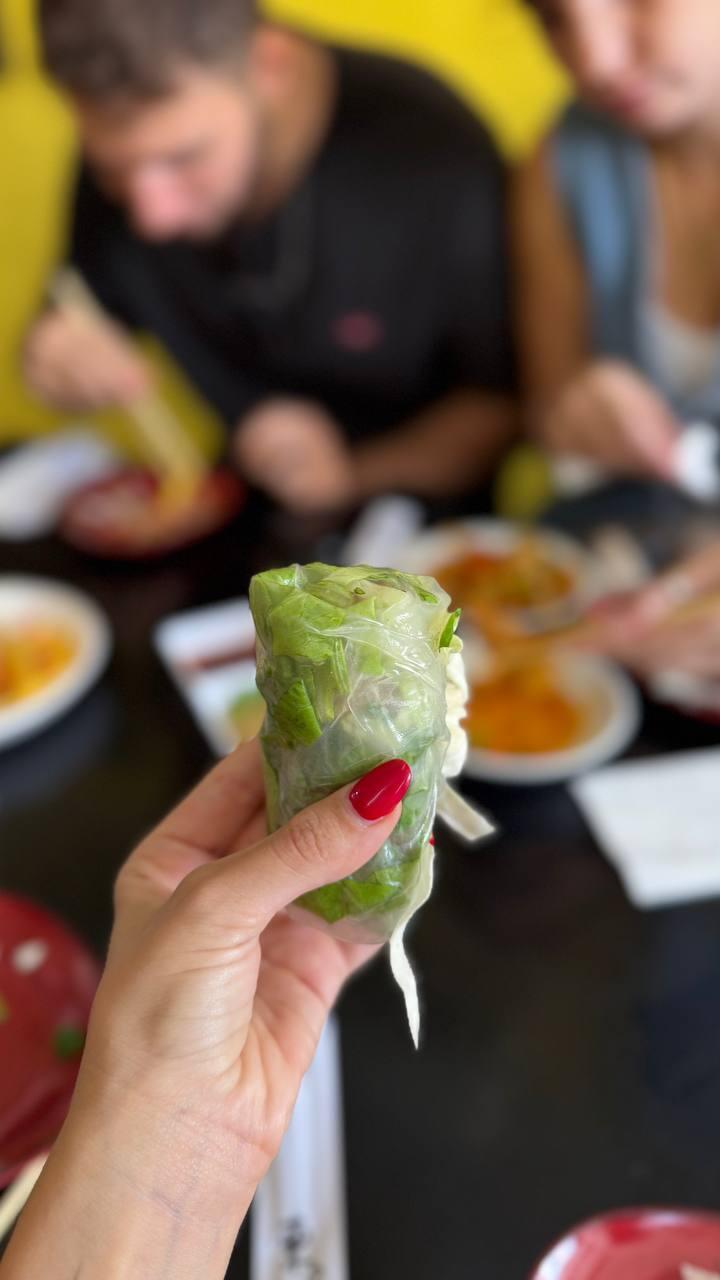
We sampled a refreshing green mango salad (NIS 50), a rice paper-wrapped egg roll (NIS 40), fried chicken wontons in sauce (NIS 40) and Vietnamese-style fried chicken wings (NIS 60). The dishes were fun, distinct and delicious.
46 Yesod HaMa’ala St. | Open daily except Monday | Weekdays 2 p.m.–11 p.m., Fri–Sat 1 p.m.–11 p.m.
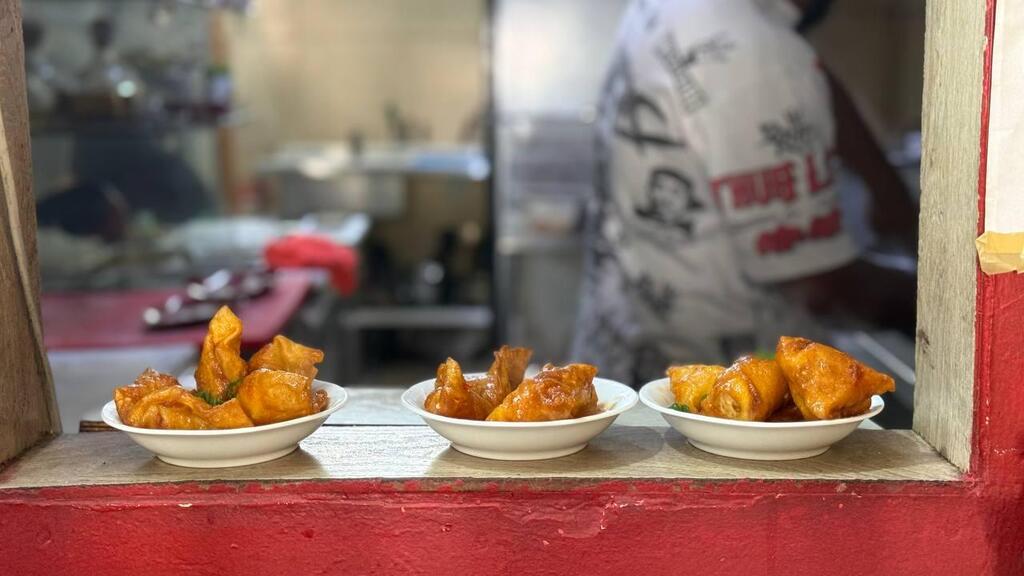
El Mano
(Photo: Sapir Gordo)
An Asian market in the heart of the Central Bus Station
Our next stop, unsurprisingly, was the Central Bus Station. Entering through the main entrance, we were immediately immersed in the atmosphere: tiny shops, colorful market stalls, and traditional clothing from across Asia.
Slowly, a whole world unfolded: Asian food stands of every kind, rare ingredients, affordable meals and unexpected desserts.
We tried a popular street dessert called Turon: a fried egg roll filled with banana and coated in caramel (NIS 5), a Filipino treat that balances perfect sweetness with an ideal texture.
Asian market filled with color
(Photo: Sapir Gordo)
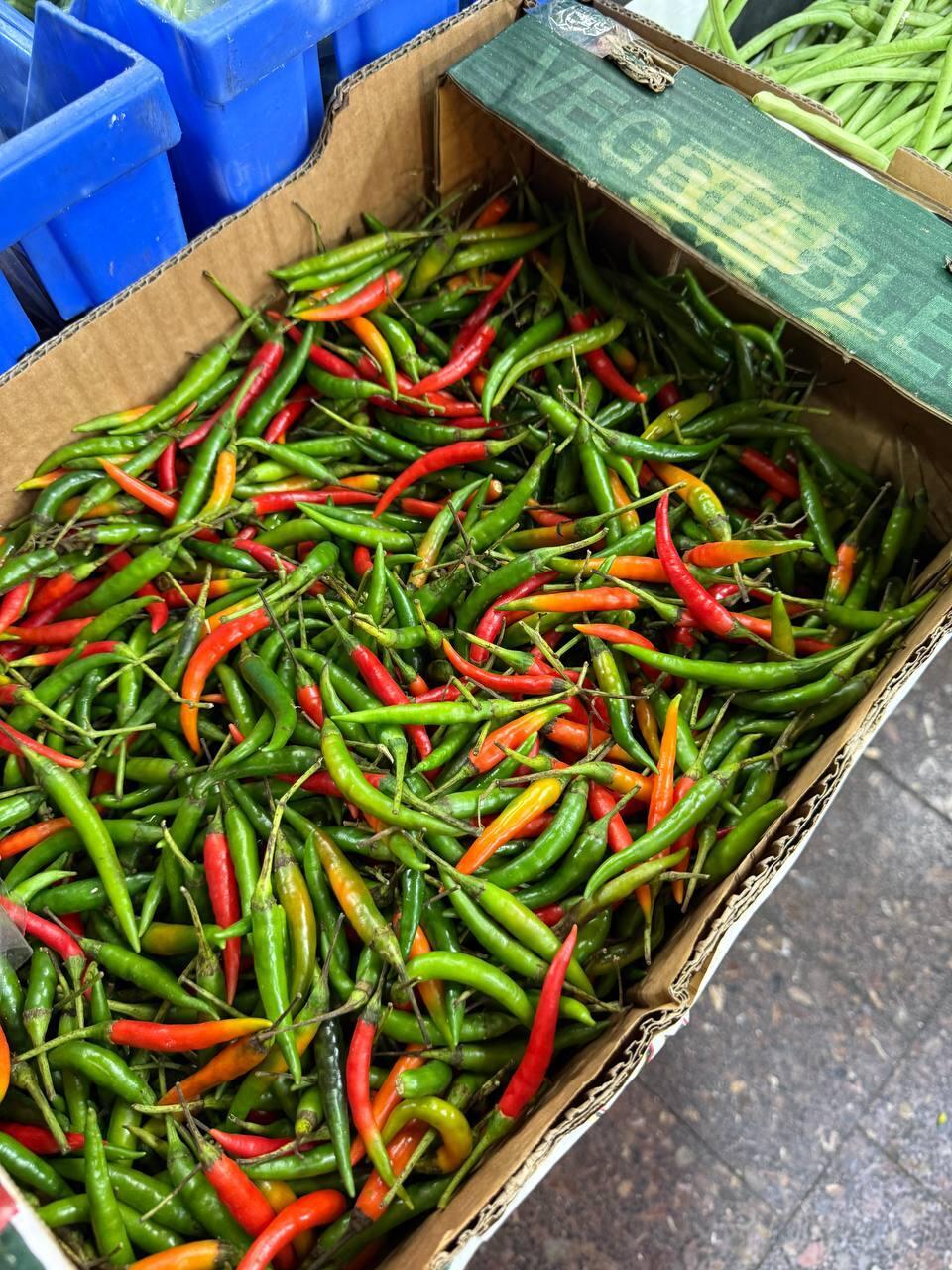
The overall vibe resembled a market in Bangkok, with a strong presence of immigrants from various countries. Inside the station, we continued exploring the supermarkets and specialty shops offering hard-to-find ingredients, from fresh produce like kaffir lime, ginger, Thai basil, morning glory and fresh chili peppers, to pantry staples such as soy sauce, curry pastes, fish sauce and chili sauces.
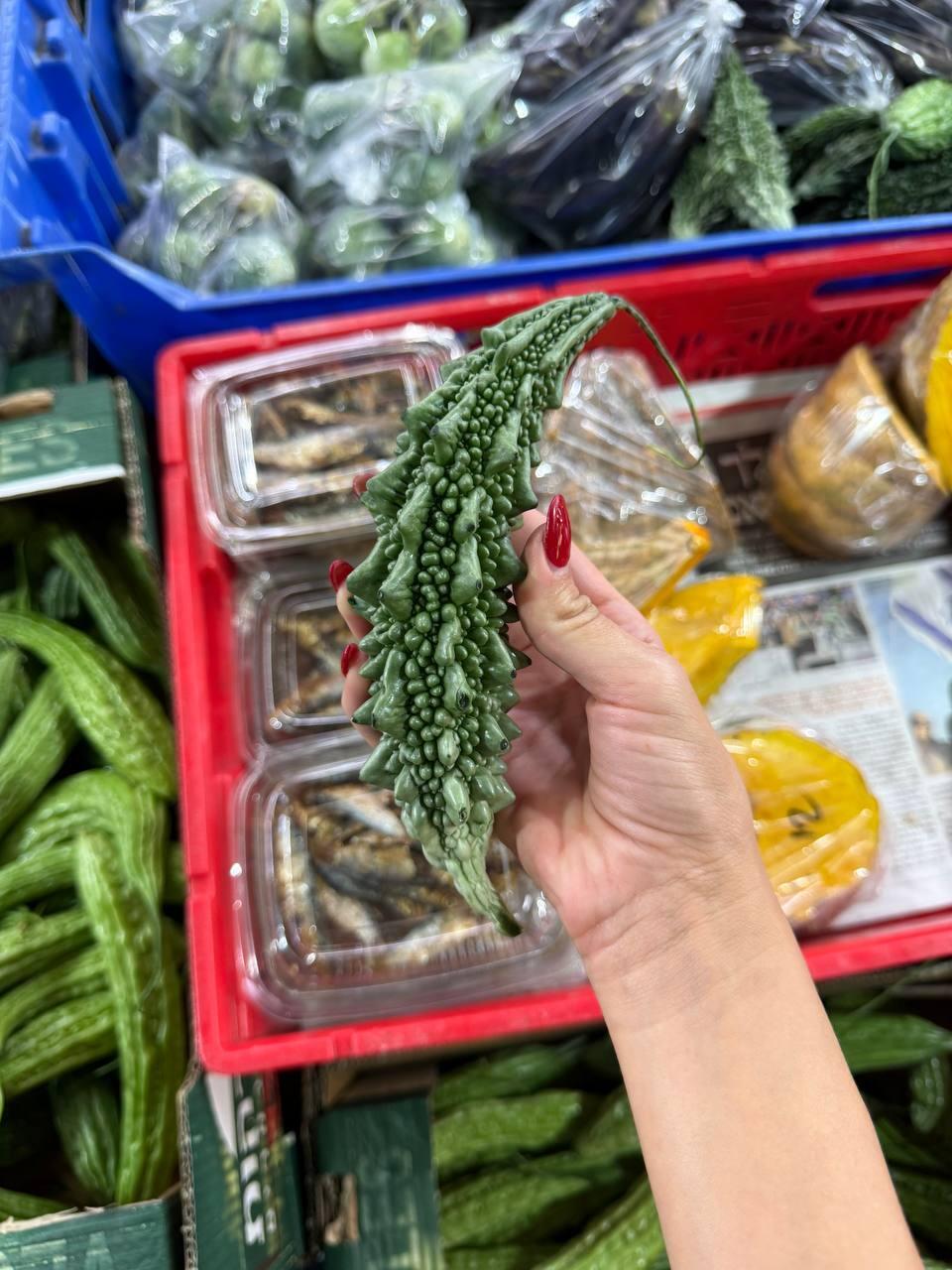
Hard-to-find ingredients
(Photo: Sapir Gordo)
The area is packed with refrigerators and freezers stocked with fish, seafood, spices, and Asian snacks and sweets, from mochi in various flavors to caramel corn snacks and chili-cheese pretzel bits.
New Central Bus Station, 3rd–4th floors | Friday from 12 p.m. until evening, Saturday from 3 p.m. until evening, limited weekday hours
First published: 18:00, 11.21.25