

Bread, leftover pizza, or bananas starting to brown but perfect for smoothies—the freezer can help reduce waste by preserving plenty of foods. But not everything is meant for deep chill. Some foods suffer in quality, losing texture, taste, and even nutritional value.
The issue isn’t safety. These foods won’t become dangerous to eat, but their texture will change, and their quality will drop. “Vitamins are damaged in freezing, minerals are not,” explained Meital Levi, a clinical dietitian at Leumit Health Services. She noted that foods with uneven textures are especially unsuitable for freezing.
Vegetables, for example, not only lose vitamins but also change texture due to their high water content. “If the texture is uniform, like blended soup or legumes, freezing isn’t a problem. But with rice, pasta, or dishes containing potatoes, the texture will be ruined,” she said.
Experts at the British consumer site Which? agree: “Most foods can be frozen as long as they’re still in date. However, some deteriorate in the process.”
So, what shouldn’t go into the freezer?
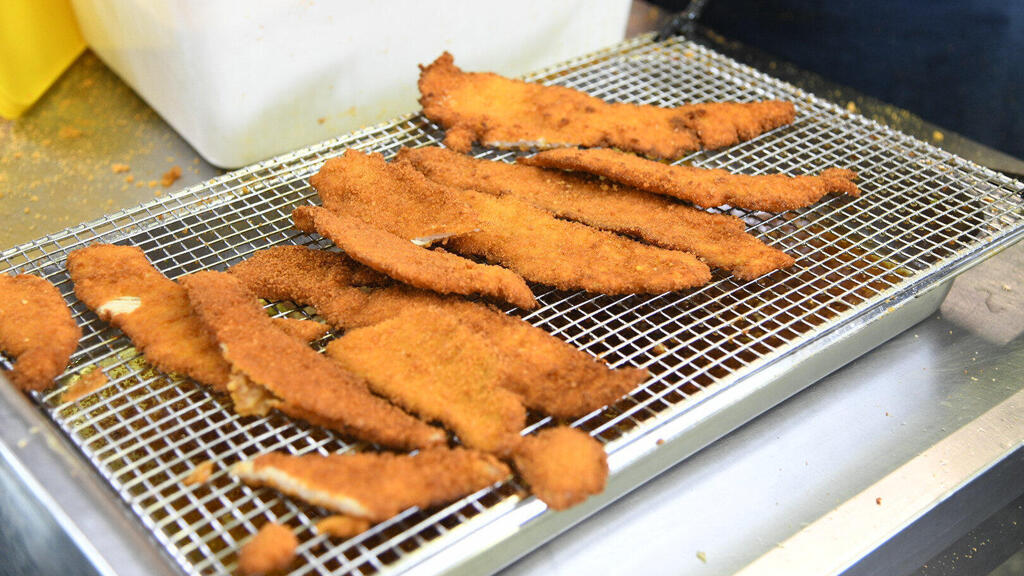
Fried food
Tempting as it is to freeze leftovers like fried chicken, schnitzel, or French fries, thawing will usually result in soggy food. Moisture and oil separation destroy the crispness. While store-bought frozen schnitzels are designed to withstand freezing, homemade versions are not.
Eggs
Freezing raw eggs is pointless—the liquid inside expands and cracks the shell, risking bacterial contamination. Cooked hard-boiled eggs also don’t fare well: the whites turn rubbery.
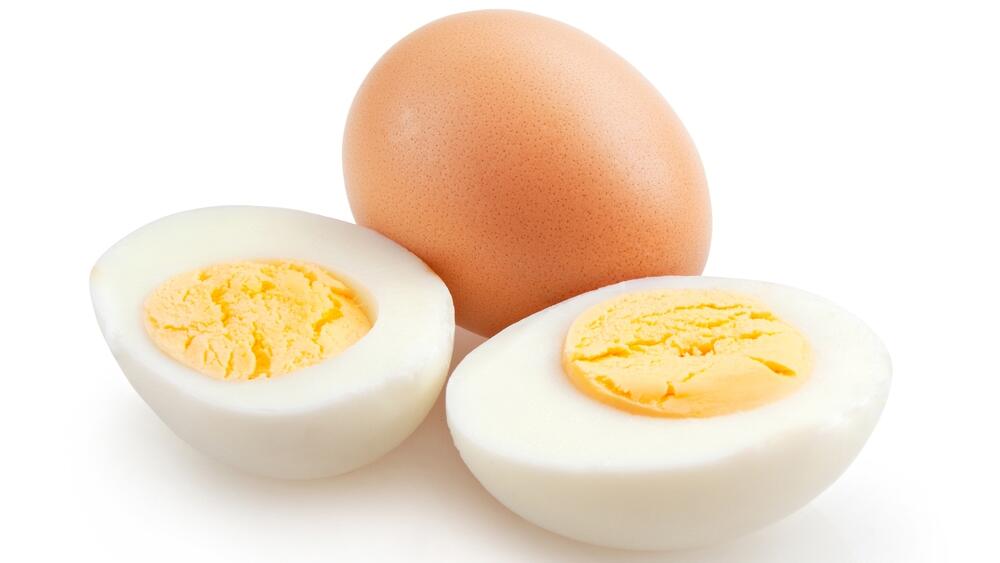
Eggs
(Photo: Shutterstock)
High-water vegetables
Vegetables with high water content, such as cucumbers or lettuce, turn mushy once thawed. Levi also recommends avoiding freezing starchy vegetables like potatoes and sweet potatoes. Blended soups freeze well, but stews containing potatoes lose their texture.
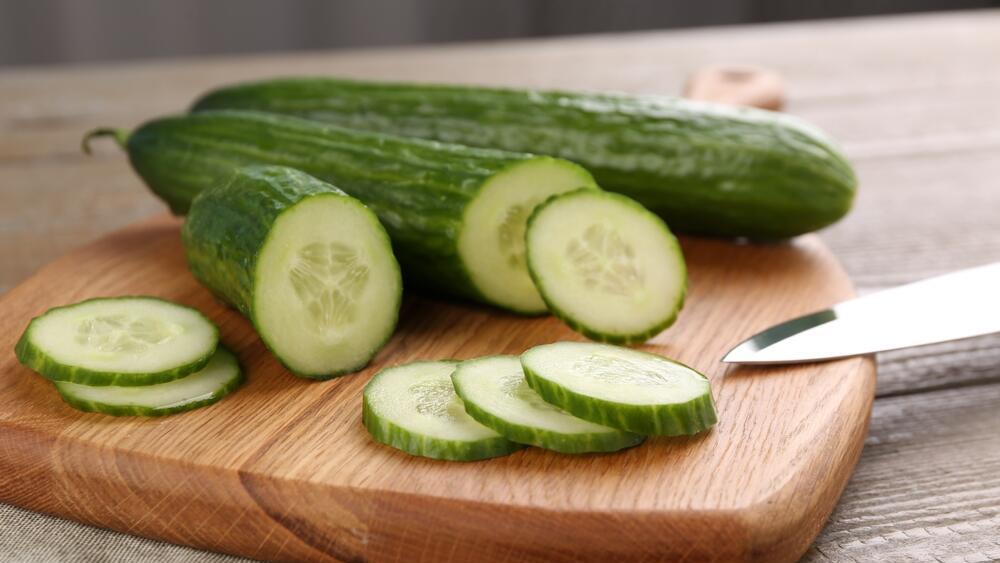
High-water vegetables
(Photo: Shutterstock)
Yogurt and cream
Yogurt can be frozen, but its texture separates into icy or watery layers after thawing—fine for smoothies, less so for everyday use. Cream behaves similarly, becoming grainy. While usable for cooking, thawed cream won’t whip properly.
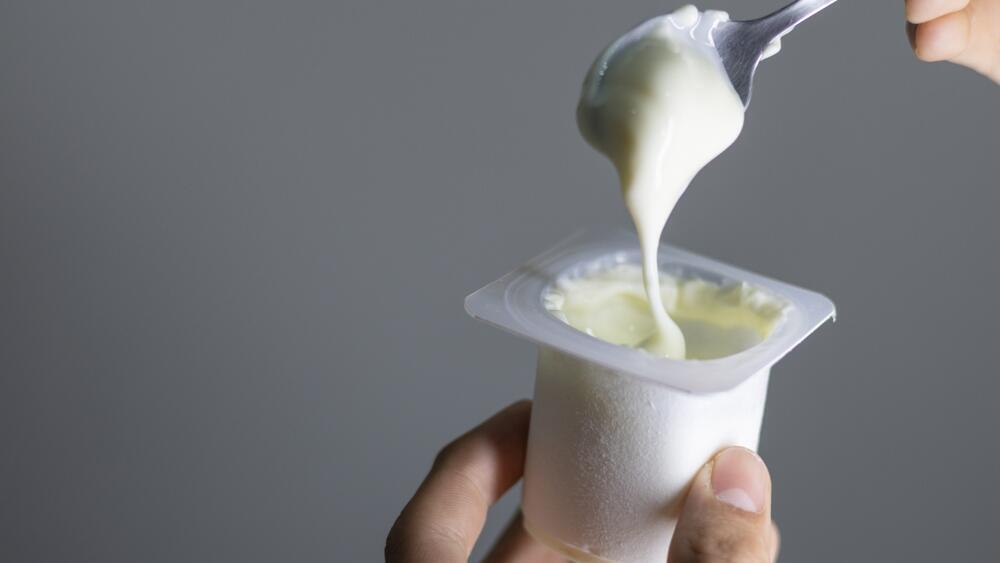
Yogurt and cream
(Photo: Shutterstock)
Soft cheese
Hard cheeses can be frozen for up to two months, but soft cheeses—such as cream cheese, feta, or cottage cheese—don’t survive freezing. They absorb water during thawing and turn runny. Cheese-based sauces, however, freeze well and may even improve in consistency.
The freezer may be a powerful tool for reducing food waste, but knowing what not to freeze can make the difference between saving dinner and ruining it.