

Chia seeds have become a symbol of healthy eating in recent years. They are added to morning yogurt, smoothies, desserts and recipes that promise to be both tasty and “cleaner.” But as often happens with nutrition trends, the tiny seeds have recently raised a bigger question: Can a food considered healthy become problematic when consumed in excess?
The debate began several weeks ago when Israeli influencer Miri Cohen, mother of Alin Cohen, posted a recipe for a “chia cake.” In the recipe, she mixed an entire cup of chia seeds with milk, gelatin, maple syrup and mango cubes, presenting the result as a healthy summer dessert. But it was precisely the amount of chia in the recipe that drew attention online.
Miri Cohen's 'chia cake'
In comments on the video, some users warned against excessive consumption of the seeds and claimed it could affect the digestive system. “This is a recipe that could be very dangerous for the stomach. It is irresponsible not to mention the permitted dose,” one commenter wrote. Another added: “I’m not sure you’re allowed to eat such quantities of chia. It can cause a real and dangerous blockage.” Alongside the more measured responses were sharper comments, including “Wow, this is so unhealthy” and “This is actually dangerous.”
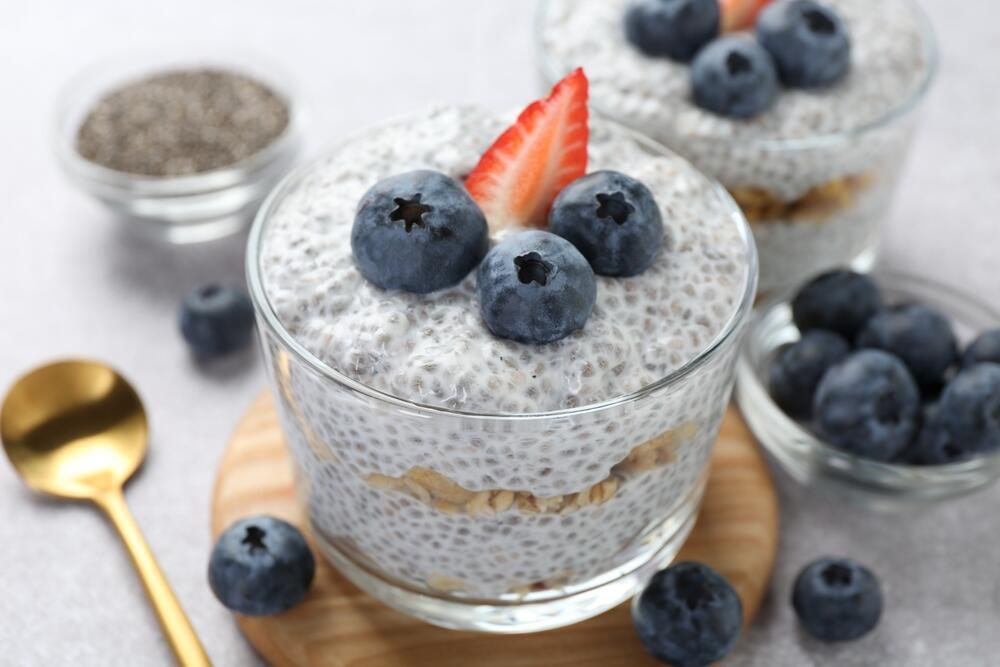
So are chia seeds really problematic? The concern about stomach bloating is not entirely unfounded. Chia seeds are very rich in dietary fiber, and when consumed in large quantities at once, especially by someone whose body is not used to it, they may cause bloating, gas, heaviness and abdominal discomfort.
On the other hand, that does not mean the dish is dangerous or that everyone who eats it will experience those symptoms. As with many nutrition trends, the issue is mainly quantity, personal habits and digestive sensitivity.
An ancient food revived
Although chia seeds have become Instagram and TikTok stars in recent years, they are an ancient food. They come from the Salvia hispanica plant and were used centuries ago by the Maya and Aztec peoples. Even the word “chia” in the Mayan language means “strength,” and warriors would eat the seeds in the belief that they provided energy and endurance over time.
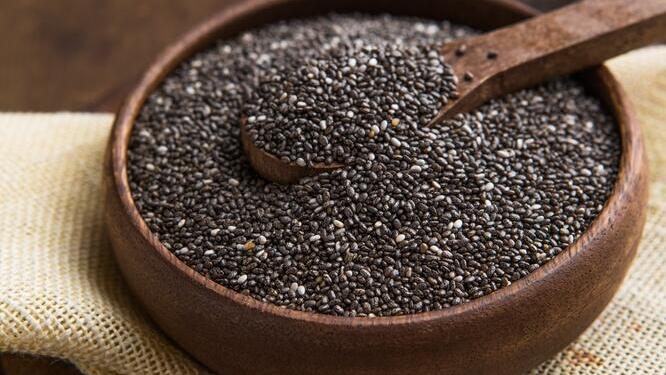
Chia seeds
(Photo: Sokor Space / shutterstock)
In recent years, chia has become one of the ingredients most closely associated with the wellness world. Videos of chia pudding, chia water and protein-rich smoothies have drawn millions of views on social media.
One reason for chia’s popularity is its wide functional use. When soaked in water, the seeds create a gelatinous texture that can be used as an egg substitute in vegan recipes. Their texture resembles tapioca, which has also made them a common base for desserts, alongside their strong nutritional profile.
Another major advantage is that chia seeds have almost no taste, making them easy to add to yogurt, smoothies, porridge, granola, salads, baked goods and homemade crackers.
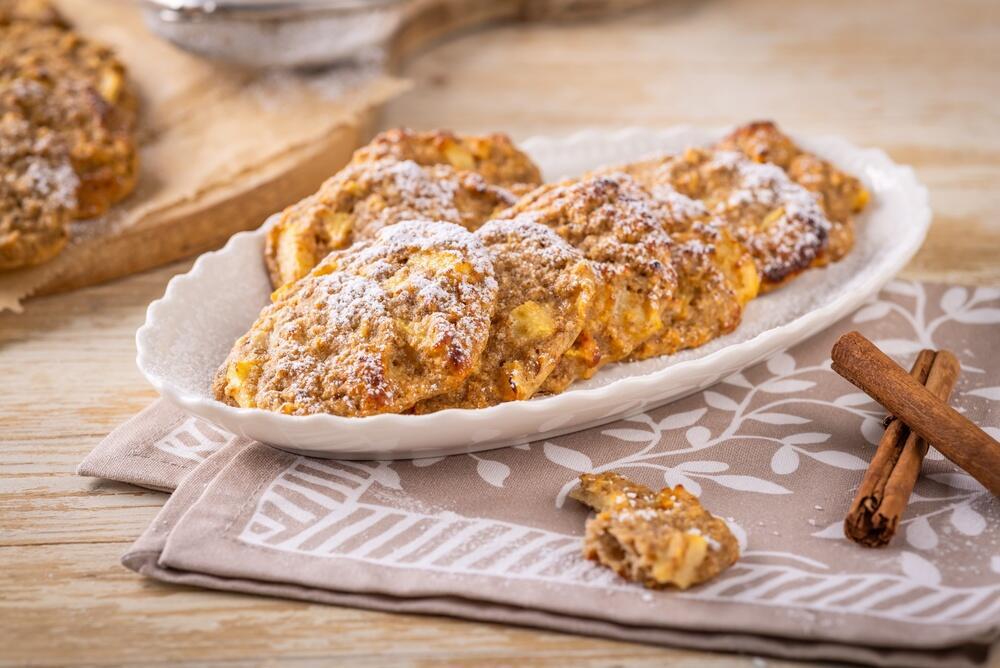
Pancakes with chia
(Photo: Ingrid Balabanova / shutterstock)
Their nutritional content is a key reason they became so popular. Chia seeds are rich in dietary fiber, protein, plant-based omega-3, antioxidants and minerals such as calcium and magnesium. Two tablespoons of chia seeds contain almost 10 grams of dietary fiber, close to one-third of the recommended daily intake for most adults.
Unlike flax seeds, chia seeds do not need to be ground before eating. Their outer shell is delicate enough for the body to digest them and absorb their nutrients even when they are whole.
Can chia cake really send someone to the ER?
After the viral video sparked debate about quantity, dosage and possible effects on the digestive system, dietitian, fitness trainer and television host Karen Ann Gaiman explained how chia seeds should be incorporated into a diet.
Should chia seeds be soaked before eating?
“Yes, it is recommended to soak them,” she says. “Soaking improves the availability of nutrients in the body and gives the seeds the desired texture. In addition, for some people, soaking may make digestion easier. If you choose to eat the seeds dry, it is best to do so in moderation and make sure to drink enough water.”
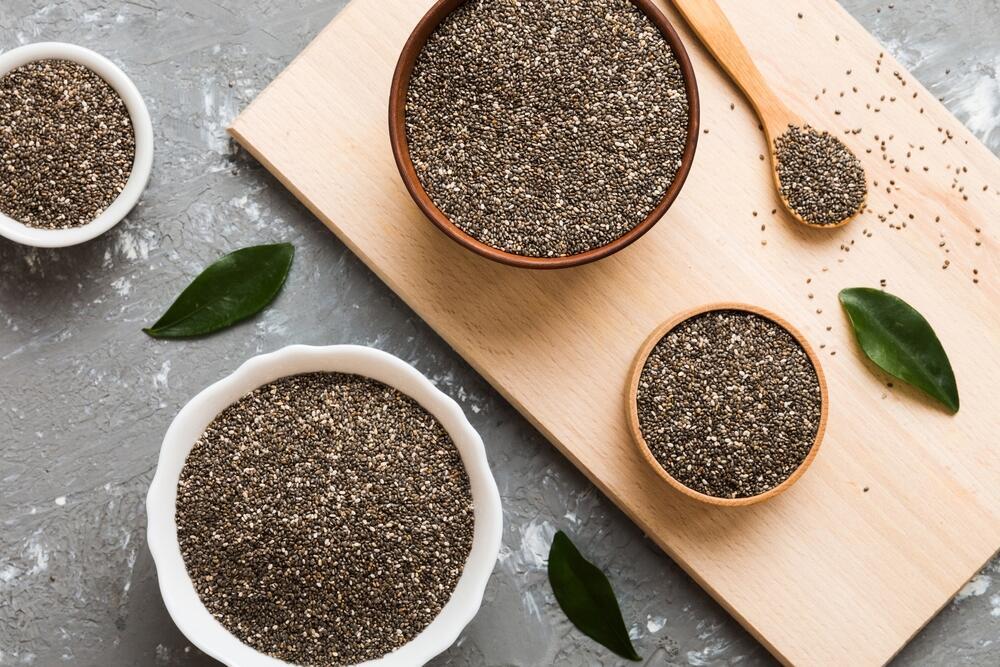
(Photo: SNeG17 / shutterstock)
Can chia seeds help with weight loss?
“Any food rich in dietary fiber contributes to a feeling of fullness, similar to a vegetable salad,” Gaiman says. “However, it is important to remember that chia contains quite a few calories, about 480 calories per 100 grams. It can be part of a range of fiber sources in the diet, but it is not a magic solution for satiety on its own, just as a carrot or apple is not. There is no evidence that chia seeds alone lead to weight loss. I also think the trend of combining chia with natural juice is less recommended, because it can lead to increased sugar consumption.”
What are chia seeds’ main nutritional benefits?
“They are an excellent source of dietary fiber, about 34 to 35 grams of fiber per 100 grams of seeds,” she says. “They also contain iron and some magnesium. The seeds are very popular because of their omega-3 fatty acids, but it is important to know that omega-3 from chia is absorbed by the body less efficiently than omega-3 from flax seeds. So the hype is justified mainly because of the fiber content, less because of the omega-3.”
What happens if they are consumed incorrectly?
“The main problems are usually related to excessive consumption or eating dry seeds without enough water,” Gaiman says. “In such cases, the seeds can cause severe constipation, bloating, stomach pain and, in rare cases, even intestinal blockage. Chia should be treated like any other high-fiber food, such as vegetables, fruit and whole grains. The quantity and method of consumption are what make the difference.”
Could the viral chia cake actually send someone to the emergency room?
“The more chia is soaked or ground, the lower the risk of intestinal blockage becomes,” she says. “In the cake and in most chia recipes, the seeds are soaked, so the chance of intestinal blockage is not high. In any case, you do not eat the whole cake at once, and one slice does not cause intestinal blockage that easily.”
How much chia is recommended per day?
“Unlike dietary supplements, there is no recommended daily dose for foods, and it varies from person to person,” Gaiman says. “Someone whose diet is already rich in fiber will need less chia, while someone who does not consume fiber at all can use it. For someone just starting to add chia to their diet, it is recommended to start with one teaspoon a day and see how the digestive system reacts. Later, the amount can be increased gradually, while making sure to drink enough water.”
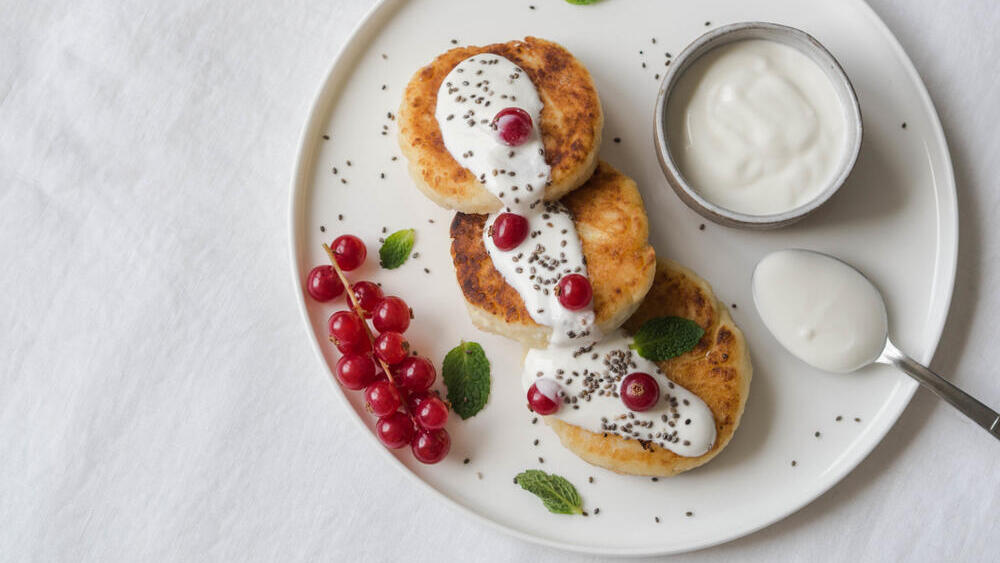
Cheese fritters with chia seeds
(Photo: Sentelia / shutterstock)
Are there people who should avoid chia or be especially careful?
“People with irritable bowel syndrome or digestive problems, such as constipation, should be sensitive to it,” she says. “That does not mean they must avoid chia completely, but it is recommended that they consult a dietitian to adjust the right amount for them.”
What is the most common mistake people make when adding chia to their diet?
“Overconsumption, and treating chia as a dietary supplement rather than as food,” Gaiman says. “When you remember that it is food in every sense, the frequency of consumption becomes more balanced and appropriate. It is also worth remembering that flax seeds are excellent too, and combining and varying them can provide the body with the fatty acids it needs.”
The bottom line: food, not a miracle supplement
Videos warning against chia seeds may sound frightening, but for most people, there is no reason to avoid them. They are a nutritious addition that can be easily included in the diet, as long as they are consumed in reasonable amounts, with enough water and, when possible, soaked in advance to make digestion easier.
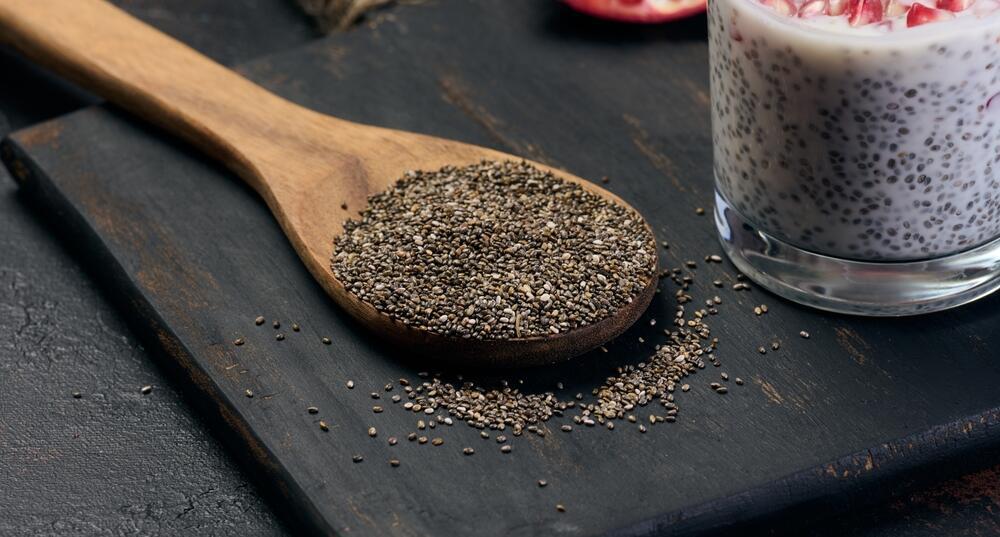
(Photo: NDanko / shutterstock)
Health institutions around the world emphasize the same point. Chia seeds are rich in fiber, protein, antioxidants and plant-based fatty acids, but they are not a magic solution. Harvard Health, from Harvard Medical School, notes that they can be easily added to foods as a nutritious ingredient, but should not be seen as a substitute for a varied and balanced diet. Cleveland Clinic, a leading academic medical center in the United States, also notes that excessive fiber consumption without sufficient fluid intake can cause digestive discomfort, including constipation, bloating and gas.
In other words, the problem is not chia itself, but how it is consumed. Like many nutrition trends, this is not a miracle food, but an ingredient that can be part of a balanced diet.