

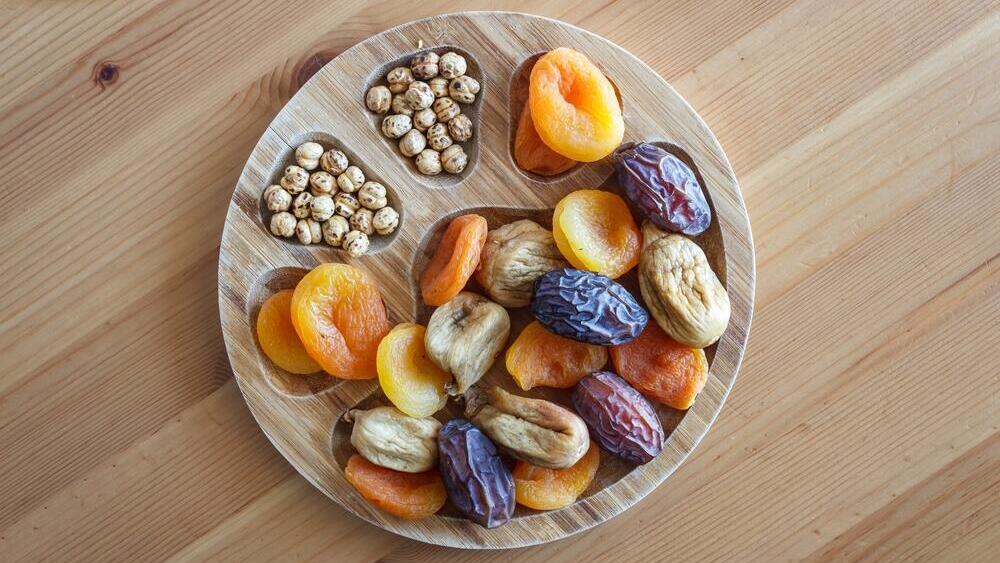
The bowl of dried fruit for Tu Bishvat, which takes place this year on Monday, looks like a celebration of nature and health: vibrant colors, sweet flavors and the scent of a holiday. But behind the innocent appearance there is often a high concentration of sugar, calories and additives, turning some dried fruits from close relatives of fresh fruit into cousins of candy. Drying fruit concentrates its fiber and minerals—but also its sugar. To enjoy the holiday without “metabolic surprises,” it helps to know what’s really in every small, sweet bite.
How are dried fruits ranked?
To determine which dried fruits are truly healthier, the ranking is based on several key criteria:
- Amount and quality of dietary fiber
- Antioxidant and polyphenol content
- Impact on blood sugar levels
- Contribution to heart and metabolic health
- Degree of processing, including added sugar and preservatives
Ranking the dried fruits
1. Dried prunes
Rich in fiber (7 grams per 100 grams), supports bowel activity, and contains antioxidants (polyphenols), potassium and vitamin K.
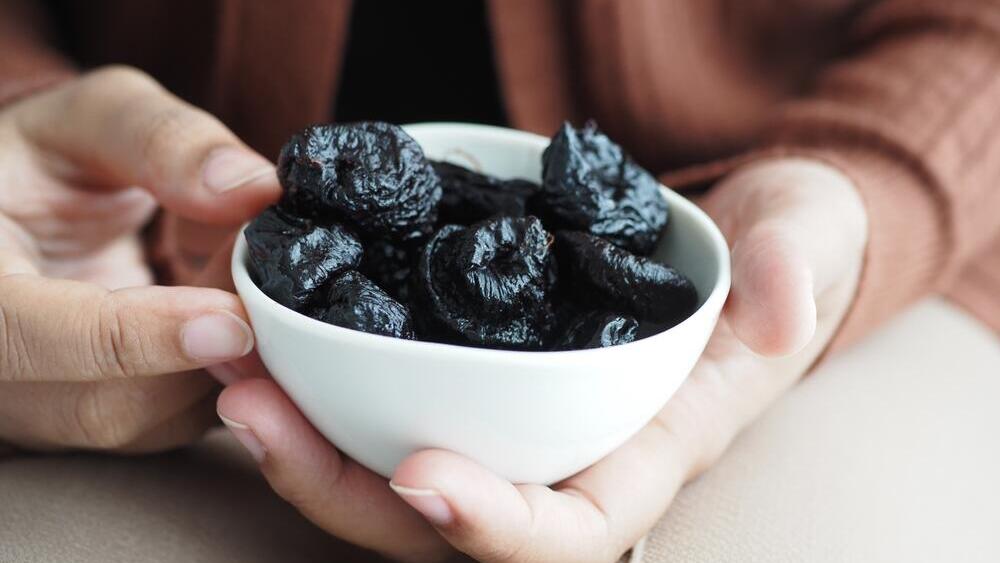
Dried prunes
(Photo: Shutterstock)
Proven benefits: Improve digestion, promote regular bowel movements, and contribute to bone health.
2. Dried apricots
High in dietary fiber (about 7 grams per 100 grams), potassium, vitamin A and iron.
Proven benefits: Support digestion, blood pressure regulation, vision and skin health; a good source of antioxidants.
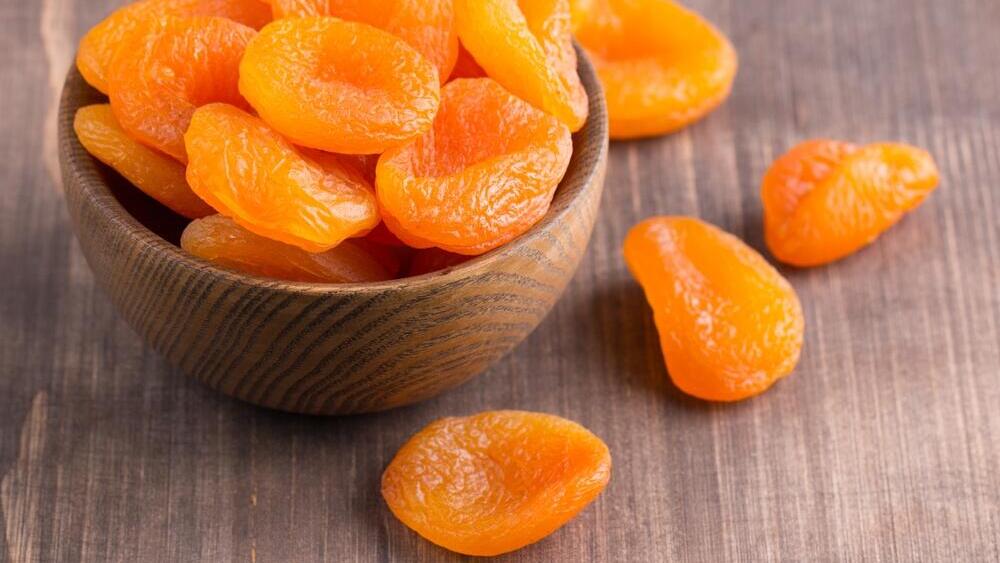
Dried apircots
(Photo: Shutterstock)
3. Dates
A natural “energy bomb.” Contains magnesium- which supports muscle function, and potassium. Excellent for quick energy before physical activity. It’s important to remember they are high in sugar and should be eaten in moderation.
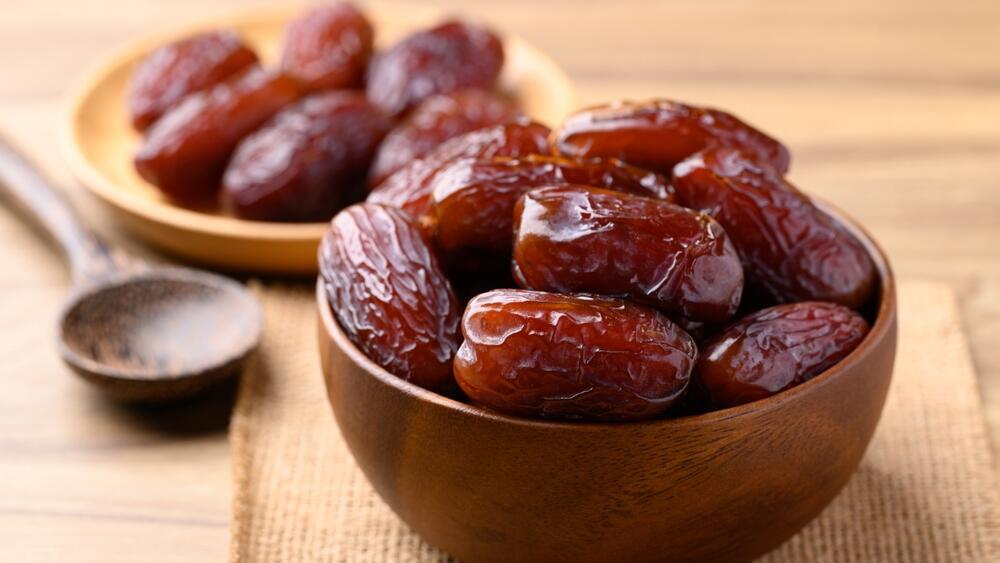
Dates
(Photo: Shutterstock)
4. Dried apples (no added sugar)
Contain pectin, a soluble fiber that promotes satiety and helps balance blood sugar. It’s important to choose a natural version without sweet coating. Dried apples are rich in dietary fiber (about 8.7 grams per 100 grams), potassium, iron and vitamins B and C.
Proven benefits: Support digestion and heart health.
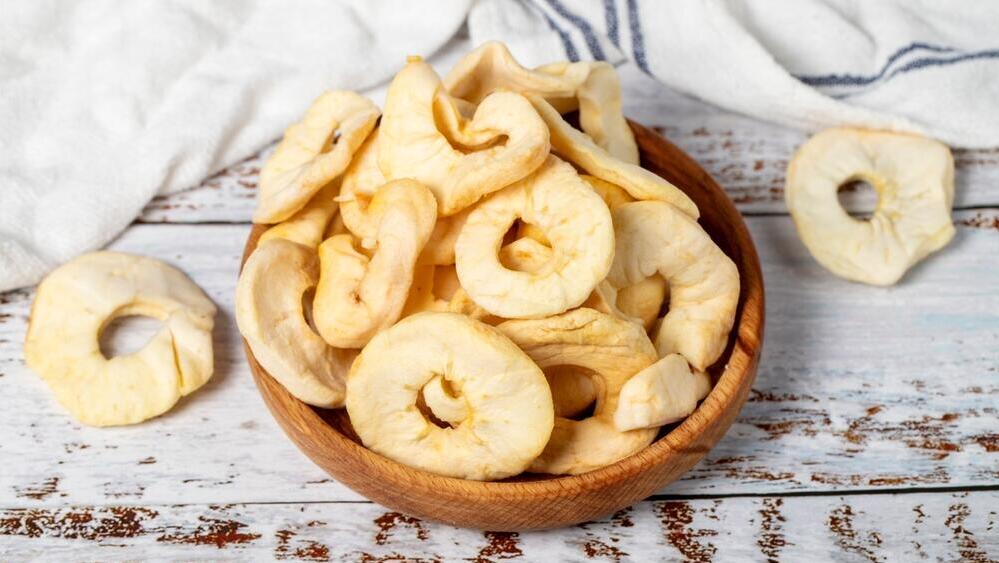
Dried apples
(Photo: Shutterstock)
5. Raisins
Convenient and common, containing fiber and antioxidants, but with a medium-to-high glycemic index, meaning they can raise blood sugar quickly.
Recommendation: Use in moderation, preferably mixed with nuts or as part of a meal.
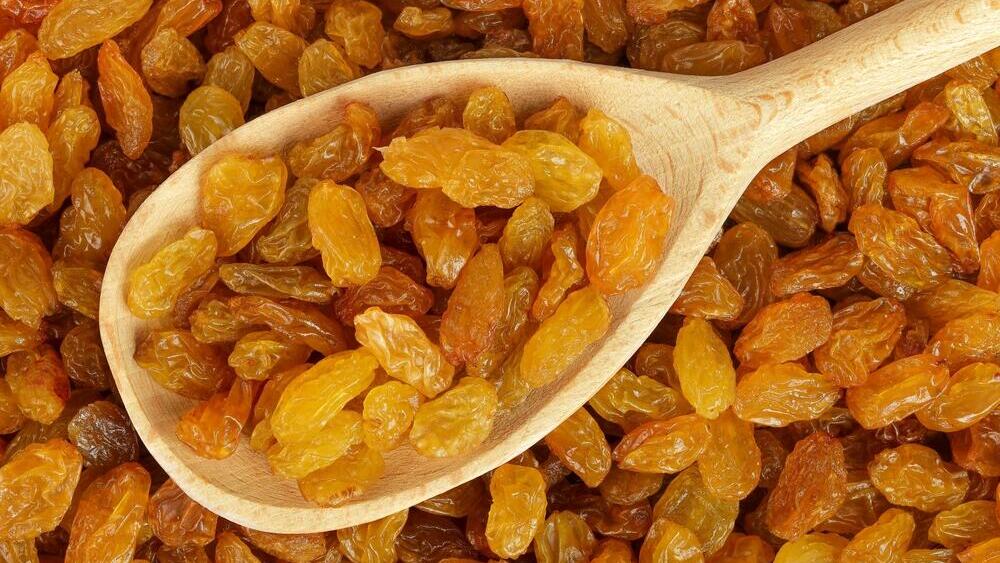
Raisins
(Photo: Shutterstock)
6. Dried figs
Rich in fiber (about 10 grams per 100 grams), calcium, potassium, magnesium and iron—but also high in natural sugar.
Proven benefits: Support digestion, bone health, blood pressure regulation and provide antioxidants. Best eaten with natural nuts to help balance sugar absorption.

Dried figs
(Photo: Shutterstock)
7. Dried mango, pineapple and exotic fruits
In most cases they contain added sugar or coatings, and often preservatives and food coloring. Nutritionally, they are closer to candy than fruit.
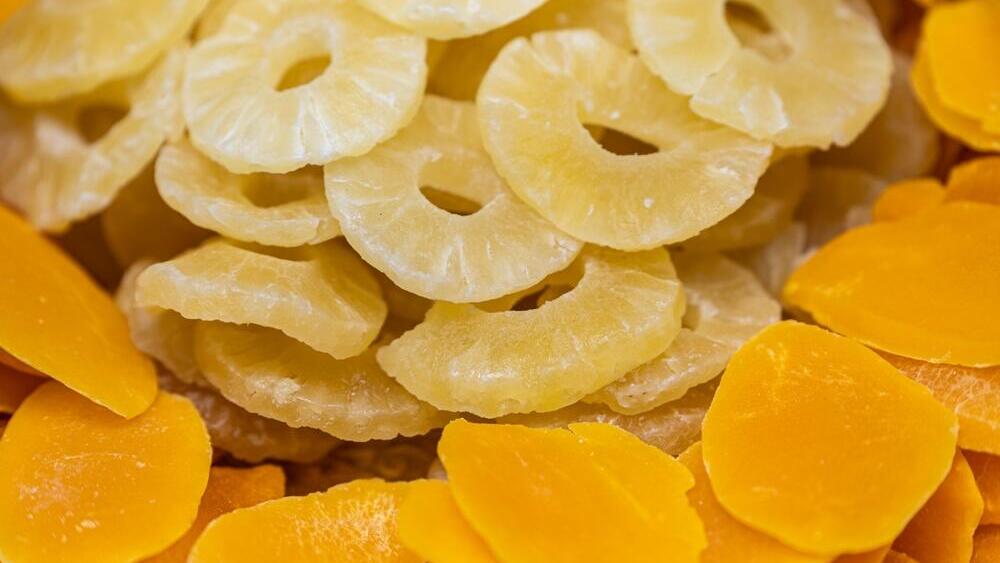
Dried mango and pineapple are equivalent to eating candy
(Photo: Shutterstock)
8. Banana chips
At this point, the product is essentially candy—high in sugar and often fat as well.
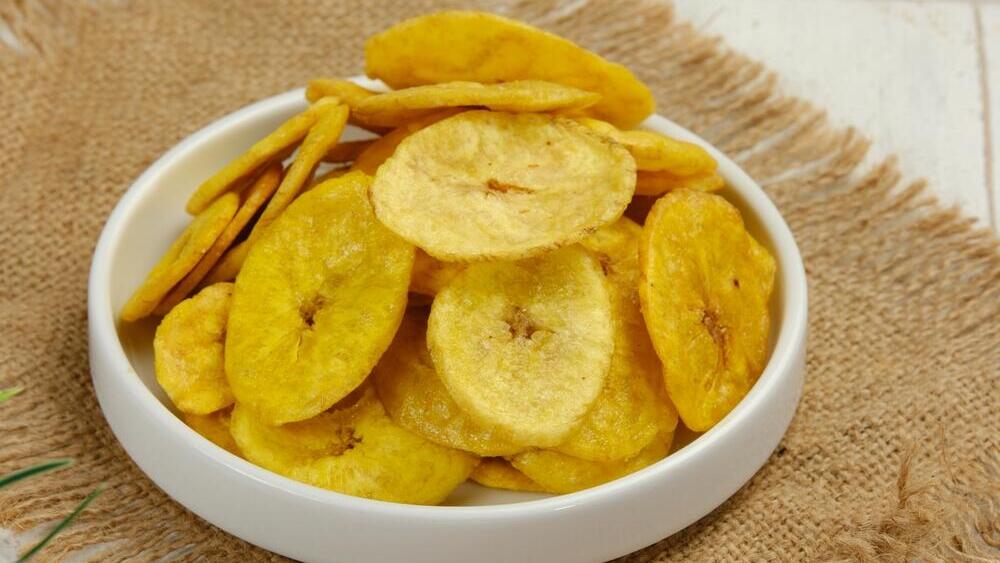
You might as well just call banana chips candy
(Photo: Shutterstock)
What does the research say?
Heart health, fiber and antioxidants
Dried fruits—especially prunes, apricots and apples—provide a high concentration of fiber and polyphenols that may contribute to cardiovascular health. Replacing processed snacks with dried fruit can improve overall diet quality.
Sugar and weight
When eaten in controlled portions, such as a substitute for a snack, dried fruits allow you to enjoy both taste and health benefits. But when added in large amounts to an already full diet, they can increase sugar and calorie intake and may contribute to slight weight gain.
Eating smart on Tu Bishvat
Watch the portion size: About 2–3 small pieces or 20–30 grams as the equivalent of one fruit serving—not an entire box in front of the TV.
Choose fruit, not 'candy': Prefer prunes, apricots, dried apples and raisins without added sugar, and limit sweetened mango or pineapple.
Read the ingredient list: Make sure there is no added sugar, glucose-fructose syrup or sugar coating. Ideally, choose products that contain only fruit, without preservatives.
Replace, don’t add: Use dried fruit as a substitute for processed snacks (candy, chips), for example as part of a mix with natural nuts and seeds, rather than as an extra dessert after a heavy meal.
Choose naturally colored fruit: Avoid overly bright colors. A less “perfect” appearance often indicates a more natural and healthier product.
Is it really natural?
Not all dried fruits are processed the same way. Some products are treated with preservatives and food coloring to improve appearance, color and shelf life—factors that can also affect nutritional value.
Apricots, pineapple and other light-colored fruits are sometimes treated with sulfur dioxide (E220–E228), which preserves a bright orange or yellow color and prevents browning.
In some products—especially mango, pineapple, papaya and banana chips—artificial coloring, sugar syrup or glucose-fructose syrup is added, and sometimes oils are used for coating.
It’s important to remember that not all dried fruits are truly “natural.” A vivid orange or bright yellow color may indicate the use of sulfur, food coloring or syrups. Reading ingredient lists and choosing simple products labeled “fruit only” can make a significant difference between a healthy snack and candy in disguise.
The author is a clinical dietitian, BSc, MPH.