

It looks pretty commercial, its taste is pleasant enough, but no one eats it for the flavor. In the case of a fortune cookie, it’s the note inside that matters most. Or as the man who makes every fortune cookie in Israel puts it: “I’m not selling a tasty cookie, I’m selling a piece of paper.”
A mix of mysticism and marketing
Before we get to the note, a clarification is in order: fortune cookies aren’t Chinese at all. True, we’re used to finding them at Chinese restaurants — or in movie scenes set in them — and their slips of paper often come with “lucky numbers” or a “Chinese word of the day.” But their origins lie not in the Far East.
Gallery
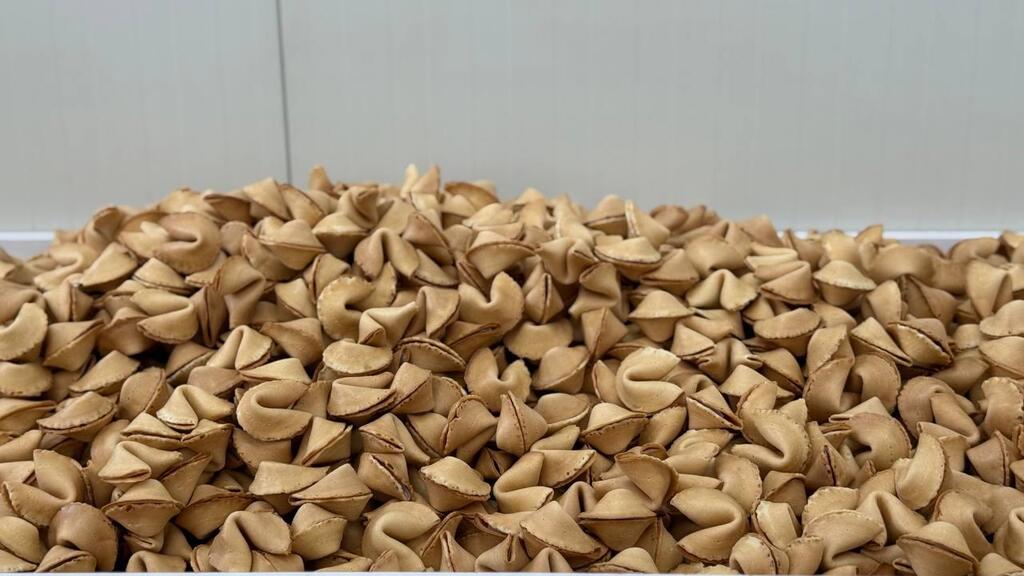
A pile of freshly made fortune cookies at Israel’s only fortune cookie factory, located in Kibbutz Dafna in northern Israel
(Photo: Sapir Gordo)
The fortune cookie is a Western invention — American, to be precise. It was created in the early 20th century in the United States, likely by Japanese immigrants in California who adapted a traditional tea ceremony cookie into an American version. The original was simple but included a personal message inside.
When Chinese immigrants in the U.S. later adopted the idea — especially during World War II — the cookie became a staple in Chinese-American restaurants. Over time, it evolved from dessert to cultural icon, blending mysticism, humor and marketing.
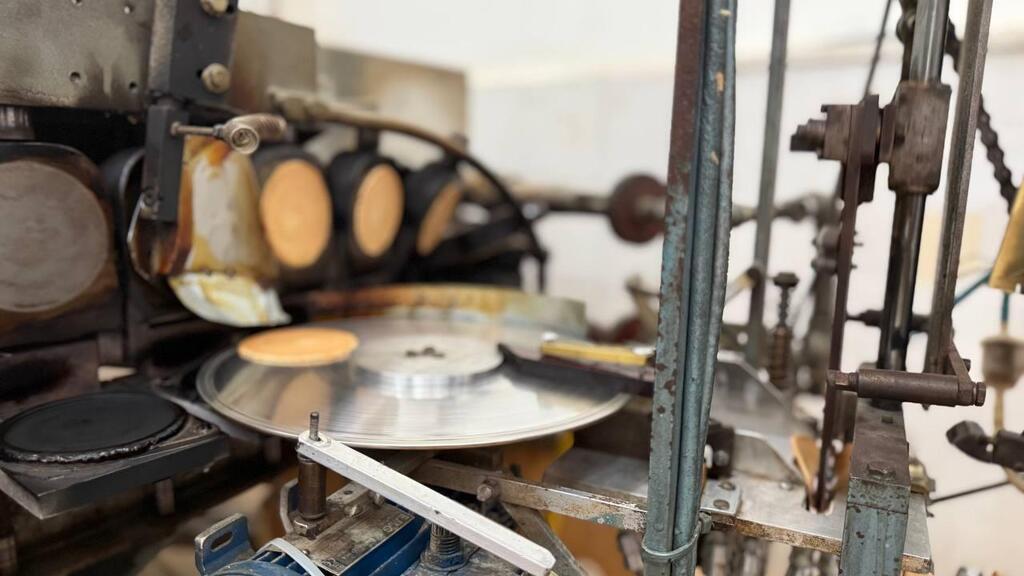
Today, fortune cookies are an industry. Around 3 billion cookies are produced worldwide each year, most of them in the United States. Once folded by hand, the cookies are now made mechanically: a thin batter of flour, sugar, vanilla and sesame oil is poured onto a rotating griddle, baked, folded around the fortune slip, cooled and packaged. Small factories still hand-fold cookies for custom orders.
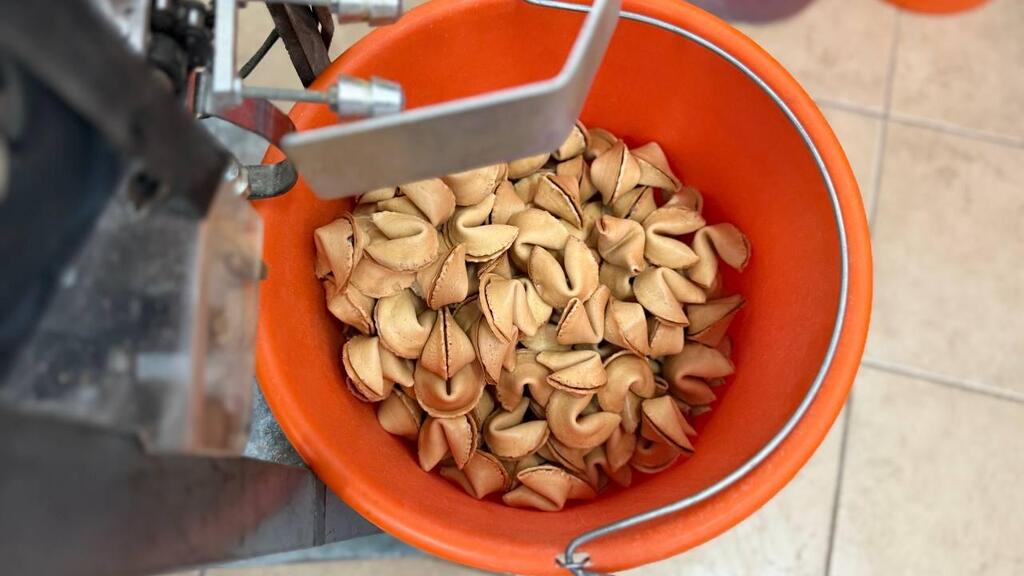
A bucket filled with fortune cookies fresh off the production line at Israel’s sole fortune cookie workshop in Kibbutz Dafna
(Photo: Sapir Gordo)
Hollywood helped cement the cookie’s fame through countless movie and TV cameos. China, however, wasn’t impressed. In 1992, an attempt to introduce fortune cookies there flopped — the Chinese simply dismissed them as “too American.”
Israeli fortune
In Israel, fortune cookies are also a familiar sight — not just as a post-meal surprise but as a branding and event gimmick. Businesses, tech companies, restaurants and private clients order personalized cookies with custom messages: greetings, inspirational quotes or branded taglines.
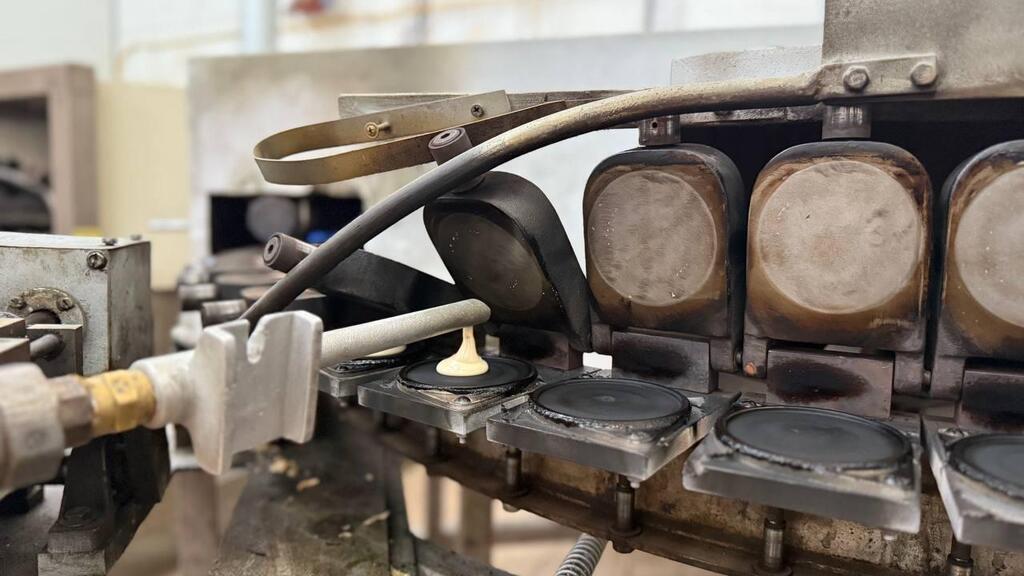
A machine at the Kibbutz Dafna factory pours and folds batter around printed notes to make fortune cookies
(Photo: Sapir Gordo)
(Photo: Sapir Gordo)
All of them are made in one small factory that’s been running for 25 years in Kibbutz Dafna, a single-room workshop where everything happens. Inside sits one old but faithful machine that mixes the batter, inserts the notes, folds the cookies and keeps going non-stop. Next to it, one worker ensures the process runs smoothly and refills the fortune slips.
The man behind it all is Peretz Amshi, a food engineer who revived the operation after a failed attempt to import fortune cookies from the U.S.
“The factory started about 30 years ago,” he recalls. “As far as I know, a few guys from Raanana brought the business from America, went bankrupt and dumped the equipment. Someone else picked it up and tried to restart it, but things didn’t go well for him either. When I came and saw it, it was love at first sight.”
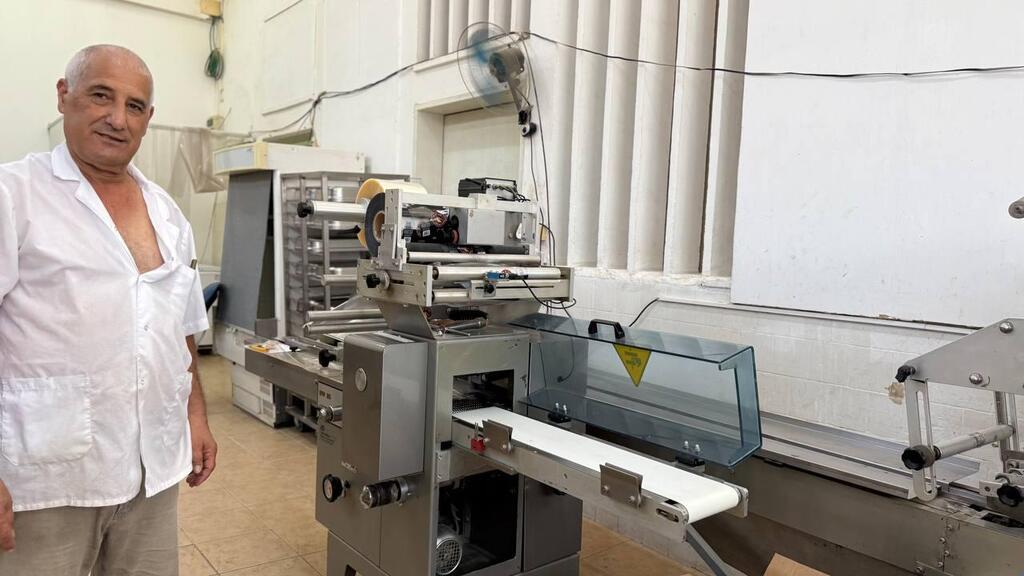
Peretz Amshi
(Photo: Sapir Gordo)
Since then, it’s been just him and the machine.
So how does production work?
“All the ingredients go into a fast mixer — it’s a liquid batter, no rising. Once it’s ready, it goes into the machine and then the oven. The cookie bakes, comes out like a round pancake, and the robot folds it around the note."
The machine produces about 6,500 cookies a day, most of them custom orders. Clients can even request different colors. “We sell to everyone,” Amshi says. “Private people, grocery stores, companies, government offices — all kinds.”
Who writes the fortunes?
“When I bought the factory, there were about 300 messages. Today I have around 1,200, because every year I add about 60 new ones. Usually, I write them myself, sometimes with help from my worker or ideas I find in books or hear from people.”
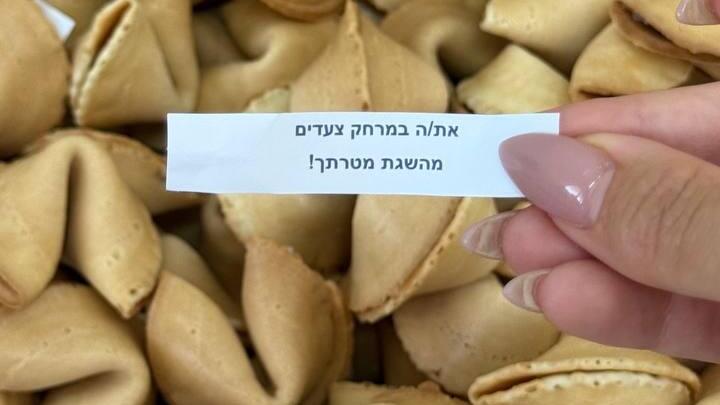
A fortune cookie containing a note that reads 'You’re a few steps away from your goal,' at Israel’s only fortune cookie factory in Kibbutz Dafna
(Photo: Sapir Gordo)
There’s a fixed catalog of sayings, but most of the work comes from custom orders. “The standard fortunes are mine, but many clients send their own messages — whatever they choose is what goes inside.”
Ever had a funny or bizarre request?
“The strangest one was a guy who wanted to propose. He came here with a diamond ring, and I sealed it inside the cookie.”
And touching stories?
“People tell me all the time the fortunes hit home. Once, a man gave his girlfriend a proposal cookie at a restaurant. After dinner, the owner brought them two regular cookies — and inside one was a message saying they’d get married soon.”
Have you ever thought of creating a more “Israeli” version, with local humor or slang?
“No, my messages aren’t slang or jokes. They’re based on wisdom and luck — things about what’s to come.”
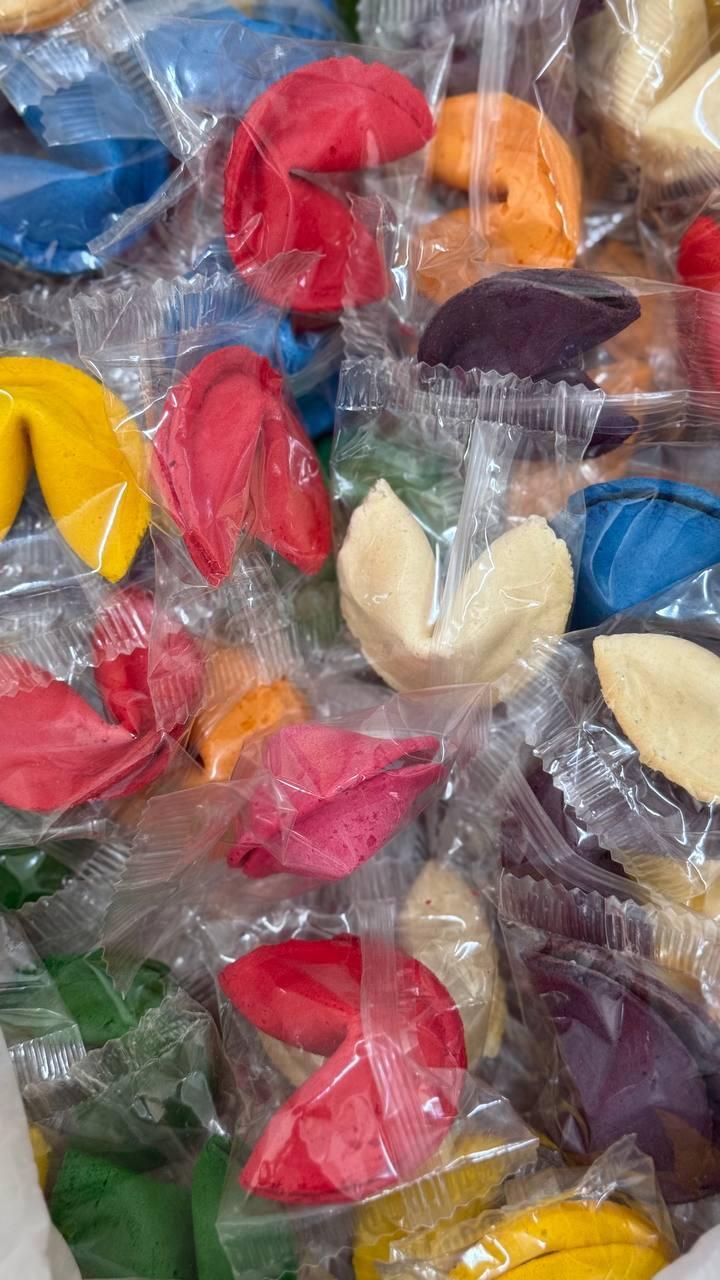
Colorful, custom-made fortune cookies produced at the Kibbutz Dafna factory, available in various shades for events and branding orders
(Photo: Sapir Gordo)
Social media, he says, hasn’t really changed demand. “People buy them for all kinds of reasons — gifts, events, marketing or just because they like the cookie and the note. There’s no single trend driving it.”
As for taste, Amshi swears they’re delicious but keeps his distance. “The cookies are really tasty. I just don’t eat them, because once you start, it’s hard to stop. But again, I’m not selling a tasty cookie, I’m selling a piece of paper.”
For him, it’s more than a business — it’s joy. “I come to work with love. I love fortune cookies, and I’ll keep making them for as long as I can.”