

They are not a trend. Lentils have been with us since biblical times, yet every so often we rediscover just how healthy they are.
“Legumes, led by lentils, haven’t had their final word yet,” says Fanta Prada, the owner of Tel Aviv's Balinjera restaurant. “This is food that’s available, accessible and affordable, straight from nature. You can elevate it and make it part of daily life. You don’t have to buy meat or special fish. For 14 or 15 shekels a kilogram, you can sprout them, make a salad, a stew or even bread. Lentils are an excellent staple that belongs in every home.”
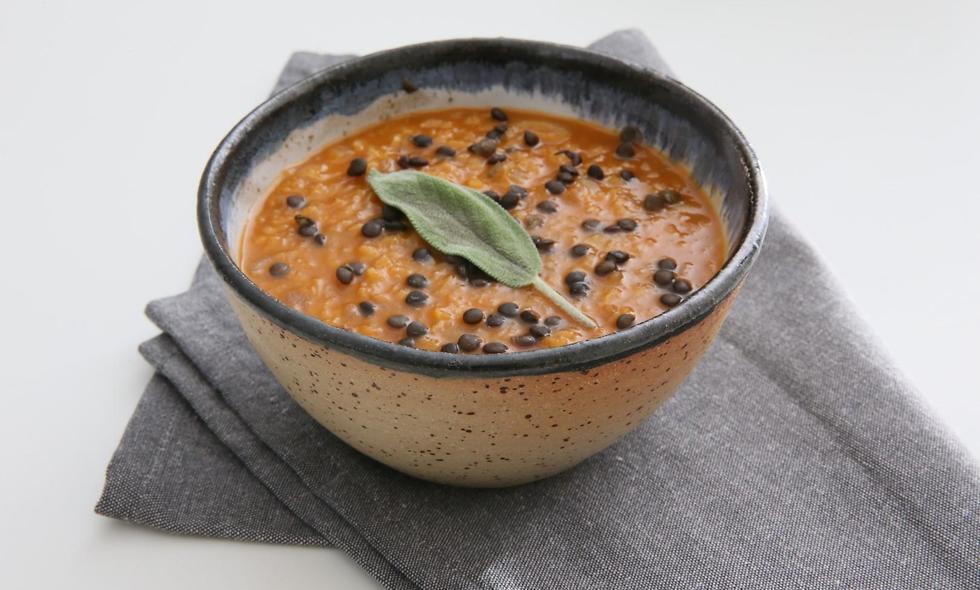
Nutrition experts place legumes, especially lentils, at the top, ahead of longtime “superfoods” such as broccoli, walnuts and eggs. The reason is the winning combination of plant-based protein, high dietary fiber and a long list of vitamins and minerals. So what should you do with them?
The lineup: types of lentils
Not all lentils are created equal. To avoid ending up with a soup that turns into mush, or the opposite, here is a quick guide:
Red and orange lentils
For quick meals and soup lovers, these are the “Ferrari” of lentils. They cook very quickly, soften easily and tend to break down, making them ideal for thick soups and stews such as Indian dal.
Important to know: they cannot be sprouted because they are usually sold split.
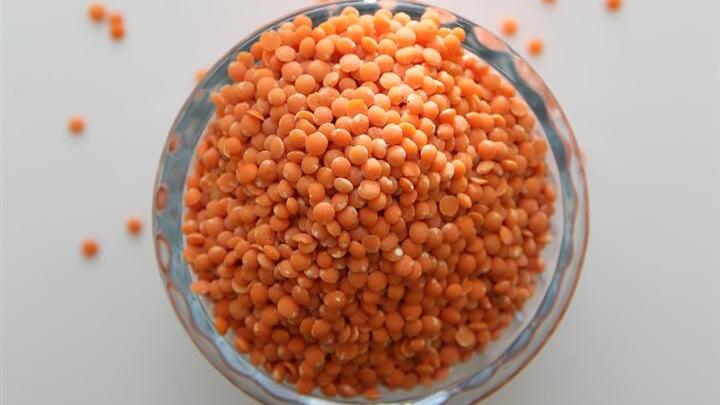
(Photo: Yaron Brener)
Green and brown lentils
The kitchen’s all-around players. They hold their shape much better than red lentils and work well in traditional mujaddara, hearty stews and salads that need texture.
Bonus: They are the easiest to sprout. A short sprouting process makes them easier to digest and boosts their nutritional value.
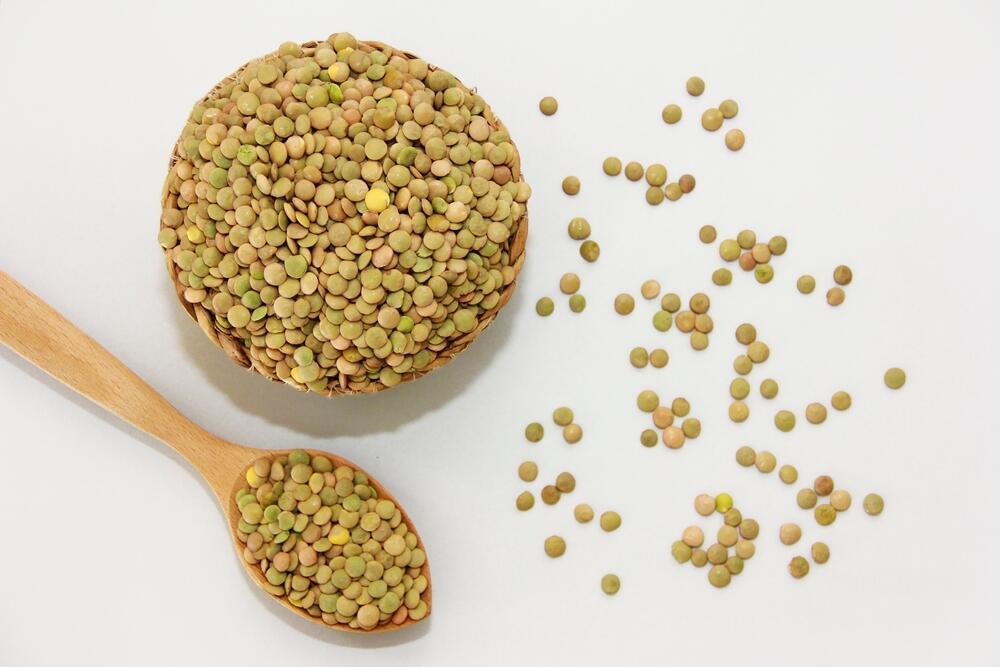
(Photo: Mari Franz, shutterstock)
Black (beluga) lentils
Small, dark and shiny, named after caviar. They keep their shape beautifully and look great on the plate. Best for composed salads with plenty of greens or as an elegant side dish.
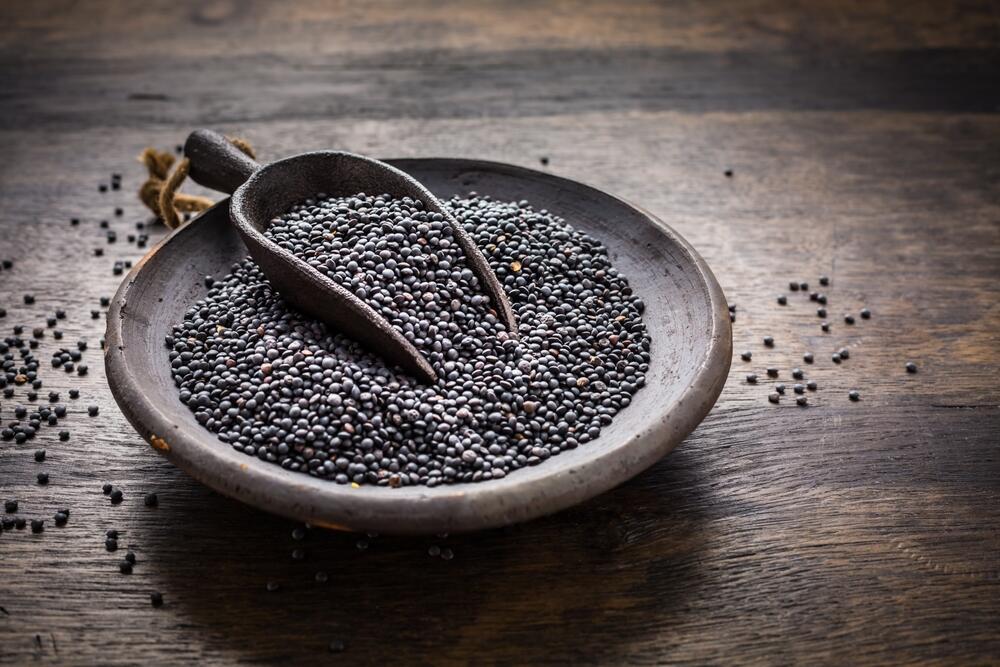
(Photo: Ingrid Balabanova, shutterstock)
Don’t skip the soak
Prada, whose Ethiopian-inspired restaurant relies heavily on lentils, emphasizes preparation. “Ethiopian cuisine is very diverse, and legumes are one of its richest areas,” she says. “People sometimes ask if it’s ‘poor food.’ To me, rich food is food that nourishes, balances blood sugar and keeps you full, and that’s exactly what lentils do. They are satisfying and nutrient-dense. They are a great solution for vegans and an excellent source of protein.
“I use at least three types of lentils. Red lentils are part of the authentic cuisine, tied to my mother’s cooking, and I season them with a spice blend called berbere. I sprout green lentils to increase their nutritional value and season them lightly with ginger, cardamom and cloves. Black lentils are not traditional in Ethiopian cooking, but because of their benefits, I give them an important place.”

Lentil dishes at Balinjera
(Photo: Sapir Gordo)
What lentil dishes stand out most on your menu?
“Almost every dish, even meat dishes, is served with mesir, an aromatic red lentil stew. For those who do not like spicy food, green lentils are milder and more universally appealing. For maximum health benefits and an energy boost, don’t skip soaking. Soak green lentils for about 24 hours and let them sprout slightly. I also avoid overloading dishes with spices so they appeal to a wide range of tastes.”
What is the biggest mistake people make with lentils?
“The main mistake is not sprouting them. It’s a shame, because you can sprout almost anything except red lentils. Even those I still soak. Skipping an overnight soak can lead to discomfort and bloating instead of the health benefits. Lentils are one of the easiest, most accessible foods to prepare, and they are very affordable. You can buy good health for very little money.”
One tip everyone should adopt?
“Don’t overdo it. Lentils are a complete, filling meal. Learn to eat them properly, not alongside every carbohydrate. I recommend injera as a base, which is easier on the digestive system.”
How to sprout lentils
Soak: Place green or brown lentils in water for 4 to 8 hours.
Drain and rinse: Transfer to a covered strainer and rinse every few hours until a small sprout (“tail”) appears.
Use or cook: Sprouted lentils cook very quickly, about 5 to 10 minutes, or can be added raw directly to salads without cooking.
Tip: add red pepper
“The advantage of lentils is the combination of protein and carbohydrates,” says Shira Solo, a clinical dietitian and lecturer at Levinsky-Wingate Academic Center. “Unlike rice or pasta, which are mostly carbohydrates, lentils provide a meaningful amount of protein, making them a good option for vegetarians or anyone looking to enrich their diet.
“They also contain iron, which is important for oxygen transport in the body, and calcium, which helps build bone mass in youth and maintain bone density later in life. Lentils are also rich in fiber, which supports digestion and helps create a feeling of fullness, as well as additional vitamins and minerals.”
Are there nutritional differences between lentil types?
“The differences are not significant, so it’s best to vary them. The different colors reflect pigments that help protect the body from oxidative damage. The more variety you eat, the more of these compounds you get.”
Solo also stresses soaking and sprouting. “The main difference between types is digestion. Red lentils cook faster and usually cause fewer issues like bloating and gas. To reduce these effects, soak lentils for a few hours or overnight, discard the water and cook them in fresh water. Sprouting is another option. It makes vitamins and minerals more bioavailable and improves overall nutritional value by beginning the breakdown process, which helps the body absorb nutrients.”
What food combinations improve mineral absorption?
“The iron in lentils is plant-based, so adding vitamin C helps absorption. For example, dress a lentil salad with lemon juice, or add tomatoes or red peppers, which are rich in vitamin C. This improves iron absorption and also helps with calcium uptake.”
Can lentils fully replace meat as a source of protein and iron?
“A cup of cooked lentils has about 15 grams of protein, while 100 grams of chicken breast has nearly 30 grams. So you need a larger portion of lentils to match it. Lentils also do not contain vitamin B12, which is found only in animal products. In terms of protein quality, lentils are not a complete protein because they lack certain amino acids. However, when combined with grains such as rice, bulgur or quinoa, they form a complete protein. The body can combine these amino acids even if they are eaten at different times during the day.”
Is it possible to eat too many lentils?
“Like anything, moderation matters. Lentils should be part of a balanced, varied diet, not the only component.
“People do not always think of lentils first, but they are very easy to prepare and incorporate into meals. In winter they work well in soups, and black lentils are great in salads because of their firm texture. You can also use them in patties or buy partially cooked frozen products to save time. It is important to include lentils in your weekly routine and introduce them to children early so the habit sticks. Beyond their nutritional value and ability to satisfy hunger, lentils are inexpensive and environmentally friendly to grow.”