

Perfect tahini is within everyone’s reach. The secret lies in balancing flavor and achieving the right texture. Prefer your tahini on the tangy side? Add more lemon. Like it thick? Use less water. Making it to serve right away? Add garlic. But one thing you should never do: add black pepper.
Here are five simple guidelines that will lead you to perfect tahini, along with recommendations, tips and next-level upgrades from Chef Rafi Cohen.
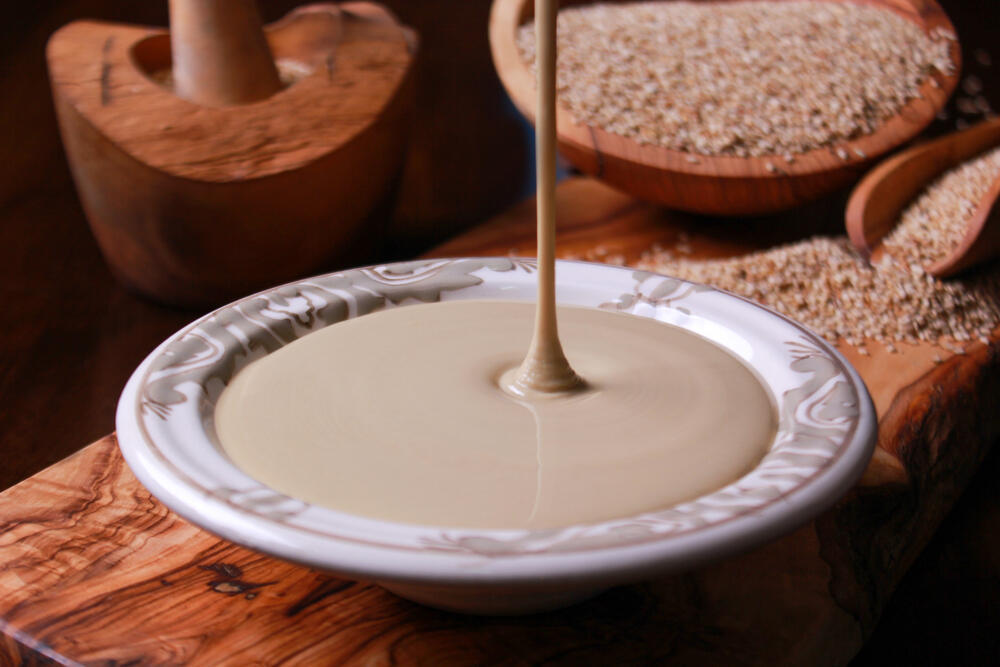
Always use very cold water
Tahini is rich in fat, and cold water—ideally ice water—helps stabilize it, enhances the flavors and gives it a brighter appearance. Cohen even suggests throwing a few ice cubes directly into the mix.
For an airier texture, he recommends trying soda water instead of regular water. (Like the result? Let us know in the comments.)

(Photo: Shutterstock)
Don’t skimp on salt or lemon
Tahini should be salty. Holding back on salt can leave it bland. If you like it tangy, you can’t cut corners on lemon juice either—squeeze generously.
One extra tip: after juicing, scrape out the remaining lemon pulp with a butter knife or spoon and mix it in. It adds subtle texture and bursts of citrus flavor.
Quality counts here too: in winter, go for homegrown baladi lemons; when in season, lime is a great way to boost flavor.
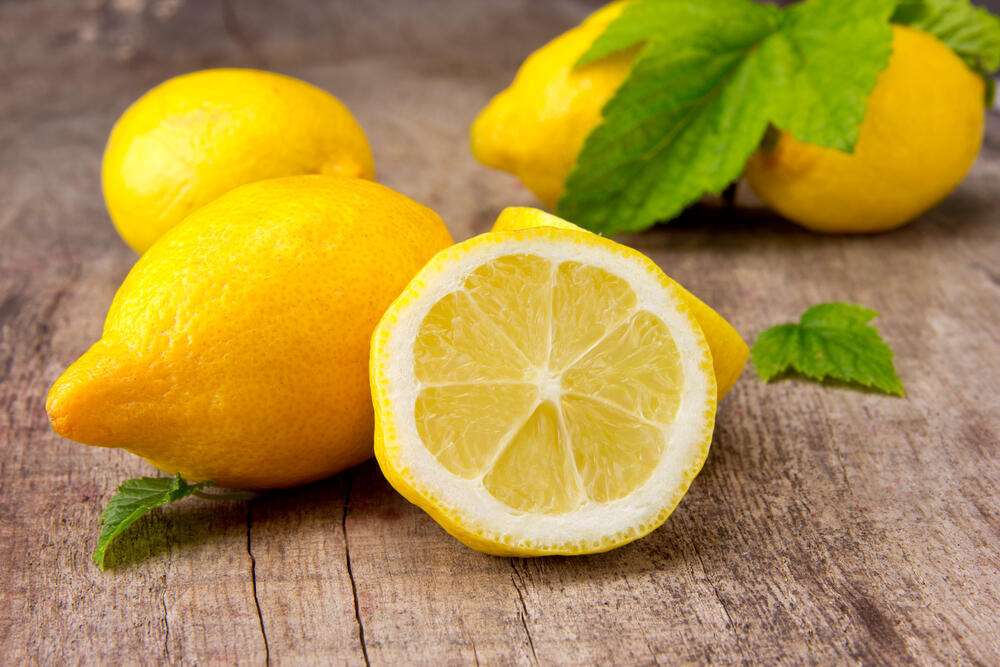
Lemons
(צילום: Shutterstock)
Use only fresh tahini
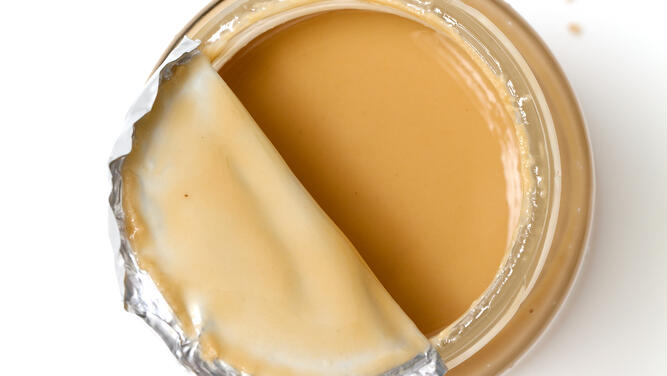
Wondering how to tell if your tahini is fresh? Cohen explains: “If the oil has separated and risen to the top while thick sediment collects at the bottom, the tahini has likely been sitting too long.”
Because tahini is made of sesame oil and ground sesame solids, it tends to separate over time. A smooth, homogenous consistency is a sign of freshness.
(Photo: Shutterstock)
Never add black pepper
Of all the ways to get tahini wrong, Cohen says this is the worst—and it’s surprisingly common.
“Black pepper is a wonderful spice, but it has no place in tahini,” he insists. So keep the pepper grinder on the shelf.

Skip the black pepper
(Photo: Shutterstock)
Garlic or no garlic? Thick or thin? That’s up to you
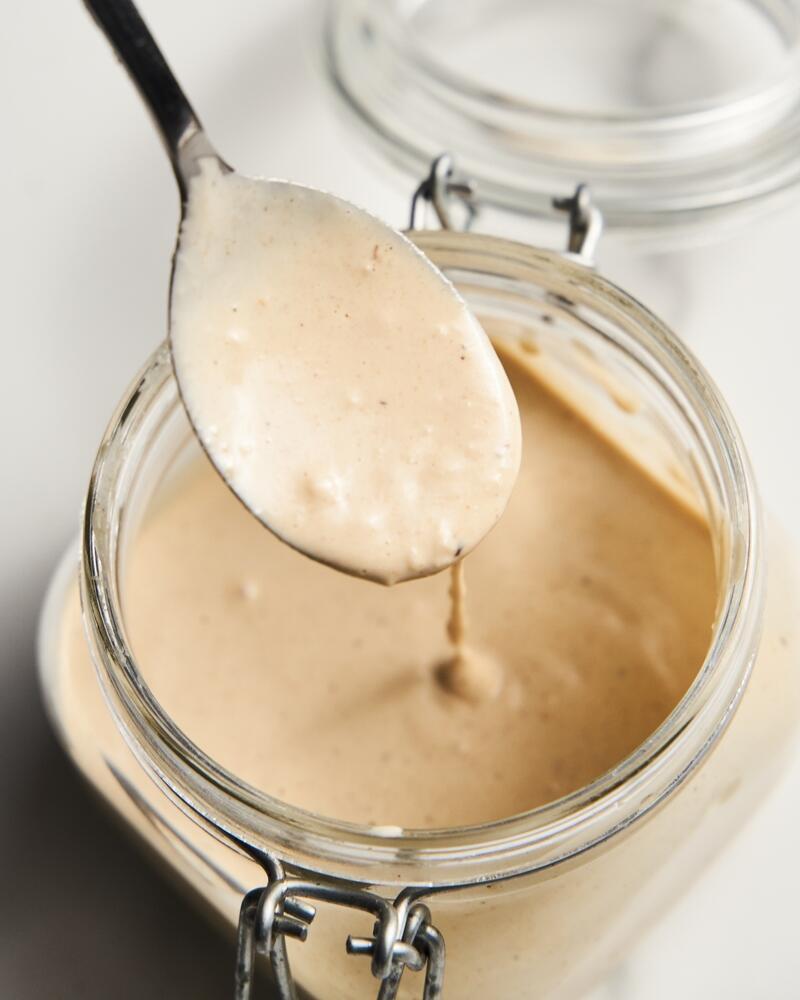
The perfect tahini is the one you enjoy—and it should suit what’s being served with it. Sometimes all you need is a bold, minimalist blend with just salt and water. Other times, a thinner tahini works better for drizzling over pita. There’s no one rule—it depends on the context.
The bottom line, Cohen says: add what you like and stay open to experimenting. Finding your ideal recipe might take a lifetime—or just one good batch.
(Photo: Shutterstock)
Looking to branch out from the standard sesame version? Cohen suggests swapping sesame seeds for walnuts, hazelnuts or pine nuts. Just grind them in a food processor until you get a paste similar in texture to raw tahini—a process that can take 10 minutes or more, so be patient.
Once it’s ready, treat it just like regular tahini: add salt, water and a few drops of lemon juice to taste. Stir it all together, and you’ve got your own signature tahini.