

She’s always there when you need something comforting and quick: just a pot of water with salt and a bit of sauce, and dinner’s ready. You don’t need a culinary degree to cook it — or an Italian grandmother (though that certainly helps).
But once you dig a little deeper, you’ll find that pasta is far more than just “noodles with sauce.” It comes with rules, traditions and a world of reasons why a simple dish can turn out either heavenly or totally forgettable.
To find out what we’ve been doing wrong and how to get it right, we set out to bust common myths (starting with the classic one about adding oil to the cooking water), uncover the secrets to matching shapes and sauces and discover surprising ways to make this beloved carb part of a balanced, healthy meal. Ready? The water’s boiling.
The secret behind the shapes
Think the only difference between fusilli and spaghetti is how they look? Think again. Every twist, hole and fold in the dough serves a precise culinary-engineering function, all designed to ensure the pasta and sauce pair in perfect harmony. “Just like we wouldn’t expect an Italian to know how to make Israeli food, we also have gaps in understanding pasta,” explains Claude Ben-Itach, owner of the Fresh Pasta factory.
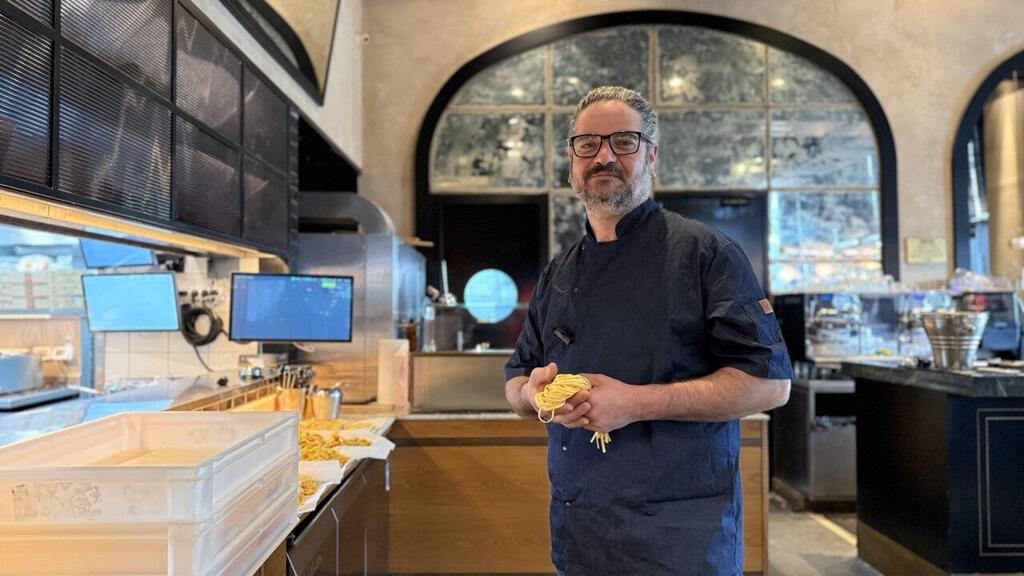
Claude Ben-Itach
(Photo: Sapir Gordo)
So why are there so many shapes?
“First, you’re talking about a country with a wide range of regions. There’s a big difference between the north and south of Italy — the ingredients behave differently, the temperatures vary. Then there’s the history: before the industrial revolution, most pasta was handmade. There are still shapes that machines can’t replicate. What started out as ‘mistakes’ at home often became classics.”
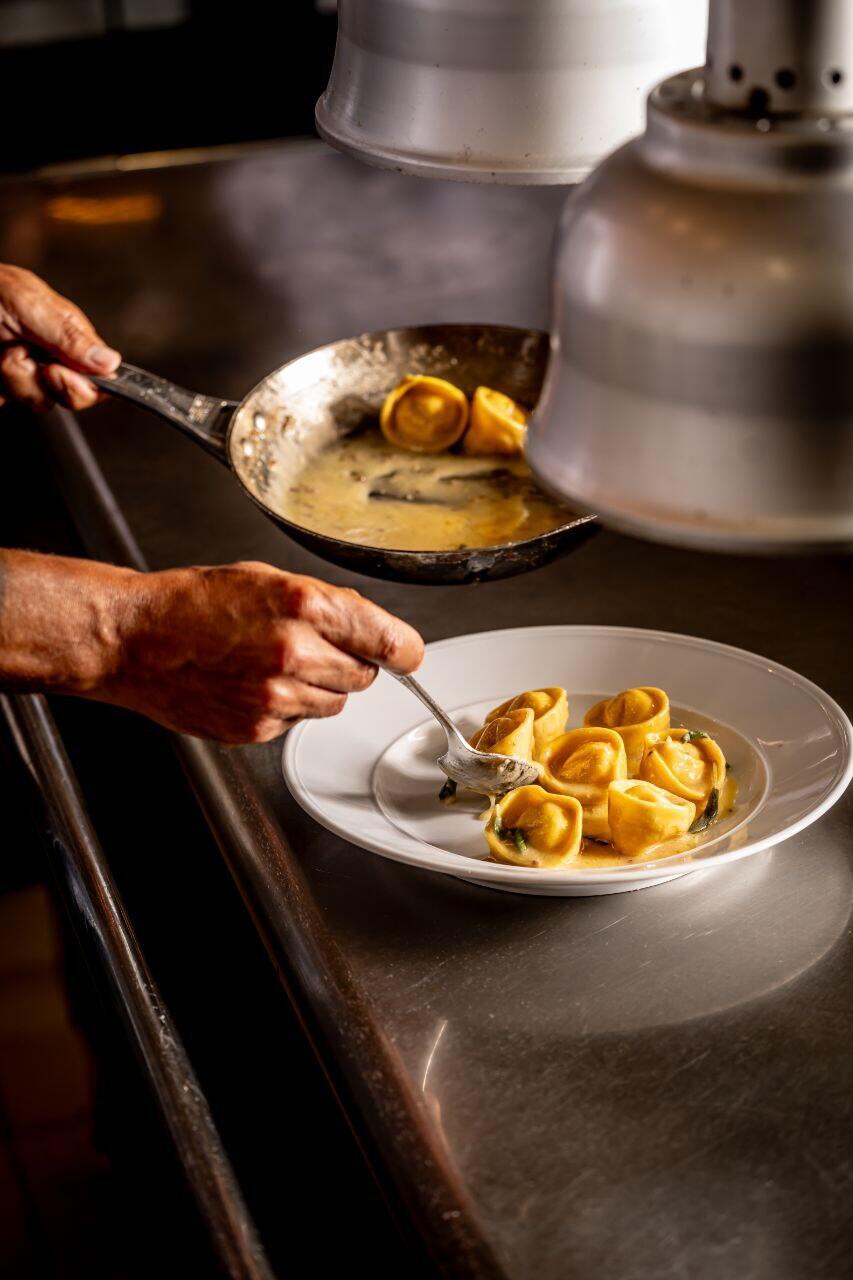
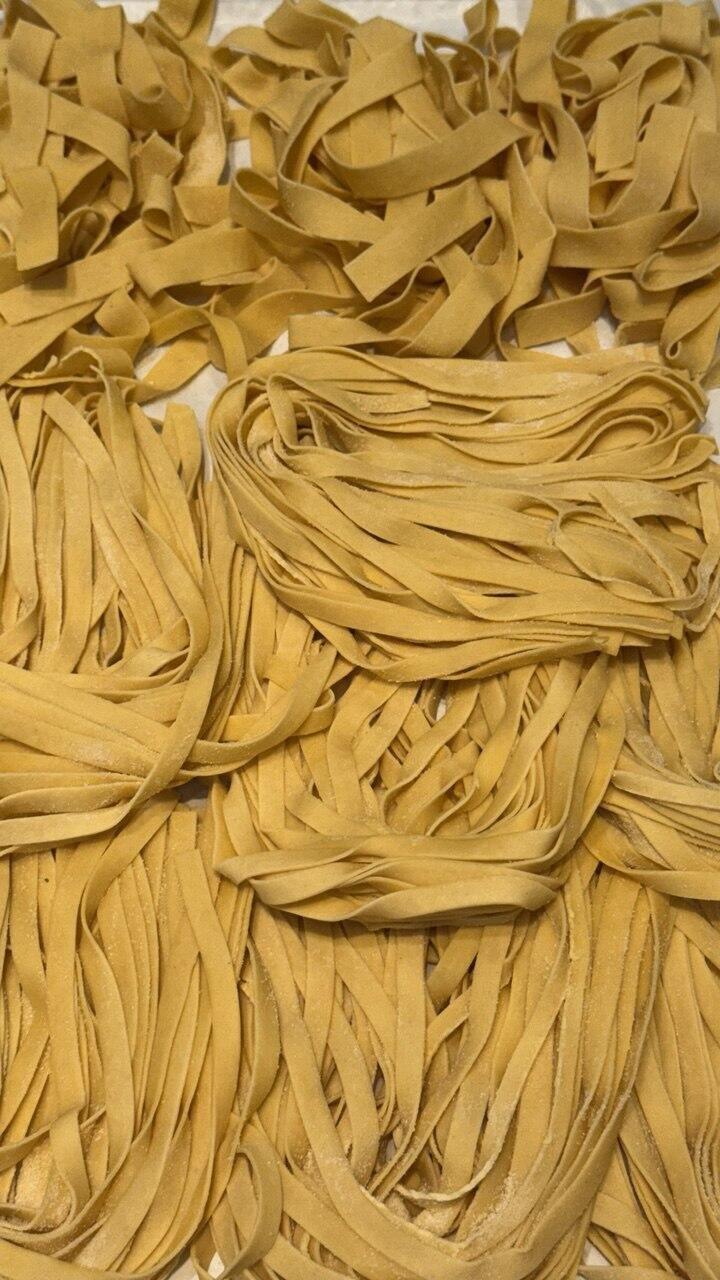
He divides pasta into families: “There are the long, wide noodles like fettuccine, tagliatelle and pappardelle; the short pastas like rigatoni and penne; and the stuffed pastas like ravioli and tortellini. Each of these works best with different kinds of sauces. Short pastas pair well with chunky sauces — seafood, meat, fish. Thin pastas like spaghetti, tagliolini and linguine go best with light, oil-based sauces. Stuffed pastas usually need something delicate like butter — you don’t want to overshadow the filling.”
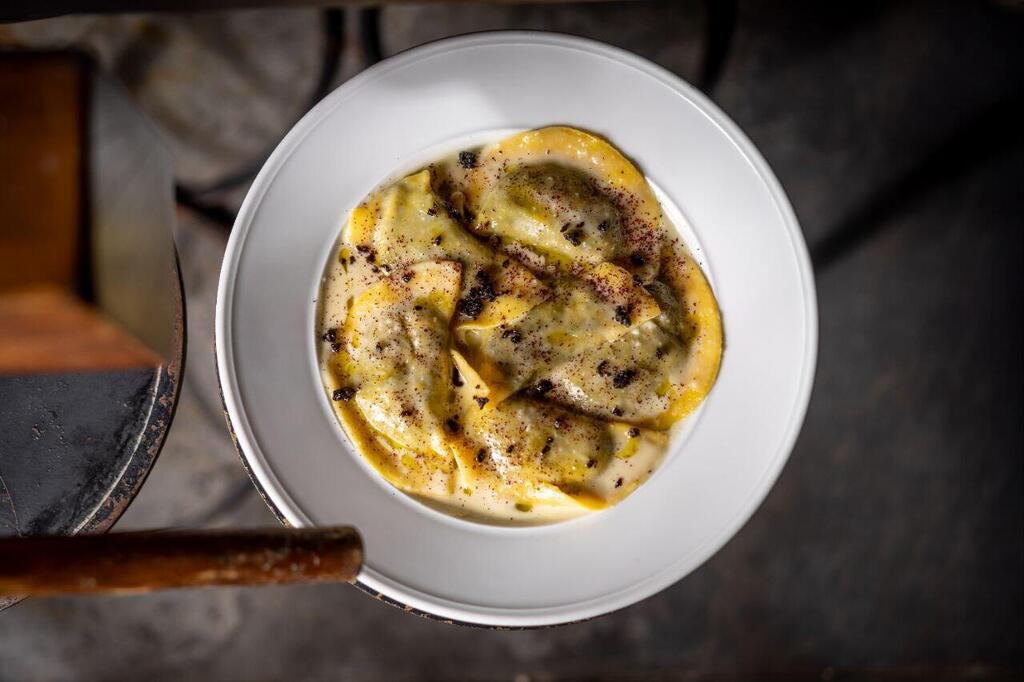
Ravioli
(Photo: Assaf Carla)
So how do you pair sauce and pasta correctly?
“The critical point is that the pasta has to hold the sauce. Long, wide noodles need a thick, rich sauce that clings to them and doesn’t slide off. Take, for example, a mushroom ragù with pappardelle — olive oil wouldn’t cut it; you need something rich and reduced that sticks to the pasta’s width.
“On the other hand, thin pastas like linguine can’t carry heavy sauces — you’ll just end up with soup. There you need something light, like olive oil-based sauces (aglio e olio). Hollow pastas need sauces that can seep inside and coat them from within, so every bite bursts with flavor. The most important thing to remember: pasta is always the star of the dish — the sauce is the supporting act. If the sauce is what shouts the loudest, something’s gone wrong.”
Avoiding pasta pitfalls
After diving into the theory of pasta perfection, it’s time to step into the kitchen. But as it turns out, some of our most instinctive cooking habits may be the very ones sabotaging our pasta. Ben-Itach breaks down the most common mistakes and how to fix them.
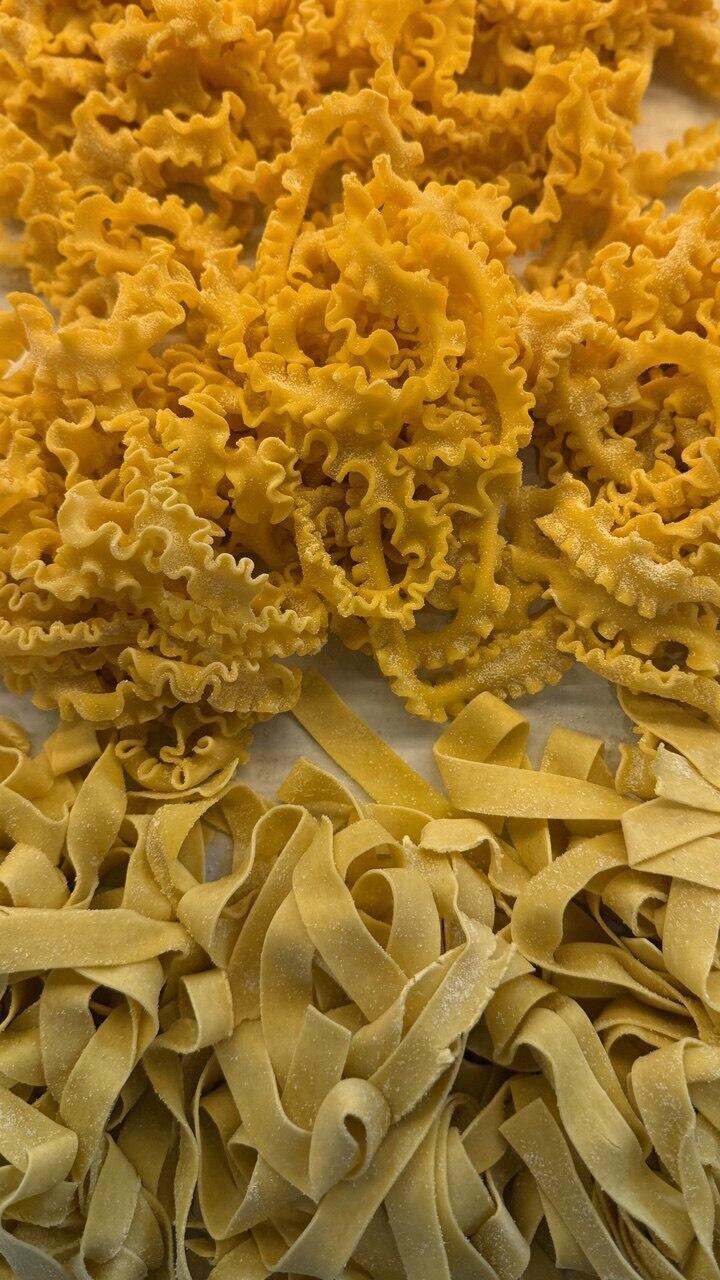
(Photo: Sapir Gordo)
How do you really know when pasta is done?
“We want to avoid overcooking. The classic and simplest method — no need for a culinary degree — is to taste it. Another way is to cut the pasta in half: you’ll see a small white dot in the center. That’s the point you want to reach — and not go past. Also, watch how the pasta behaves in the pot: it shouldn’t sink to the bottom, it should move in circulation. When it’s moving around in the pot, you’re close to done.”
What are the biggest mistakes we make in home cooking?
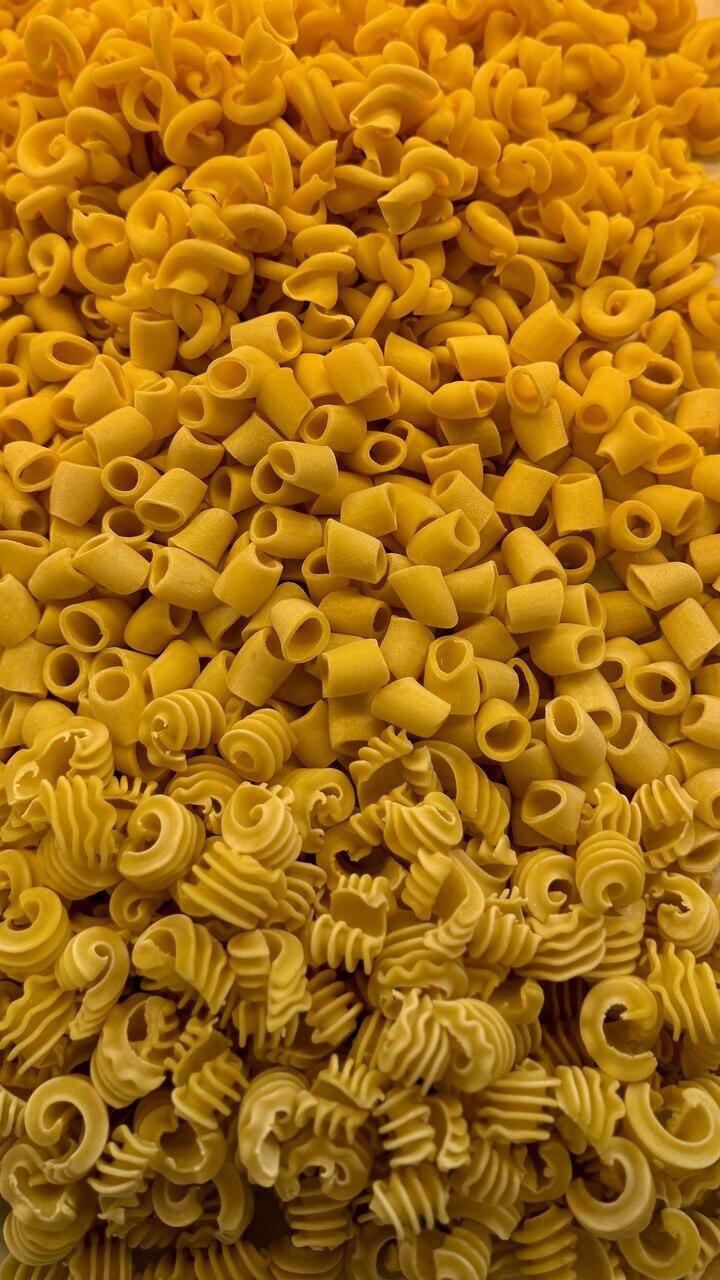
“The number one mistake is adding oil to the water, thinking it prevents sticking. It doesn’t — and actually does damage. Pasta cooked in oily water comes out coated in oil, so the sauce won’t stick. Another major mistake is rinsing pasta with cold water, which washes away the starch — what we call ‘liquid gold.’ Starch is critical for helping the sauce cling to the pasta, and when you rinse it off, it all goes down the drain and the sauce won’t hold. Also, using a pot that’s too small or not enough water will throw things off.”
(Photo: Sapir Gordo)
What about sauce-making — where do we go wrong there?
“A classic mistake is burning the onion or garlic. That ruins the flavor and spoils the sauce. With tomato sauce, people often overcook it — if you simmer it for over an hour, the acidity and sugars break down. Another issue is overcrowding the sauce with too many ingredients — people throw in too much, and the sauce becomes overloaded. You end up not really tasting anything. Minimalism is the way to go.”
Any advanced tips to elevate homemade pasta?
“Italians pull the pasta out two minutes early — even before it hits al dente — and add it directly into the sauce pan with a splash of the cooking water. Then you simmer everything together for two or three minutes, let it reduce, add a pat of butter at the end — and that’s it. It’s kind of like playing with Play-Doh with your kids. Pasta is forgiving — it’s not one of those dishes where if you mess up, it’s ruined and inedible. I highly recommend experimenting at home, even with your kids. It’s a great activity.”
Why you should be refrigerating your pasta
After mastering how to cook pasta, it’s time to talk nutrition. Dietitian Meital Levy shares how to turn this beloved carb from foe to friend, and reveals a surprising tip that could change the way you think about leftovers.
(Photo: Assaf Carla)
What are pasta’s main nutritional values?
“That depends on the flour. Pasta made from white flour is a fairly simple carbohydrate. On the one hand, it provides quick energy, which makes it great before physical activity. On the other hand, if the pasta is made from whole wheat, it contains fiber, iron, magnesium and selenium. If it’s made from legumes, it offers all the nutritional benefits of legumes — more minerals and fiber. It’s easy to digest and provides long-lasting energy, without the digestive effects sometimes associated with legumes or rice.”
How does the sauce affect how healthy the dish is?
“The sauce is a major component of the meal. If you use saturated fat, like cream, the dish becomes less healthy. But if you use tomato-based or vegetable sauces, you’re adding fiber and antioxidants. A sauce made from olive oil and basil or pesto, for example, with added walnuts, is rich in healthy fats.”
(Photo: Sapir Gordo)
How can home cooks maximize pasta’s health benefits?
“Shorter cooking times help preserve nutrients. But there’s a big bonus to eating pasta after it’s been cooled in the fridge, rather than fresh off the stove. Cooling turns its starch into what’s called ‘resistant starch,’ which causes a smaller spike in blood sugar and is easier on the gut — ideal for those with irritable bowel syndrome. For a balanced meal, aim to combine healthy fats (like olive oil or nuts), vegetables in or alongside the sauce, and a protein source.”
What’s the healthiest combination?
“Whole wheat or lentil pasta is best — it’s high in fiber and minerals. Pair it with a pesto or tomato-based sauce, or one combining olive oil and vegetables. Add in walnuts or pine nuts, and finish with protein — whether that’s cheese in the pasta or a side salad with tuna or another lean protein.”