

Perched on avocado toast, served as the centerpiece of eggs Benedict or featured in an indulgent brunch, the poached egg has become something of a breakfast icon. It may well be the most elegant way to serve an egg.
Its appeal lies in the perfect contrast: a soft but firm, opaque white surrounding a rich, creamy, runny yolk.
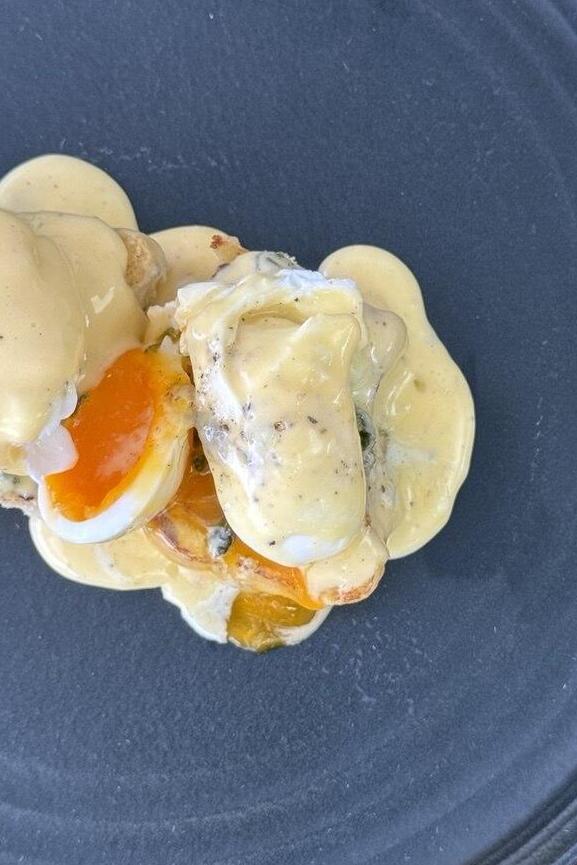
The problem? Poached eggs have a reputation for being difficult to prepare, and many home cooks avoid making them for fear that the egg will simply fall apart in the water.
The solution is simpler than it seems. A little attention to technique, along with a few small details, can make all the difference.
First, a few important food safety rules
Before getting started, it's worth reviewing some basic food safety precautions. Eggs can carry bacteria such as salmonella, so proper storage, hygiene and cooking are essential.
Choosing eggs: Buy eggs in properly labeled cartons with the required dates clearly displayed. Never use cracked or broken eggs.
Storage: Keep eggs refrigerated and take them out only shortly before using them.
Hygiene: Do not wash eggs in advance. Wash your hands, utensils and work surfaces after they come into contact with raw eggs.
Cooking: Eggs that are not fully cooked, including poached eggs with runny yolks, require extra attention to food safety. Israel's Health Ministry recommends cooking eggs until both the whites and yolks are fully set. Pregnant women and people with weakened immune systems should avoid raw or partially cooked eggs.
How to make the perfect poached egg at home
Now for the technique. We asked chef David Sadi, head of the culinary program at the Bishulim cooking school, to explain exactly how to get the best results.
First, the basics: A poached egg is cooked in hot water, and a little vinegar can be added to the pot.
"The vinegar helps the egg coagulate," Sadi explains, but he stresses that it isn't essential.
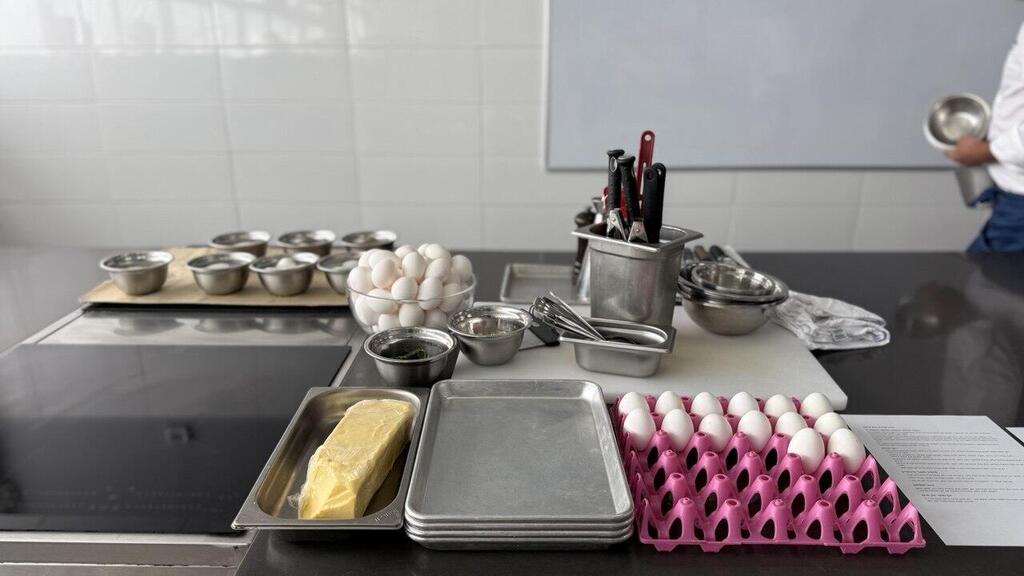
Poached eggs are easier to prepare at home than they might seem
(Photo: Sapir Gordo)
"You can do exactly the same thing without vinegar and still get a wonderful result. The vinegar just helps us achieve a better outcome."
Salt can also be added to the water, although it isn't necessary.
The secret is in the egg white
Before the egg goes into the water, Sadi recommends removing the thin, watery part of the egg white.
"Inside the egg, there's the white, and the white is divided into two parts. There's a thicker white and a thinner white. The thin white gets in the way when we're trying to make a poached egg."
To remove it, Sadi cracks the egg into a small strainer, allowing the watery white to drain through the holes while the thicker white and yolk remain.
"The final result will be a better poached egg," he explains.
This small step helps produce a neater, more compact egg instead of one surrounded by loose strands of white.
Do you really need to create a whirlpool?
The familiar technique of stirring the water into a whirlpool can help, but it isn't always useful.
"A whirlpool helps, but mainly when I'm working with one egg at a time. If I have more than one egg, it isn't effective," Sadi says.
When preparing a single egg, he recommends gently stirring the water to create a vortex, then lowering the strained egg into its center.
"I gently pour the egg into the water, into the middle of the whirlpool, and that causes it to gather around itself."
The swirling water helps the white wrap around the yolk, giving the finished egg its characteristic rounded shape.
Three minutes, then straight out of the water
Once the egg enters the water, timing becomes crucial.
Sadi recommends setting a timer for exactly three minutes.
Meanwhile, he prepares a tray lined with paper towels and keeps a slotted spoon ready so he can remove the egg quickly and drain away excess water.
After three minutes, he lifts the egg out.
"Our egg is firm on the outside. The white has set, but the yolk is still runny," he explains.
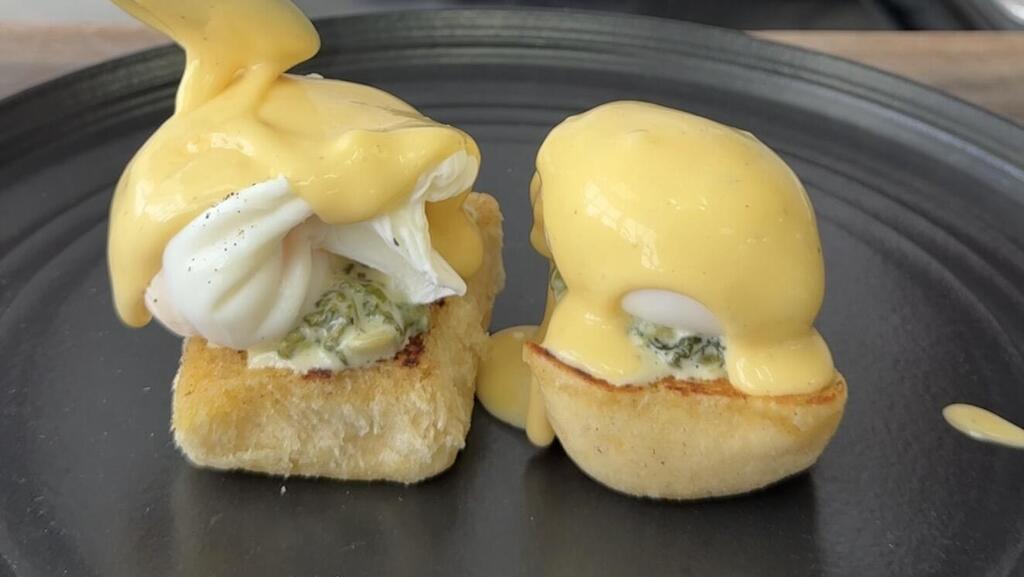
A chef's poached egg, with a firm white and creamy, runny yolk
(Photo: Sapir Gordo)
He then transfers the egg to the paper towel to remove any remaining moisture.
Because the egg was cooked in water without much seasoning, Sadi finishes it with a little olive oil, salt and freshly ground black pepper.
From there, the possibilities are endless.
Sadi serves his poached egg on bruschetta topped with spinach cooked in cream, then covers it with hollandaise sauce. But a perfectly poached egg is just as delicious on a simple piece of toast.
The recipe: Perfect poached eggs in six steps
1. Strain the egg: Crack an egg into a small strainer. Let the thin, watery white drain away, leaving the thicker white and yolk intact.
2. Heat the water: Bring a pot of water to a boil. Add a small amount of vinegar if desired.
3. Create a whirlpool: If preparing one egg, gently stir the water with a spoon to create a vortex. Skip this step when cooking several eggs at once.
4. Add the egg: Carefully lower the strained egg into the center of the whirlpool.
5. Set the timer: Cook for three minutes, as recommended by Sadi, for a set white and runny yolk.
6. Remove and drain: Lift the egg out with a slotted spoon and transfer it to a plate lined with paper towels to absorb excess moisture.
Finish with olive oil, salt and black pepper, then serve on toast or as part of your favorite brunch dish. Remember that a runny yolk means the egg is only partially cooked and carries a food safety risk.