

1. Starting to cook with a full sink
Cooking should happen in a clean, tidy environment — consider this an axiom. A clean countertop, an empty sink, a nearby trash can and a polished work surface are musts before you get started. Many chefs say you can’t make good food in a messy kitchen — and we tend to agree. If that doesn’t convince you, do it for your health and the people you're cooking for.
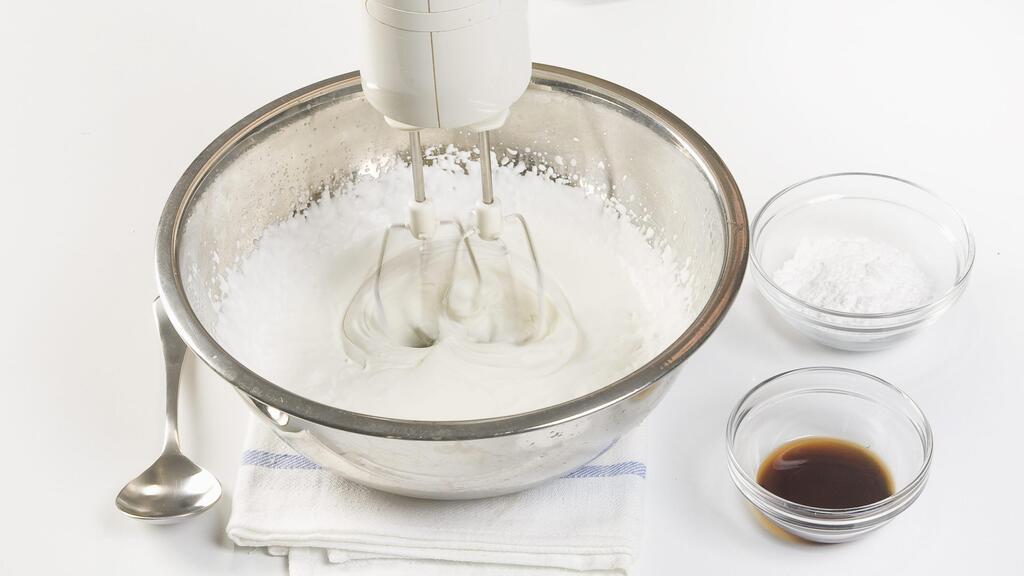
2. Over-whipping your cream
Unlike egg whites, heavy cream needs only light whipping. Overdoing it will cause the cream to "break" and turn into butter — ruining the texture and making it unusable for most recipes. Always start with cold cream straight from the fridge, and keep a close eye on your mixer. If it starts to separate, pastry chef Keren Kadosh recommends adding a little cold cream, chilling the mixture briefly and re-whipping. If it’s too far gone, just season it and enjoy your own homemade butter.
3. Not sharpening your knives
A cook’s best friends are his or her knives. A sharp knife can transform your kitchen experience — just watch out for your fingers. Dull blades are not only frustrating but dangerous.
4. Ignoring the spice cabinet
Flour beetles are the last thing you want seasoning your food. These bugs thrive in damp, warm spaces and can infest your spices, flours and dry goods. Check your spices monthly and refresh every 3–6 months. If you spot black specks moving in your cumin or paprika, it’s too late — toss everything and start over.
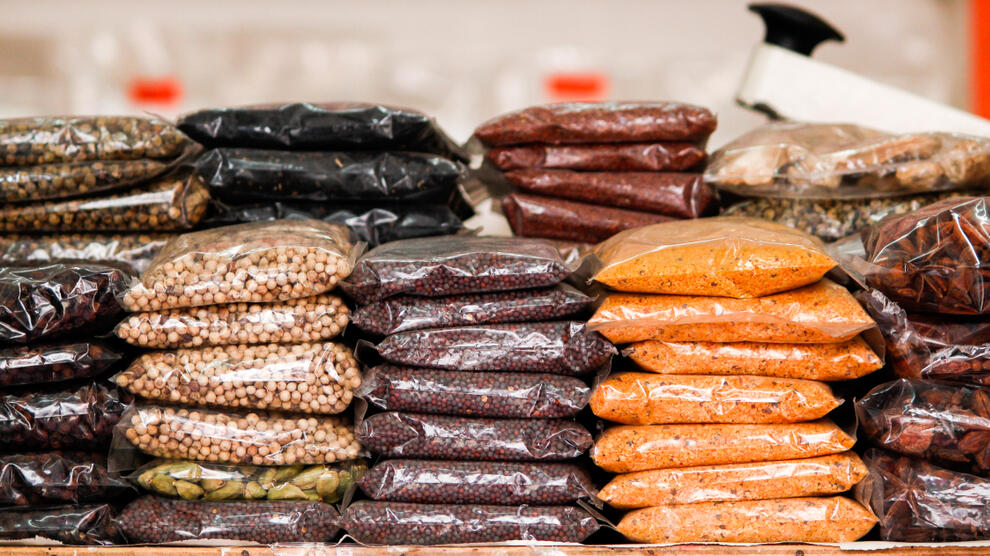
Check your spices monthly
(Photo: Shutterstock)
5. Stirring a burnt dish
Burnt flavors are impossible to hide and will overpower your entire dish. If the bottom of the pot burns, stop stirring immediately — you might still be able to save the top layer. Stirring will only spread the burnt taste. Garlic, in particular, becomes unpleasantly dominant when scorched.
6. Draining schnitzel on paper towels
Draining fried schnitzel on paper towels may seem traditional, but it ruins the crispiness. The steam softens the coating. Instead, transfer schnitzels to a wire rack or colander placed over a tray to maintain their crunch.
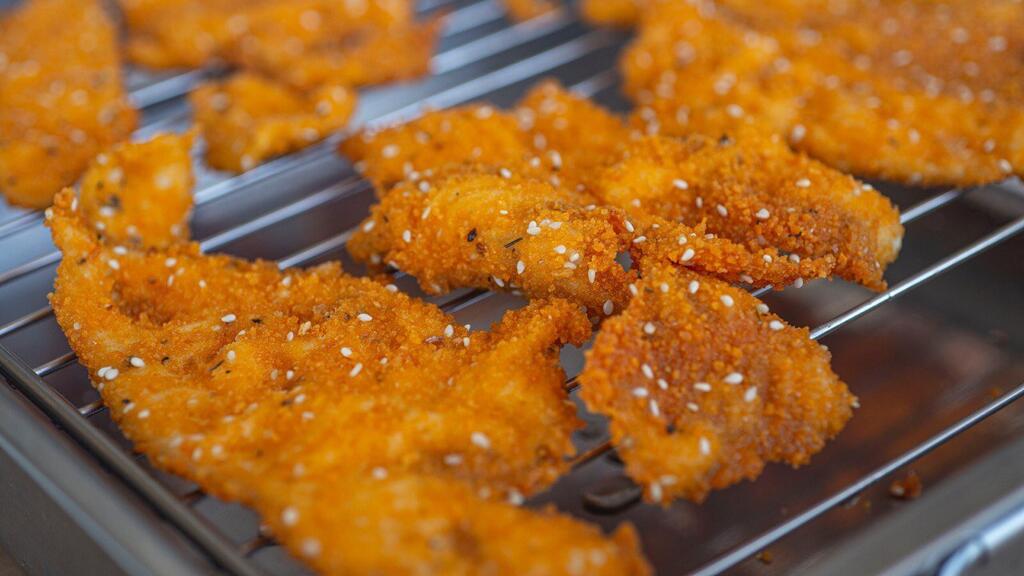
Transfer schnitzels to a wire rack or colander to retain crispiness
(Photo: Yuval Chen )
7. Throwing out food
Wasting food is one of the greatest kitchen sins. Shop in moderation, cook with what’s about to go bad and store leftovers in the fridge.
8. Washing produce before refrigerating
Moisture is the number one cause of spoilage. Never wash fruits and vegetables before refrigerating — unless you dry them thoroughly, down to the last drop.
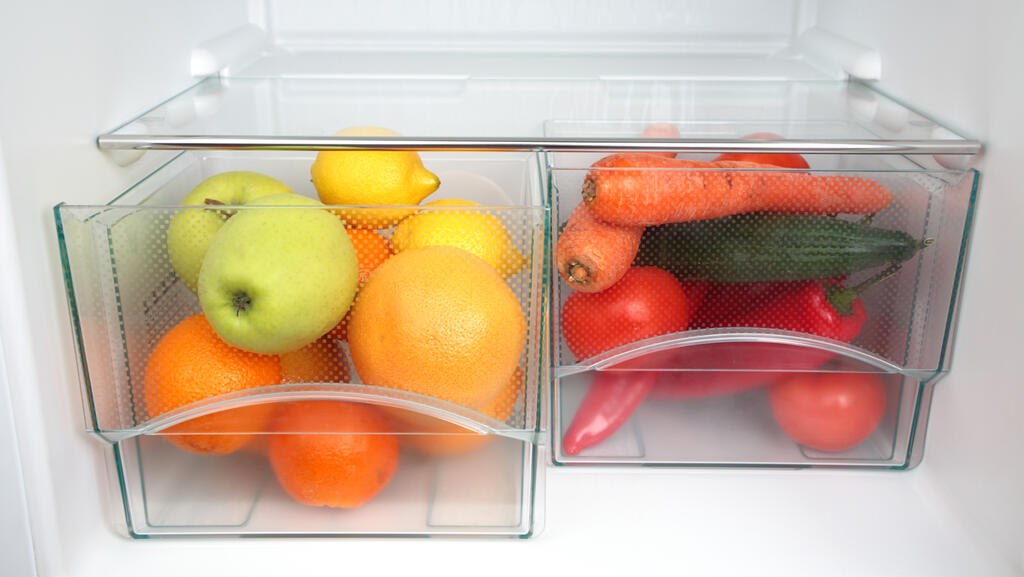
If you must wash fruits and vegetables before putting them in the refrigerator then you must dry them completely
(Photo: Shutterstock)
9. Using leftover onion halves
Cut onions tend to smell and attract pests. Always slice your onion close to serving time. Buying smaller onions will save you from figuring out what to do with leftovers.
10. Treating recipes as gospel
No two kitchens are alike. Heat, ingredients and even personal style differ. Don’t be afraid to give a recipe your personal touch — even if it’s from a famous chef. That’s how culinary creativity is born.
11. Sautéing garlic and onion together
Garlic burns quickly, onions don’t. Always start by sautéing the onions, and only add the garlic 10–15 minutes later.
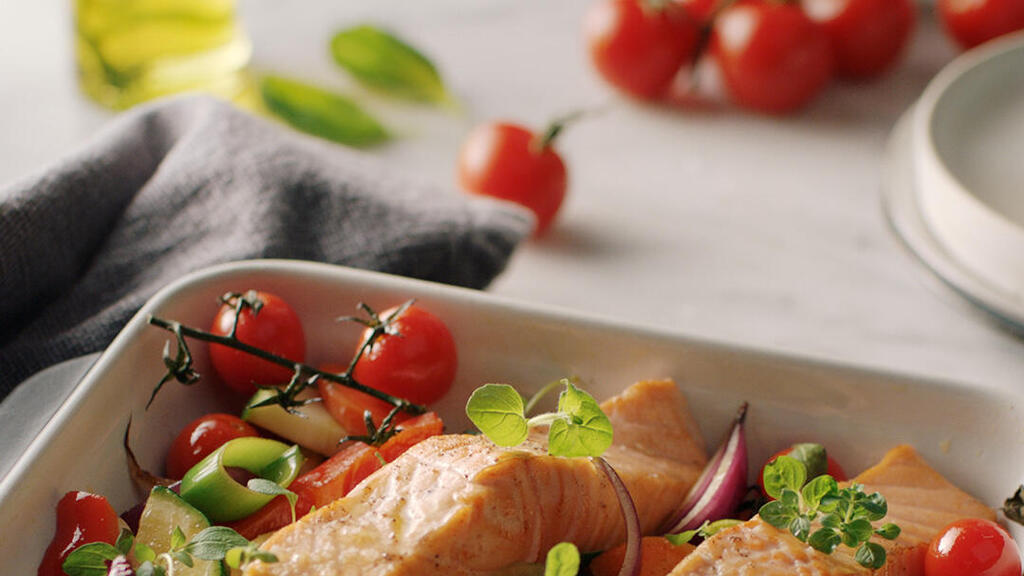
Undercooked is better than overcooked. when it comes to salmon
(Photo: PR)
12. Overcooking fish in the oven
Ten minutes is usually enough for most fish, depending on size and cut. A whole fish takes longer than a fillet. Salmon in the oven for 30 minutes? Absolutely not. If the flesh pulls away easily from the bone or separates easily with a fork, it’s done. If not, give it a few more minutes — but remember: undercooked is better than overcooked.
13. Refrigerating tomatoes
It may seem logical to store tomatoes in the fridge — especially in summer — but refrigeration kills their flavor and makes them mealy. Tomatoes belong on the counter. If they’re about to go bad, it’s time for a shakshuka.
First published: 11:09, 01.26.26