

Very few American movies can claim to have influenced an entire U.S. industry the way “Sideways” did California wine. In the Oscar-nominated 2004 film, Paul Giamatti plays a wine snob who travels through California wine country and discovers the “haunting and brilliant” qualities of pinot noir.
Alexander Payne’s small, critically acclaimed film did more than influence the industry. It left its mark on American culture as a whole. Crowds flocked to the areas where the movie was filmed, wineries already producing pinot noir suddenly sold out their inventories at record speed and new vineyards sprang up everywhere.
How important was the film to the industry? Alongside the surge in pinot noir, it hurt sales of merlot after Giamatti’s fictional character angrily declared that if anyone ordered merlot, he was leaving and would not drink it.
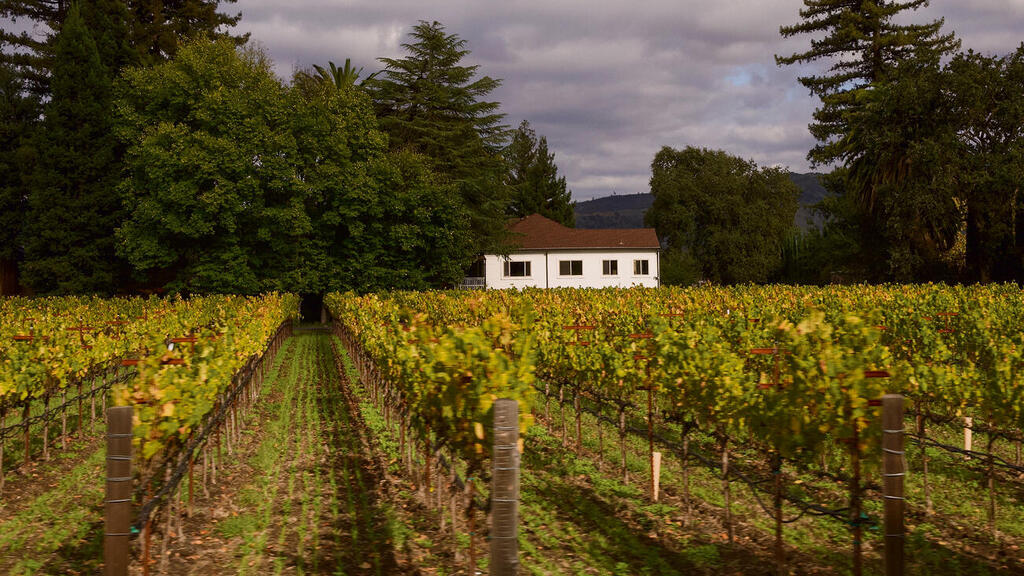
A little more than 20 years later, California wineries produced less wine last year than at any point in the past quarter-century. The situation has become so severe that vineyard owners often prefer to let grapes rot on the vine rather than harvest them because unsold bottles remain on store shelves and inventories are not clearing.
A two-decade low
Jason Smith, who ran a family winery that survived for 51 years, decided to sell it. Smith was already growing pinot noir grapes when “Sideways” was released and enjoyed his most profitable years in the period that followed. But pinot noir production in California has fallen 30% since 2021.
To pay off debts and avoid bankruptcy, Smith sold his family vineyard to a large wine company and is selling off equipment for cash.
Smith told The New York Times that he no longer had any way to make money as workers pulled out the pinot nNoir vines he had cultivated and burned vineyards.
Wine sales in the United States are at their lowest level in more than two decades. Americans are drinking less overall, partly because of lifestyle changes and partly amid public health warnings about the risks associated with alcohol.
The steepest decline is among young people. Their alcohol consumption is at historically low levels, but wine has been hit particularly hard as younger drinkers increasingly prefer canned cocktails, soda, beer and nonalcoholic spirits.
According to Gallup, only about half of Americans ages 18 to 34 drink alcohol. Many young people are embracing healthier lifestyles, avoiding alcohol and seeking social alternatives that do not involve getting drunk. Those who do drink are consuming much less, averaging fewer than three drinks a week, the lowest level since the mid-1990s.
Overall alcohol consumption among U.S. adults has also fallen to 54%, its lowest level since Gallup began tracking the figure in 1939. In addition, 53% of Americans now believe even moderate drinking is harmful to health, nearly double the share from only a year earlier.
Official bodies including the World Health Organization have also said in recent years that there is no safe level of alcohol consumption in relation to cancer risk, challenging older perceptions that a daily glass of wine could be beneficial to health.
All of that means that America’s wine drinkers are increasingly concentrated among older consumers, a demographic that is shrinking over time.
California wine country, the inspiration for so much celebrated American literature and poetry, produces about 80% of the wine made in the United States. According to data from California wine growers, more than half a million tons of grapes were left unharvested in 2025.
The fall grape harvest began in California this month, and thousands of tons are again expected to remain on the vines. Hundreds more wineries are expected to close over the next two years.
Au Bon Climat, a storied Santa Barbara winery that has produced pinot noir for more than 40 years and that “Sideways” cast members visited before filming to learn about wine, plans to cut production this year.

The movie ‘Sideways’: wine takes center stage
(Photo: from the film ‘Sideways’)
Steve Lohr, president of one of California’s largest wine producers, told the Times that in 54 years in the grape and wine business, he had never seen this degree of change, turmoil and chaos.
Tariffs are not helping
Bar and liquor store owners in California say younger customers are increasingly asking about alcohol-free options and, when socializing, often prefer cannabis to wine.
Other suppliers argue that declining sales have more to do with affordability. They say consumers, particularly younger ones, increasingly cannot afford what can feel like a luxury product rather than rejecting wine itself.
Another blow came from President Donald Trump’s tariff war. Several Canadian provinces, once important export destinations, banned the sale of American alcohol in retaliation for U.S. tariffs.
Still, not everyone in the industry is discouraged.
Jaime Araujo, a Napa Valley winery owner, believes the current upheaval could ultimately benefit the industry over the long term.
She told Forbes that she does not necessarily view what is happening as a crisis but rather as an industry undergoing important, even essential, changes that could create a healthier and more sustainable wine world.
Araujo said she welcomes younger consumers who demand transparency and authenticity and care deeply about what they put into their bodies, describing the shift as a necessary cleansing process for the industry as well.